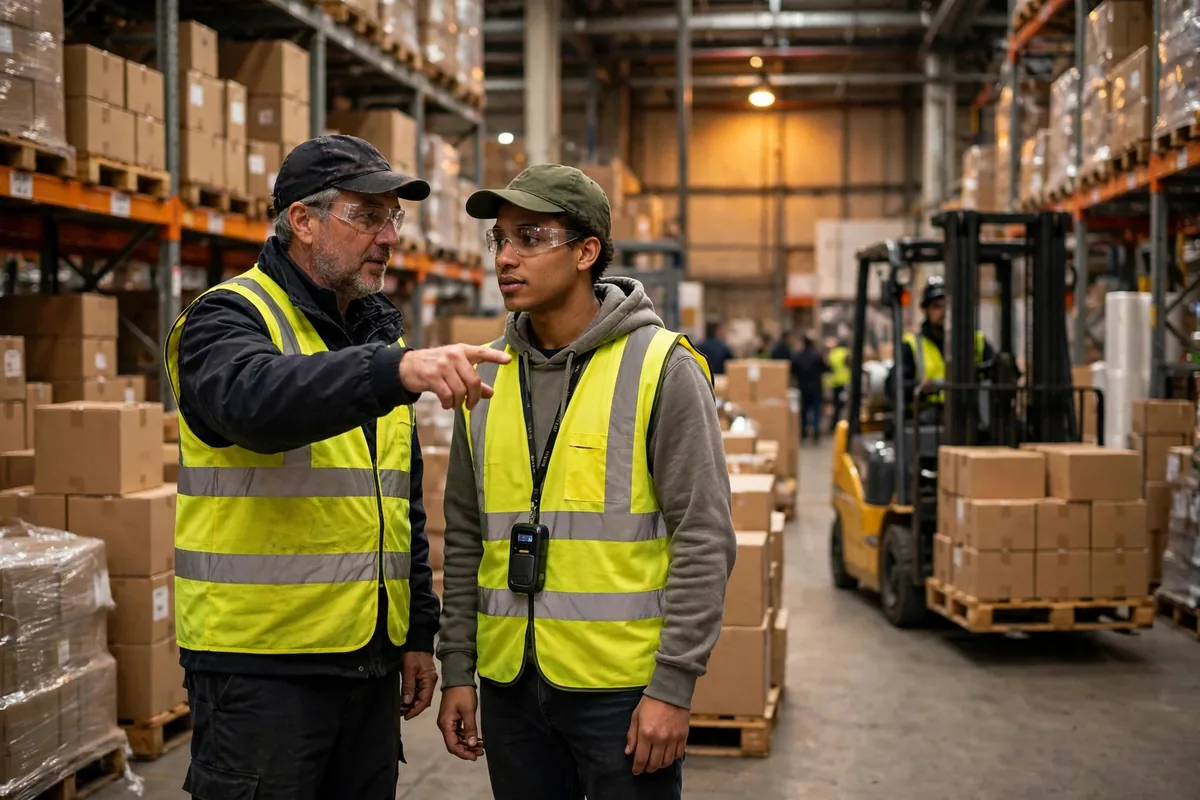
Let me start with the verdict: for warehouse seasonal temporary workers, the most dangerous day is not the busiest day. It is day one. The person has just walked in. They do not know the aisles, they have never touched the equipment, and they have not heard all the rules, yet they already have work in their hands. Put plainly, the real peak-season risk in a warehouse is not the volume. It is the people. You can add overtime, trucks, and slots when volume rises. Add unprepared people and you have added accidents.
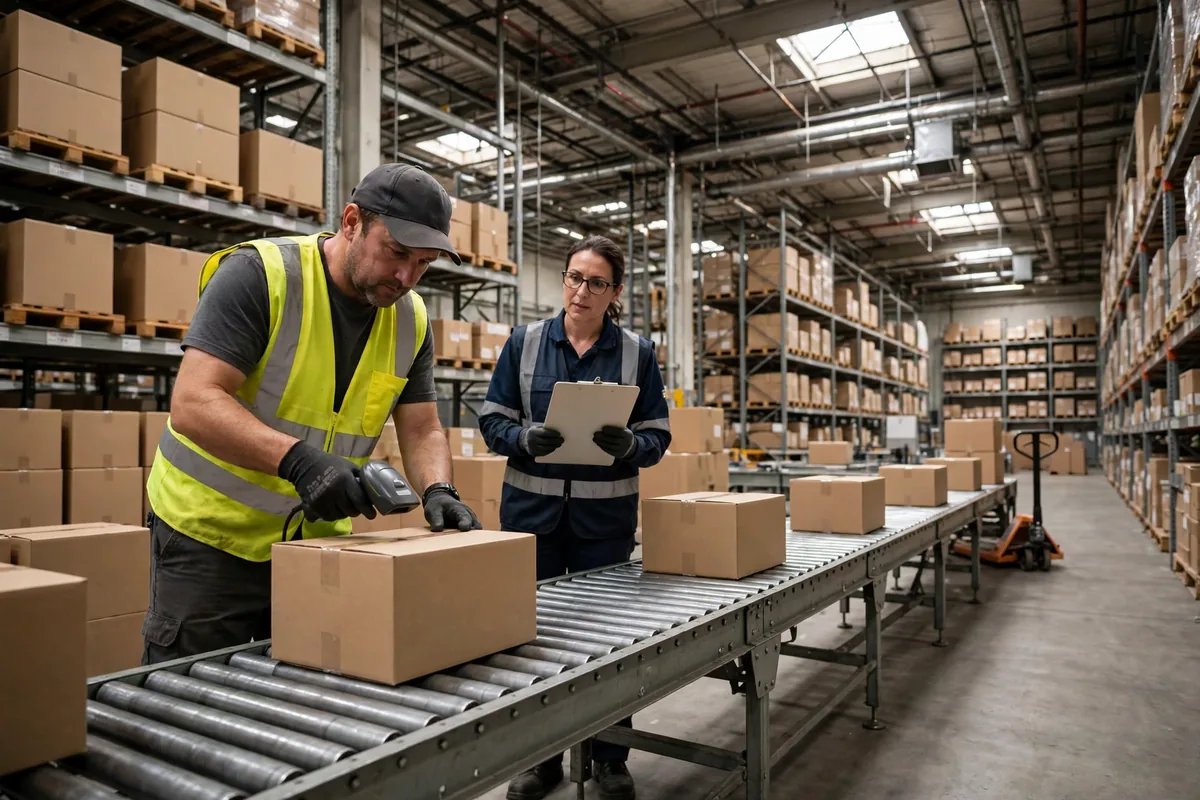
I have seen this scene too many times. At a 3PL warehouse in California, dozens of seasonal workers arrived the week before peak. They checked in at eight in the morning, and before nine one of them was already on a pick line. The veteran assigned to him was carrying his own orders, so the training was two sentences delivered on the move: do not walk in the forklift lane, and step aside when you hear a reversing beeper. Before lunch, the new worker pushed a hand cart straight across a forklift aisle. The driver stopped in time. Nobody was hurt. At the meeting afterward, the supervisor said, "Be more careful next time." Careful about what? About relying on luck?
There are two sides to this, and they are really one thing: safety and compliance. When an accident happens, you pay both bills at once.
Warehouse Seasonal Temporary Workers: Who Trains Them, Written in the Contract
Who is responsible for training? Burn this into your memory: under OSHA's Temporary Worker Initiative, the staffing agency and the host employer are joint employers, and both are responsible for the temporary worker's safety. One side cannot push it all onto the other and walk away.
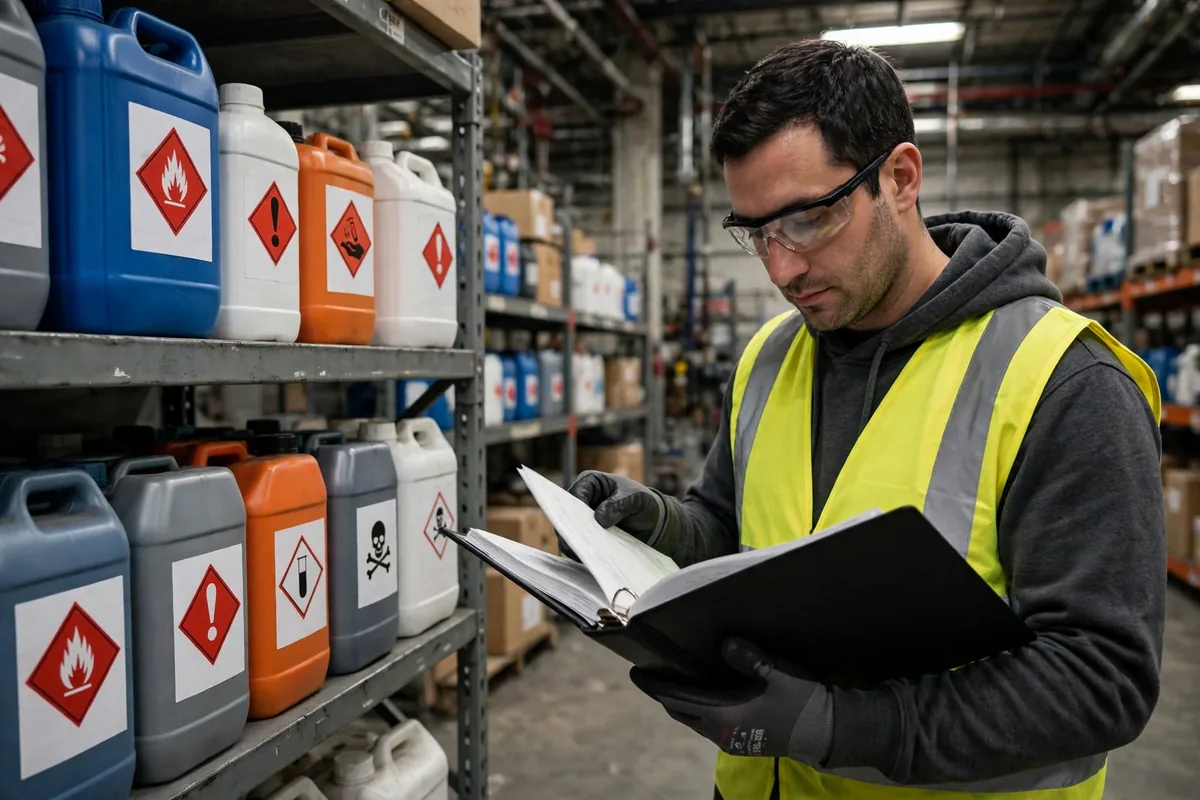
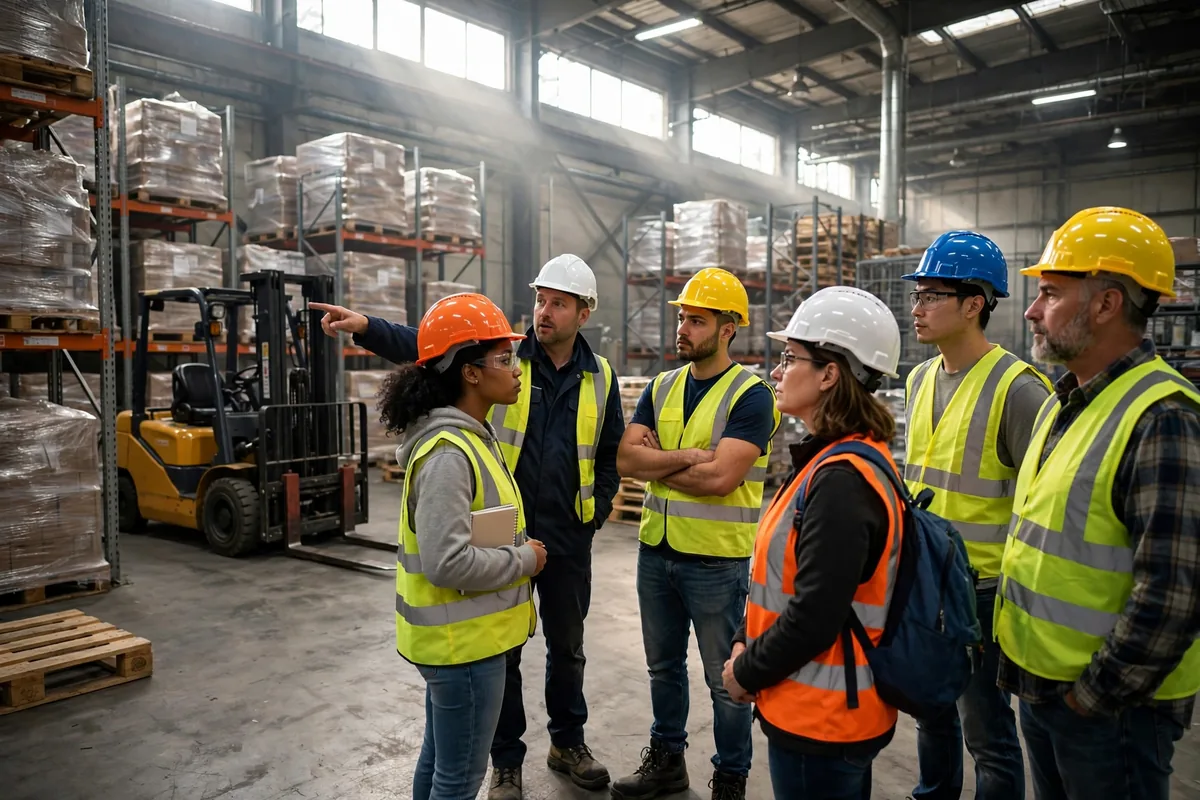
The usual split is this: the agency generally handles general safety training, while the host employer handles site-specific training and PPE. General training covers the basics: wear the hard hat, wear the hi-vis vest, do not touch what you should not touch. Site-specific training covers this warehouse: which lane is for forklifts, which zone needs lockout-tagout, which machine you may not touch without authorization, and where to stand when people and machines share the floor. PPE must come from the host, with someone showing how to wear it properly. Handing it out and walking away is not training.
But "usually" is not a contract. I have seen too many contracts that say only "Party B is responsible for training." Which party is B, what training, how many hours, and who checks it — none of it written down. After an accident, both sides point at each other. The agency says site training was your job. The host says general training was never done. In the end, both carry the blame, and the warehouse carries a bill that could have been avoided. So before peak hiring starts, open the contract and check four lines: who does general training, who does site training, who issues PPE, and whose log the accident goes on. If those four lines are not clear, bringing people in is burying a problem for later.
The Three Accidents Most Likely on Day One
The accidents I have seen most often on day one fall into three groups.
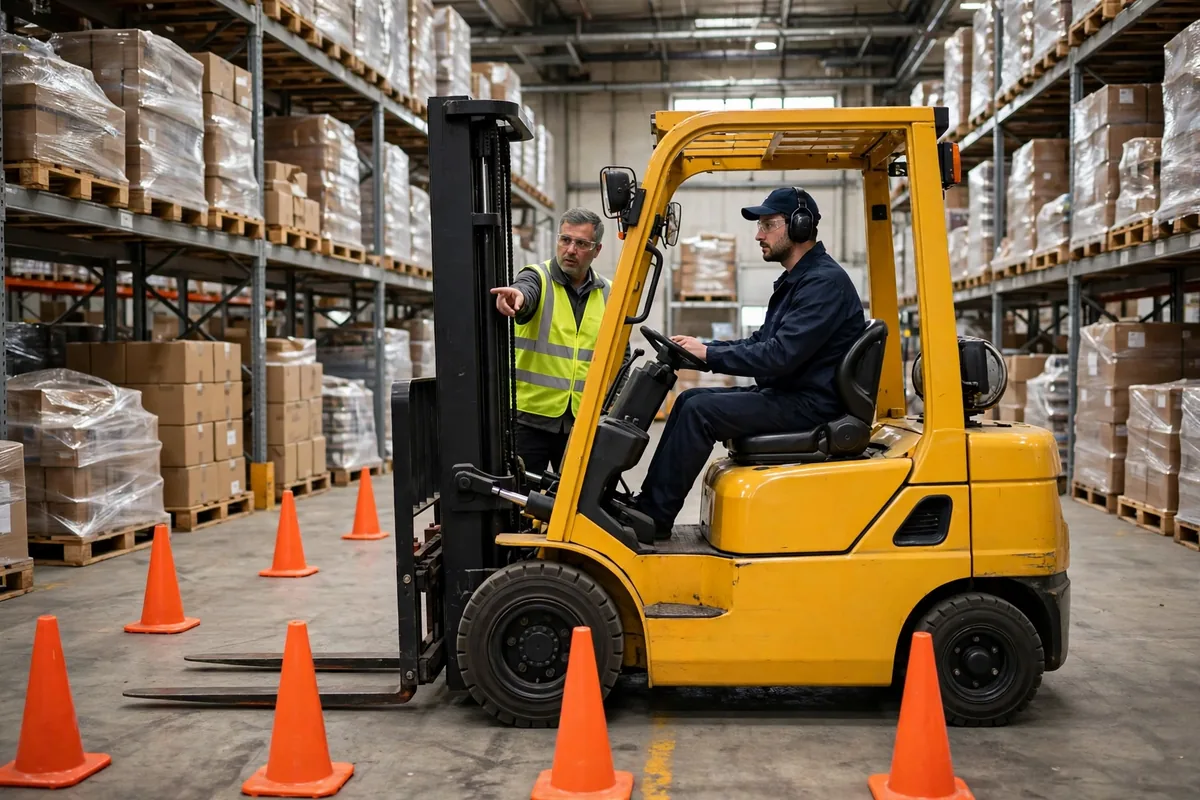
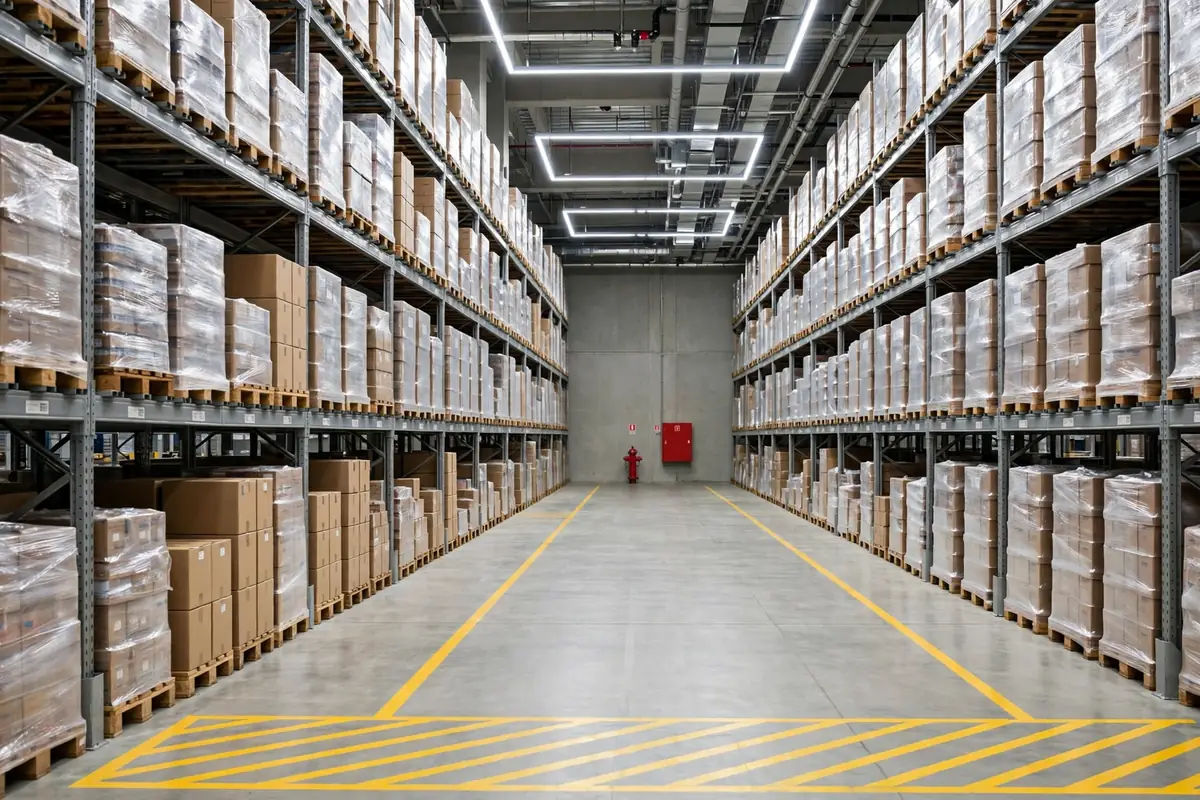
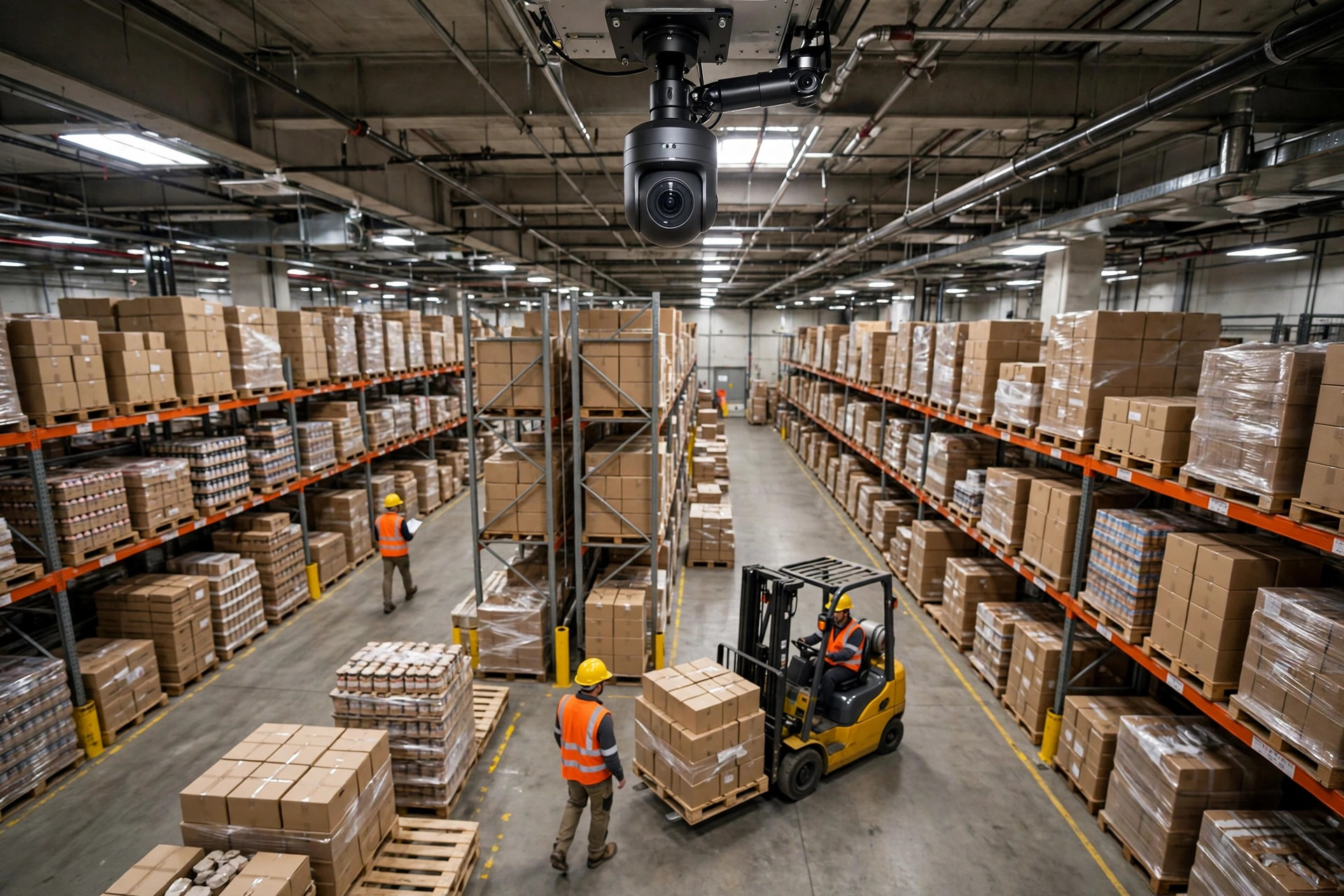
The first is a forklift and a pedestrian. A temporary worker does not know which lane is for forklifts and which is for people, or knows and thinks, "I will just cut across, it will be fine." In peak season, a forklift driver already has poor visibility, with a load stacked on the forks, reversing on mirrors and a beeper. A person stepping into the lane leaves the driver almost no reaction distance. The fix is simple and it works: on day one, walk the pedestrian routes on foot, do not just describe them; keep forklift lanes and pedestrian lanes separated by color, and repaint the floor markings the moment they fade; and for the first week, do not let a new worker enter a forklift work zone alone. Someone experienced goes with them.
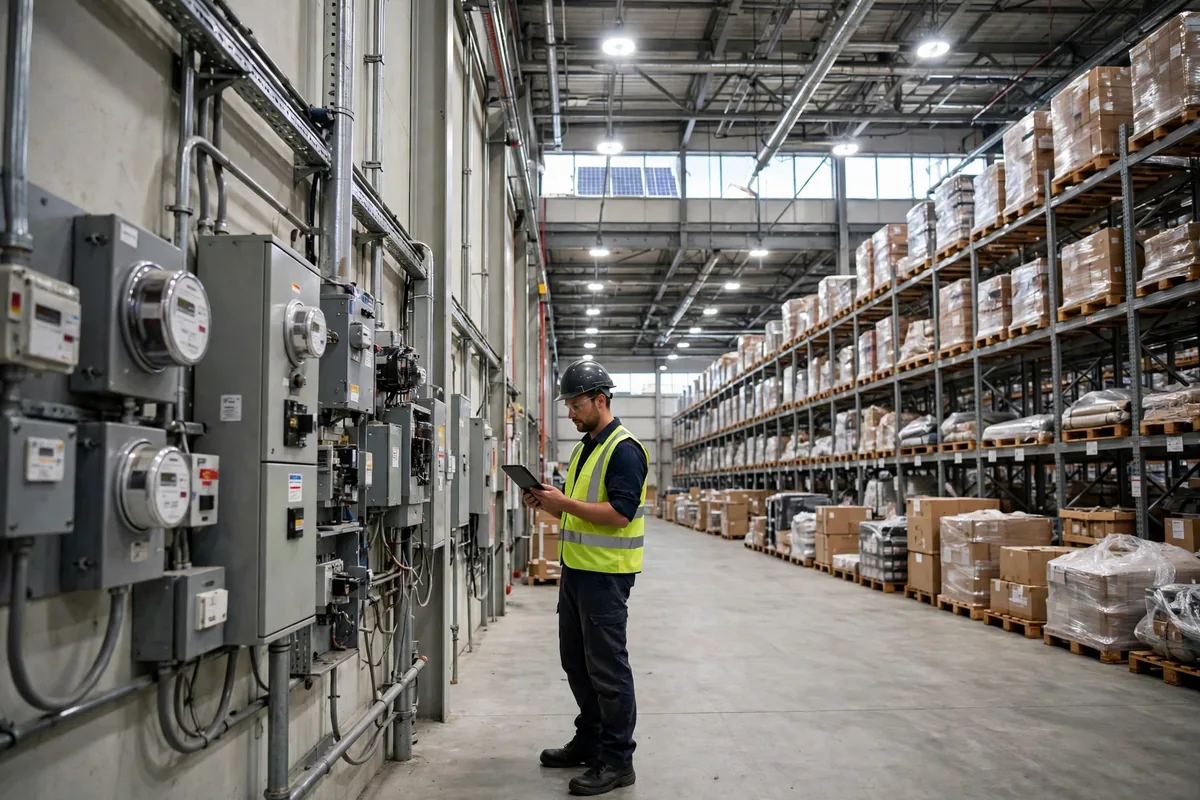
The second is lockout-tagout and unexpected machine startup. A new worker sees a conveyor stopped, assumes it is safe to clear a jammed box, and reaches in just as someone upstream presses start. This is the most unfair kind of accident, because the prevention is written down in plain language: no authorization, no training, no lock, no touch. Day one must teach one iron rule: a machine you have not been trained on is off-limits even when it is stopped, and a lock someone else put on is never yours to remove.
The third is lifting, slipping, and twisting. A new worker tries to match a veteran's pace, lifts a box that is too heavy, or runs between tasks, and steps on loose stretch film nobody cleared. The injury looks small. The claim and the lost shifts are not small at all. Day one has to cover lifting posture, weight limits, walking instead of running, and clearing the floor before working. These sound like obvious advice. To a person on their first day, they are everything.
Why is day one so dangerous? One figure helps explain it: research from the Institute for Work & Health (IWH) found that the workers' compensation claim rate in the first month on the job was more than three times the rate for workers with more than a year on the job. That is a general pattern, not one warehouse's bad week. New workers are not careless. They are unfamiliar. Unfamiliar people doing familiar work will have more accidents. That is the trade-off.
The Math for Seasonal Temporary Workers: Saving Training Time Versus Paying for One Accident
Let me do the math. The numbers below are an illustrative scenario, not a real quote. The point is to see the trade-off clearly.
Suppose a peak season brings in 50 seasonal workers, and you cut onboarding training from 30 minutes to 10 minutes per person. On paper you save 20 minutes times 50 people, more than a thousand minutes of labor. That looks like real savings, right? Now run the other side. One accident means a work stoppage, an investigation, medical care, an incident report, an insurance claim, an entry in the OSHA 300 log, hours from supervisors and HR, and retraining for the rest of the seasonal crew. Which side is bigger? You do not need me to answer that.
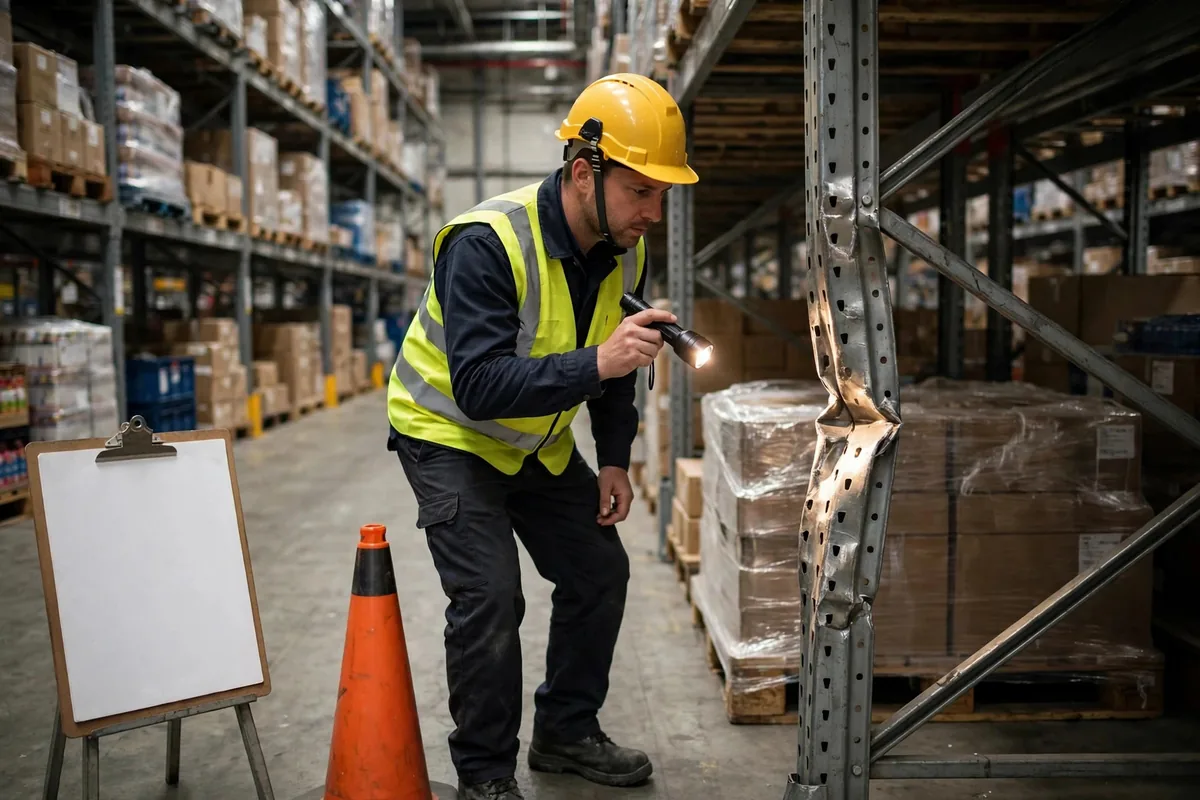
There is also a compliance bill. The OSHA 300 injury and illness log must be kept for five years. Whose log does a temporary worker's accident go on? The host and the agency both need to know. The log is not decoration. It is one of the first things an inspector asks to see. Missing entries, wrong classifications, and accidents that both sides assumed the other side recorded are how a compliance gap is born. If nobody records it, it is as if it never happened — until the inspector finds out it did.
So my rule has always been simple: no volume targets on day one. Day one does three things only: walk the site, learn the restricted zones, and practice the basic moves. Production targets start on day two. Somebody will say that wastes a day of capacity, and peak season has no time to waste. I say the biggest waste of time in peak season is one avoidable accident. Half a day stopped, replacement workers, replacement orders, and retraining cost far more than whatever day one would have produced.
One more word for whoever builds the schedule: do not put all the new workers on the same shift in the same zone. Keep the ratio of veterans to newcomers workable. One veteran can properly guide two newcomers at most. More than that, and the guidance is guidance in name only. Peak season is genuinely short of people. Filling the gap with safety is false economy.
Can you say, right now, what the first batch of seasonal workers who walked into your warehouse this peak actually learned on day one? If you cannot, then start with the next batch, and treat day one as the most important day on the schedule.
By Lao Mi, Supply Chain Veteran (20 yrs)