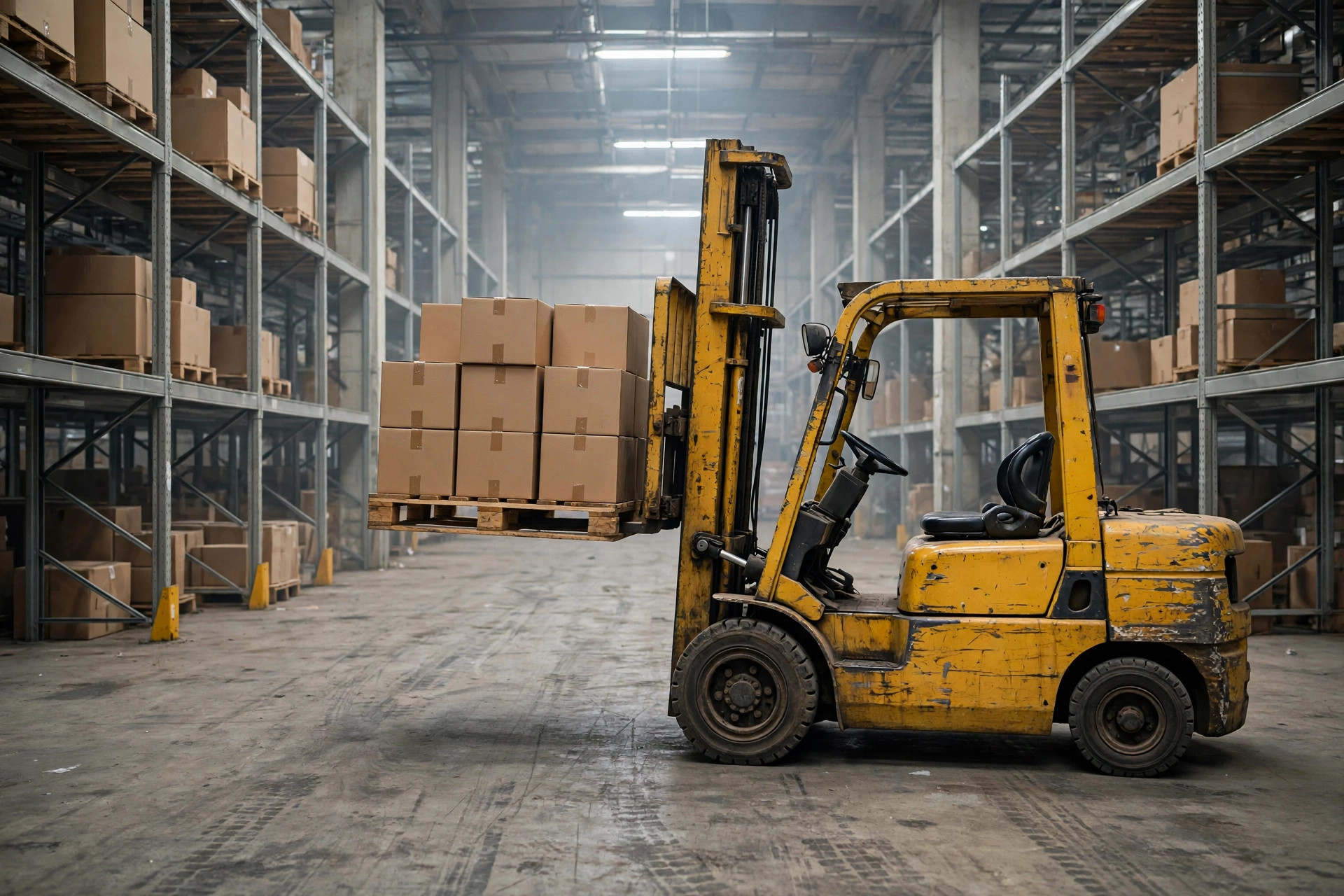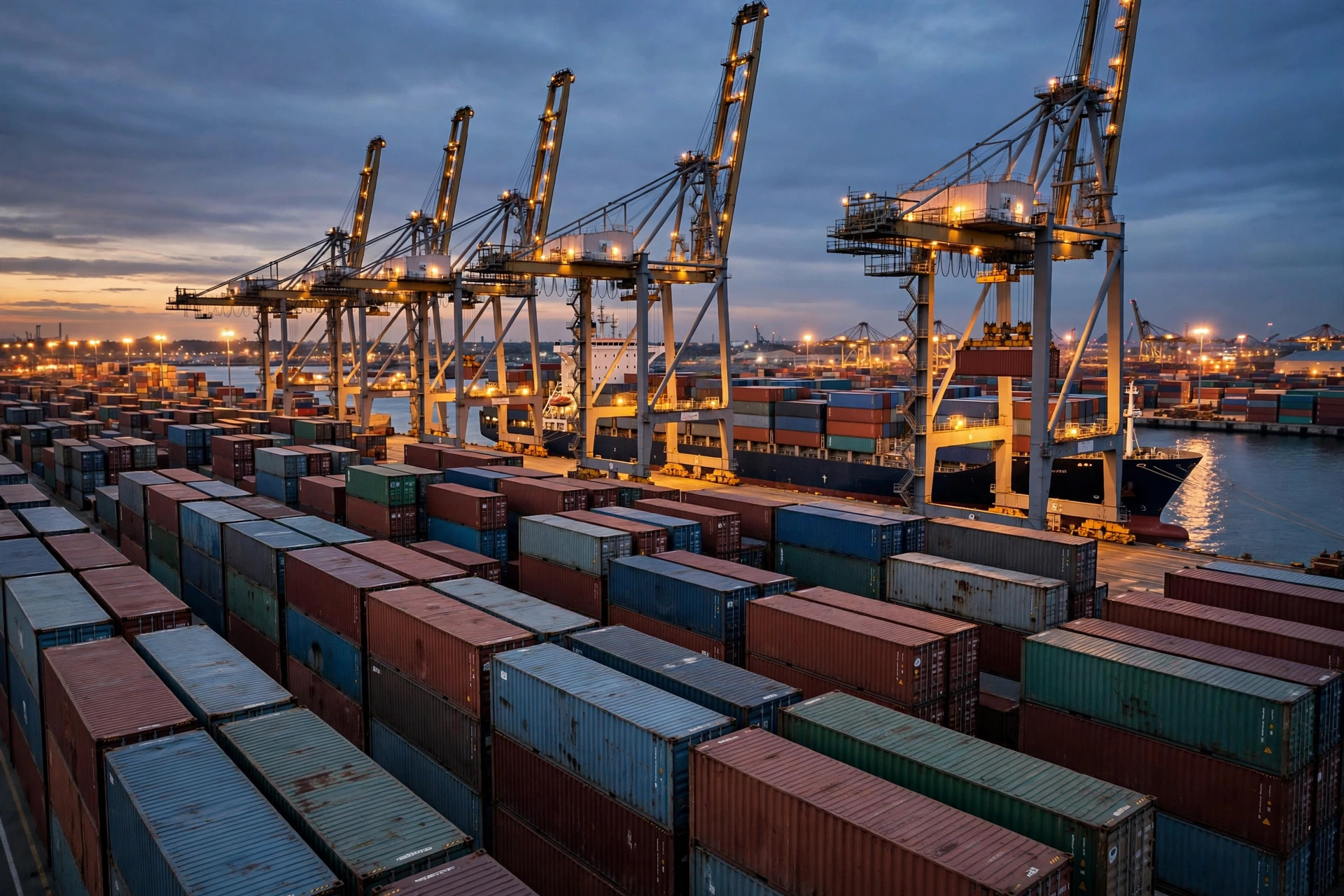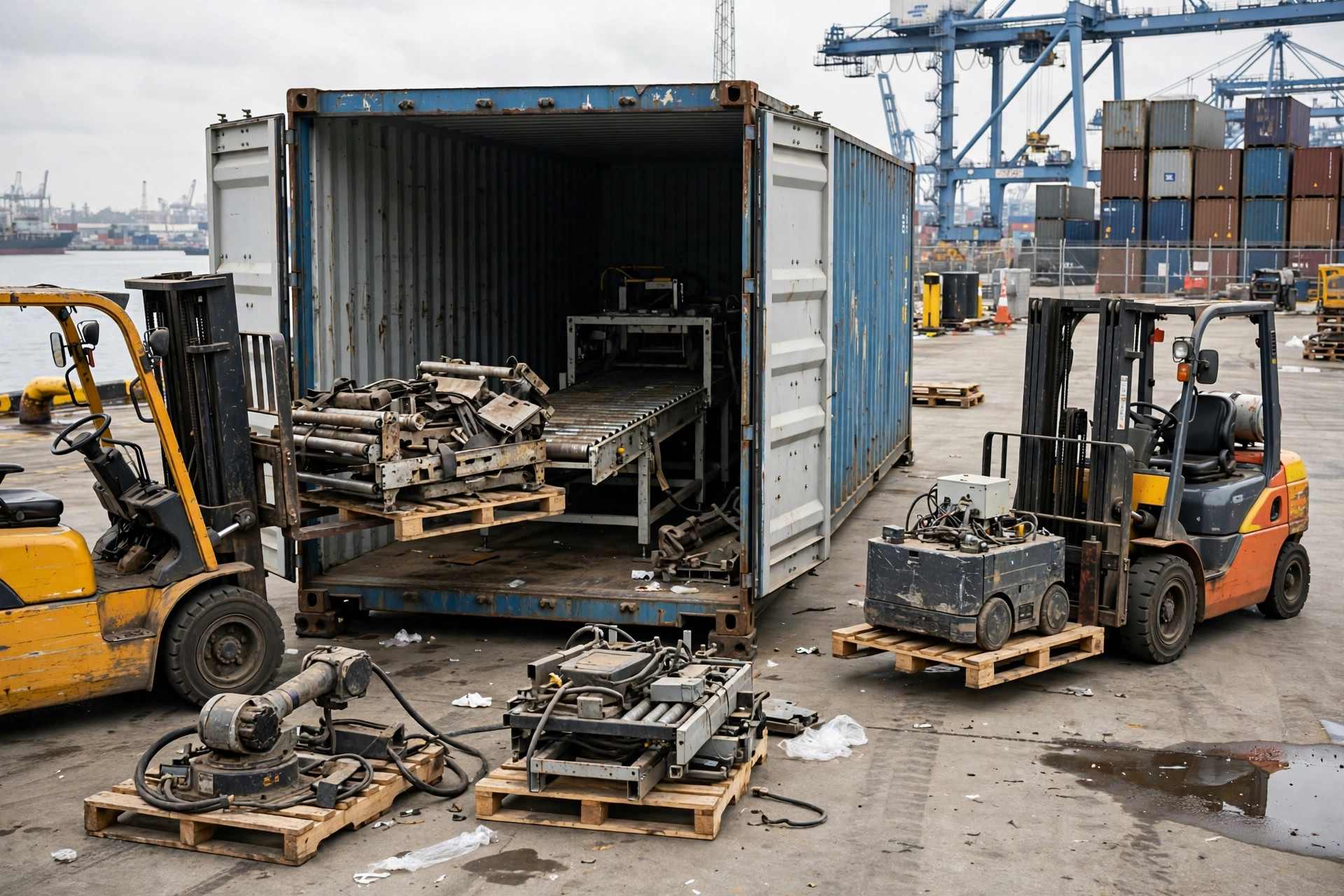
We had a client last year who went all in on importing used warehouse automation equipment — a full used conveyor line from a bankrupt e-commerce warehouse in Germany, four or five 40-foot containers' worth, at less than 40% of the new-equipment quote. The client (bless them) figured they'd found the deal of the decade — signed, paid in full, and waited for the boxes to land.
Then the cargo hit the Port of Long Beach, and CBP pulled two of the four containers for exam — open, photograph, check the nameplates — and the boxes sat for the better part of two weeks. What came after was a chain of three: first, CBP decided the declared value was too low and demanded payment records and auction documentation. Second, a few scanners with wireless modules had no FCC paperwork. Third, the demurrage and exam-fee bills arrived before the equipment ever left the port. That "bargain" cost several thousand dollars extra in landed cost, and the project slipped a full month.
After signing over a hundred warehouse contracts, I've learned that nine out of ten buyers of used equipment only budget for one line item — the purchase price. The customs exam, the valuation fight, and the certification re-testing? Nobody budgets for those in advance. Today I'm laying out all three, plus a little insider knowledge that usually stays on our side of the table.
Why customs always pulls your container when you're importing used equipment
Here's the counterintuitive part: CBP gives used equipment far more "attention" than new equipment. Used goods just come with three traits that make customs officers twitchy.
First, messy product descriptions. Four containers of conveyor sections, scanners, control cabinets, motors, sensors — list too many line items and the entry looks padded; list too few and it looks like you're hiding something. Second, valuation is a guessing game: CBP's system has no "used price" field, so it benchmarks against comparable new goods. Third, murky origin. Used equipment changes hands — that line bought from a German warehouse might have nameplates that say made in China, and origin is determined by where it was manufactured, not where you bought it. That detail comes back to bite when we get to Section 301.
So the exam rate for used imports is naturally higher than for new equipment. The fix is exactly one thing: build your document package before the cargo lands. Commercial invoice, packing list, payment records, photos of the equipment nameplates, the previous owner's purchase contract — hand everything to your customs broker for a pre-review before arrival. If you get pulled for exam, don't panic: exam fees and demurrage are published costs, so keep a contingency in the budget. The dangerous ones spent every dollar on the purchase price and kept zero in reserve — one week at the port and cash flow starts sweating.
You say $80k, CBP says $150k: the depreciation valuation game
Trap number two: valuation. A lot of buyers assume that declaring the depreciated price is just common sense. I paid $80k, I declare $80k — what's the problem?
The problem is that CBP works on transaction value — the actual price paid — but "actual" has to be proven with a paper trail. CBP's logic is brutally simple: comparable new equipment sells for $150k, you paid $80k, where did the difference go? Normal depreciation, or did you and the seller agree to lowball it? You say "used discount" — fine, show me the evidence: auction records, broker contracts, bank payment slips, the previous owner's original purchase invoice. The more complete the chain, the less CBP bothers you.
Here's the insider part: in used-equipment deals, the most common issue isn't undervaluation — it's "can't explain it." Private negotiation, verbal agreements, the balance paid in several wires, part of it booked as service fees — all normal in the used market, and every unexplained dollar looks suspicious to CBP. I handled a case where the invoice amount didn't match the actual payment — off by less than ten percent. CBP treated it as a misdeclaration: supplemental filing, back duties plus interest, and a mark on the record. When importing used equipment, the valuation game isn't won on price — it's won on the paper trail.
And one more warning: never just make up a number. Some middlemen will tell you "CBP can't check used goods, declare low and save on duty" — that's them walking you into a trap. Get caught and you get the full trio: back duties, penalties, and the watch list. One compliant path exists: declare truthfully, with a complete evidence chain.
The certification trap: FCC, UL — missing either one can stop you cold
Trap number three: certification. Equipment coming out of a European warehouse was certified under CE; US customs and regulators play by a different book.
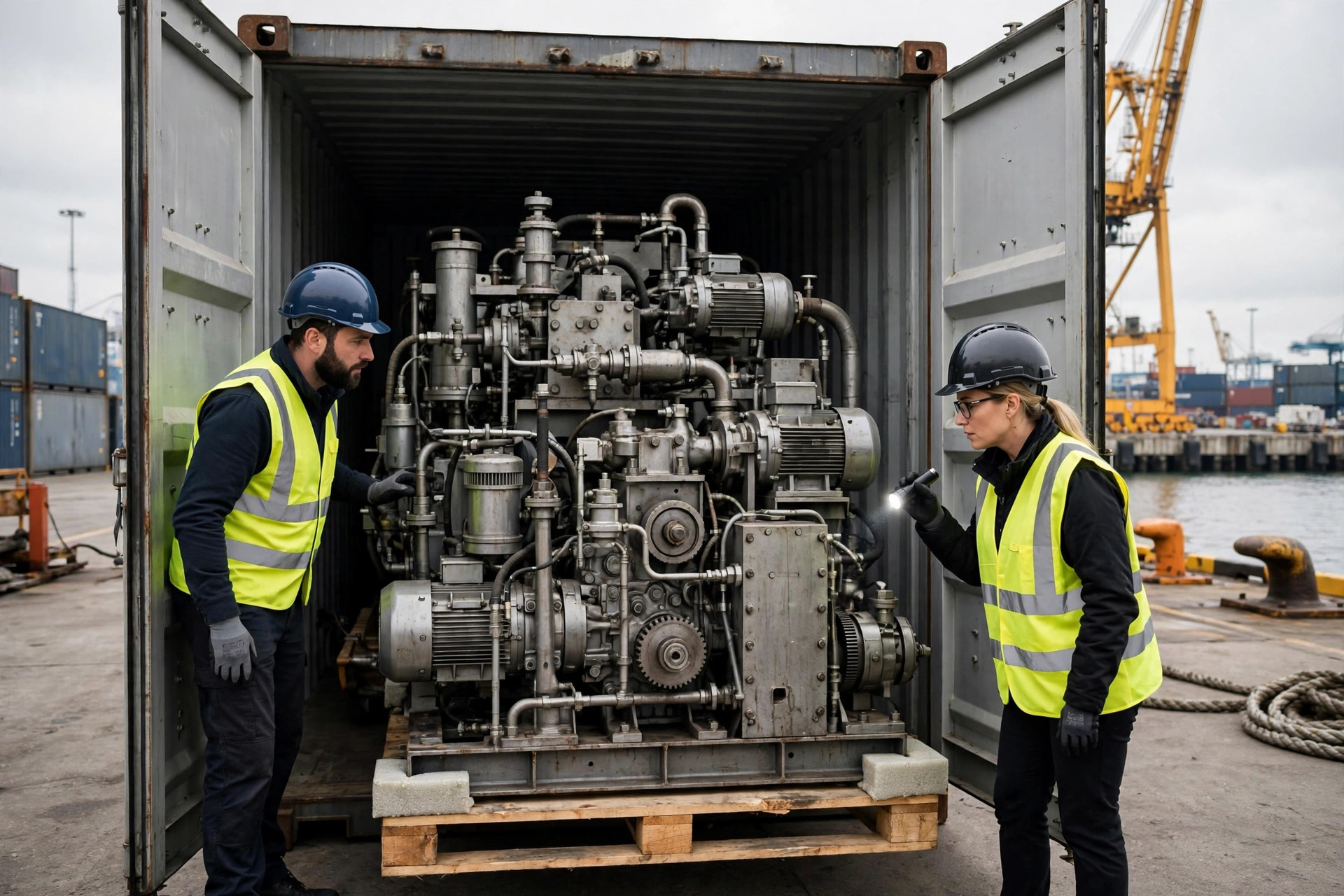
The most common tripwire is the FCC. Any wireless module — Bluetooth on a scanner, Wi-Fi on an AMR — in theory needs to meet FCC requirements, with a Supplier's Declaration of Conformity on file. The previous owner was a European company: plenty of CE paperwork, zero FCC documents. So what now? Re-test at a US lab — timeline measured in weeks, cost per item. Get the lab's quote and timeline before you order, and write that money and time into the project plan. Don't wait until the cargo is at the port.
What about UL? UL listing is voluntary — CBP doesn't require it — but your landlord, your insurer, and your fire inspection might. Plenty of buyers only discover this when the inspector asks "is this control cabinet UL listed?" after everything is installed. The fix for this one isn't at import — it's at purchase: before buying, ask the seller for photos of the nameplates and certification labels, and have your electrical engineer take a look. EPA, briefly: electric conveyors and sorters generally aren't in scope; it's diesel generators and fuel-powered equipment you need to check, per EPA's current published requirements.
One more piece of insider knowledge: some sellers will tell you "this batch already entered the US before, so certification must be fine." Having entered before does not mean the certifications were complete — maybe nobody checked. Certification paperwork is about paper, not promises. Until you've seen the documents, budget as if they don't exist.
Used import vs. buying new domestically: the landed-cost math
Buyers always ask me: "Susan, is importing used equipment actually worth it?" Fill in this table first, then decide.
| Cost line | Used equipment import | New equipment, bought domestically |
|---|---|---|
| Purchase price | Low — roughly 30–50% of new, depending on condition | High |
| Ocean freight + insurance | Yes — several containers, priced per box per lane | None — domestic delivery |
| Duties (incl. Section 301) | Assessed by country of origin; used gets no discount — check the official schedule for current rates | None |
| MPF / HMF and other fees | Per CBP's published fee schedule | None |
| Exam risk cost | High — used cargo gets examined more often; demurrage + exam fees are on you | None |
| Certification re-testing | May need FCC re-testing, timeline in weeks | Factory paperwork complete |
| Installation + spare parts | Seller usually walks away; spares come from cannibalized units or third parties | OEM service + parts supply |
| Warranty | None or very short | Typically one to two years |
| Remaining life | Depends on how hard the previous owner ran it — take "only used three years" with a grain of salt | New, full design life |
The usual conclusion: landed cost for a used import comes in far above the "purchase price." Forty percent off at purchase can shrink to ten or twenty percent off at landed cost — for equipment with no warranty, sketchy parts availability, and discounted remaining life.
That's the trade-off I most want you to take from this piece: importing used is a bet that total landed cost is still meaningfully lower, and the stake is risk plus lifespan. If you're a small warehouse tight on cash with a project that can't wait, used may be your only realistic option — then budget the risk items in advance. But if the math shows only a ten-to-twenty-point gap, take it from me: the headaches a domestic new unit saves you are worth the difference.
Next time you buy used equipment, ask these three questions
At the negotiating table, what wins isn't tactics — it's the right questions. Next time you're tempted by a used-equipment deal, get these three answered before you sign, and attach the answers to the contract:
One: "What is the actual country of origin? Where did the previous owner buy it, and do the documents still exist?" — This decides whether Section 301 duties apply and how much, and whether you'll have an evidence chain when CBP questions valuation. If the origin story doesn't hold up, walk away no matter how cheap it looks.
Two: "Does the previous owner have the FCC and UL paperwork? If not, who pays for re-testing, and how many weeks does it cost?" — Certification is the most common budget-buster in used imports. Ask early, write it into the contract, and make the seller's cooperation on documentation a contractual obligation.
Three: "Is the paper trail for the purchase price complete? Can I get the auction records and payment slips?" — CBP valuation runs on evidence, not words. A "cheap price" with a broken paper trail becomes full price the day it lands.
Importing used warehouse automation equipment through the compliant path is entirely doable — I handle several of these a year, and plenty go smoothly. The smooth ones all share one trait: before signing, the buyer had already budgeted the money and the time for all three gates — exam, valuation, certification. Buy a bargain like a bargain — just don't buy one like it comes with no price tag.
By Susan, 3PL Sales Director