Here's my verdict up front: the same piece of equipment can cost one importer hundreds of thousands of dollars more in duty per year than another — not because the tariff schedule changed, but because nobody asked "what is this thing, for customs purposes?" when the product was being designed.
That question is the whole game of tariff engineering. The name sounds fancy, but the idea is blunt: figure out Harmonized Tariff Schedule (HTS) classification during product design, and use a legitimate product definition to land in a better duty bucket. I've watched too many companies treat duty as an "uncontrollable cost" line in the budget and just eat it every year. Here's the thing most people get backwards — customs classifies the physical thing. You design it one way, it gets one tariff number. Trying to get cute on the paperwork to "optimize" the rate isn't tariff engineering. That's misdeclaration, and when it gets caught, the penalties dwarf whatever you saved.
The costs first — because there are always costs
I always talk trade-offs cost-first. Tariff engineering has three real costs, and I'd rather you see them before the upside.
First, the design has to change. Engineers hate hearing "redesign it for customs." It feels like a distraction, and it can stretch the development cycle by two to four weeks. Second, the supply chain has to cooperate. Shipping a machine as parts instead of a complete unit means reworking factory packing, shipping cadence, and U.S.-side installation, commissioning, and spare parts management. That's not a paperwork tweak — it's operational surgery. Third, you need professionals. A classification analysis plus a binding ruling application with Customs runs several thousand dollars a pop, and there's no guarantee of a favorable outcome. Sometimes that money is just tuition.
With those costs on the table, here are two cases — one I lived through, one that's public record.
The mistake I watched: two years of overpaid duty on complete machines
In 2019, a Guangdong-based supplier of sortation conveyor equipment — selling into U.S. automation integrators — was importing through the Port of Los Angeles, several million dollars in annual import value. They shipped complete machines: control cabinets wired, motors mounted, cables connected. Land it, commission it, done. Customs classified the shipment as a complete conveyor system, correctly — because that's what the physical goods were.
Then they did a duty cost review and brought in a classification specialist. The finding stung: if the factory broke the same shipment into frames, motors, and control cabinets — imported genuinely as machinery parts — the applicable duty rate would have been several percentage points lower. Several points times several million dollars of annual import value equals several hundred thousand dollars a year. They'd been overpaying for two years.
Why did nobody catch it? Because design, procurement, and trade compliance were three separate tribes. Engineering liked complete-machine shipping because it was easy. Procurement cared about lead time and price. Trade compliance could only declare what showed up at the port — and by then it was a complete machine. No broker on earth can lower the duty on that. The rate wasn't set at the moment of filing. It was set in the design review, months earlier.
The classic play: a jacket redesign that saved seven figures a year
The second case is public record. Around 2009, Columbia Sportswear realized that certain jackets, if they met the definition of "workwear," would classify under a tariff number with a rate several points lower. So the design team modified the pockets — added tool-pocket features that genuinely satisfied the workwear definition. Same jacket, same function, one extra design decision. The classification changed, and the annual duty savings ran into seven figures.
Automation has plenty of equivalents. An industrial handheld: ship it as a "barcode scanner" versus a "portable terminal with data-processing capability," and you may be looking at entirely different classifications, with the duty gap potentially doubling. The difference is real product functionality — an independent compute unit that runs applications — not a relabeled box. That line, between a genuine design choice and a paperwork fiction, is the entire difference between tariff engineering and fraud.
Tariff engineering in practice: three steps, one red line
Step one: put classification on the agenda at product kickoff. Add one question to the design review — what HTS number will this most likely land in at import, and is there room, through legitimate design choices like splitting into parts, adding functions, or changing materials, to qualify for a better one? And verify every rate against the current HTS on the official site. Never trust anyone's memory of "this number is X percent" — the schedule changes.
Step two: get a professional classification analysis, and for key products, apply for a binding ruling from Customs. Get the written determination before you ship at volume. Several thousand dollars buys you years of certainty. Declaring under a favorable number at scale without a ruling is flying blind.
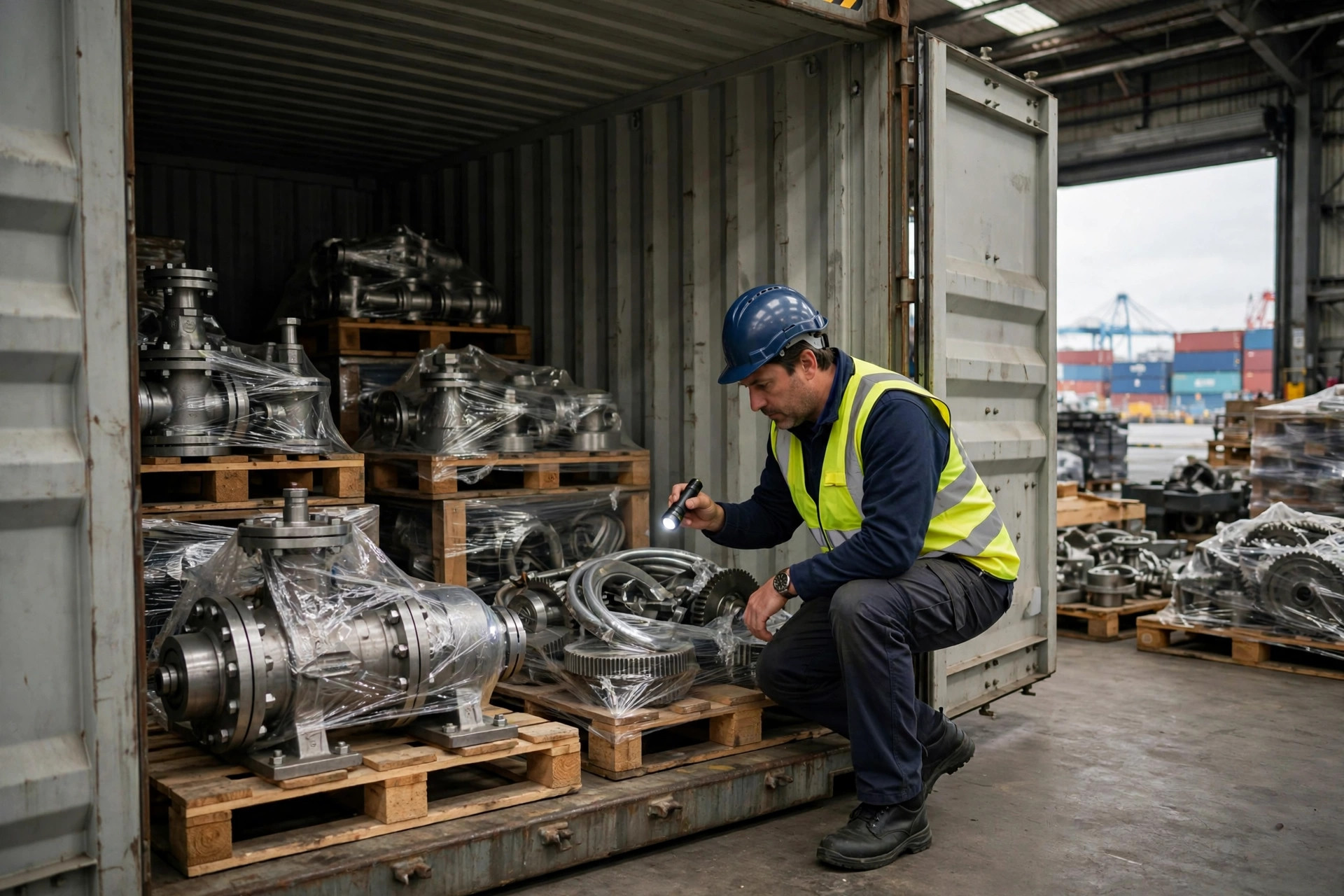
Step three — the red line: every change must be real and substantial. Parts shipped as parts means the goods genuinely arrive as parts and genuinely get assembled stateside. An added function must be a real, working function. When Customs opens the container, they look at the goods, not your slide deck. Shipping a complete machine to Long Beach, stripping the packaging, and pretending it's parts? That's not tariff engineering. That's misdeclaration, and one inspection can claw back years of savings plus your credibility.
Now the math, so you can judge whether it's worth it: a few percentage points of duty difference, times several million dollars of annual import value, equals several hundred thousand dollars saved per year. That money funds a small U.S. field engineering team to handle the local assembly that parts-based importing requires — with change left over. The ROI isn't the question. The question is who owns it.
So here's my advice, and it's one sentence: give trade compliance a seat at the next design review. Duty can genuinely be engineered out on the drawing board — the legal kind, the kind Customs can't argue with.
By Lao Mi, Supply Chain Veteran (20 yrs)