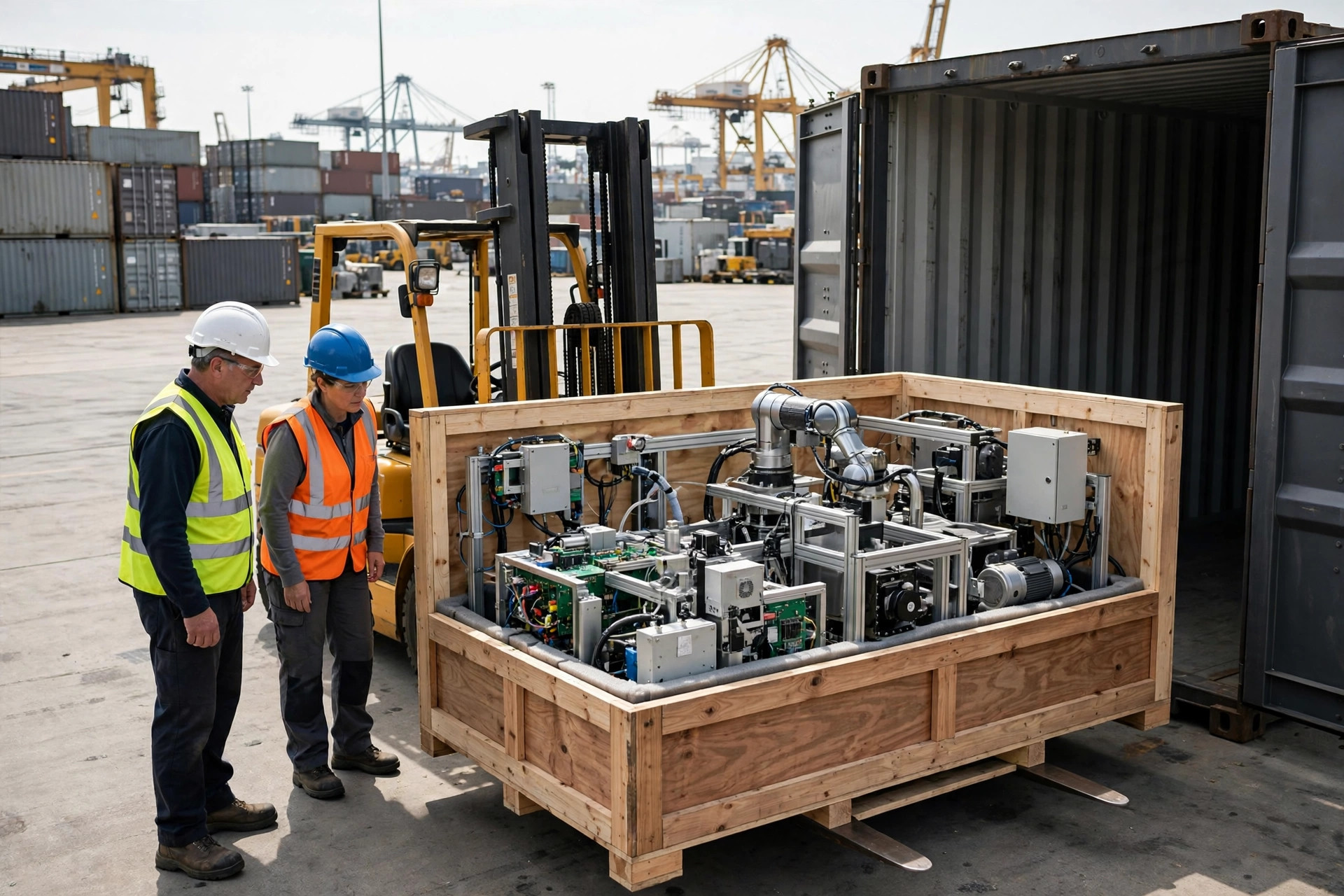
I had a client — a smart-home gadget importer, ships out of Shenzhen, main DC in Dallas, selling on Amazon and his own site. He called me a while back and said, "Susan, duties are killing me. One container, $450K in goods value, 25% duty — that's over $110K to Customs on day one, before I've sold a single unit. Is your foreign trade zone warehouse actually worth it, or is this just another line item?"
Fair question. I walked him through three numbers, and the third one made him laugh. Here they are, exactly as I gave them to him. Because here's the thing about foreign trade zone warehouse importer benefits: they're real, but how it works is not what most people think — and whether it's worth it depends entirely on what kind of importer you are.
Number one: duty deferral buys you cash flow, not a discount
An FTZ (Foreign Trade Zone) is a federal program that's been around since 1934, with nearly 200 active zone projects across the US today. The core mechanic is one sentence: admitting goods into an FTZ is not an import. Duties are owed only when the goods leave the zone and enter US commerce.
That is deferral, not exemption. And compared to a regular bonded warehouse, an FTZ has two hard advantages: a bonded warehouse caps storage at 5 years per CBP rules, while an FTZ has no storage time limit; and an FTZ allows sorting, labeling, kitting, even manufacturing inside the zone — a bonded warehouse doesn't.
What did that mean for my client? One container, $450K value, 25% duty rate: $112.5K. Normal warehouse: pay it at arrival. FTZ warehouse: pay nothing until the goods ship out to customers, maybe three months later. That $112.5K sits in his account for a quarter. Multiply by dozens of containers a year, factor in his cost of capital, and the cash-flow savings dwarf the warehousing premium.
Procurement folks always ask me: how much does deferral actually save? Honest answer: it saves time value, not the duty itself. If the goods enter the US market, you pay every cent. But anyone who's imported knows — running out of cash kills you faster than paying duty. The bigger your volume, the better this math gets.
Number two: how it works has a twist nobody talks about
Here's the counterintuitive part. Most people assume the biggest foreign trade zone warehouse benefit is duty deferral. Wrong. For pure distributors who don't manufacture, the largest savings usually isn't duty at all — it's a fee most importers have never heard of: the MPF, the Merchandise Processing Fee.
CBP charges MPF on every formal entry: 0.3464% of cargo value, with a floor and a ceiling. Under the FY2027 schedule effective October 1, 2026: minimum $34.58, maximum $670.86 per entry (per the CBP Federal Register fee adjustment; always confirm current rates on cbp.gov). Yes — up to $670+ on a single entry.
Normal importing: one container, one entry, one MPF. My client ran about 40 containers a week — roughly 2,000 entries a year, nearly every one hitting the $670.86 ceiling. That's $1.34 million a year in MPF alone.
The FTZ has a beautiful mechanism called weekly entry: everything withdrawn from the zone in a calendar week gets consolidated into a single entry, with a single MPF. Fifty-two weeks, max 52 entries a year. 52 × $670.86 = $34,885. Annual savings: roughly $1.3 million.
That is the real importer benefit of a foreign trade zone warehouse for high-frequency importers: MPF drops from $1.34M to $35K. Deferral is nice. Weekly entry is the actual money. In fifteen years of 3PL sales, I've watched client after client walk in chasing "duty deferral" and discover the MPF math was the bigger prize all along.
Two bonus benefits worth using as negotiation leverage: goods re-exported from an FTZ owe zero US duty, and scrap or waste destroyed inside the zone is duty-free too. Also, inventory held in an FTZ is exempt from state and local ad valorem property tax — in a high-property-tax state like Texas, that line item is real money.
Number three: the inverted tariff play for manufacturers — and the trap
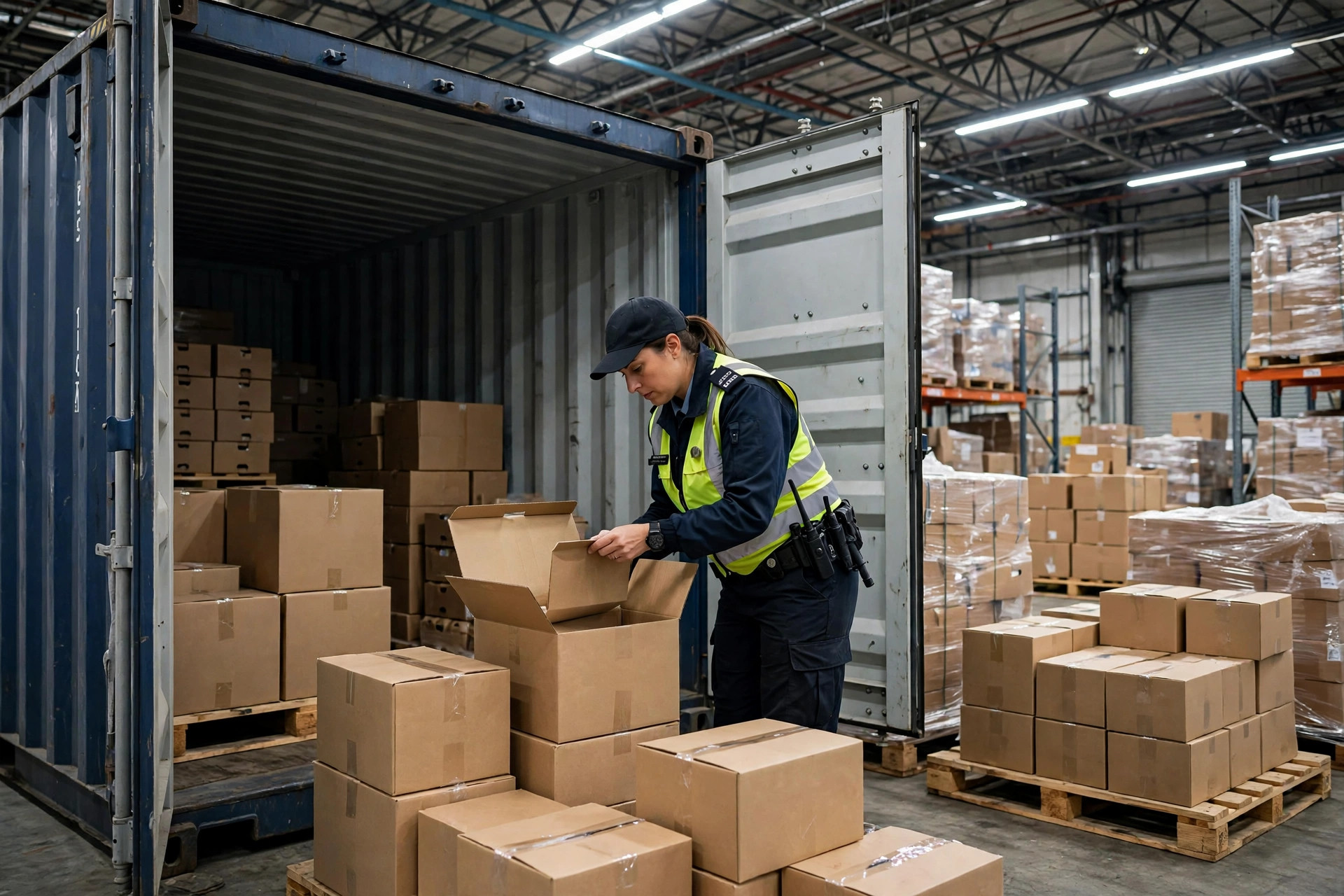
If you don't just store but actually assemble in the US, the FTZ has one more exclusive trick: the inverted tariff. When component duty rates are higher than the finished product's rate, you can assemble inside the FTZ and pay the lower finished-good rate on withdrawal. Example: motor components at 6.5%, the assembled unit at 2.5% (illustrative rates — always check the actual HTS). Assemble in the zone, pay 2.5%.
But here's the trap I have to disclose, because this is the part salespeople skip: merchandise subject to Section 301 or Section 232 additional duties — which covers a lot of China-origin goods these days — must be admitted to the FTZ in privileged foreign (PF) status. The duty rate locks at admission. No inverted tariff benefit on those goods. Before you sign anything, have your broker check whether your HTS codes carry 301/232 add-ons. Skip this step and the whole strategy collapses.
Quick decision framework — three warehouse types side by side:
| Regular warehouse | Bonded warehouse | FTZ warehouse | |
|---|---|---|---|
| Duty timing | Paid at arrival | Deferred, max 5 years | Deferred, no time limit |
| MPF | Every entry | Every entry | Weekly entry, max 52/year |
| In-zone processing | N/A | Not allowed | Allowed, incl. inverted tariff |
| Re-exports | Duty paid, then drawback claim | Duty-free | Duty-free |
| State property tax | Full | Full | Exempt inside the zone |
| Compliance cost | Low | Medium | High (FTZ inventory system + annual reconciliation) |
Three questions to ask before you sign an FTZ warehouse contract
FTZ warehousing costs more than regular storage, and your 3PL will charge FTZ management fees on top. My rule of thumb: under ~200 entries a year, or under ~$500K in annual duties, don't bother — the compliance overhead (FTZ inventory software, CBP annual reconciliation, grantee fees) will eat your savings. High entry counts and high duties? Walk in with confidence.
When you negotiate with a 3PL for FTZ warehouse service, ask these three questions:
One: is the weekly entry filing fee included in the storage rate, or charged per filing? Some 3PLs quote cheap storage, then charge you several hundred dollars per weekly entry filing. Fifty-two filings a year can cost more than the MPF you saved.
Two: has your broker actually filed inverted-tariff NPF elections before? Are they fluent in PF-status handling for 301/232 goods? One question tells you whether they really run an FTZ operation or just rent the sign on the door.
Three: how does your FTZ inventory system integrate with my WMS, and who owns the CBP annual reconciliation — including penalties if the books don't match? Inventory compliance is the biggest hidden cost of an FTZ. One CBP penalty wipes out everything you saved.
My Dallas client moved into the FTZ warehouse. Six months later he told me: $1.3M saved on MPF, nearly $2M freed up in cash flow, and the storage premium didn't even register. But he also admitted: pick the wrong 3PL and an FTZ is just an expensive regular warehouse. Good tool — but it matters who's driving.
By Susan, 3PL Sales Director