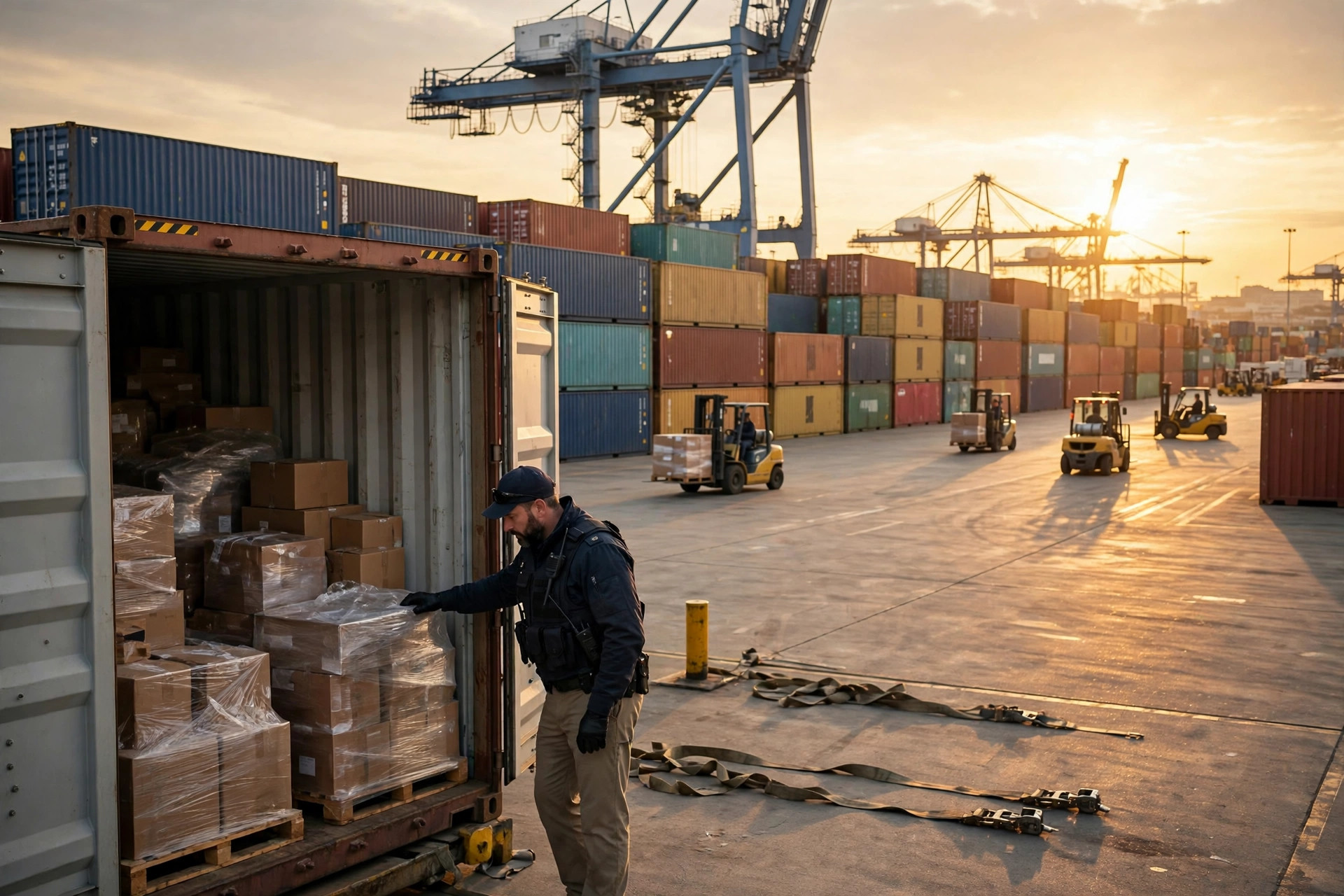
We have a client — a rattan patio furniture importer out of Los Angeles, forty-odd containers a year out of Vietnam. If he'd given himself an import compliance physical a year earlier, he'd never have gotten the six-figure bill that followed. Fall of 2024: a CF-28 from CBP lands on his desk, asking him to justify the HTS classification on his best-selling rattan chair. His broker, cutting corners, had filed it under "other wooden furniture" — the cheaper bucket. CBP said the chair's materials and construction put it in a different classification, several percentage points higher in duty. A few thousand dollars per container, times three years — back duties plus interest, one big ugly number.
He slammed the table in my office: "The broker filed it — why am I the one getting fined?" And I had to give him the line nobody wants to hear: under U.S. law, the importer of record owns the declaration. Reasonable care — 19 U.S.C. 1484 — means the penalty lands on you, not on the broker who typed the number. That's why I nag every client in Q4 with the same line: get yourself an annual import compliance self-audit before CBP gives you one.
The second story is even more typical. Another client imports LED lighting. His Shenzhen factory rolls out a new model with a Bluetooth module — dimmable from a phone app. The broker, being lazy, keeps filing the old code. The product's function changed, so the classification logic should have changed too — a CBP spot check flags it as a misclassification. The owner is baffled: "I just added a feature, and the code has to change?" Yes. Classification is about what the thing is, not what it used to be.
Both stories point to the same thing: classification, valuation, and origin are the three minefields of import compliance — and CBP auditors' favorite hunting grounds. The 12-month self-audit checklist below is the standard playbook I hand every client. Walk through it once, and you'll sleep better all year.
Classification self-audit: your HTS codes are not the broker's problem
Classification is where every duty dollar begins — one wrong digit and your duty rate, antidumping exposure, and Section 301 liability can all be wrong. Most importers assume classification is the broker's job. Here's the insider truth from the service-provider side: brokers bill per entry. Nobody gets paid to re-review your classifications, so nobody does — unless you push.
The self-audit moves are concrete. Every January, pull your full-year import data from the ACE portal and summarize it by HTS code; look for codes whose duty rates seem suspiciously low. In February, re-verify your top 10 SKUs by import value one by one, and get a written opinion from a qualified classifier — a verbal "looks fine" doesn't count, you want it on paper. March is for new and revised products: product changes, classification gets re-examined. That's the iron rule.
Valuation and origin: the two items every compliance physical misses
Valuation is where the deepest holes are, and related-party transactions are the biggest one. If you buy from an overseas affiliate, transfer pricing and customs valuation are two different games — what the tax authority accepts doesn't mean CBP accepts. Royalties and tooling fees paid offshore, the so-called "assists," routinely never make it into the declared value at many companies. CBP finds these every single time. For the current rules, always check CBP's latest published guidance.
Origin is trickier. Assembled in Vietnam, components from China — does that clear the substantial-transformation bar? Against the backdrop of Section 301, the origin determination decides whether you owe additional duties. My advice: do an origin-document sweep every June — are your suppliers' origin declarations still valid, is the evidence chain for substantial transformation complete? When in doubt, search CBP's CROSS rulings database. Don't take a forwarder's word for it.
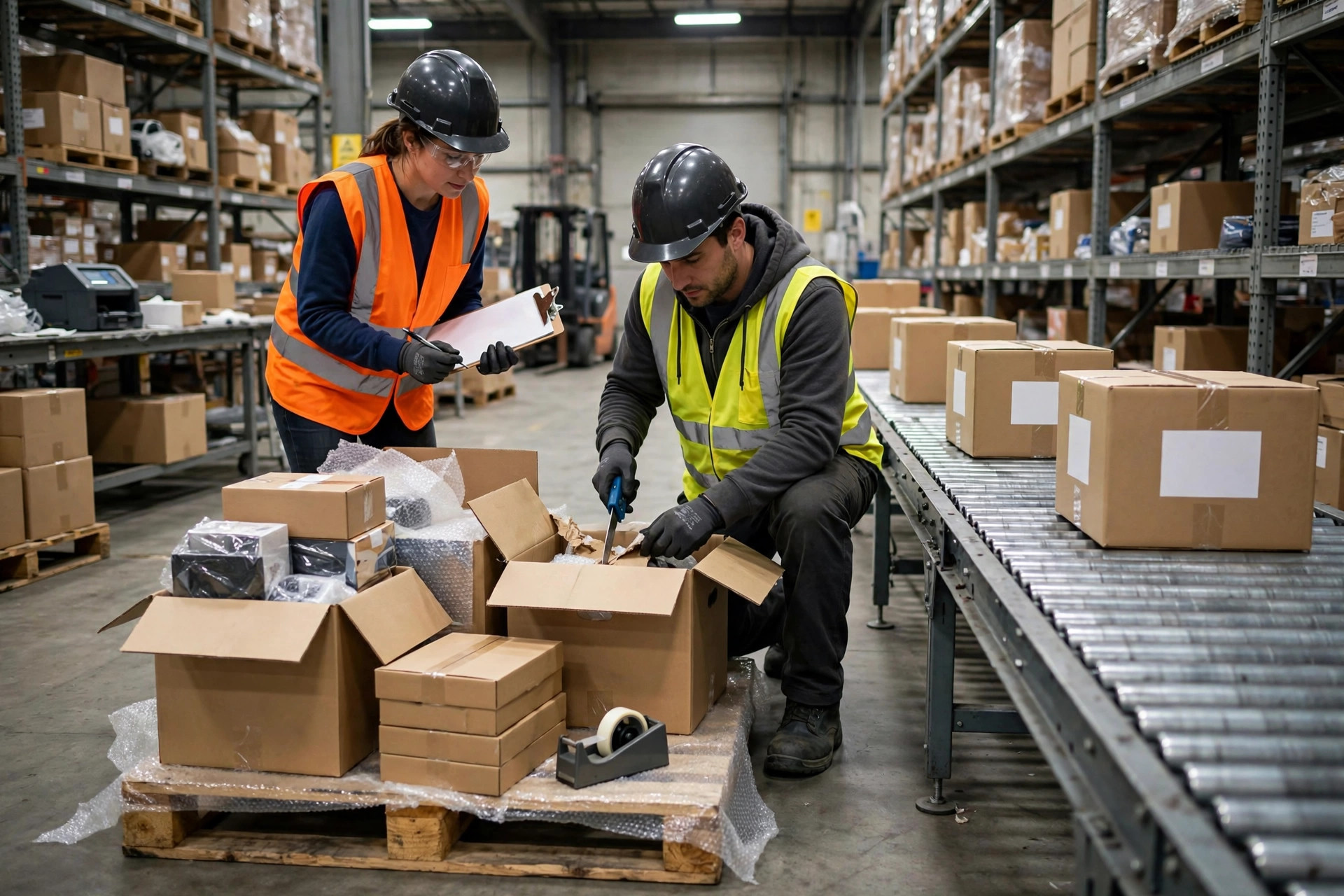
One more thing only the service-provider side will tell you: your receiving records are your evidence chain. In a valuation dispute, CBP wants to see the contract, the invoice, and the payment records line up. In an origin dispute, they want production-process evidence. A good 3PL photographs packing lists and carton marks at receiving, logs exceptions, and files it all by SKU so it can be pulled within days of an audit notice — which is why you should never pick a 3PL on storage rate alone. Evidence-chain capability belongs in the contract.
The 12-month self-audit checklist: your import compliance physical, scheduled
| Month | Self-audit action | Evidence to keep |
|---|---|---|
| Jan | Pull full-year ACE data, summarize by HTS code | Code-by-duty-rate summary |
| Feb | Re-verify top 10 SKUs by value, get written classification opinions | Written classifier opinions |
| Mar | Pre-screen classifications for new/revised products | New-product classification files |
| Apr | Valuation review: related-party pricing, royalties, assists | Valuation memo |
| May | Check freight and insurance allocation methods | Allocation records |
| Jun | Origin document sweep: declaration validity, evidence chain | Origin documentation package |
| Jul | Re-verify preferential-duty eligibility and ongoing origin-rule compliance | Preference qualification records |
| Aug | Spot-check your broker: pull 5 random entries, verify every data element | Spot-check log |
| Sep | Reconcile ACE data against company payment records | Reconciliation notes |
| Oct | Close the loop on past CBP correspondence and corrective actions | Closure checklist |
| Nov | Update the internal compliance manual, train purchasing and logistics | Training records |
| Dec | Year-end review, build next year's high-risk SKU list | Annual review report |
The contrarian take: finding the problem yourself is an order of magnitude cheaper than CBP finding it
A lot of importers treat self-audits as asking for trouble — what if you find something? The reality is the opposite. CBP's prior-disclosure framework means a problem you find and report yourself is handled on a completely different scale than one CBP finds first. You move first, it's a compliance correction. CBP moves first, it's an enforcement action — different penalties, interest, and years of heightened scrutiny. Check CBP's current published penalty framework for specifics.
Do the rough math: having a classifier review your top SKUs and doing one origin-document cleanup each year runs in the low tens of thousands of dollars (billed by workload — get a quote). A single classification audit, by contrast, claws back several years of duty differentials plus interest — six figures is the norm, not the exception. The client-side finance folks can do that arithmetic themselves.
My read: CBP has been steering enforcement resources toward priority commodities and priority origins for years now, and the odds of "betting you won't get picked" get worse every year. Don't bet. Make the physical an annual fixture — it's the same advice I give every client.
Next time you're negotiating a contract, ask these three questions
First, ask your broker: "When was the last time my top-SKU classifications were reviewed — and do I have it in writing?" If they can't answer, switch brokers.
Second, ask your 3PL: "Receiving records, packing lists, origin documents — how many years do you keep them by SKU, and can you pull them within days of an audit notice?" A 3PL doesn't classify, but the evidence chain is the 3PL's job. If that question stumps them, they're a stacking operation, not a partner.
Third, ask yourself: "If CBP asked me to substantiate one entry's valuation tomorrow, could I put the contract, invoice, and payment records on the table within an hour?" If not, start your self-audit with that entry.
By Susan, 3PL Sales Director