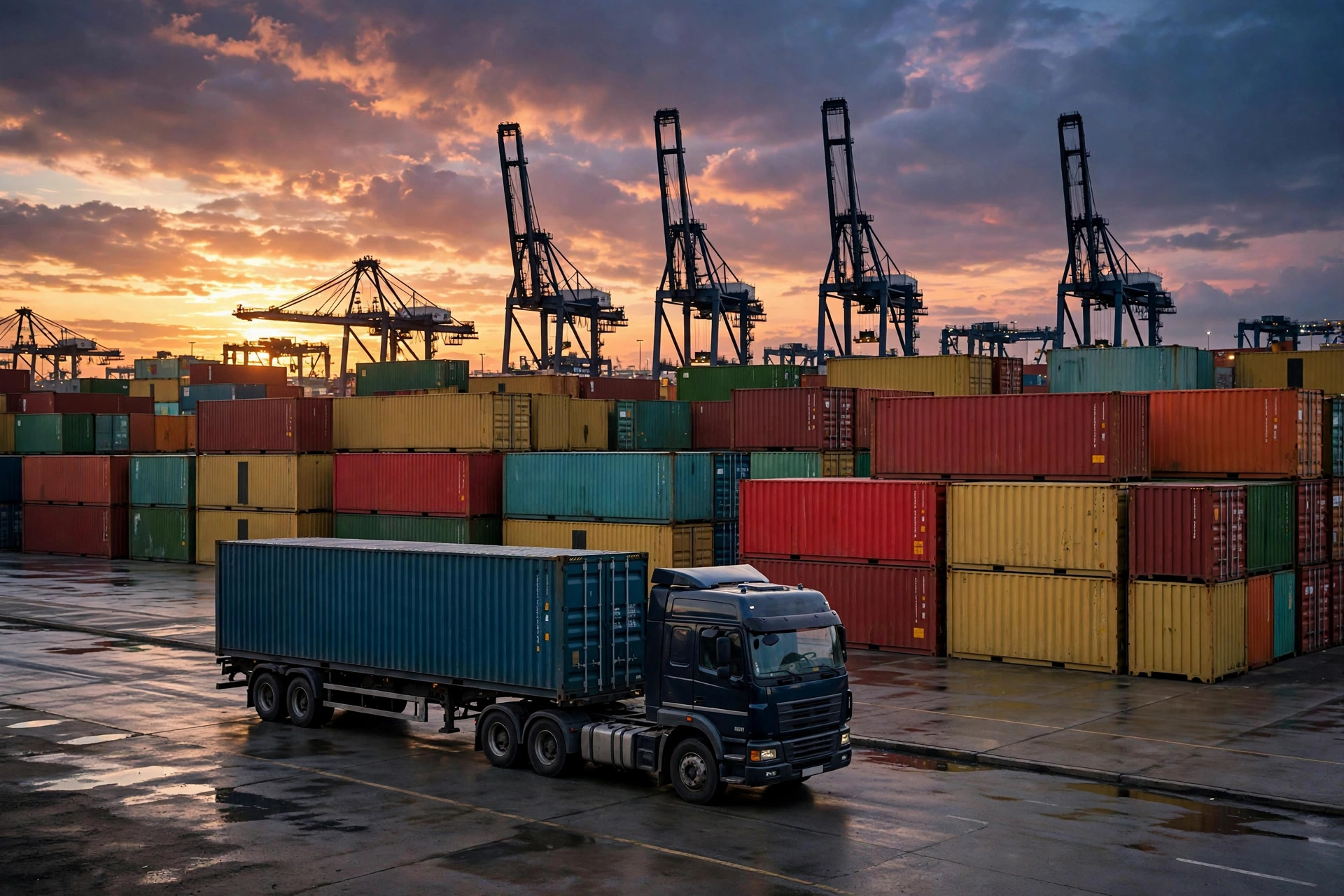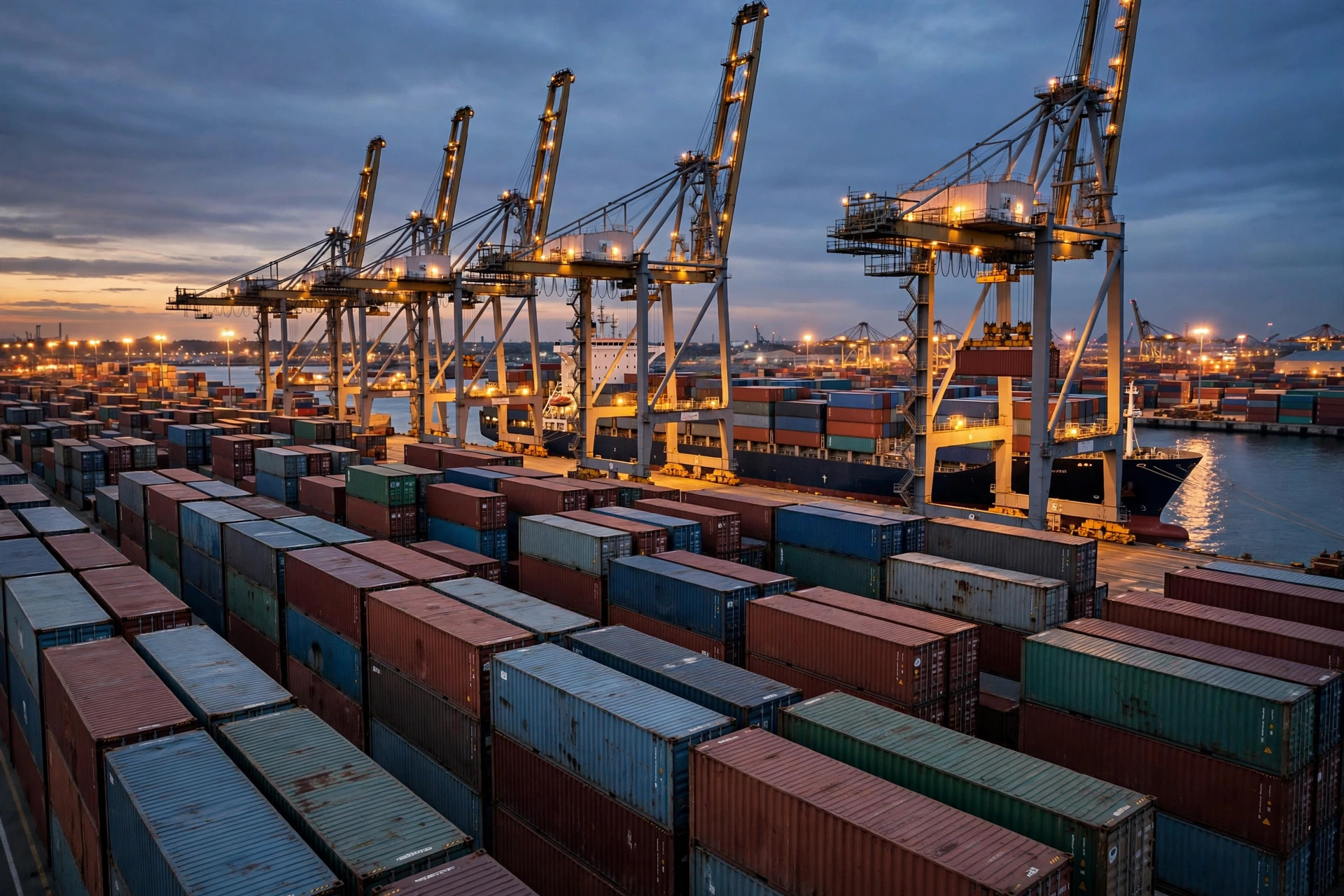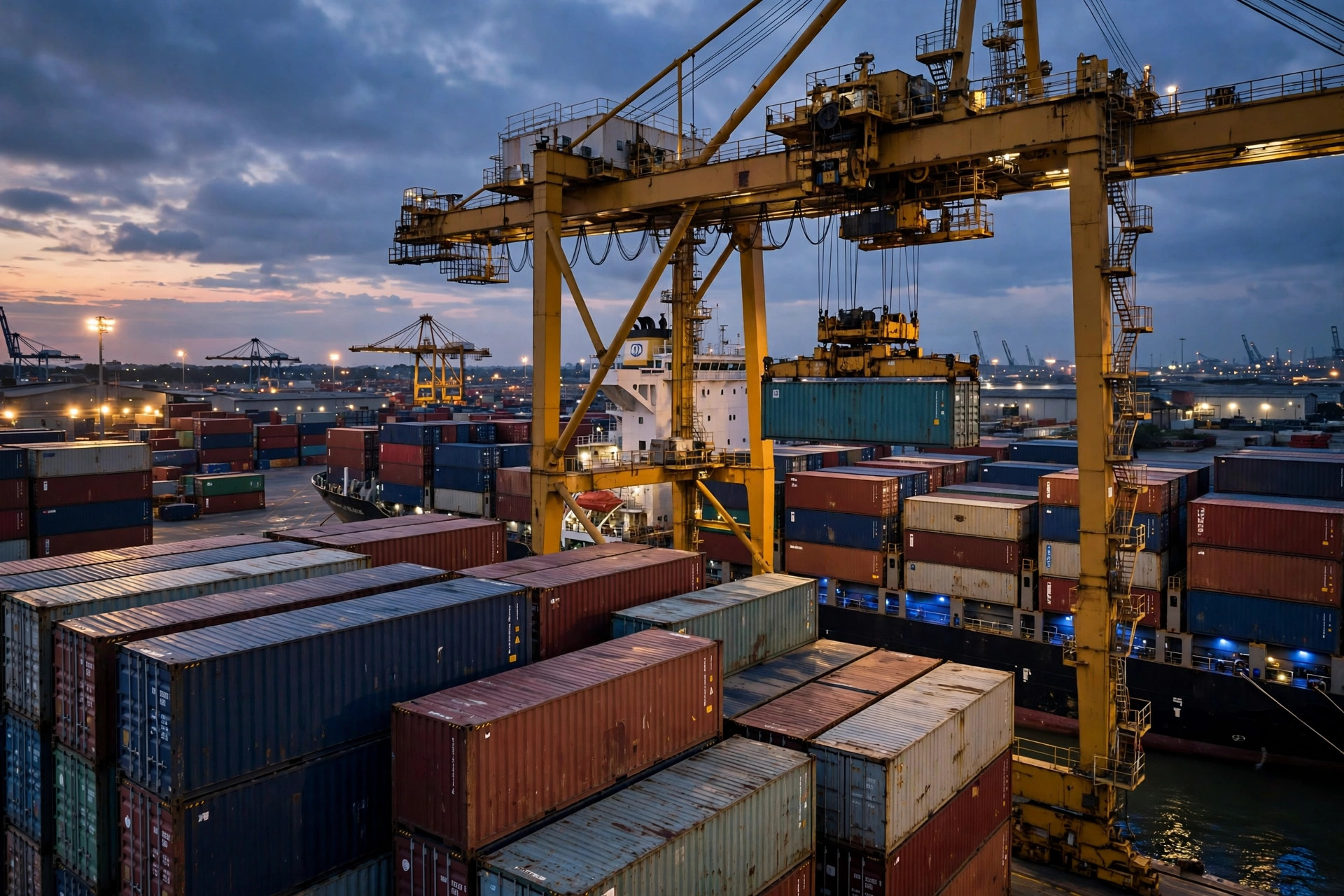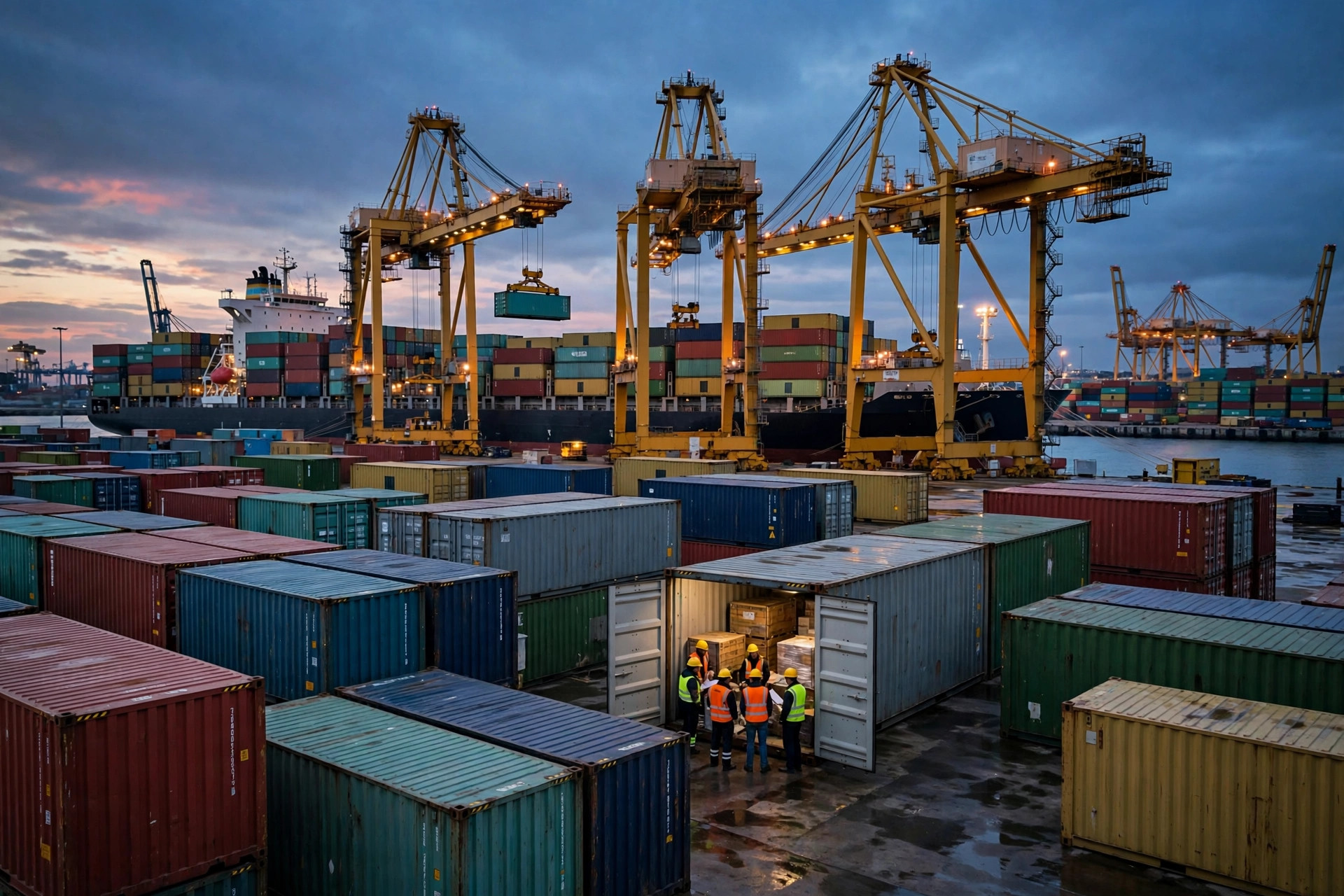
We have a client, let's call him Chen, who exports power tools out of Dongguan. Last fall, he had two 40-foot containers of angle grinders — same factory, same production line — land at the Port of Los Angeles. His broker filed the two containers under two different HTS codes.
When the duty bill arrived, Chen called me, and his voice was shaking. One container got hit with 25% Section 301 duties. The other got 7.5%. Same product, same factory, $600,000 in combined cargo value — and a few digits in the tariff code cost him over $100,000 extra.
"Who do I even complain to?" he asked me.
I said: Chen, there's nobody to complain to. You filed that tax yourself.
The Inside Game: Section 301 Taxes the Code, Not the Product
Most importers think Section 301 is a flat surcharge on "goods from China." It isn't. The USTR listed products one by one, by 8-digit HTS subheading, across four lists: Lists 1, 2, and 3 carry 25%, List 4A carries 7.5%. If your product's code is on a list, you pay. If it isn't, you only pay the normal MFN rate.
Here's the part that bites: the lists are keyed to 8-digit codes, not product names. Two products that look identical to a buyer can land in different lists — 17.5 percentage points apart — depending on which classification logic you used.
That's exactly what happened to Chen's grinders. One classification approach treated them as "electric power tools" and landed in List 3 at 25%. The other approach landed in List 4A at 7.5%. His broker used two different classification rationales on two filings and never noticed the inconsistency.
Do the Math: What 10 Points Means in Real Money
Take List 3 (25%) versus List 4A (7.5%) — a 17.5-point spread. On $1 million in annual customs value:
| Classification | 301 rate | Annual duty (on $1M value) |
|---|---|---|
| Lands in List 3 | 25% | $250,000 |
| Lands in List 4A | 7.5% | $75,000 |
| Difference | 17.5 points | $175,000 |
And that doesn't include the MPF merchandise processing fee (0.3464%) or the HMF harbor maintenance fee (0.125%) on ocean freight. One tariff code decides hundreds of thousands of dollars a year. Importers will fight their forwarder over $200 a container on ocean rates and then leak six figures through a sloppy classification. That's the absurdity only the vendor side ever sees.
The Counterintuitive Truth: A Wrong Code Is Your Problem, Not Your Broker's
This is the line I repeat to every client: your broker saying "no problem" does not mean there is no problem.
U.S. law (19 USC 1484) is unambiguous: the "reasonable care" obligation in import declarations sits with the importer of record — you — not your customs broker. The broker executes the filing based on the documents and the code you provide. If the code is wrong and you underpaid, CBP comes after you for back duties, interest, and penalties. The bill has your name on it, not the broker's.
We had another client, a Shenzhen LED lighting exporter, who ran a low-rate classification for half of 2023 and "saved" tens of thousands. The owner thought his broker had connections. Then CBP audited, reclassified the goods, and every underpaid dollar came back with interest attached. He told me: "I should have just paid it right the first time."

The Self-Check Playbook: Description, Material, Function
There's no magic in classification — just three elements plus three steps. I make every new client's trade compliance contact fill out this sheet before we start working together:
| Check | How | The usual trap |
|---|---|---|
| Product description | State clearly what it does — function determines the chapter | "Looks like" doesn't count; classify by use, not appearance |
| Material composition | Document the metal/plastic/textile breakdown in your spec sheet | Many chapters split by material — change the material, change the code |
| Function and use | Household vs. industrial, powered vs. manual | Same product, different use, possibly different code |
| Cross-check the 10-digit code against the 301 lists | Once the code is set, check whether it's on List 1–4A and at what rate | People check the MFN rate and forget the 301 add-on entirely |
| Product exclusions | Some products have exclusion provisions — approved ones can mean refunds or exemptions | The application window closes before you even think of it |
| Keep the paper trail | File the spec sheet, material report, and classification rationale | CBP asks questions and you have nothing to show |
One more thing to remember: a classification isn't valid forever. After the 2024 USTR four-year review, rates went up again on certain categories — EVs, semiconductors, solar, steel and aluminum, among others. Check the current rates on the CBP and USTR websites; don't rely on figures quoted here. The code may not have changed, but the rate in the list did. If you're still running on a classification memo from three years ago, revalidate it now.
Overpaid? You Can Still Fix It: PSC and Protest
Overpaid duties aren't a lost cause. U.S. importers can file a PSC (Post Summary Correction) within 314 days of import, or lodge a protest within 180 days of liquidation. For Chen's shipment, we brought in a licensed broker, rebuilt the classification case, and recovered part of the overpayment through a PSC. Don't expect to get it all back — which is why I say getting the code right upfront is ten times cheaper than fixing it afterward.
My Negotiation Advice
Next time you're hiring a customs broker, or negotiating a DDP contract with a forwarder, ask these three questions:
First: "What's the 10-digit HTS for my product, which 301 list does it sit on, and what's the chapter note behind the classification?" — If they can't answer, find another broker.
Second: "Is there a product exclusion we can apply for? What's the window and the realistic success rate?" — This one filters out half the brokers who only know how to key in entries.
Third: "Who keeps the classification file, and does the contract spell out who bears the liability for a wrong code?" — Say the ugly part upfront. It's cheaper than fighting about it later.
Here's the bottom line: the tariff code belongs to the importer, not the broker. Spend half a day getting the code right, and it's worth more than a month of haggling over ocean rates.
By Susan, 3PL Sales Director