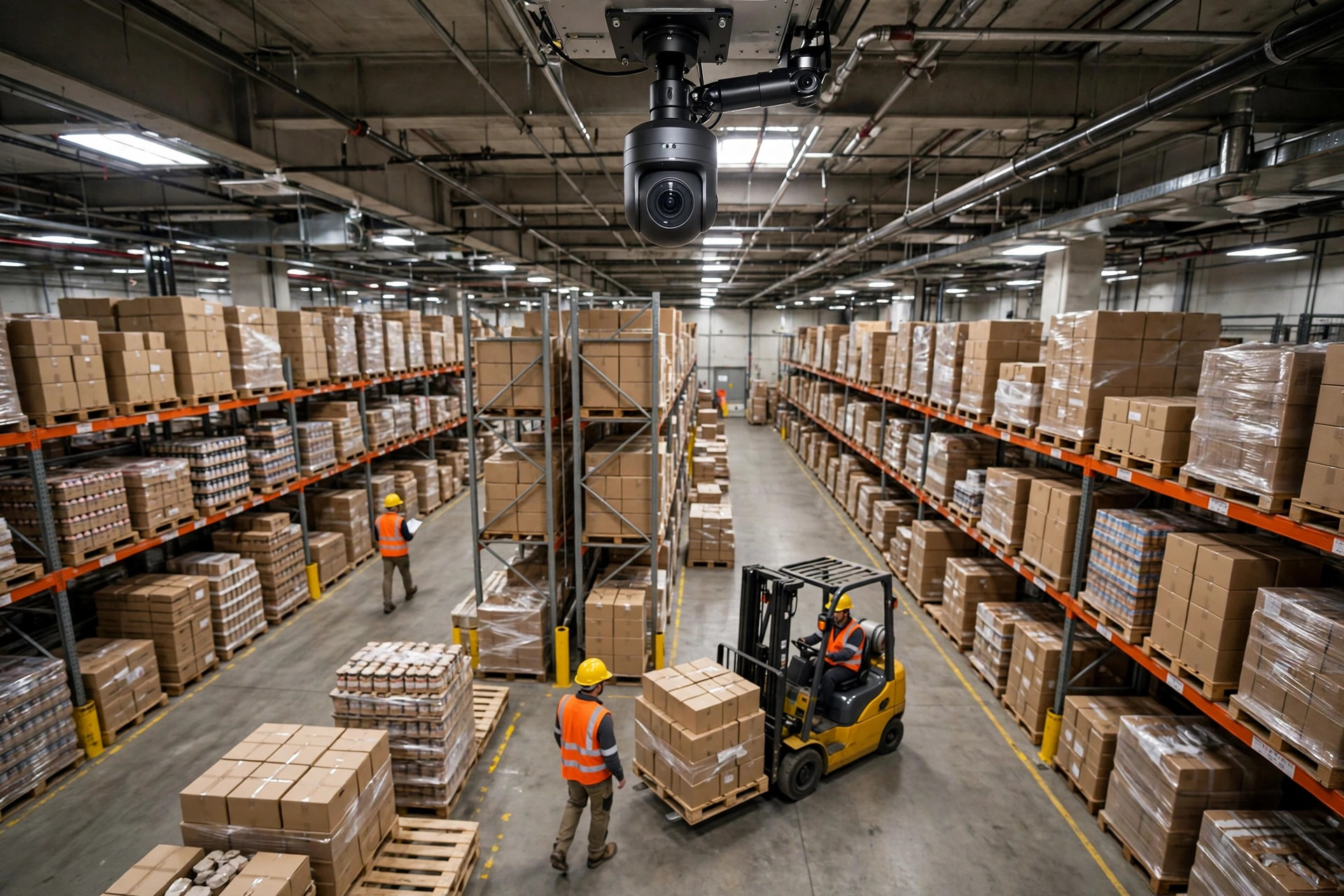
It was just past eight on a Tuesday morning. The night shift had not fully cleared out, and the day shift forklifts were already moving. Two people came through the door, showed their credentials, and said it was a routine inspection. That morning taught me most of what I know about osha warehouse inspection common violations. Let me be straight with you: my stomach dropped, not because we were hiding anything, but because I knew there were a few spots on the floor we had been letting slide, and inspectors have a sharp eye for exactly those spots. That visit did not turn into a disaster, but the findings kept the whole warehouse busy fixing things for two weeks. Since then, we stopped preparing for inspections and started running the floor so that any ordinary day would pass one. One thing I learned later is that an inspector's route is fairly predictable: equipment and aisles first, storage and labels next, then a few words with the crew about emergency exits and what to do if a chemical touches skin. The person walking them around does not need to sell anything. A floor that looks cared for on a normal day is far more convincing than a floor scrubbed the night before.
OSHA Warehouse Inspection Common Violations Start With Forklifts and Aisles
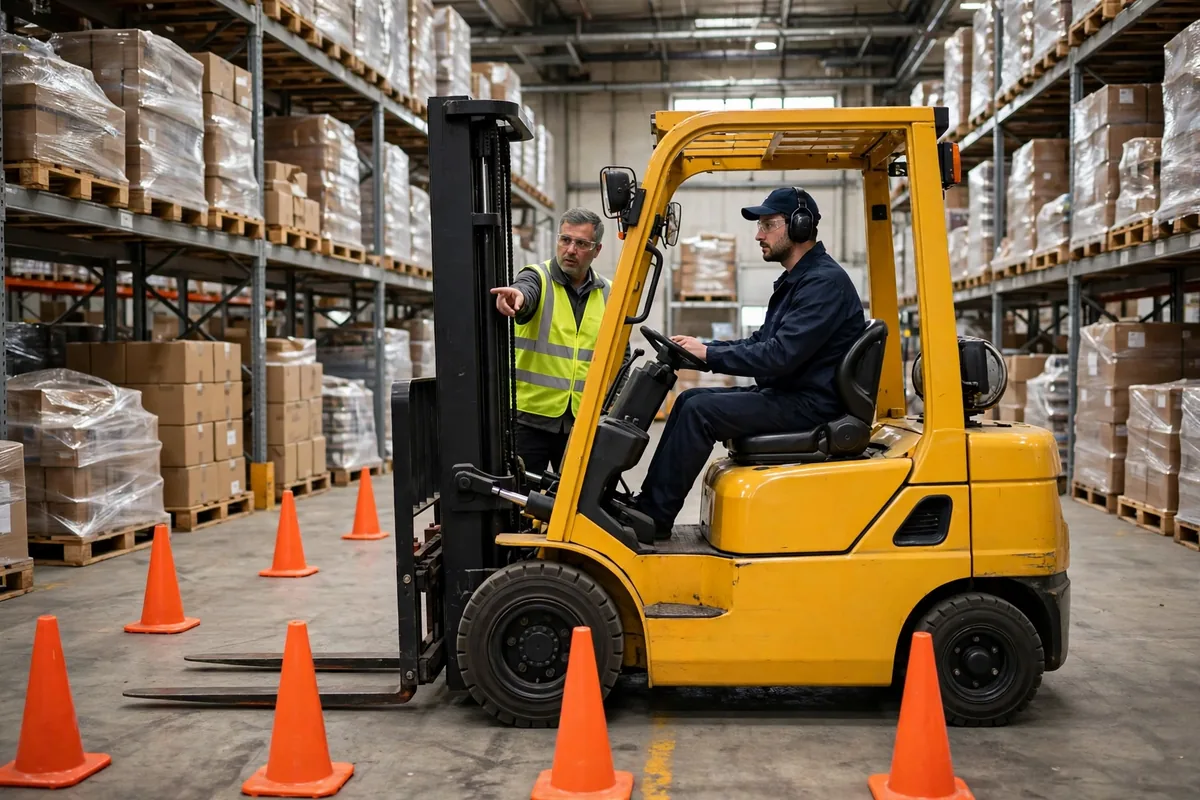
Forklifts are usually the first thing an inspector looks at. Are licenses current? Are daily checklists actually signed? Are forks cracked? Does the backup alarm work? Powered industrial trucks are a regular citation category, and the detailed requirements should be checked against current OSHA standards — our warehouse lives by one hard rule instead of debating the fine print: no license, no driving; no signed checklist, no driving. A veteran on nights, fifteen years on the job, once treated the checklist as paperwork. He missed a small crack at the root of a fork, and the next day a heavy load nearly slid from height. Nobody was hurt and the product survived, but we changed the routine that week: checklists signed before and after the shift, with the shift lead spot-checking them. Anyone caught skipping a check stops the line for a conversation. The veteran grumbled at first. Later he told me he sleeps better knowing the check is real.
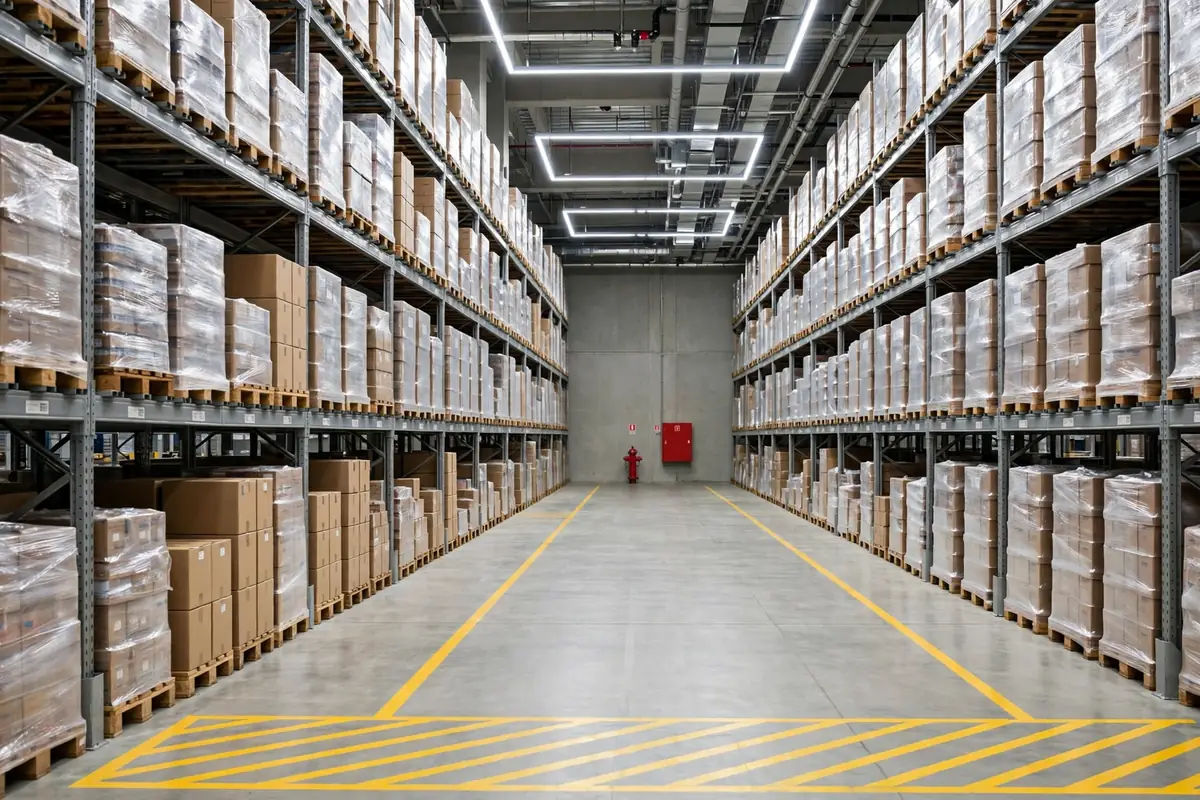
Floors and aisles. Walking-working surfaces sound like a formal term, but on the floor they mean oil on the ground, pallets creeping into aisles, and blocked stairwells and fire exits. Peak season is when this falls apart: freight piles up, a temporary pallet goes beside the aisle, and before anyone notices it has become a permanent location. An inspector does not need a measuring tape to see it. Our fix is plain and it works: the last fifteen minutes of every shift, the lead walks the aisles with the crew, photographs the walk, and anything blocking a path gets moved on the spot, not tomorrow. It is not sophisticated. It keeps the aisles open every day, not just on inspection day.
OSHA Warehouse Inspection Common Violations Continue With Chemicals and Repairs
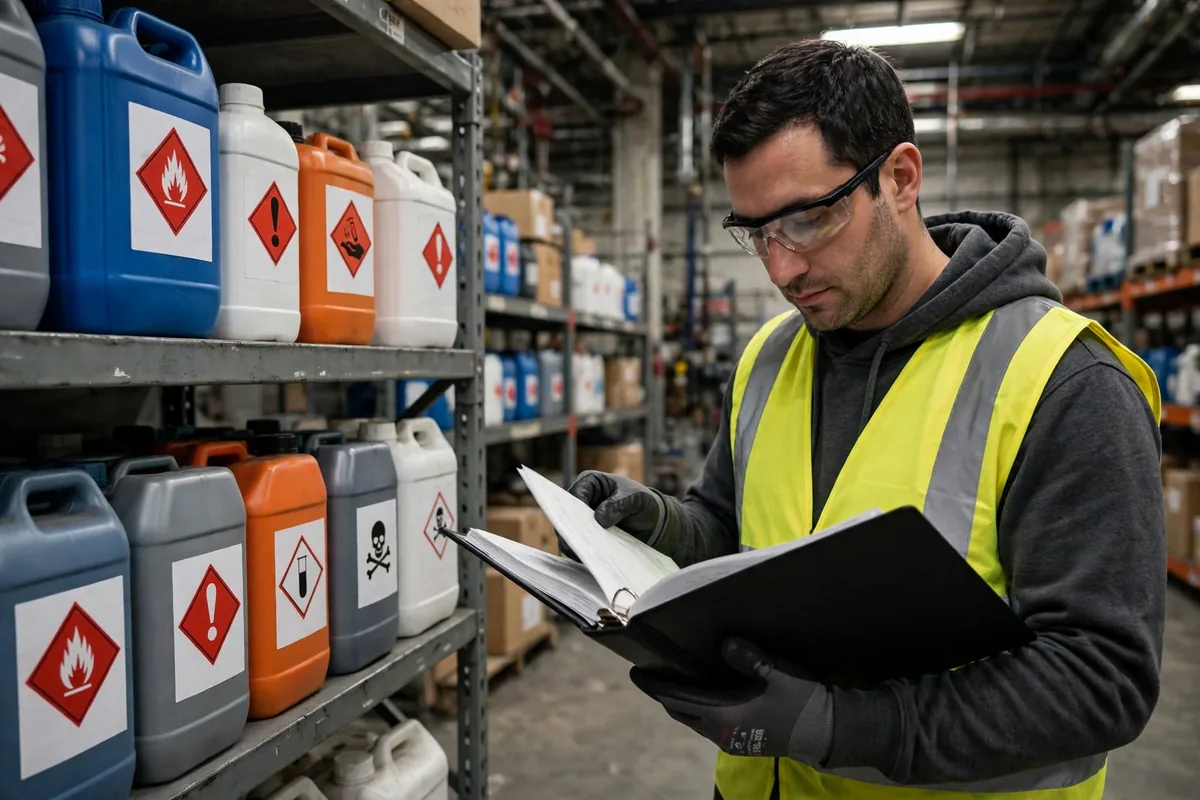
Chemicals and labels. Most warehouses hold cleaners, lubricants, and battery fluids. Hazard communication comes down to whether labels are readable, whether safety data sheets can be found quickly, and whether workers know what to do if something touches their skin. Our old labels were the suppliers' originals, worn faded over time until new hires could barely read them. We fixed it by giving the common chemicals their own storage spot, relabeling them clearly, and keeping one printed set of safety data sheets on the floor and another in the office. Every new hire walks that spot on day one. Honestly, it costs very little money. It costs attention, and someone has to decide it matters. Records work the same way. Checklists, training records, and corrective-action notes should not live only on one person's computer. When an inspector asks, a shift lead who can produce them in minutes is already demonstrating how the place is run; hunting for half an hour sends the opposite message.
Lockout and electrical. Repair work without shutting off power and locking out is the kind of finding an inspector will not forgive, and it is the kind that can kill someone. We had a close call when a technician serviced a conveyor without locking it out, and a colleague at the other end nearly restarted it without knowing someone was inside. After that, the procedure became non-negotiable: power off, lock applied, tag attached, key in the technician's own pocket, no exceptions and no borrowing. Nothing gets stacked in front of electrical panels, a missing cover gets replaced the same day, and a faded warning sign gets reprinted. These are small tasks. On inspection day, they tell an inspector whether the repair rules are real or decorative.
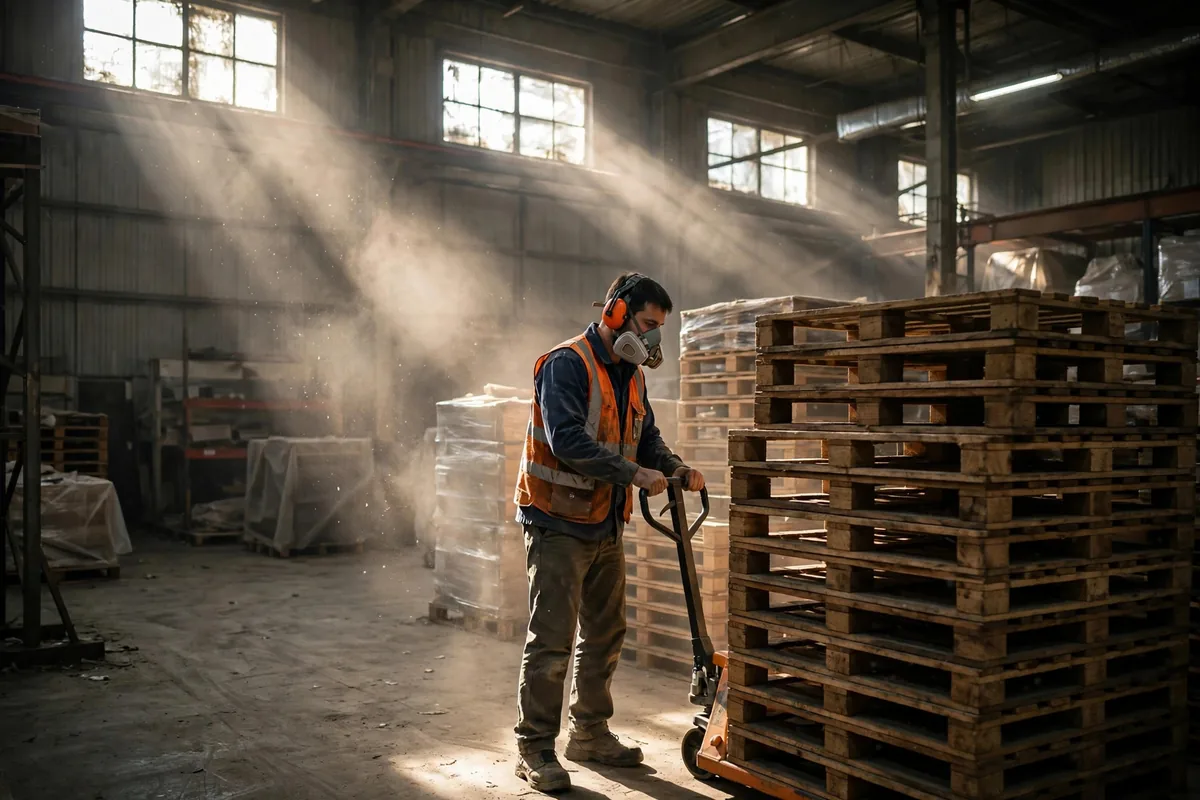
People and protection. This part is about people more than paperwork. Hard hats, reflective vests, and safety glasses handed out are not the same as worn. During a peak push, a new hire watches a veteran skip the vest and copies him. In our warehouse, a new hire now shadows one assigned mentor for the first two weeks, and that mentor teaches more than the job: where never to stand, how far to stay clear of a turning forklift, what yesterday's near miss was. The five minutes before a shift are not for speeches. We talk about one specific hazard someone saw yesterday and who owns it today. Morale follows the same logic. When workers believe management genuinely cares about their safety, they cooperate; when they sense it is only about passing an inspection, the gear stays in the locker. Shift scheduling matters here too. Back-to-back nights rolling straight into days leave people tired, and tired people cut corners. Building rotation and rest into the schedule prevents more incidents than any poster ever will.
There is one cost calculation that most warehouses get backwards. Shutting down for a full day before an inspection to deep-clean looks serious, but it is the most expensive option. A day of lost throughput is real money, and a scrubbed floor only stays that way for a few days before old habits return. Fifteen minutes at the end of every shift — walking aisles, replacing a label, checking a checklist — costs far less across a year and keeps the floor presentable all the time. Inspection readiness and daily management are not two budgets. They are one. How you run the floor on an ordinary day is how it will look when an inspector walks in, and that is the cheapest way to be ready.
So here is my reminder to other warehouse managers. The inspectors are not hunting for trouble for its own sake. They are looking for the openings nobody owns, and those openings are usually the same places where people get hurt. Our rule now is simple: turn the inspection standard into a closing-shift habit, not a day-before cleanup. A cleanup can fool the eye. It cannot fool a habit. Do not wait until inspectors are standing at the door to remember the blocked aisle or the unsigned checklist. Walk the floor once more before you go home, ask one more question, and an inspection becomes just another normal working day. Nothing to panic about.
By Chen Feng, Warehouse Operations Manager