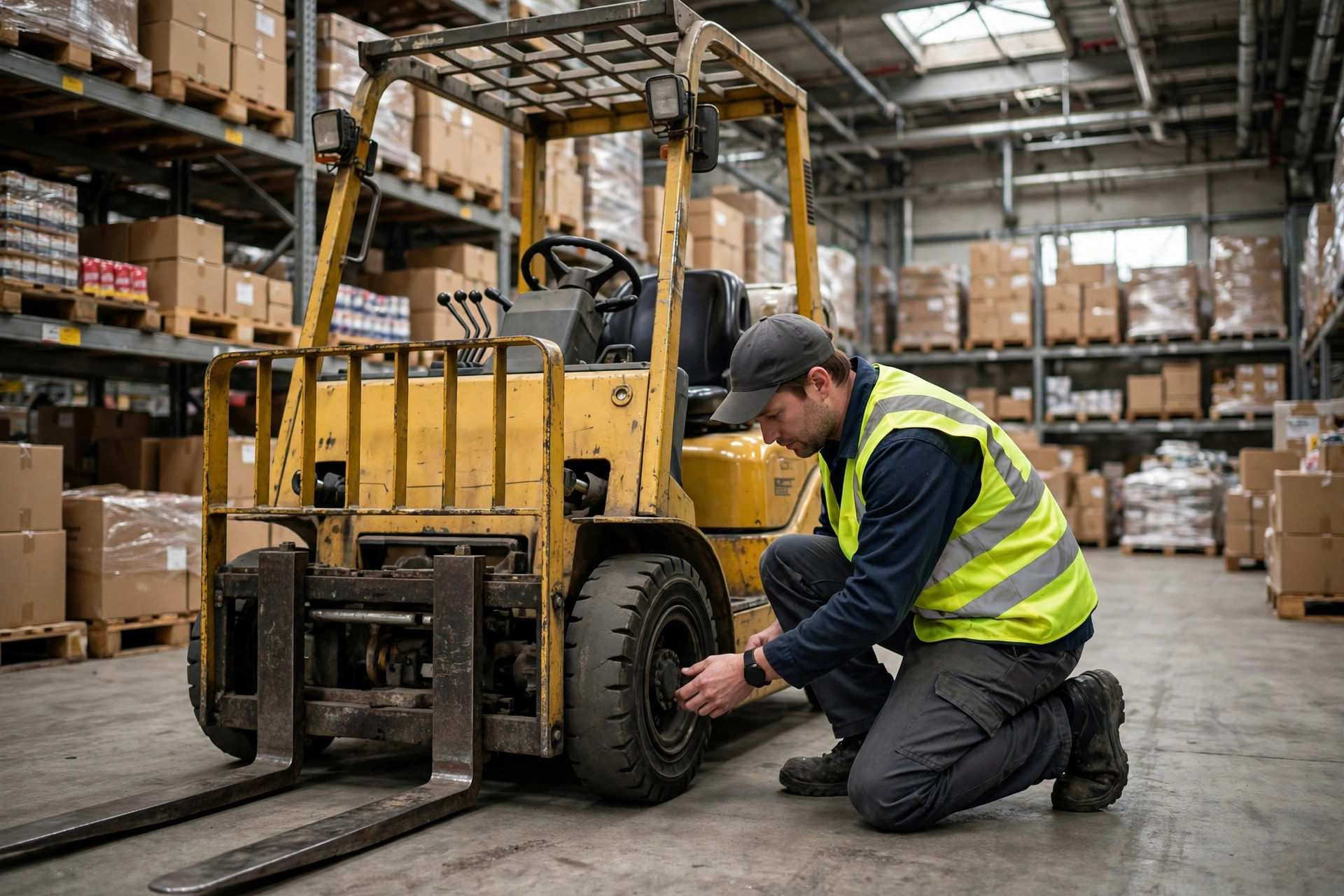
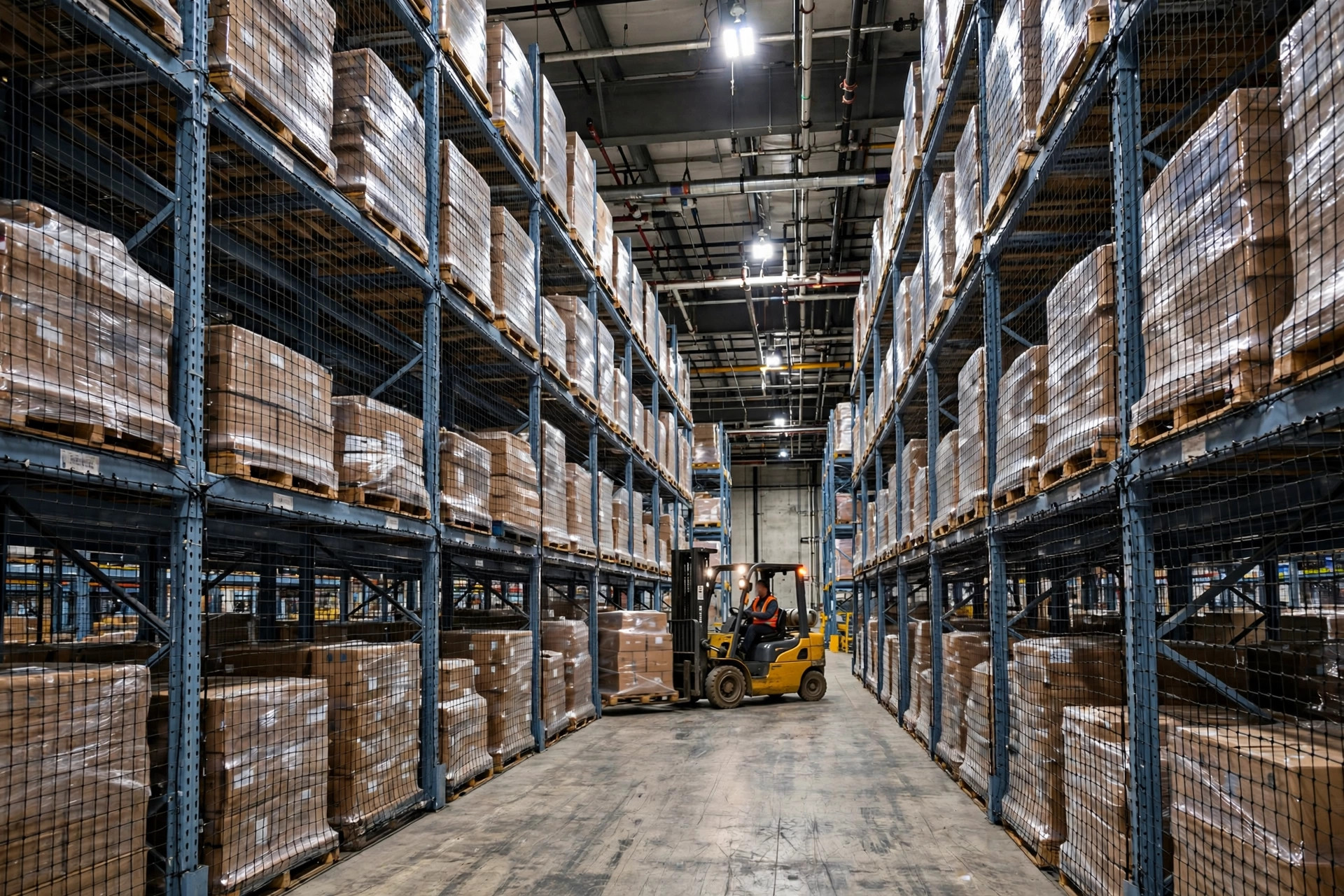
July 2026, a Tuesday, Inland Empire. Not yet 9 a.m. and the warehouse was already pushing 100°F, heat pressing down through the roof. One of my pickers told me he felt dizzy. I sent him to the break area for ten minutes, then back to work — young guy, I figured he'd shake it off. At noon he went down in the aisle. The ambulance took him; diagnosis: heat exhaustion. I didn't sleep that night. That's the morning that made osha heat illness prevention warehouse compliance personal for me — not a poster on the wall, but a daily routine my crew actually follows.
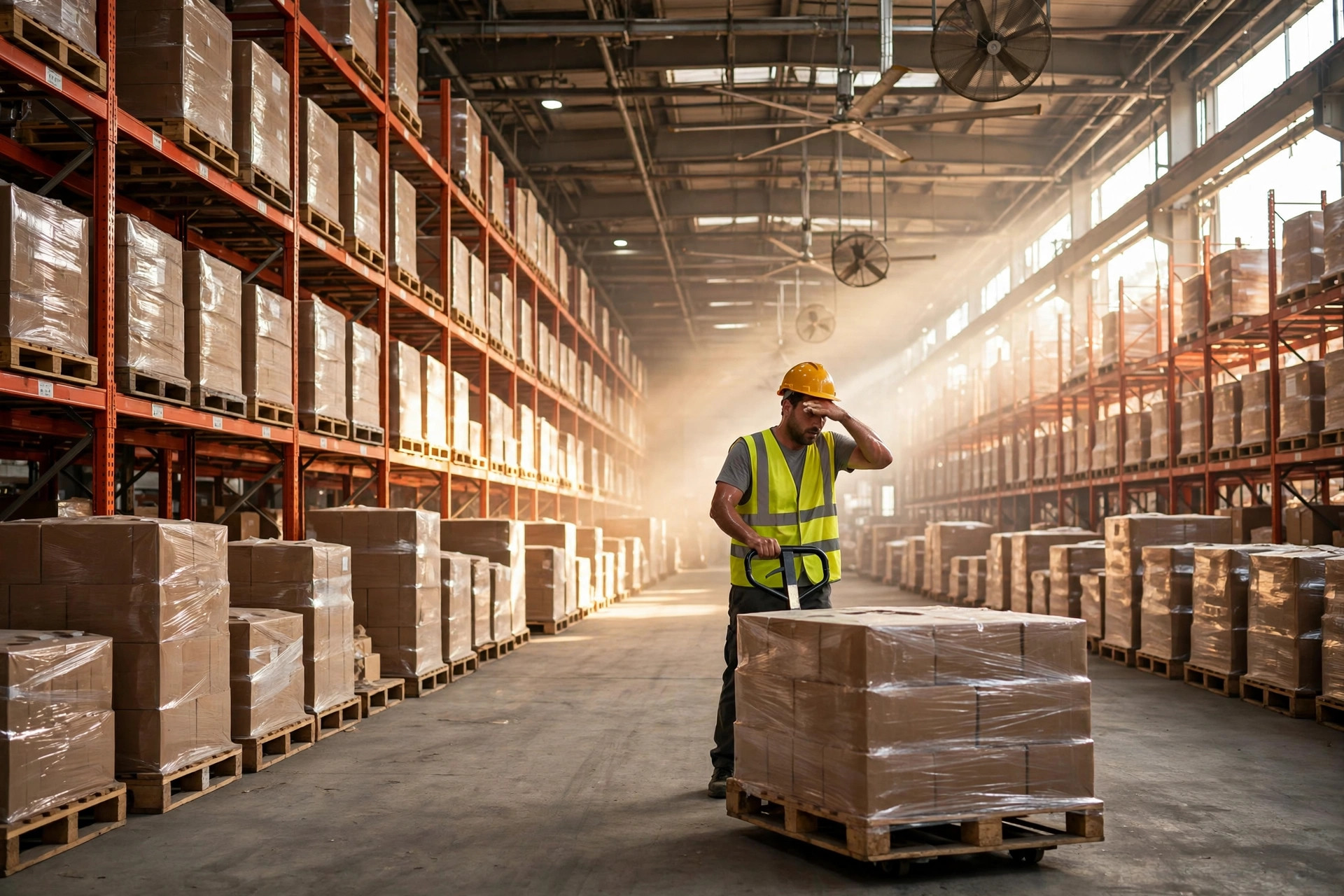
On a hot day the rack aisles shimmer. At that point a fan is just moral support.
Water coolers alone don't cut it — here's how we learned
We run about 200 people. Inland Empire summers are brutal. Our old plan was one line: drink more water. Then in 2024 OSHA published its proposed rule on heat injury and illness prevention and rolled out the heat National Emphasis Program — and inspectors started showing up a lot more. Let me be straight with you: our first motivation wasn't noble. We were scared of getting cited.
Attempt one: big water jugs in every work zone, unlimited. Result? The water sat there. Nobody drinks in the middle of a pick run. End of shift, jugs still full.
Attempt two: a dozen big floor fans. Result: they blew hot air around. Felt worse, somehow. We spent real money and the thermometer didn't move. That's when I learned: fighting heat on vibes doesn't work.
Attempt three: move heavy work to mornings. Unloading, full-pallet moves, stacking — get it done between 6 and 10 a.m. This one helped, but peak season doesn't care about your schedule. Mornings overflow, afternoons still roast.
The day my picker went down, I threw out all three attempts. Water alone, fans alone, scheduling alone — none of them work solo. It has to be a system.
What an OSHA heat illness prevention warehouse plan looks like on our floor
Water first. Water can't just exist — it has to be within reach. Every work zone gets water within a one-minute walk. More than a minute? We add a station that night. And every two hours, the shift lead yells "water break!" across the floor. Sounds dumb. Works better than any filtration system money can buy — nobody wants to stop on their own, but when the lead calls it, everybody drinks.
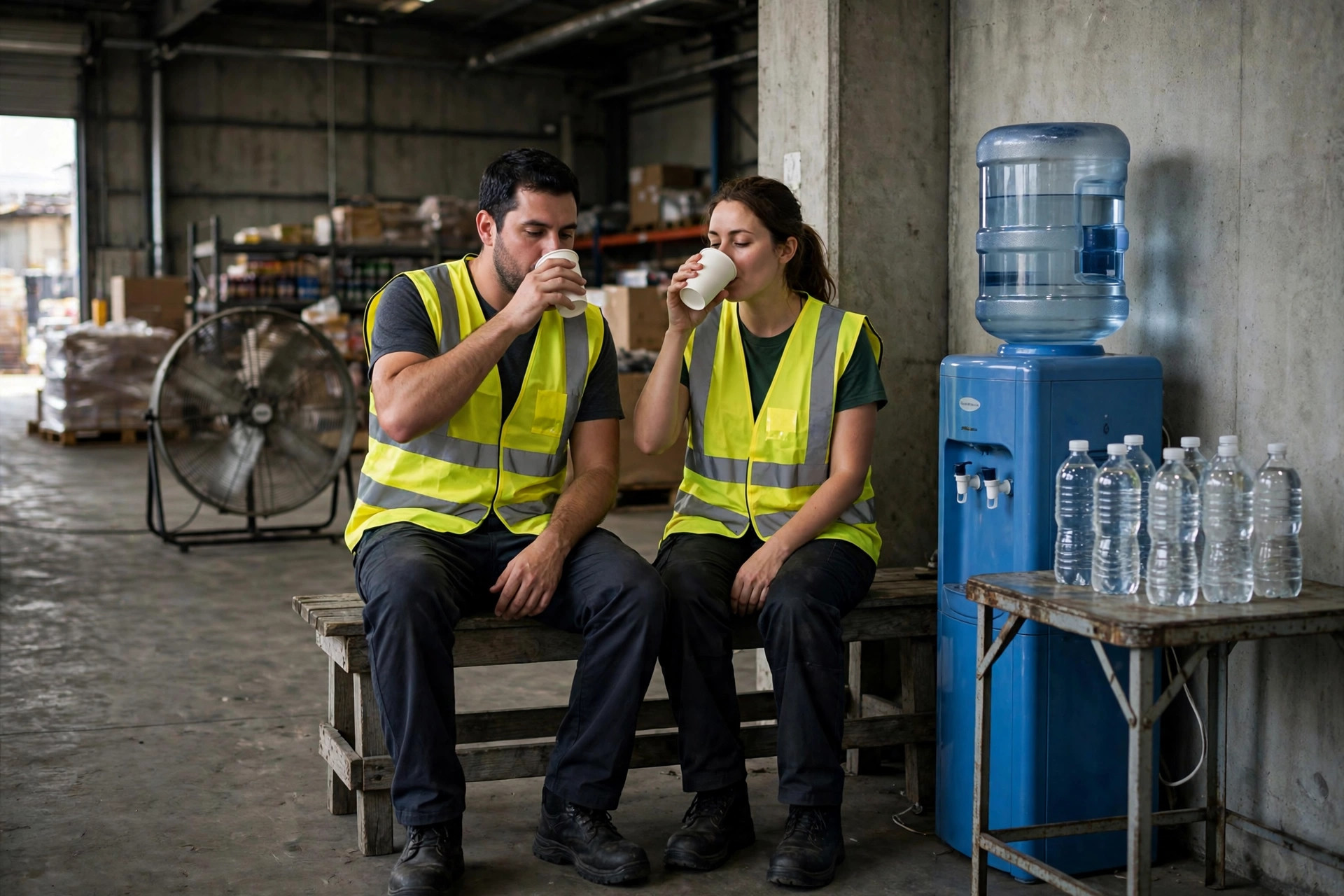
The rest-area trio: shade, water, a fan. Missing one means you don't have a rest area.
Breaks next. During the hottest hours: 45 minutes on, 10 off — mandatory, not "rest when you're tired." The people who collapse are always the ones who "felt fine." The rest area needs three things: shade, a fan, water. Missing one means you don't have a rest area.
Shift the work, not just the people. Heavy labor (unloading, pallet moves) goes to mornings; hot afternoons get light work only — labeling, auditing, housekeeping. One rule: the hardest work never meets the hottest hours.
Two-week ramp for new hires. New folks build up gradually over their first two weeks — never full pace on day one. Acclimatization takes time; you can't rush a body. OSHA's proposed rule calls this out specifically: new hire plus heat plus full workload is the most dangerous combination there is.
Buddy pairs. Two people, watching each other. Early heat illness is invisible to the person suffering it — but obvious to someone else: flushed face, gone quiet, unsteady walk. See those three, don't ask questions, walk them to the rest area. Of everything on this list, this is the one I'd keep if I could only keep one. You can buy equipment. You can't buy people watching out for each other.
Plus one drill every June. Before summer, we run a heat-emergency drill: someone goes down (simulated), and the shift lead walks the full sequence — assess symptoms, call 911, clear the aisle, get them to the rest area. The drill isn't for show; it's so nobody freezes when it's real. At our first drill, two leads couldn't even say which aisle the rest area was on — everyone "knew" until the pressure hit. After that, the emergency card actually made it onto every phone.
And an emergency card. Every shift lead has one on their phone: heat exhaustion vs. heat stroke symptoms, when to call 911, which aisle the rest area is on. Don't count on anyone flipping through a manual during an emergency — nobody can.
The math: is any of this worth it?
I'll show you our numbers — no made-up figures, just the shape of the trade.
| Investment | Cost | Cost of skipping it |
|---|---|---|
| Water stations, cups | A few hundred a month | One collapse stops half a line for 2 hours |
| Rest-area fans and shade | One-time spend | Morale craters; hiring gets harder |
| Slowing ~10% in hot hours | A few hundred fewer cartons a day | An OSHA visit: inspection, abatement, penalties (amounts per current OSHA policy) |
| Lead yelling "water break" | Free | Zero |
See it? The priciest line is slowing down 10% — a few hundred cartons a day stings. But one collapse costs you half a line for two hours, an incident report, an inspection, and a crew that's scared. The slowdown pays for itself.
There's a hidden line too: morale. The month my picker went down, three veteran pickers quit, and one said it straight in the exit interview — "summers here scare me." Recruiting and training a replacement costs far more than water jugs. Flip side: since we locked this system in, we've had zero heat incidents, and last peak season our turnover was the lowest in years — that's not my math, that's HR's number.
The counterintuitive part: the biggest lever isn't AC or fans — it's the schedule. Moving heavy work out of the hot hours costs nothing and does the most. Second surprise: water nobody drinks equals zero. Execution beats equipment ten to one. Third: don't count on willpower. Everything that depends on "people will remember" ends up as nothing; everything written into the schedule, the SOP, and someone's job to call out — that sticks.
One warning for fellow managers: heat illness doesn't care how old or tough someone is. A 20-year-old goes down the same as anyone. Don't wait for the ambulance to build your checklist. Before end of shift today, walk your floor and time the walk to water — anything over a minute, add a station tonight; then ask your leads whether they can tell heat exhaustion from heat stroke, and if they can't, get the emergency card onto their phones tonight. This isn't hard. The hard part is believing "it won't happen here." I believed that too — until my picker went down in the aisle right in front of me.
By Chen Feng, Warehouse Operations Manager