After fifteen years of driving trucks, I can tell you the two things warehouse owners fear most: an OSHA fine, and an OSHA inspector already standing at the door.
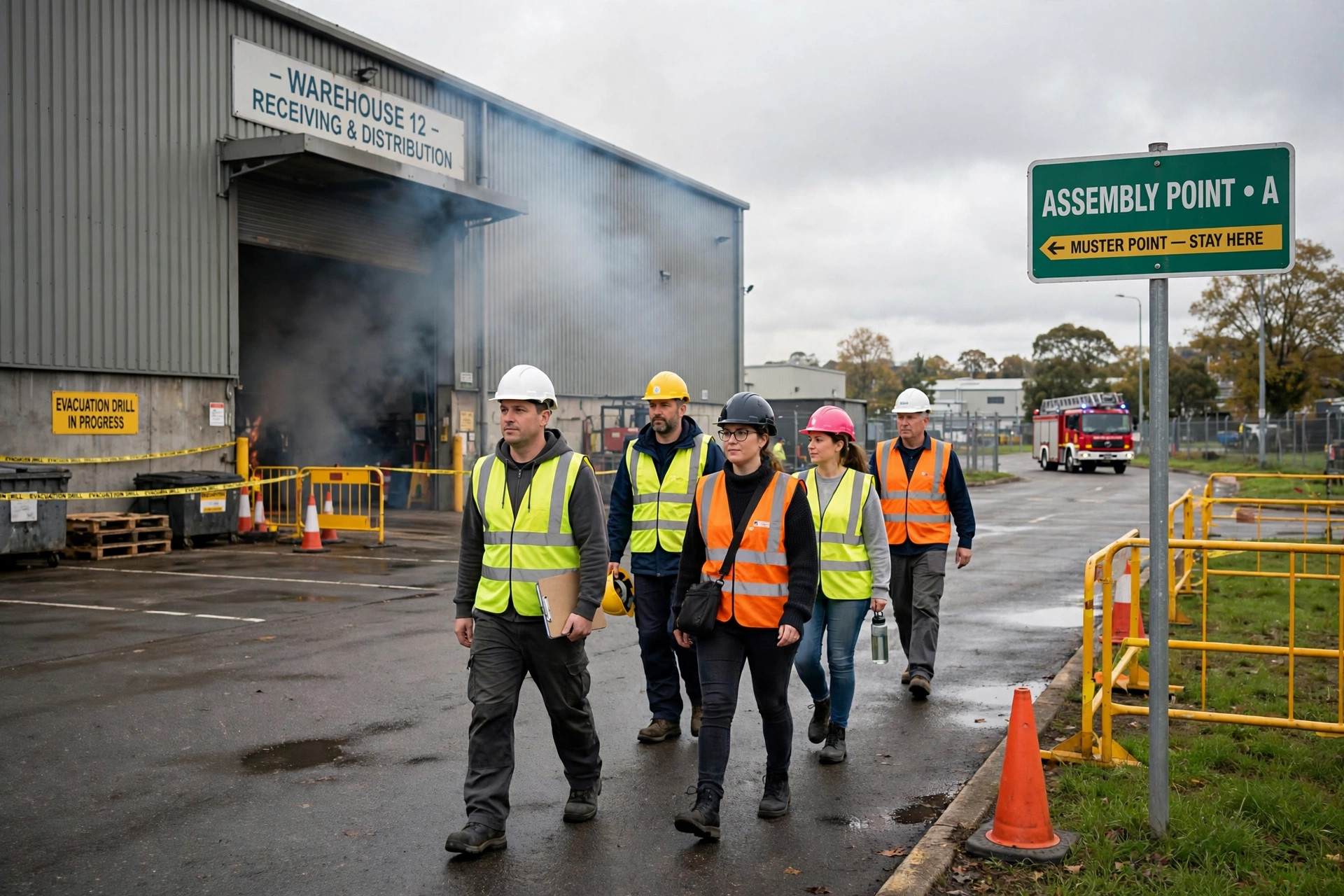
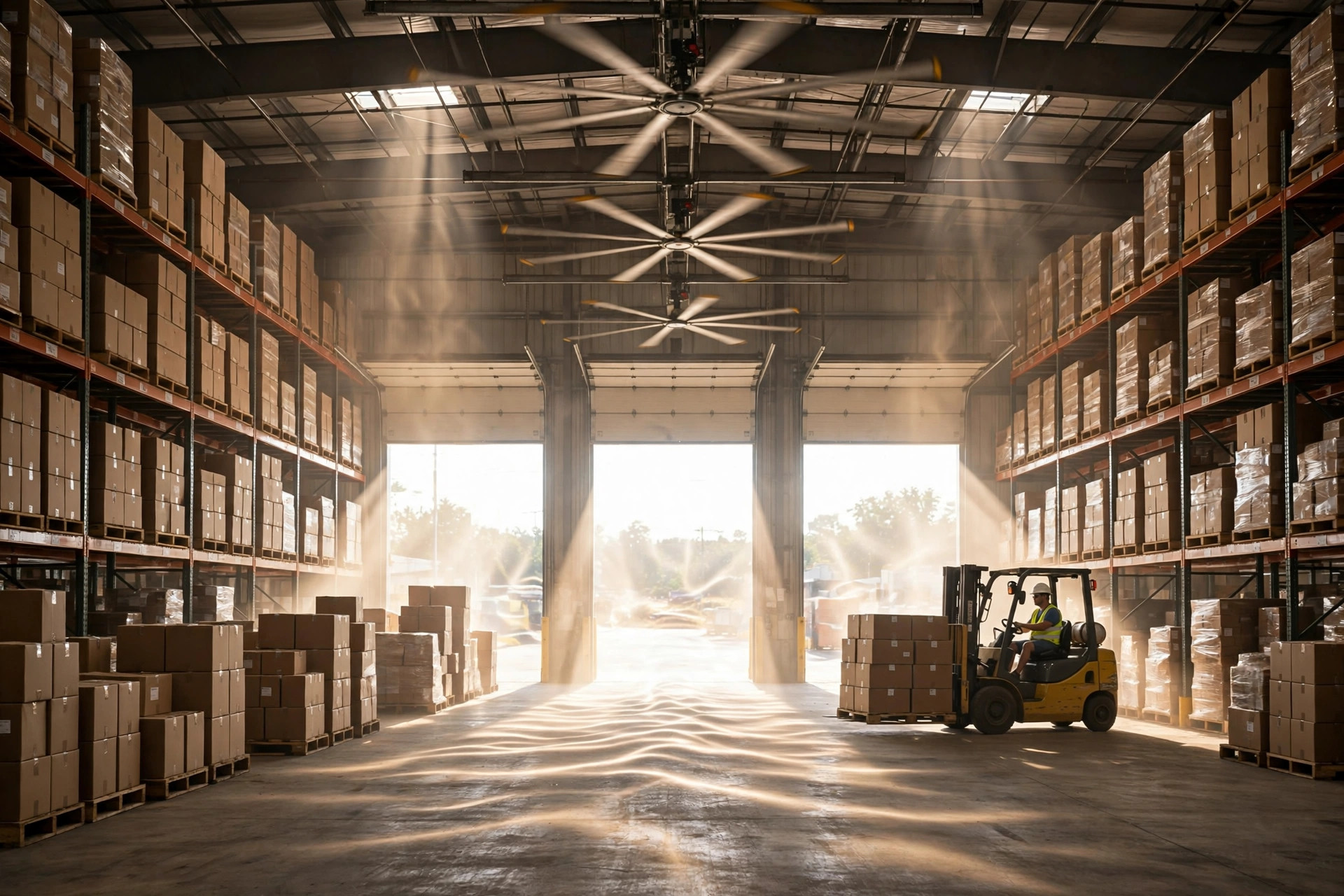
Summer of 2024, I was in line at a food warehouse outside Dallas, waiting to unload. The truck ahead of me had just gone in when an unmarked SUV pulled up to the gate. Two people got out, clipboards in hand, and walked straight to the office. Any veteran driver knows what that means: OSHA is here. Unloading slowed to half speed that day. People inside were practically jogging. A buddy unloading in the next dock told me this warehouse had been fined once last year — this was the follow-up visit.
Why do inspectors show up? Usually one of three reasons: somebody filed a complaint, there was an accident, or the place got picked for a programmed inspection. Whatever the reason, once they're through the door, nobody at that warehouse sleeps well for a week.
OSHA's Three Penalty Tiers for 2026: $16,550 vs $165,514
Here's the straight numbers. Federal OSHA penalties for 2026 come in three tiers — and note that federal OSHA made no inflation adjustment for 2026, so the 2025 levels carry over. These figures come from the official penalty table on dol.gov:
| Tier | 2026 maximum | What it means |
|---|---|---|
| Serious / other-than-serious | $16,550 | A violation happened, but it wasn't intentional |
| Willful / repeated | $165,514 | Intentional violation, or a repeat offender — ten times the base |
| Failure to abate | $16,550 per day | Didn't fix it by the deadline — the meter keeps running |
See the catch? Tier one and tier three show the same number, but they mean completely different things. Tier one is a one-time hit. Tier three charges by the day — $16,550 for every day you drag your feet. Ten days, two weeks — do the math yourself. That's the nastiest tier of all: it doesn't punish the mistake, it punishes knowing about the mistake and sitting on it.
And here's something most people don't realize: fines are issued per violation, not per inspection. The inspector finds three serious violations in your warehouse, that's three separate $16,550 penalties stacking up. And the willful tier — ten times the base on a single citation is enough to cripple a small operation.
Where Warehouses Usually Eat an OSHA Fine: Three Usual Suspects
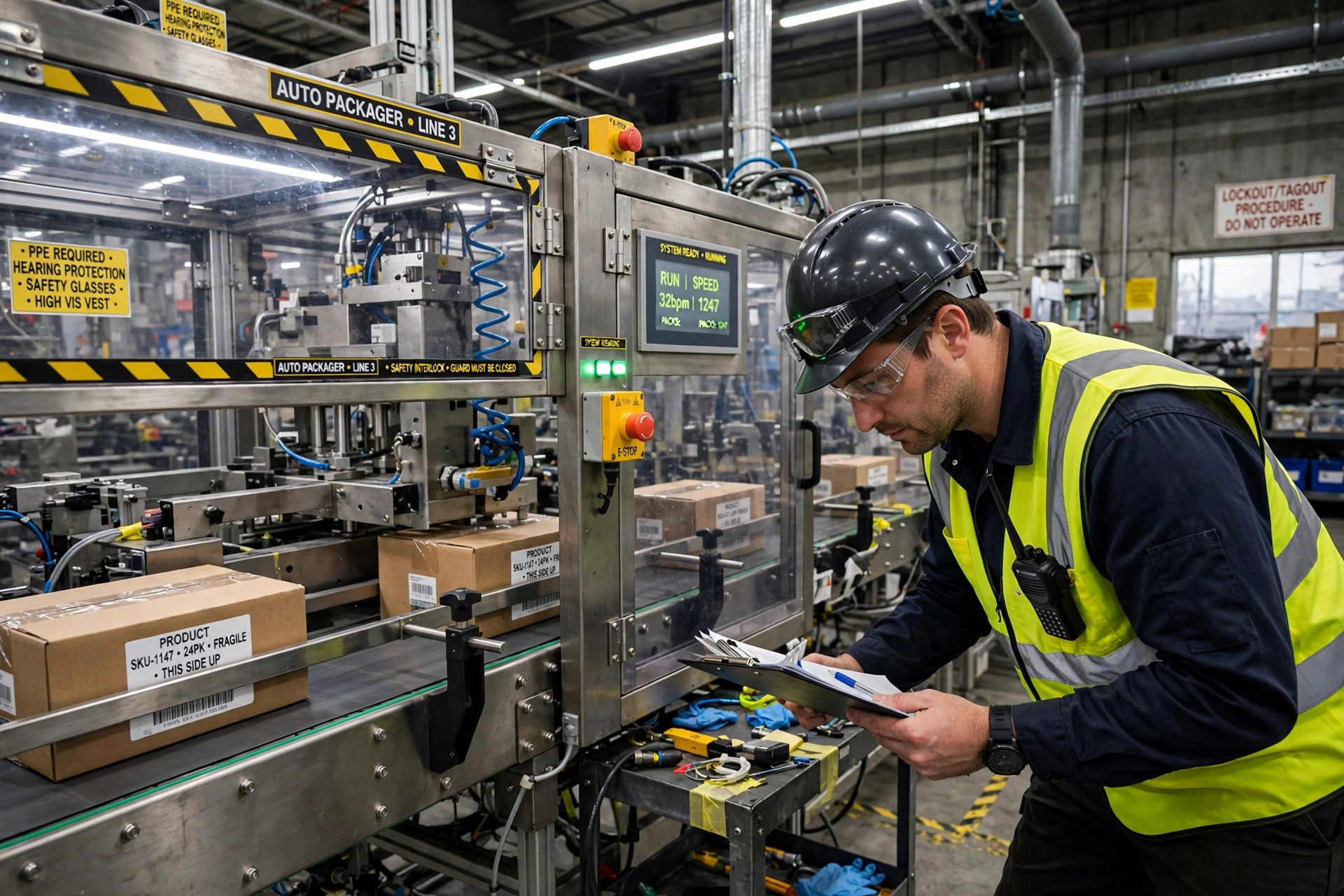
First, forklift training. OSHA has specific requirements for powered industrial trucks — operators must be trained and certified. Plenty of small warehouses cut corners: a new hire shadows a veteran for two days and gets the keys. When something goes wrong, it's the forklift driver who gets hurt, the warehouse that gets the citation, and nobody escapes the medical bills, the lawsuits, or the shutdown.
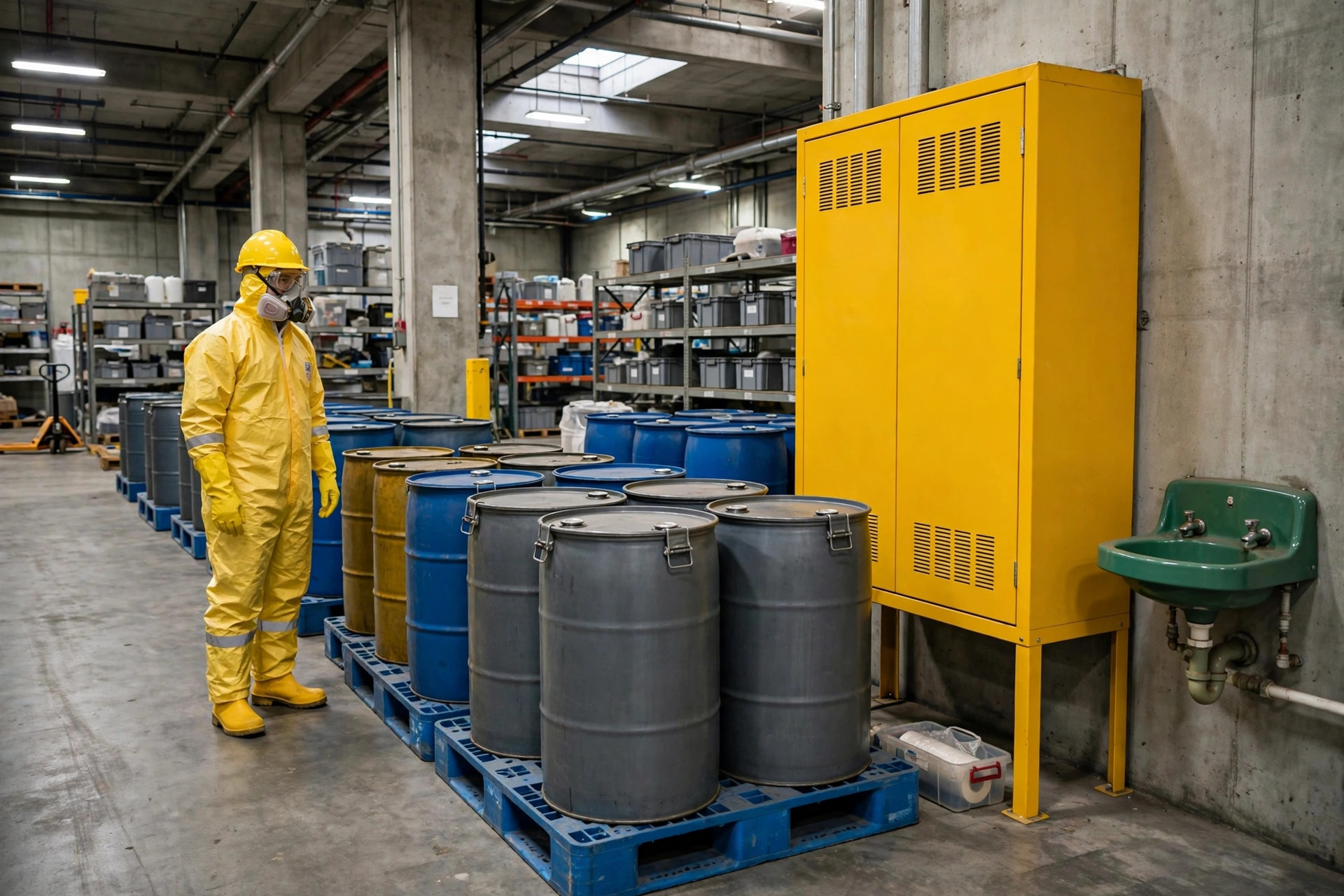
Second, hazard communication. If the warehouse stores chemicals, the safety data sheets have to be on file, workers have to be trained, and containers have to be labeled. When there's a spill, the first person in harm's way is the driver standing at the dock. If you don't even know what the stuff is or what to do when it touches your skin, how are you supposed to protect yourself?
Third, blocked exits. Fire aisles and emergency exits choked with pallets and freight. A couple of winters ago I was unloading at a warehouse in California where the fire lane was narrowed to half a meter by stacked pallets. I told the warehouse guy, "if there's a fire, where do people run?" He shrugged and said "it's peak season." Is peak season an excuse? Fire doesn't care about peak season.
Here's how an inspection usually goes, so you know the drill: paperwork first, floor second. Training records, the SDS station, past inspection reports and abatement paperwork — they go through the documents before they walk the floor. If the paperwork is a mess, the citations are practically written before they leave the office. Clean paperwork buys you a fair walk-through, and then it comes down to how well the place is actually run.
One more trick: a lot of big warehouses post their OSHA inspection history near the entrance. A warehouse that's been fined and fixed things up is usually the most careful place you'll visit — call it learning the hard way. It's the ones that have never been inspected that tend to get sloppy.
Why Drivers and Shippers Should Care About Somebody Else's Fine
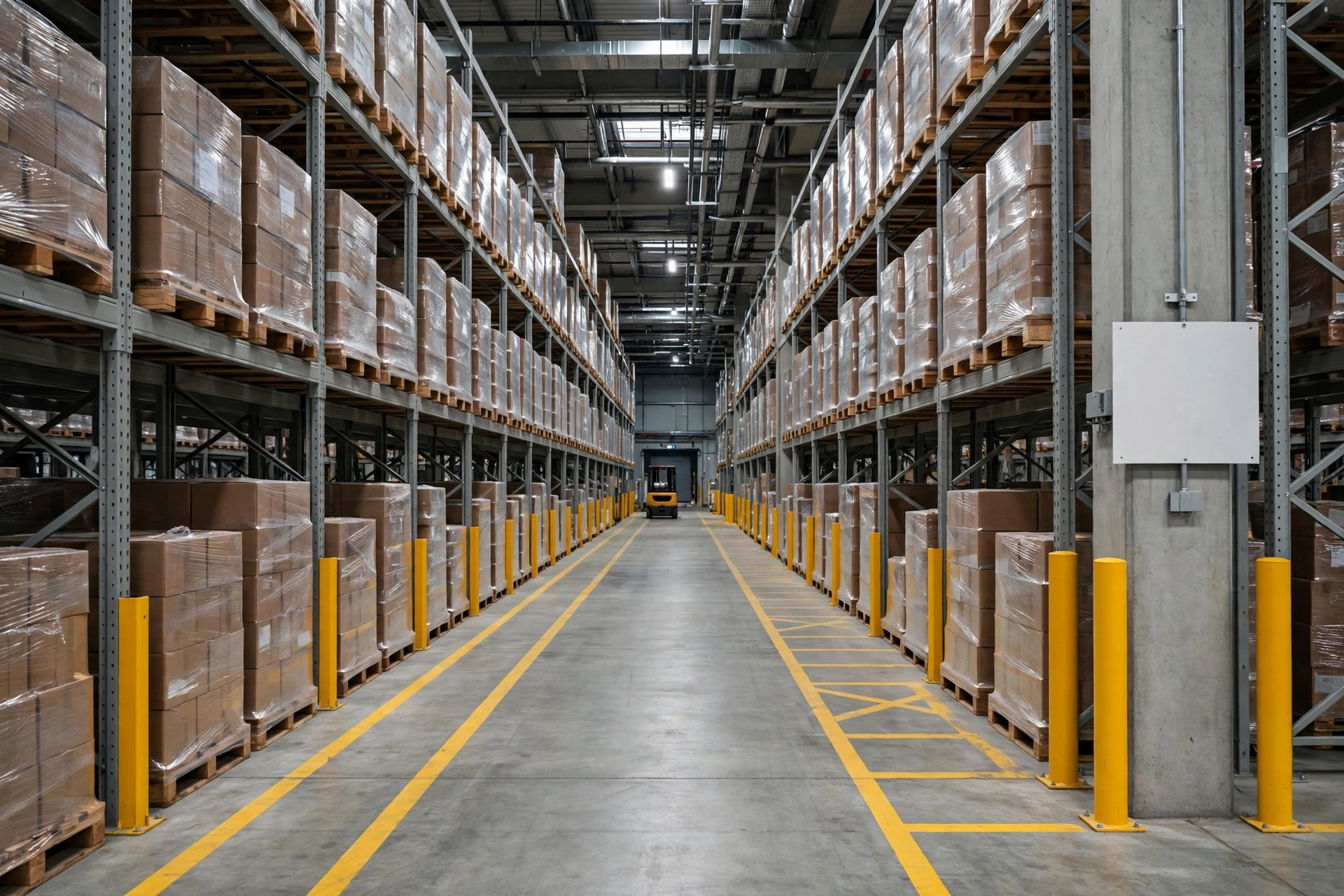
It matters more than you'd think. I've got a five-point check I run every time I pull into a warehouse — takes five minutes. One: watch how the forklift drivers operate; a place where forklifts fly around unattended is a place where an accident is just a matter of time. Two: check whether the main aisles are clear or routinely jammed with pallets. Three: look at the chemical area — no labels, strange smells, walk away. Four: check the wall for the safety data sheet station. Five: check that the exit signs are lit and the fire extinguishers are in place.
See something wrong? Write it down, report it to your dispatcher, keep a record. If anything ever happens, that's your armor — proof you paid attention.
And shippers: when you're picking a 3PL or a warehouse, don't shop on price alone. Ask one question: were you inspected by OSHA last year, and how's your safety record? A warehouse that can't handle basic compliance is holding your freight. Are the few dollars you saved on storage worth one accident? Besides, when something serious happens, the shipper doesn't walk away clean either — the reputational damage costs far more than any fine.
And here's the math every warehouse owner should do: what does a full compliance self-audit cost, versus a single serious citation? You don't need me to run those numbers. Prevention has always been cheaper than the penalty.
Fifteen years on the road taught me one thing: fines have a price tag. Accidents don't.
By Shifu Zhao, Trucking Veteran (15 yrs)