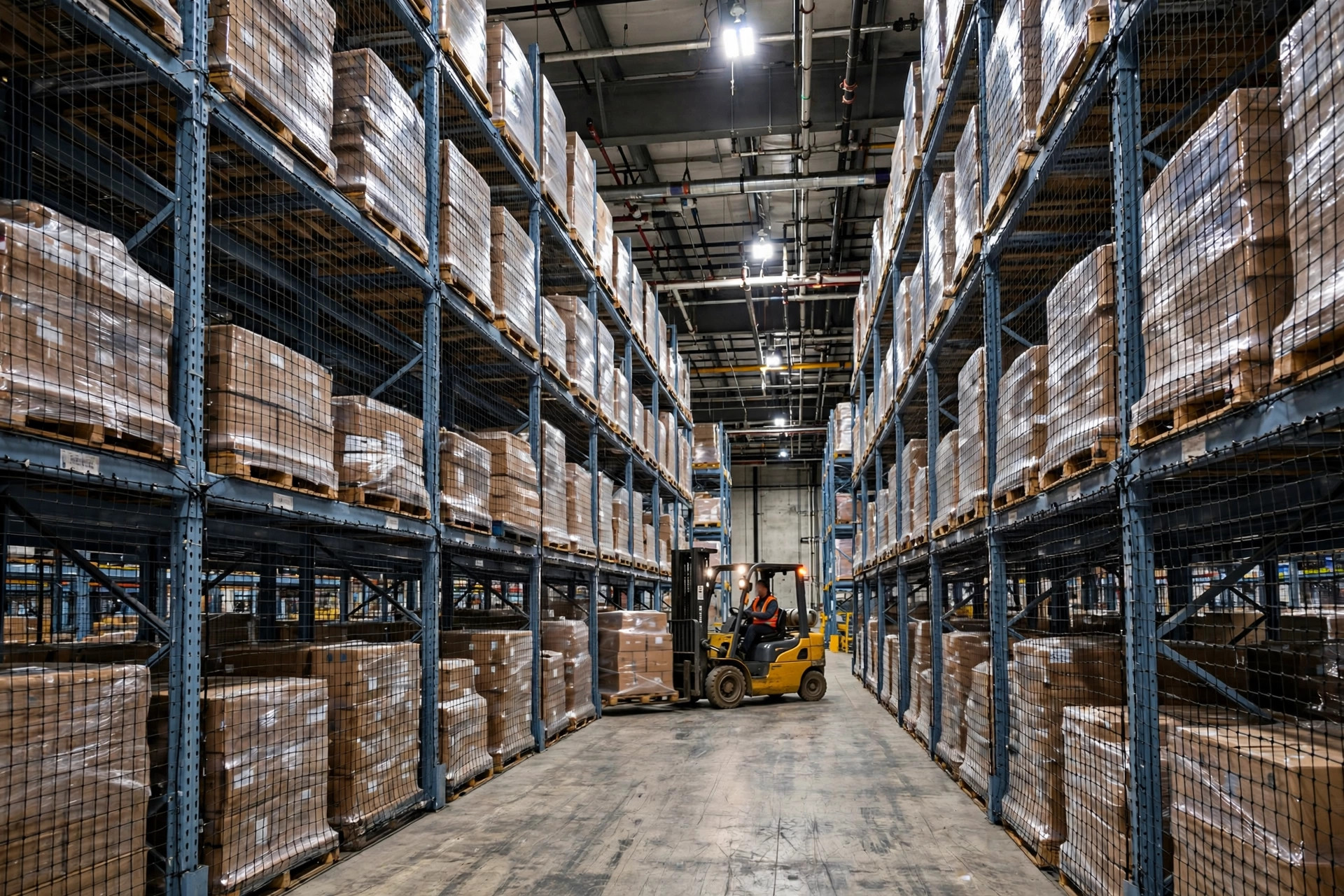
Let me tell you something. Fifteen years behind the wheel of a long-haul truck, and I've pretty much seen it all. One night in October 2024, around 2:30 in the morning, I was queued up outside an e-commerce warehouse near Harrisburg, Pennsylvania, waiting for a load. Then the fire alarm went off, and the PA system started shouting: fire, evacuate, everybody out.
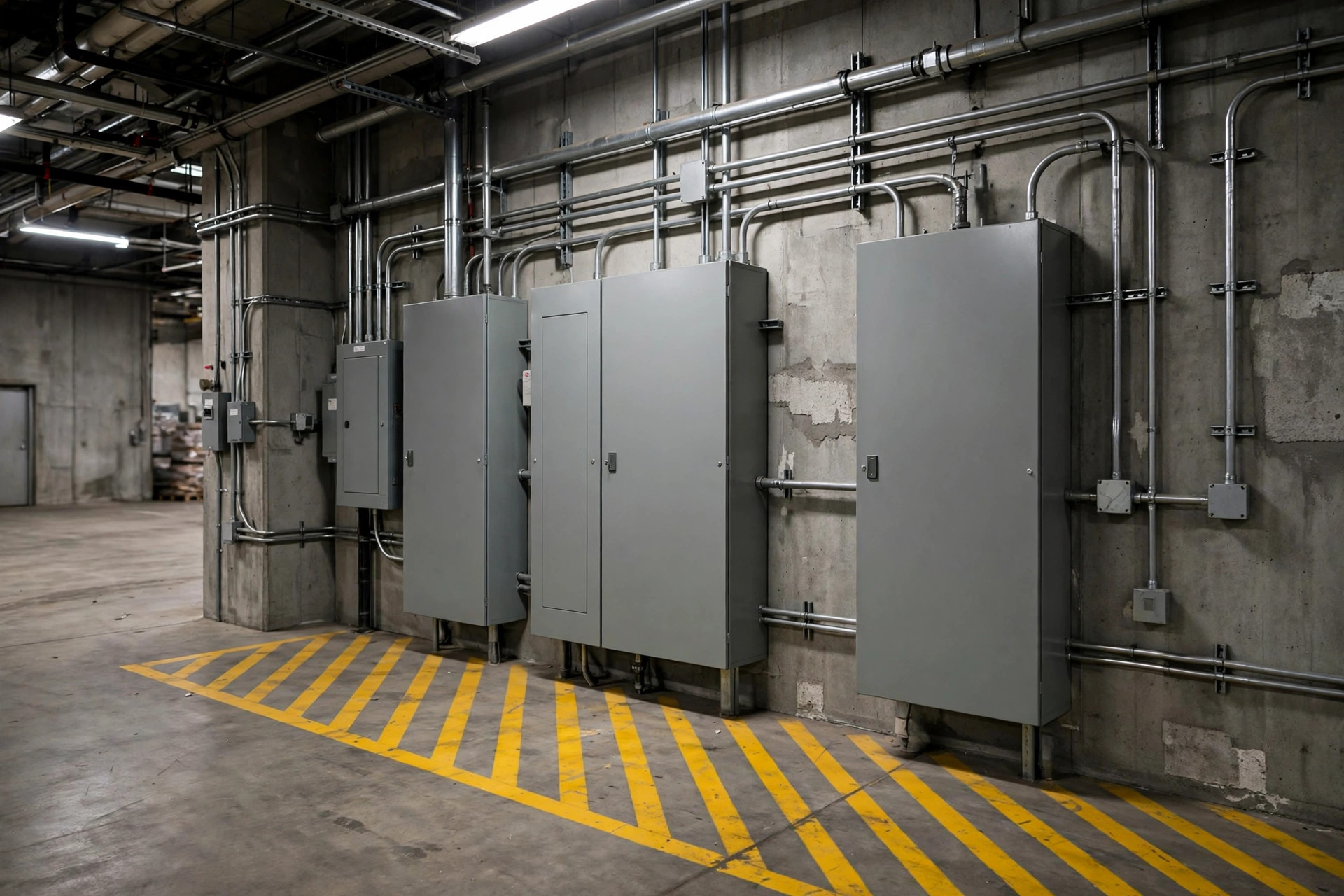
What happened over the next 20 minutes was the biggest mess I've ever witnessed. Workers on the packing line ran for the main door; others just stood there scrolling their phones. A forklift driver abandoned his truck right in the middle of the main aisle and vanished. Two of us drivers in the loading area had no idea which way to go, so we just followed the crowd. It turned out to be a false alarm — an electrical panel shorted and smoked a little, no open flame. But it took nearly 25 minutes from the first alarm until everyone was gathered in the parking lot, and six people were missing the whole time. They turned up later in the break room, playing cards, never heard the announcements.
Driving home that night, I kept thinking: if that had been a real fire, somebody would have died.
What OSHA 1910.38 Has to Do With It
I looked into it afterward, and it turns out there's a federal rule for exactly this: OSHA 1910.38, the warehouse emergency action plan requirement. The rule is simple. If you employ 11 or more people, you must have a written emergency action plan. With 10 or fewer, you can communicate it orally — but it still has to actually reach everyone.
And I'll tell you, the people who wrote this regulation have seen real blood. The plan must cover six elements, no exceptions. Let me translate the legalese into plain English, one by one:
1. How to report a fire or other emergency, and to whom. Which number to call, which radio channel to use, who pulls the alarm, who calls the fire department. Sounds obvious, but I've watched warehouses burn three minutes just on "are you calling or am I?"
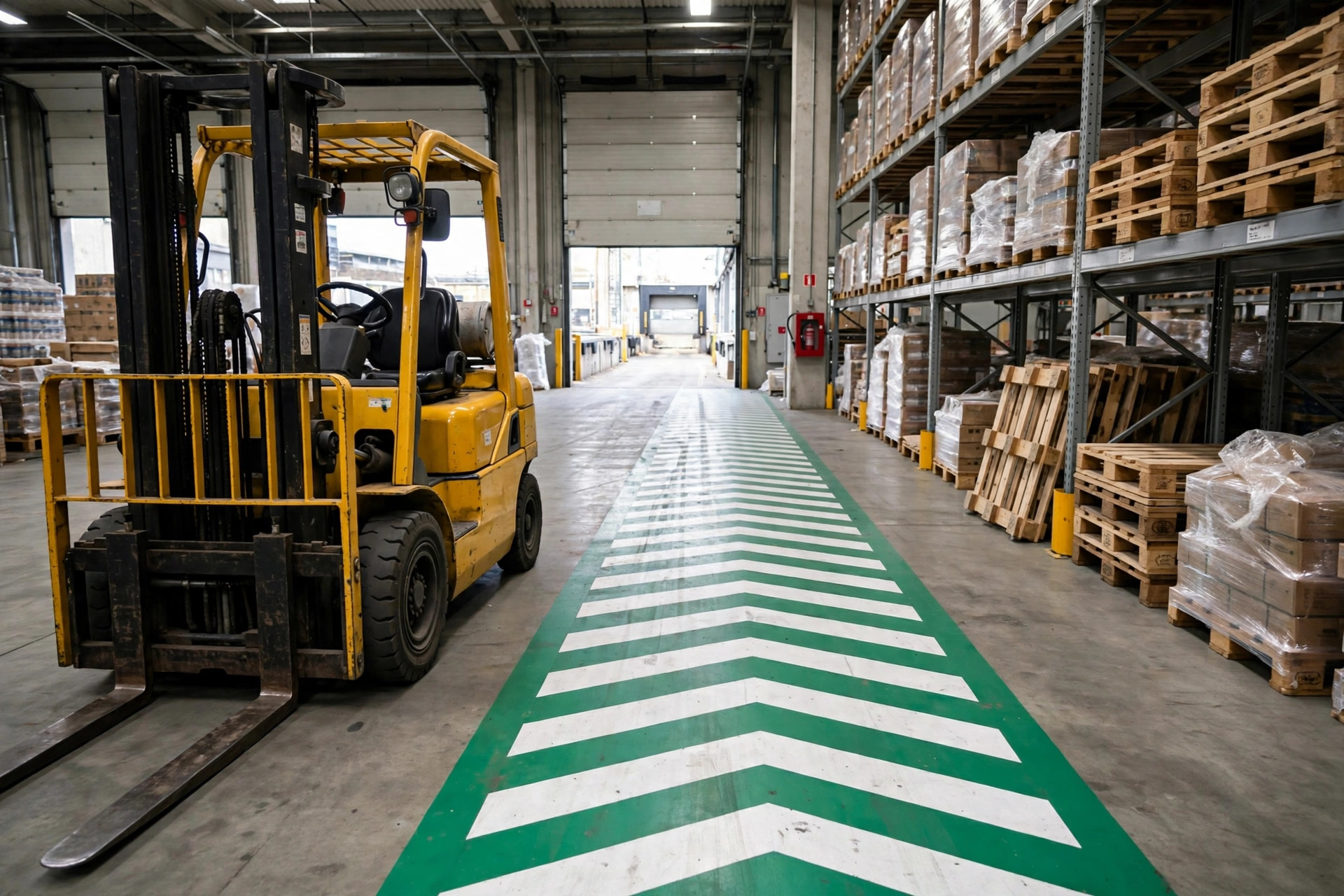
2. How to get out, and where to go. Evacuation routes, which door each person uses, the assembly point outside, who leads each group. The route map goes on the wall — not in the manager's laptop.
3. Who stays behind. The people who shut off power, stop conveyors, close valves. They finish their task and get out immediately — no heroics. OSHA allows critical shutdowns before evacuation, but "shut it down" never means "risk your life."
4. How to account for everyone after evacuation. Who holds the headcount list, where the count happens, what you do when someone's missing. A roster kept in the office is useless when the office is on fire — I've seen warehouses fail on this one more than any other.
5. Who performs rescue and medical duties. Who's first-aid trained, where the first-aid kits and AED are. Writing "call 911" isn't a plan. In the minutes before firefighters arrive, it's just you and your people.
6. Who to contact with questions about the plan. Name and job title, in writing. "Ask your supervisor" means nothing at 2:30 in the morning when nobody knows who's supervising tonight.
Writing It Down Isn't Enough: OSHA's Training Requirements
A written plan is only step one. OSHA also requires you to review the plan with every employee — when they're hired, and again whenever the plan changes. You need an alarm system that covers the whole building. And every person's role has to be spelled out.
Here's what I'll tell you: drills are the lie detector. The prettiest paper plan falls apart the moment you run a drill. Let me give you a good example. In the summer of 2023, a 3PL warehouse in Phoenix, Arizona had a real fire in its battery charging area. From alarm to full headcount at the assembly point: nine minutes. Not one person missing. When the fire crew arrived, the warehouse manager handed the captain a completed roster. Why did it work? They drilled every quarter. Evacuation maps hung at every aisle entrance. New hires walked the evacuation route on day one.
Now do the math with me. One drill costs you half an hour of downtime — a few thousand dollars of output. One real fire with a botched evacuation costs injuries, an OSHA serious-violation fine starting in the five figures per violation (amounts adjust yearly — check OSHA's current published penalties), a shutdown order, and lawsuits. You tell me which one is cheaper.
Straight Talk for Warehouses and Shippers
After all these years on the road, I've been inside close to a thousand warehouses. Here's my street-level advice on emergency readiness, every bit of it paid for with somebody's bad night:
First, keep the plan under two pages. Nobody reads past page two. What you need is one evacuation map plus one responsibility chart, laminated, on the wall.
Second, pick the assembly point wisely. I've seen one set right at the loading dock entrance — in a real fire, the fire trucks couldn't get in and everyone was trapped at the door. The assembly point must be open ground, clear of fire lanes, and known to every shift.
Third, keep the roster at the assembly point. A waterproof pouch zip-tied to a column, or one designated person who carries it. A roster in the office is scrap paper during a fire.
Fourth, no more than two or three people stay behind, and they must be volunteers, trained, and clear on when to abandon the task. I've watched an old-timer decide "one more valve won't hurt." That mindset kills.
Fifth, don't forget us drivers. We spend half our lives queued at your dock doors. When something goes wrong, we need to know where to run too. The good warehouses hand drivers a small card at the guard shack with the evacuation route and assembly point drawn on it. One little card. It can save a life.
And here's the counterintuitive part: the warehouse with the thickest emergency plan usually has the worst drills. The plan isn't written for the OSHA inspector. It's written for the night-shift kid at 3:30 in the morning, half asleep, hearing a fire alarm for the first time in his life. If he can understand it, remember it, and run it right, the plan works. If not, all those pages are just paper.
There's an old saying among us drivers: hope for the best, plan for the worst. A warehouse emergency action plan is exactly that — planning for the worst on paper, before the worst shows up at 2:30 in the morning. In a warehouse, that isn't a saying. That's the whole job.
By Shifu Zhao, Trucking Veteran (15 yrs)