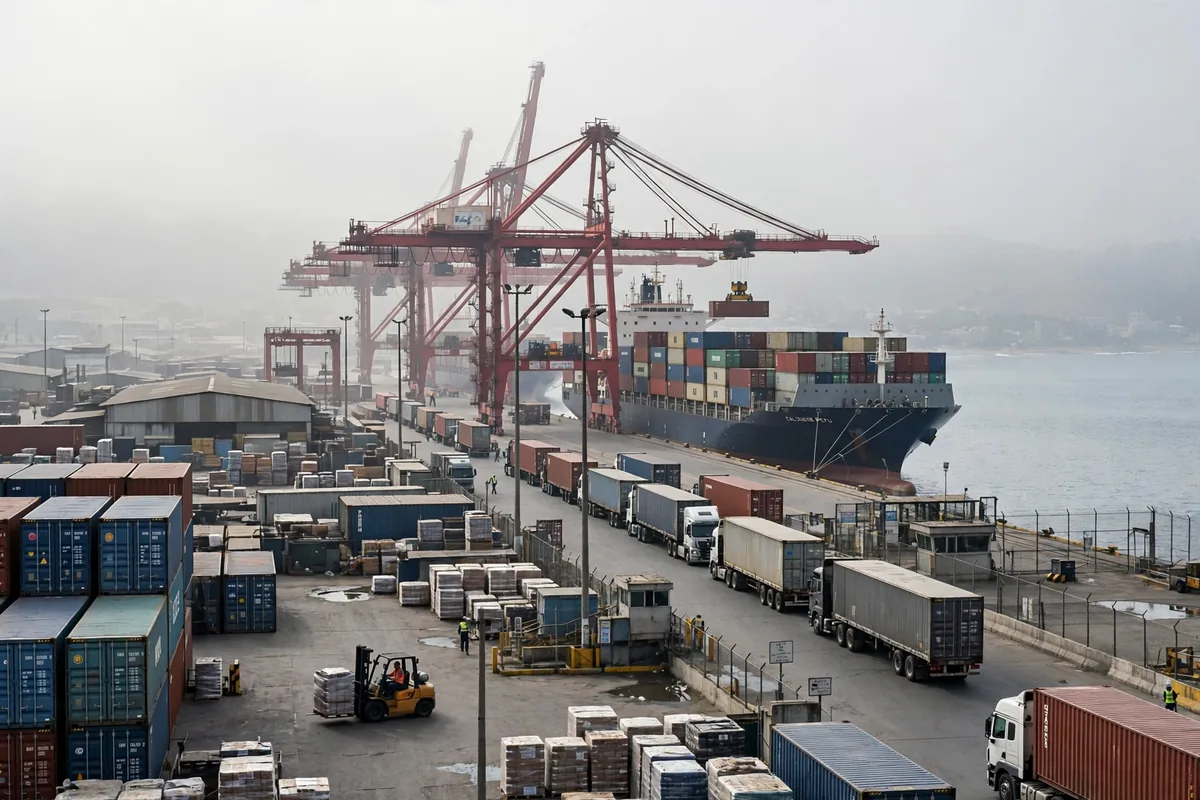
Start with the math, not the warehouse tour. Suppose you have a parcel of Kenyan black tea to ship out of Mombasa and two quotes on the table. The port-side warehouse is close to the terminal and its storage rate is visibly higher. The inland warehouse is cheaper per pallet, but every lot needs an extra haul to the port and usually waits longer for consolidation. Compare storage rates alone and inland wins. Add haulage, waiting days, and the expected cost of a moisture or taint claim, and the answer frequently flips. A mombasa kenya tea export warehouse decision is never won on the rate line. I have analyzed logistics costs for years, and tea is one of the few commodities where storage conditions directly determine cargo value. Choose the warehouse wrong and the rent you saved will not cover one tainted lot.
Some context, stated carefully. Kenya is one of the world's major black tea exporters, Mombasa hosts a well-known tea auction, and a large share of East African tea leaves through Mombasa port. That is industry common knowledge. For current export volumes and auction prices, use the latest figures from Kenya's tea authorities and the auction itself; I am not going to freeze numbers here that age badly. Every figure below that comes from a worked example is labeled as an assumption. It is a framework for your calculation, not a quotation.
The first cost in a Mombasa Kenya tea export warehouse: moisture and taint
Tea has two enemies in storage: moisture and odor. Tea is a dry cargo that absorbs both aggressively. Poor humidity control and the tea deteriorates. Store it near spices, hides, or fertilizer and it picks up foreign odors — and at auction, tainted tea gets marked down without negotiation. In a tea warehouse cost structure, moisture control and segregation are not value-added extras. They are insurance on the cargo's value.
Case one. In 2022, I helped a tea-trading friend do a post-mortem on a parcel. To save rent, he had stored tea awaiting auction in a general-purpose warehouse, with spice cargo in a neighboring bay. The storage period was not even long. At grading before the sale, the lot was flagged for foreign odor, and the realized result came in clearly below his expectation. I do not have an authorized exact figure, so I will not invent one. The conclusion needs no figure: the rent he saved and the value he lost were not in the same order of magnitude. That is money spent badly — or rather, money saved badly, by treating tea like ordinary dry cargo.
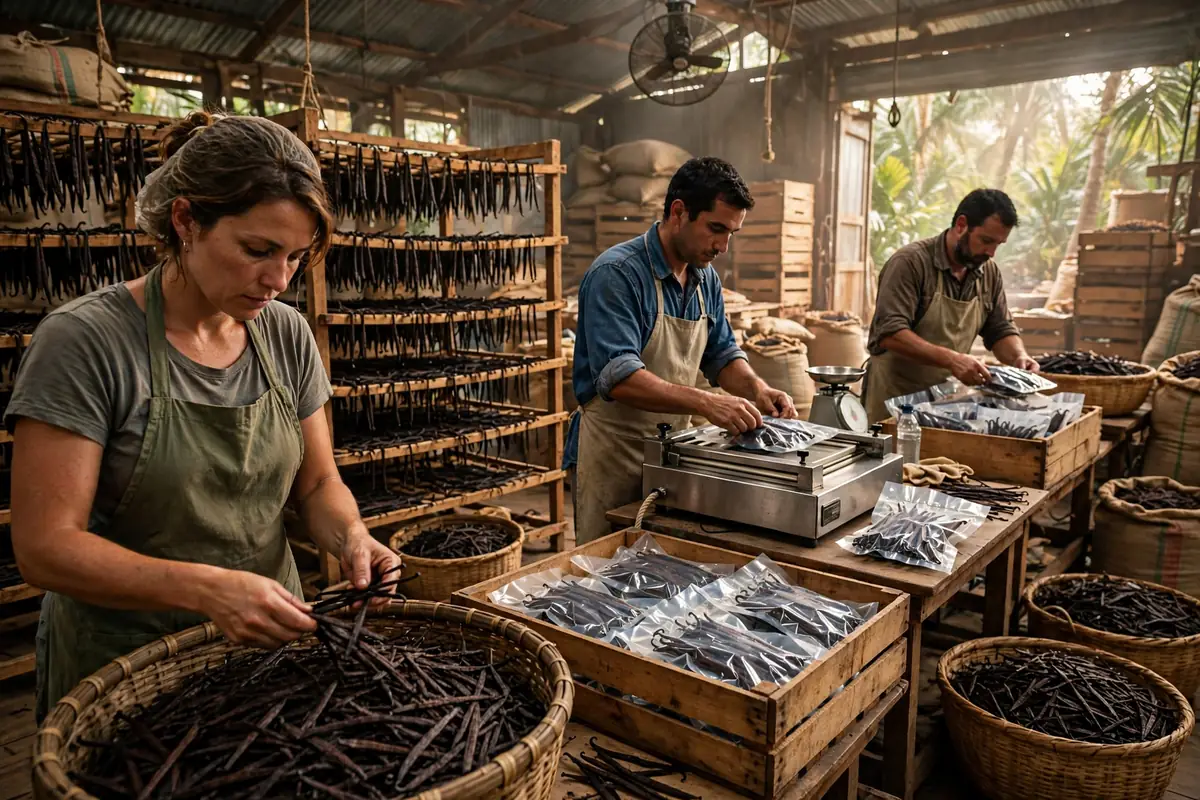
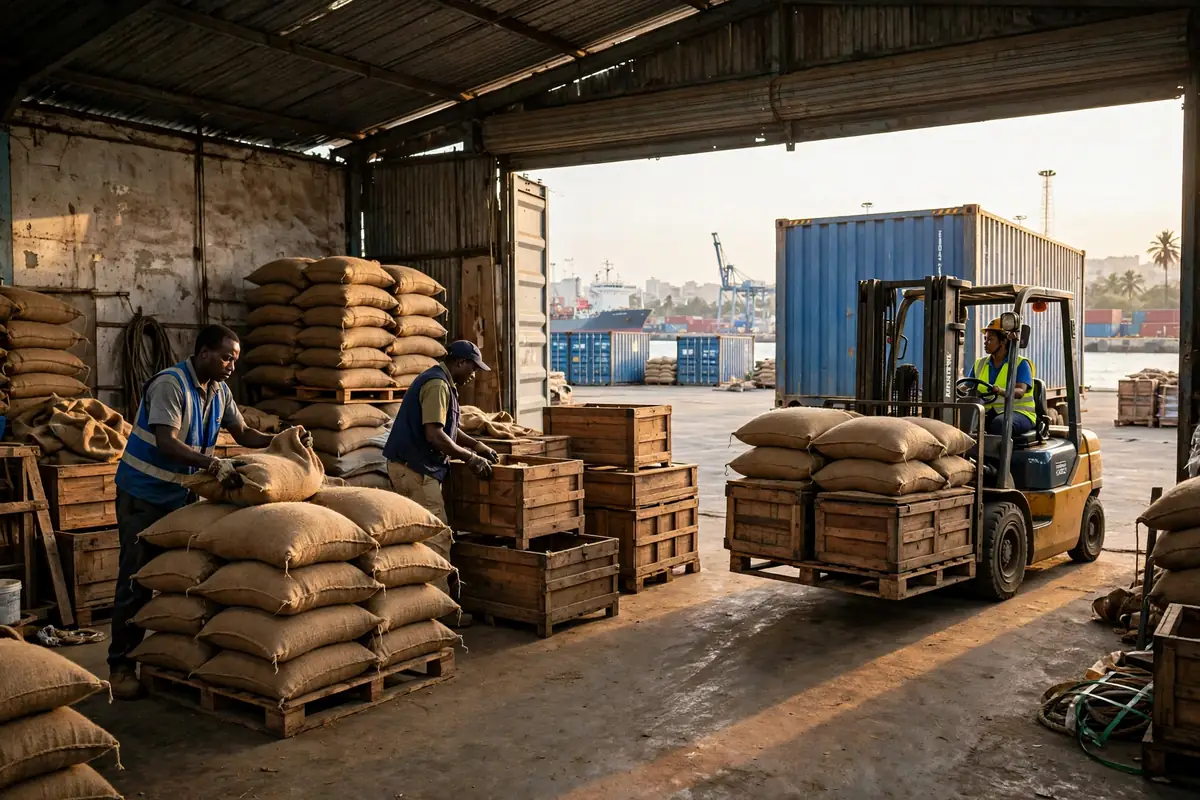
Break the cost down and a tea warehouse charges you for three things. First, a dry environment: dehumidification, or at minimum reliable ventilation and proper dunnage, with cargo kept off the floor and away from walls. Mombasa is a humid coastal city, more so in the rainy seasons. This is not optional equipment. Second, segregation: tea must be stored away from odor-emitting cargo, in a separate building or under strict zoning. Go and smell the warehouse before you sign; your nose will tell you more than a brochure. Third, turnover: every extra day in store is another day of moisture and taint exposure, plus another day of working capital locked in the lot. In the selection formula for tea, the storage rate is one variable. Environment and turnover deserve higher weights.
Here is the worked framework, with assumed numbers. Say a parcel is worth the equivalent of one million in your accounting currency — an assumption, chosen to make the ratios easy. If poor storage knocks even a few percentage points off the realized price, the loss is in the tens of thousands. The rent difference between two warehouses for a month is normally far smaller than that. Once the ratio is on the table, the priority is obvious: protect value first, optimize rent second. For a live project, substitute your cargo value, expected dwell days, both warehouses' actual quotes, and any claims history you can obtain.
Grading, consolidation, and the auction clock
A large share of Mombasa tea sells through the auction, and the auction runs on a fixed rhythm. Tea must be sampled, graded, and registered before a sale. Miss a round and you wait for the next one — and every waiting day adds storage charges, funding cost, and environmental exposure. So the right location for a tea export warehouse is set by the auction and vessel calendar, not by the rent roll.
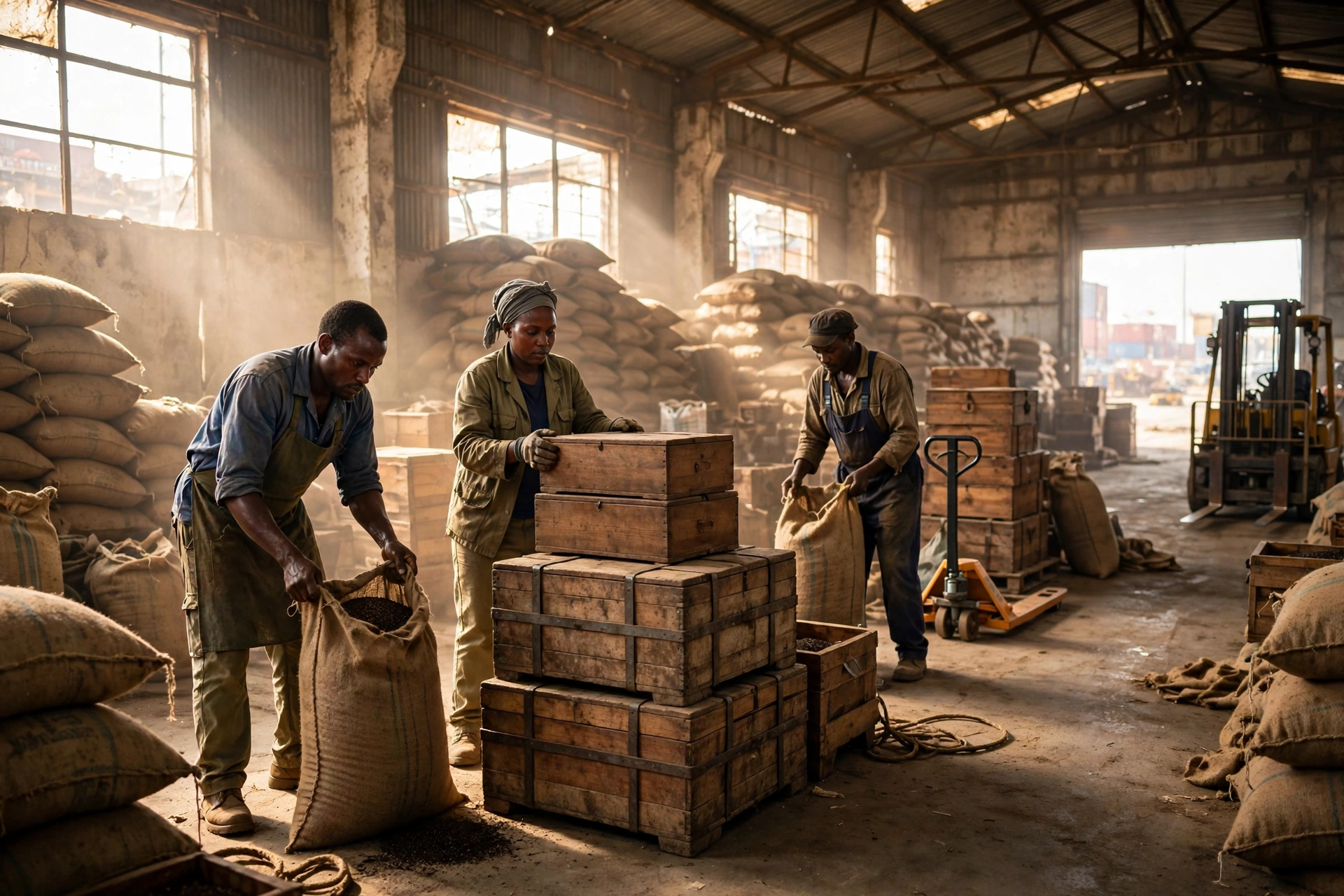
Case two. In 2023, an exporter stored tea in an inland warehouse well away from the port because the rent was cheap. In quiet weeks, fine. Then one auction round required additional samples and a change to the consolidation plan. The tea shuttled between the inland store and the port area, samples arrived with almost no time to spare, and an unplanned haulage bill appeared. Consolidation deserves emphasis: tea exports routinely combine multiple grades for multiple buyers in a single container. Before loading, lots must be regrouped by buyer and grade. If the warehouse does not stack by grade with disciplined mark management, finding and restacking lots multiplies handling time — and a lot loaded into the wrong container is worse. Amendment and delay charges follow the carrier's and local current tariffs; check those rather than trusting any number in an article.
Now put port-side and inland side by side. This table compares cost structure, not prices. Get prices from current local quotations.
| Cost item | Port-side warehouse | Inland warehouse |
|---|---|---|
| Storage rate | Higher | Lower |
| Haulage to terminal | Short dray, low cost | Long haul, higher cost, road-dependent |
| Auction sampling and transfers | Fast, fits the sale rhythm | Slow, risks missing a round |
| Consolidation | Near-port, tight vessel connection | Requires transfer first, extra handling |
| Working capital | Faster turnover, lower lock-up | More waiting, higher lock-up |
The counterintuitive conclusion: for a cargo that moves to an auction rhythm and fears moisture and odor, the lowest total cost often comes from the warehouse with the higher sticker rate. Inland storage is not useless. It fits large, steady volumes with a single buyer and grade, where tea can sit cheaply inland and move to the port in batches as shipment approaches. That two-stage pattern only works if transfer time and cost are locked into the total-cost model — and into the contract — before the vessel clock starts ticking.
My decision framework is three sentences. One: if the lot must catch an auction round or a vessel, prefer port-side; the waiting cost you avoid usually covers the rent gap. Two: if the lot has many grades and buyers and complex consolidation, pay for disciplined grading and mark management; error cost, not rent, is the big number. Three: if volume is large, steady, and stored long, use the inland-plus-port two-stage model, with transfer charges fixed in the contract in advance.
The calculable conclusion, as always: do not compare tea warehouses by rate. Compare the total cost per lot from gate-in to loaded on vessel — storage plus haulage plus the funding cost of one extra auction round, plus the expected loss from one moisture or taint event. Run that total for both options, and the Mombasa Kenya tea export warehouse choice makes itself.
By Lao Zhou, Logistics Cost Analyst