After fifteen years behind the wheel, the thing I dread most is not a long road. It is arriving at the port gate and not getting in. A buddy of mine who runs the South America lane told me about a pickup at the Port of Callao last year — the best introduction to callao peru port warehouse logistics I know. His ten o'clock pickup window came and went; he arrived at nine, queued behind trucks bending around three corners, and did not clear the gate until past three in the afternoon. That day he said something I still remember: "When the port is flowing, the warehouse calls the shots. When the port is jammed, nobody calls the shots."
Crude, but true. On a normal day, callao peru port warehouse logistics looks simple: pick up the container, haul it back, unload, put it away — four steps and done. But once the port congests, appointments get cancelled, the yard fills up, pickup windows change again and again, and receiving falls apart with it. Plenty of shippers blame the freight bill. I say they are looking at the wrong bill. The big money is in the days when the warehouse and the port stop moving together.
Callao Peru Port Warehouse Logistics: First, Learn the Port's Temper
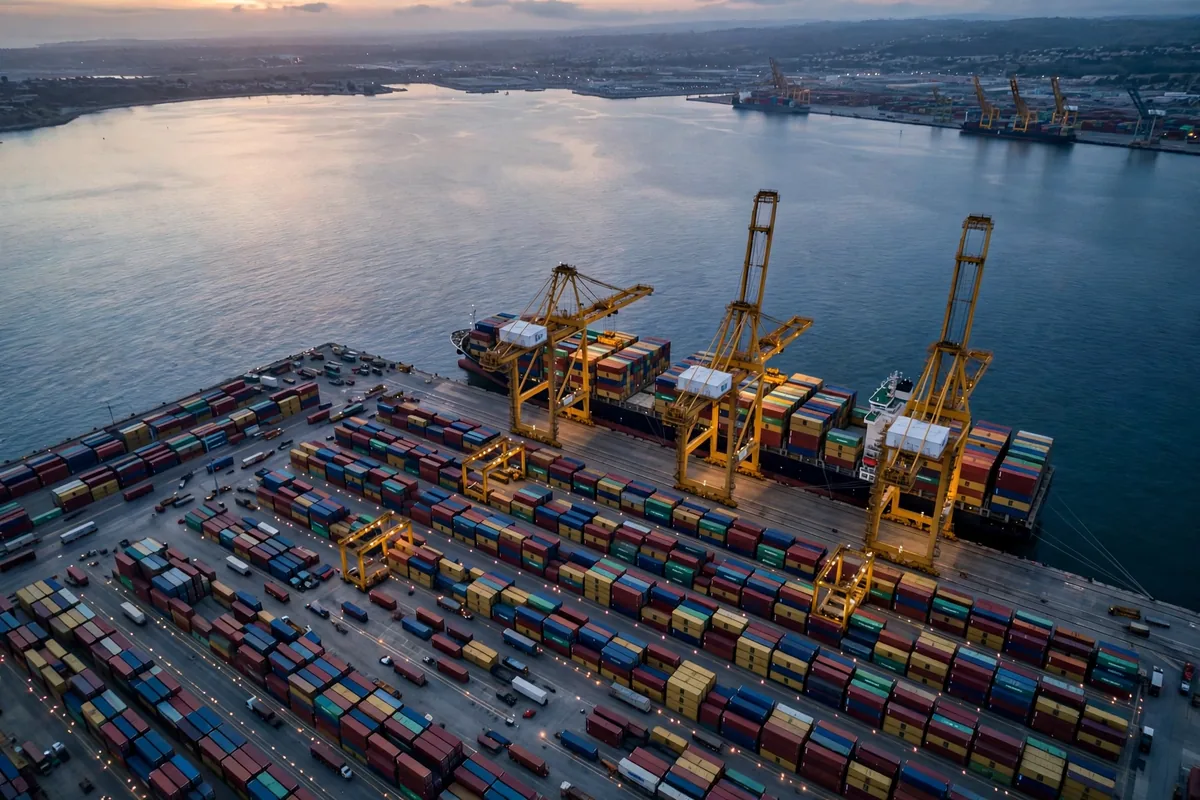
Callao is Peru's biggest container port, the sea gateway for Lima. A port is not like a warehouse. A warehouse is your own ground: you decide what time receiving starts and how many people unload. A port is everybody's ground. When several vessels arrive together, the gates, the yard, and the cranes all queue up. Containers come off fast, the yard fills, and the pickup rhythm follows the port, not your plan.
His partner warehouse sits just outside Lima — normally a half-day round trip. But when the port congests, the time a truck spends queuing at the gate is longer than the time it spends driving. Meanwhile the warehouse had staffed receiving for the appointment time: people in place, forklifts ready, and the container still sitting in the port. Hands idle, slots empty, and the next shipment already pushing in behind. That is what a broken link looks like — the port does not know when the warehouse can receive, the warehouse does not know when the port can release, and the driver is stuck in the middle relaying messages by phone.
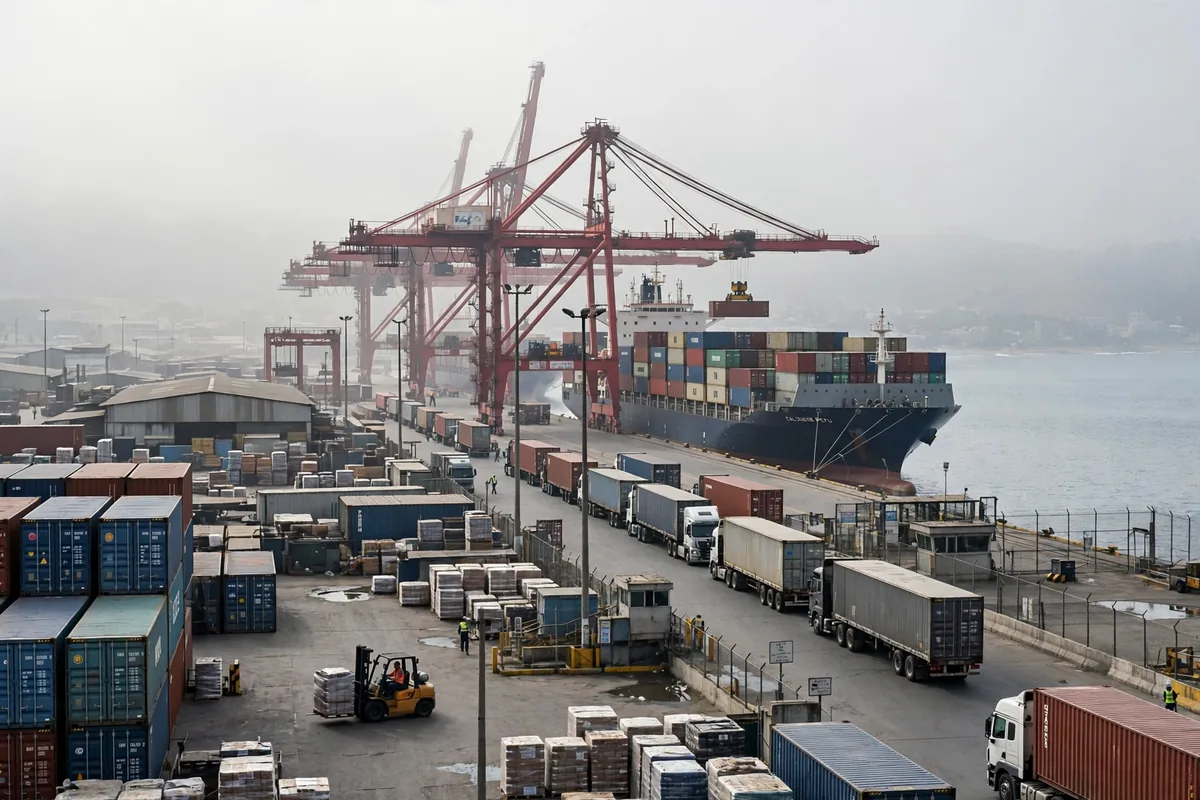
There is another detail outsiders never think of: a container coming off the ship is not the same as a container ready for pickup. It has to land in the yard and clear release paperwork before the truck can come in. Once, my buddy's box was already off the vessel, and he still waited a whole morning at the gate — the yard was stacked so deep that his container was buried and the crane had to reshuffle a whole row to reach it. The warehouse waited on that cargo for outbound orders, the shipper on delivery dates, and the driver could only wait. On the Callao lane, never treat "discharged" and "ready to pick up" as the same thing.
So the first rule: before dispatching a truck, ask the port, not the warehouse. Has the vessel berthed, which yard is the box in, is the appointment window still valid — confirm those three, then send the truck. Do not dispatch today's truck on yesterday's news; congestion changes day by day. And keep the receiving window flexible. When the port is jammed, stretch the receiving shifts and keep slots open rather than scheduling to the minute.
The Three Kinds of Chaos That Break the Port-Warehouse Link
Fifteen years on the road, and I have boiled it down to three kinds of chaos. The first is appointment chaos. When the port congests, pickup appointments get moved — a morning slot slips to the afternoon, an afternoon slot slips to tomorrow. The driver only finds out at the gate, and the fuel and the hours are wasted. The second is yard chaos. Where the box is stacked and when it can be dug out, neither the warehouse nor the fleet knows in advance — you wait for the terminal's call. The third is information chaos. The shipping line, the terminal, the warehouse, and the trucking company each quote a different time, and the shipper in the middle gets four versions of the truth after a round of phone calls.
A Lima warehouse took in imported equipment on a day vessel arrivals bunched up and the yard filled. The box could not come out; the manager called the fleet daily, the fleet queued daily, each side sure the other was not trying. In the end the warehouse gave way — receiving pushed back two days, slots and roster reworked — and when the box came out they unloaded overnight and made the outbound orders behind it. When the port is jammed, the warehouse stepping back one step makes the whole chain move.
All three kinds of chaos share one root: the warehouse and the port run on different clocks. The port runs on vessel schedules, the warehouse on orders, the fleet on appointments — three timetables, one collision. Before the cargo lands, get the warehouse, the fleet, and the forwarder on one call and line up the vessel schedule, the appointment, and the receiving window. When the port congests, repeat that call at a fixed time every day. Small thing, but I have seen big messes start with one call that never happened.
The Math When the Port Is Congested: A Callao Warehouse Logistics Worked Example
Here is how the math really works. Most people price congestion as extra fuel and driver waiting time. That is only the small change. The real money sits at the warehouse: receiving crews standing idle, slots blocked so nothing else can turn over, outbound plans pushed back, one delay chaining into the next. The table below is built from a driver's experience. The figures are a hypothetical worked example for illustration only, not official rates — they exist to show how the three pickup rhythms differ in cost:
| Pickup rhythm | Extra time (assumed) | Where the cost shows up |
|---|---|---|
| Wait for the appointment window | 1–2 extra days assumed | Driver idle, receiving crew rescheduled |
| Off-peak pickup (night / early morning) | Half a day assumed | Night-shift premium, but far less queuing |
| Temporary yard storage, pickup in batches | 1 extra day assumed | Yard storage fee, but warehouse receiving stays orderly |
Counterintuitive, but true: the more congested the port, the less you should push drivers to squeeze in. When the whole fleet rushes the gate, the queue gets longer, drivers get more tired, and accident risk climbs. The move that actually saves money is on the warehouse side — keep an extra day of slot capacity and flexibility, and let the pickup rhythm follow the port instead of forcing the port to follow your plan. In the end, callao peru port warehouse logistics is not a contest of who has more trucks. It is a contest of whose plan has more give in it.
What scares us drivers is not the jam, it is not knowing what is going on. For cargo through Callao, check the vessel schedule, the appointment, the yard, and the receiving window every single day. When it jams, at least you will know why. The warehouse and the port are two ends of the same rope. Pull it tight and nobody moves well. Leave a little slack, and everybody gets moving.
By Shifu Zhao, Trucking Veteran (15 yrs)