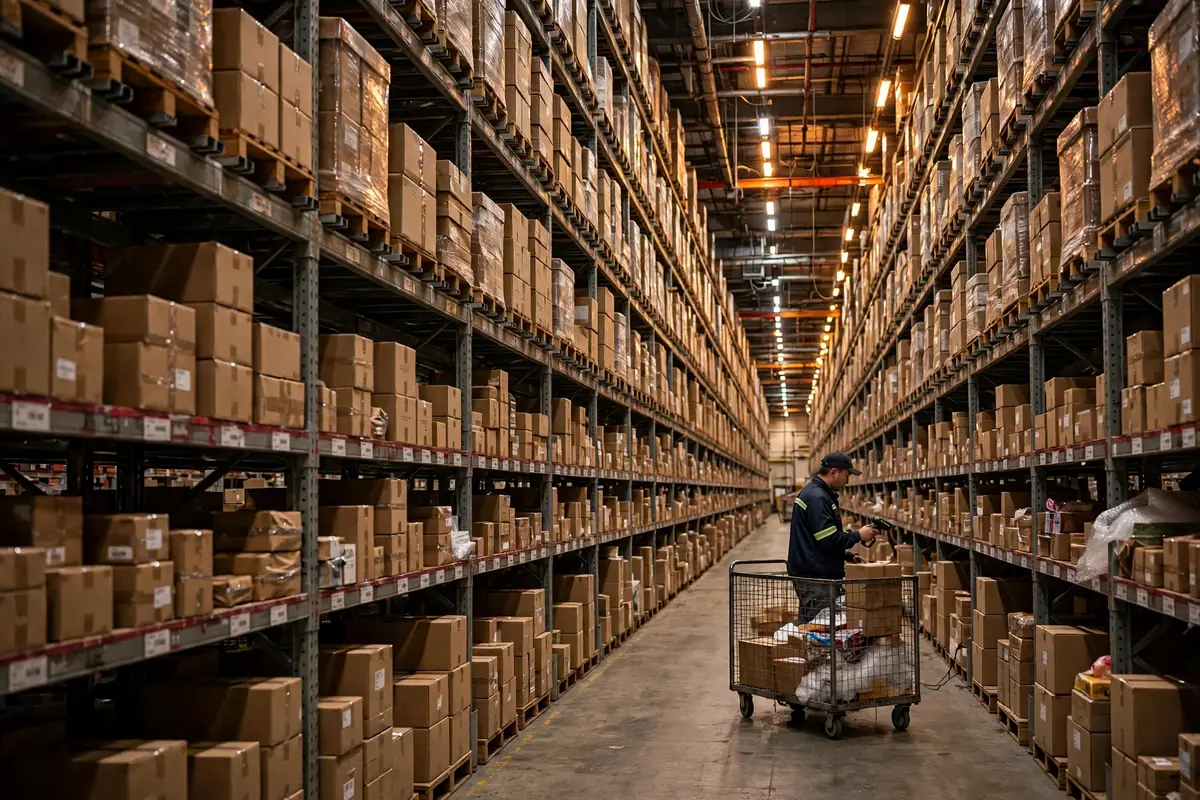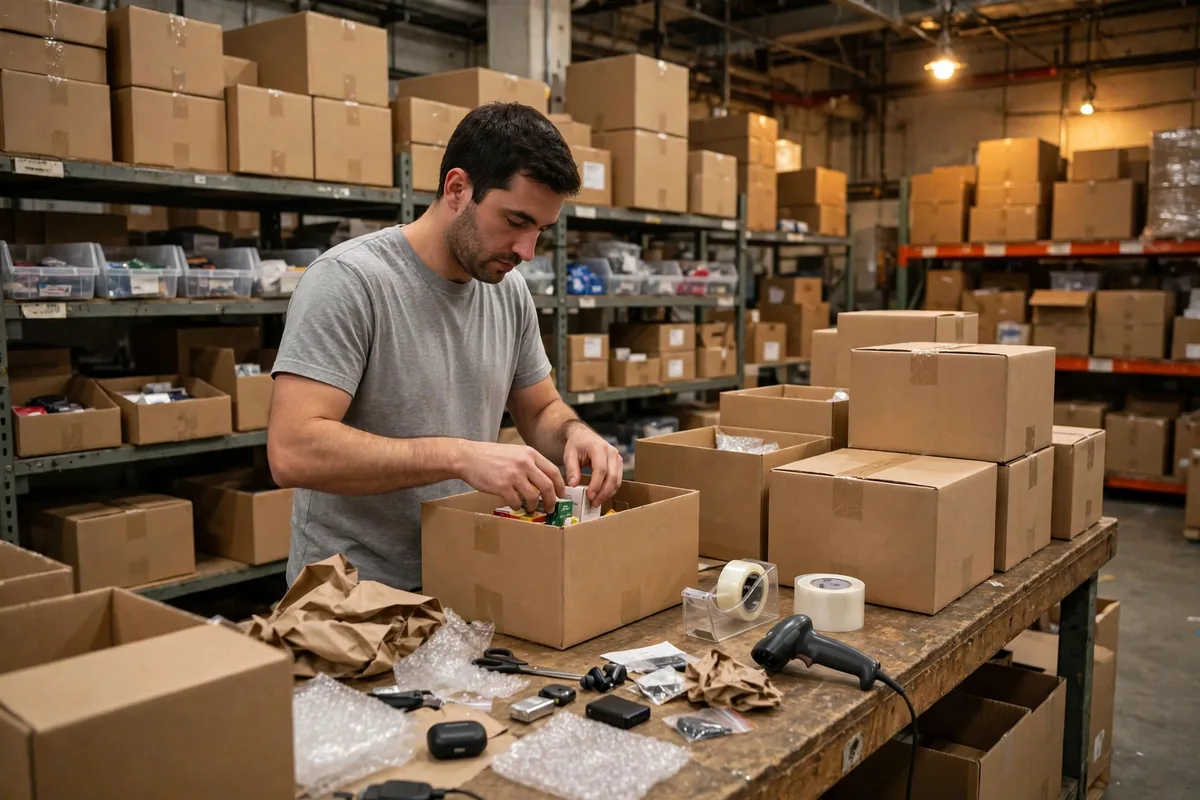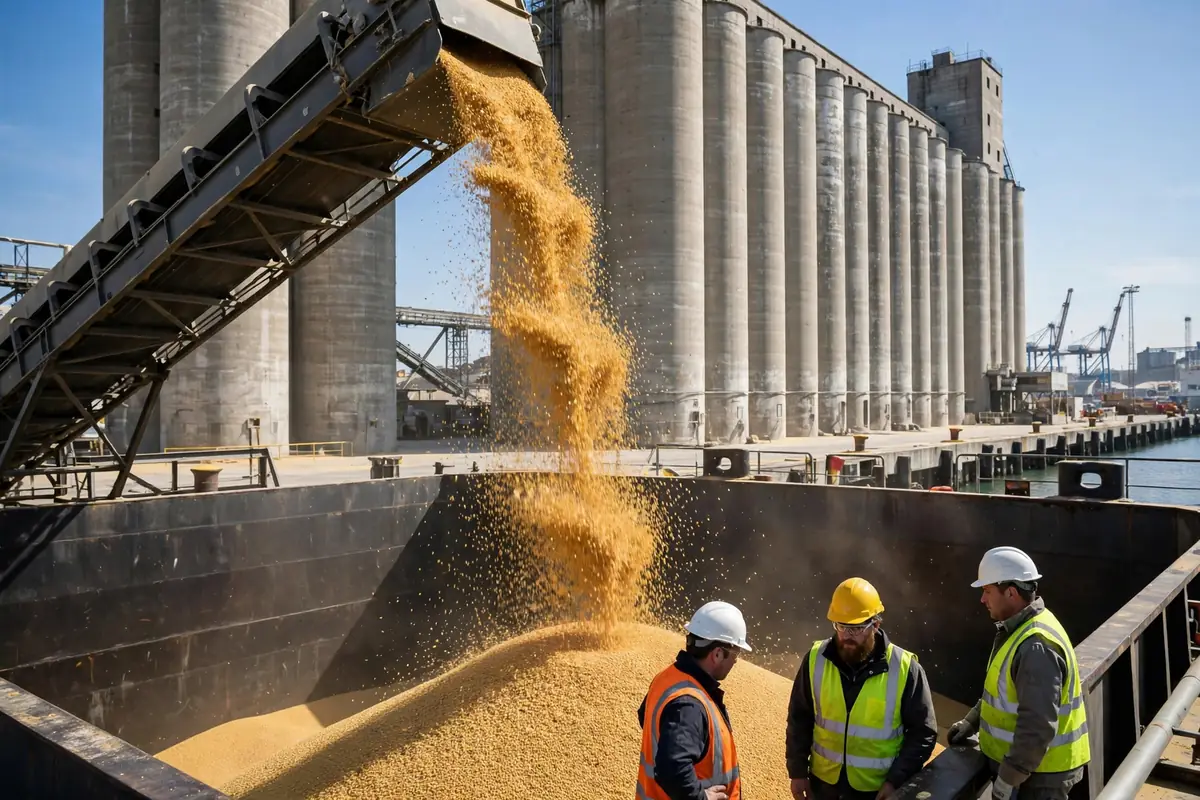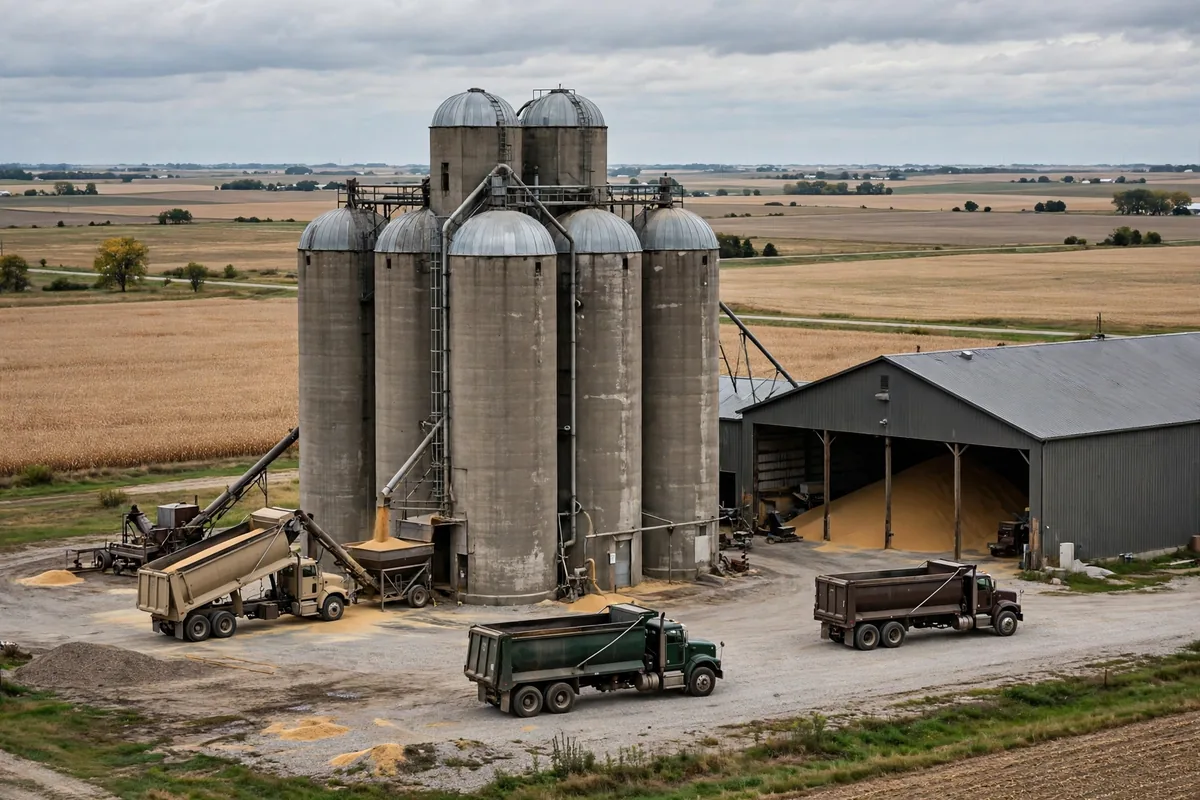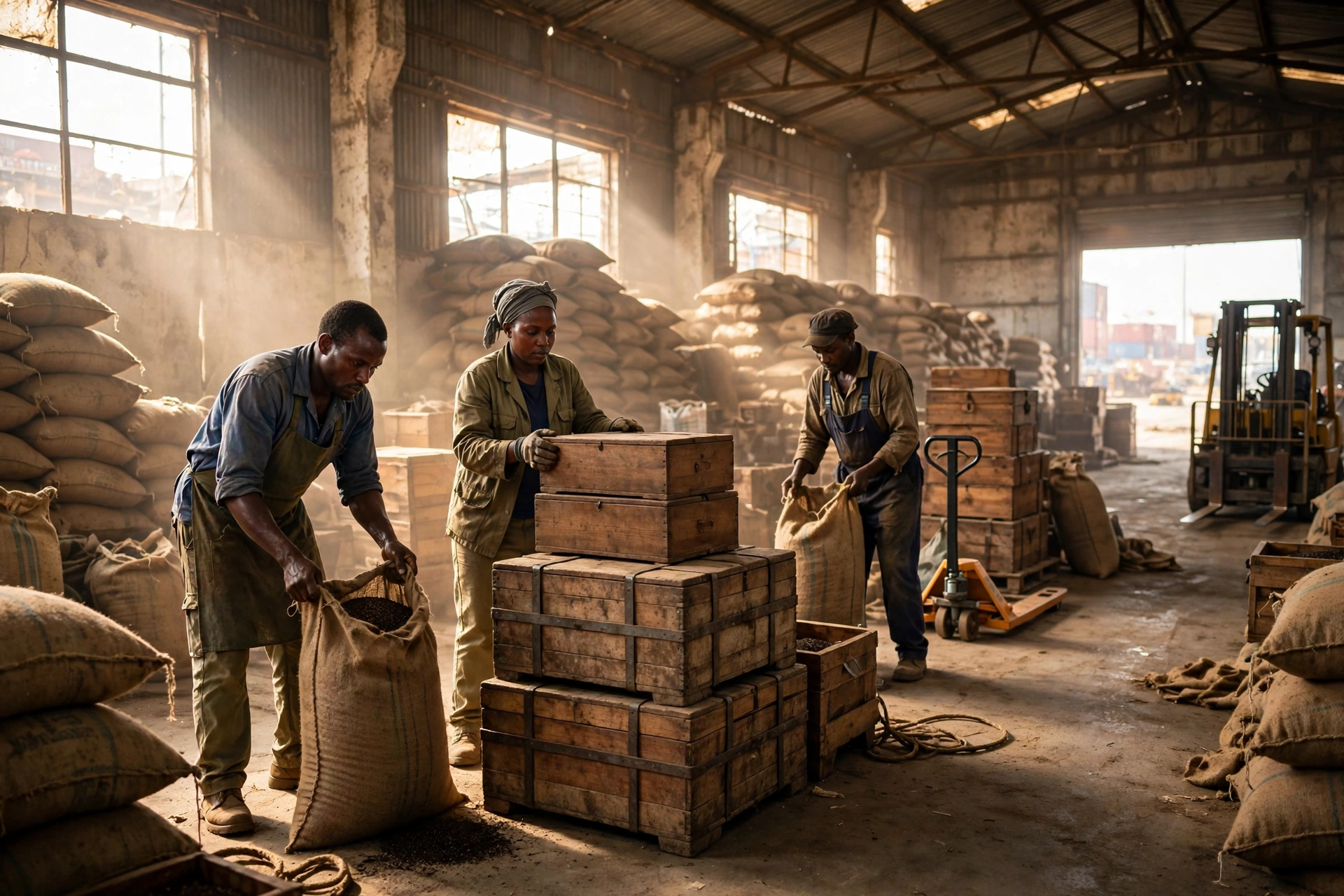
Here is my verdict up front: in Kenya tea export warehousing, the winner is never the exporter who found the cheapest warehouse in Mombasa. It is the one who understands the rhythm of the Mombasa auction. Kenya tea export warehousing in Mombasa is really about three things: keep the tea dry, keep it free of strange smells, and never let auction delivery slip. Get one of them wrong, and months of work in the tea gardens lose value at the port.
I have seen too many exporters do the math backwards. They stare at the rent per square meter, push their tea into the cheapest shed they can find, and then the rainy season arrives. The bottom layer of chests picks up moisture, the auction house downgrades the lot at inspection, and the money saved on rent does not even cover the price cut. Warehousing looks like a cost to cut. With tea, cutting it in the wrong place costs you the value of the whole lot.
Start with the Mombasa auction, not the warehouse price
Mombasa is one of the largest black tea auction markets in the world, with auctions running every week. That weekly rhythm decides how you rent space and how you stack your tea.
An auction is not a market stall where you sell whenever you like. Tea travels from inland factories to Mombasa, enters a warehouse approved by the auction system, gets inspected, graded, and catalogued, and then waits for its slot. Buyers sample it, bid, and the lot sells. Only then does delivery begin. The warehouse is not your backyard shed. It is a step inside the auction process itself. Where your tea sits, and how neatly it is stacked, affects how fast inspection moves.
A friend of mine learned this in the rainy season of 2023. A lot from the Kericho tea region spent an extra day on the road, and the packaging arrived slightly soft. He wanted to save money, so he put it into a cheap warehouse by the roadside, thinking it would only sit there for a few days. The floor sat low. One night of rain, and damp rose from the ground. A dozen chests at the bottom had mouldy outer packaging. The auction house downgraded the whole lot, the buyer pushed the price down, and when my friend added it up, the loss would have paid for six months in a proper warehouse. That was not bad luck. The risk was priced in the moment he chose the warehouse.
So my first rule is simple: in Mombasa, check moisture protection before you check price. Is the floor raised? How is the ventilation? Has the building leaked in past rainy seasons? Are the chests kept clear of the walls? Ask those questions before you sign, not after you start arguing about damage.
From the Kenyan factory to the Mombasa port, two lines you do not cross
Most Kenyan tea grows in the highland tea regions of the west, hundreds of kilometres from the port of Mombasa. From factory packing to the truck ride to port storage, tea fears two things above all: damp and foreign odours.
Tea absorbs smells far more easily than most people realise. Share a container with spices, chemicals, or even strongly scented timber, and a few hours is enough to taint it. An auction buyer can smell it at once. The aroma is no longer clean. I have seen too many exporters lose money on consolidated loads: they saved one truck fare by mixing tea with other cargo, and by the time the tea reached the port, it was no longer the same tea.
Moisture is the same story. Tea chests look solid, but paper and wooden chests both fear water. In the Kenyan rainy season, rain arrives without warning, and one gap in a truck tarpaulin can ruin a whole load. My method is old-fashioned, but it works: before loading, check the tarpaulin, check the floor of the truck, check the stacking. Raise the chests off the truck bed, leave air gaps between them, and when the load reaches the warehouse, do not just unload and leave. Pull a few chests from the bottom layer and the corners first, and check whether they feel soft or damp. That inspection takes half an hour at most. It can save a week of trouble later.
Consolidation deserves the same honest calculation. Sharing a container saves freight. It gambles on tainting and mixed lots. My judgement is this: high-grade tea should travel alone, even if the truck costs more. Standard grades can share a load, but only when you know exactly what the other cargo is, and the contract says who carries the risk. The freight saving is visible. The loss from tainted tea is invisible, until a buyer smells it, and by then it is too late.
One day late on Mombasa delivery, and the cost climbs
After the hammer falls, delivery has a clock on it. The buyer pays, the warehouse releases the goods, the container is loaded, and the ship sails. If one link slips, storage charges, port delays, and missed sailings all pile up behind it.
I have seen an exporter lose more on two days of late paperwork than he made on the whole order. The auction had closed, the documents were not ready, the warehouse could not release the tea, the container waited outside the port, and the shipping line moved his sailing. By the end of it, he told me the delay cost more than his profit on the lot. Put plainly, auction delivery is not a contest over who has the best tea. It is a contest over whose paperwork and warehouse handover fit together tightest.
Here is the counterintuitive part: many people think the higher the auction price, the more you should save on storage, because every shilling saved is profit. It works the other way round. The better the tea, the more it is worth putting in a good warehouse. Most of the premium on fine tea comes from appearance and aroma, and both of those are guarded by storage. Save one unit of money on the warehouse, and the auction price can fall by ten. Plenty of people get that sum backwards.
So how do I choose? I sort by grade, not by owner. High-grade tea goes into the best-conditioned warehouse, even if the rent is higher. Standard tea can go into a standard warehouse, but the floor on moisture protection and ventilation never moves. When the auction schedule is tight, I confirm the pickup window with the warehouse in advance. Do not wait until the lot is sold to discover that the forklifts and the labour are already booked out.
| Trade-off | The cheap way | The real cost | What I do |
|---|---|---|---|
| Picking the cheapest warehouse | Lowest rent | Rain damage, downgrading, price cuts | Check moisture and ventilation first, price second |
| Mixing tea with other cargo | Shared freight | Tainting, mixed lots, rejected tea | High-grade tea travels alone; confirm consolidation partners first |
| Leaving documents until after the sale | Less staff time | Port delays, missed sailings, rising storage charges | Prepare documents before the sale, book the pickup window early |
| Stacking floor to ceiling | More tea per square meter | Slow inspection, hidden damp at the bottom | Leave ventilation gaps and an inspection aisle |
In the end, every exporter picks two out of three
Kenya tea export warehousing forces a choice between three things: cost, speed, and condition. You cannot have all three.
Want the lowest cost? Accept slower handling and bigger risk. Want to protect condition? Spend more on storage and transport. Want speed? Book the warehouse space, the trucks, and the documents ahead of time, especially in the peak season. When the rainy season collides with a busy auction calendar, warehouse space and trucks in Mombasa get tight. Book late, and you pay double, if you can find space at all.
Tea warehousing is not a cost centre. It is part of your pricing power. The auction house and the buyers can see exactly what condition your tea is in while it sits in a Mombasa warehouse. Store it well, and the tea earns its price. Store it badly, and no tea garden can rescue it.
Before your next shipment, walk the warehouse yourself. Look at the floor, smell the air, and ask how they handle the rains. That half hour is worth more than running the freight calculation ten times in your office.
By Lao Mi, Supply Chain Veteran (20 yrs)