I'll give you my conclusion first: if you live in China and your warehouse is in America, don't trust the system balance. Count it yourself — a full count twice a year, once before peak season and once after the holidays, with spot checks filling the months in between.
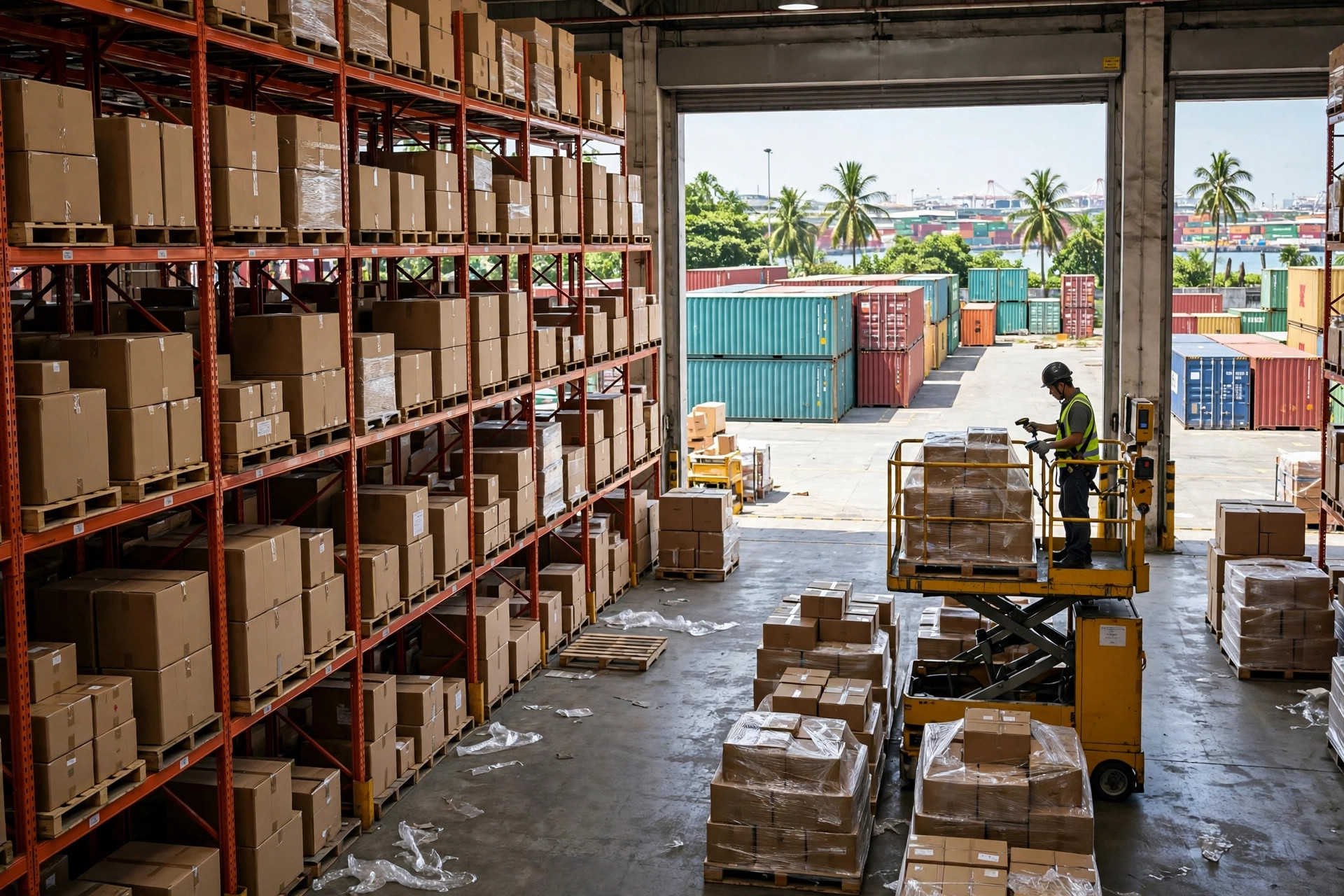
Why? In 2023 I worked on a project at a 50,000-square-foot 3PL warehouse in the City of Industry. The system balance and the physical stock were off by 7%, and it took two weeks to find the cause: returned units sitting in the returns area had never been put back into sellable inventory. Systems don't correct themselves. Only counts force them to. And when you're an ocean away from the building, you have to run those counts differently.
The audit calendar: two full counts a year, spot checks every month
Tier it. A-items — your bestsellers and high-value SKUs — get counted monthly. B-items quarterly, C-items twice a year. Full wall-to-wall counts happen twice: around September, before the holiday rush, and around March, after things settle down. That rhythm was bought with real pain. If you go into peak season without a clean count, you won't even know how much you actually own when the orders flood in.
Beyond the ABC tiers, I keep a fourth category: high-risk SKUs. Anything matching one of three traits goes in — fragile (glass, ceramics), high unit value (tens of dollars at factory cost), or expiry-sensitive (food, cosmetics, and batteries with a shelf life). These aren't hard to count; they're expensive to get wrong. Breakage means an argument about who packed it, a lost unit means real money, and an expired lot means a full write-off. This category gets its own count plan, monthly; pull your spot checks from it first; and always walk the returns and damage areas for these SKUs. Don't gamble on the C-tier half-year cycle — losing that bet is a whole batch in the trash.
Give the warehouse two weeks' notice that a count is coming — but send the actual SKU and bin list at 9 a.m. on the day. Handing over the list early just tells them where to focus, which kills the randomness that makes spot checks work.
The person doing the counting should ideally be a third party, or you flying over yourself. Is the trip worth it? Do the math: a round-trip ticket plus a few hotel nights runs several thousand dollars. A 5% shrinkage on a $500,000 inventory is $25,000. The math is easy; making the decision is the hard part. When flying over isn't possible, a live video spot check is the minimum viable approach. Here's how to run one so it can't be staged.
Video spot checks: make it impossible to stage
A video spot check isn't a casual video call. The process has to be airtight.
Send the count list at 9 a.m.; the warehouse goes live at 10. The camera stays in the racking aisles the whole time — every bin scanned, every quantity called out, discrepancies screenshot on the spot. Record everything, upload the footage to a shared drive the same day, and keep it for at least a year. You pick the SKUs randomly; the warehouse doesn't know in advance.
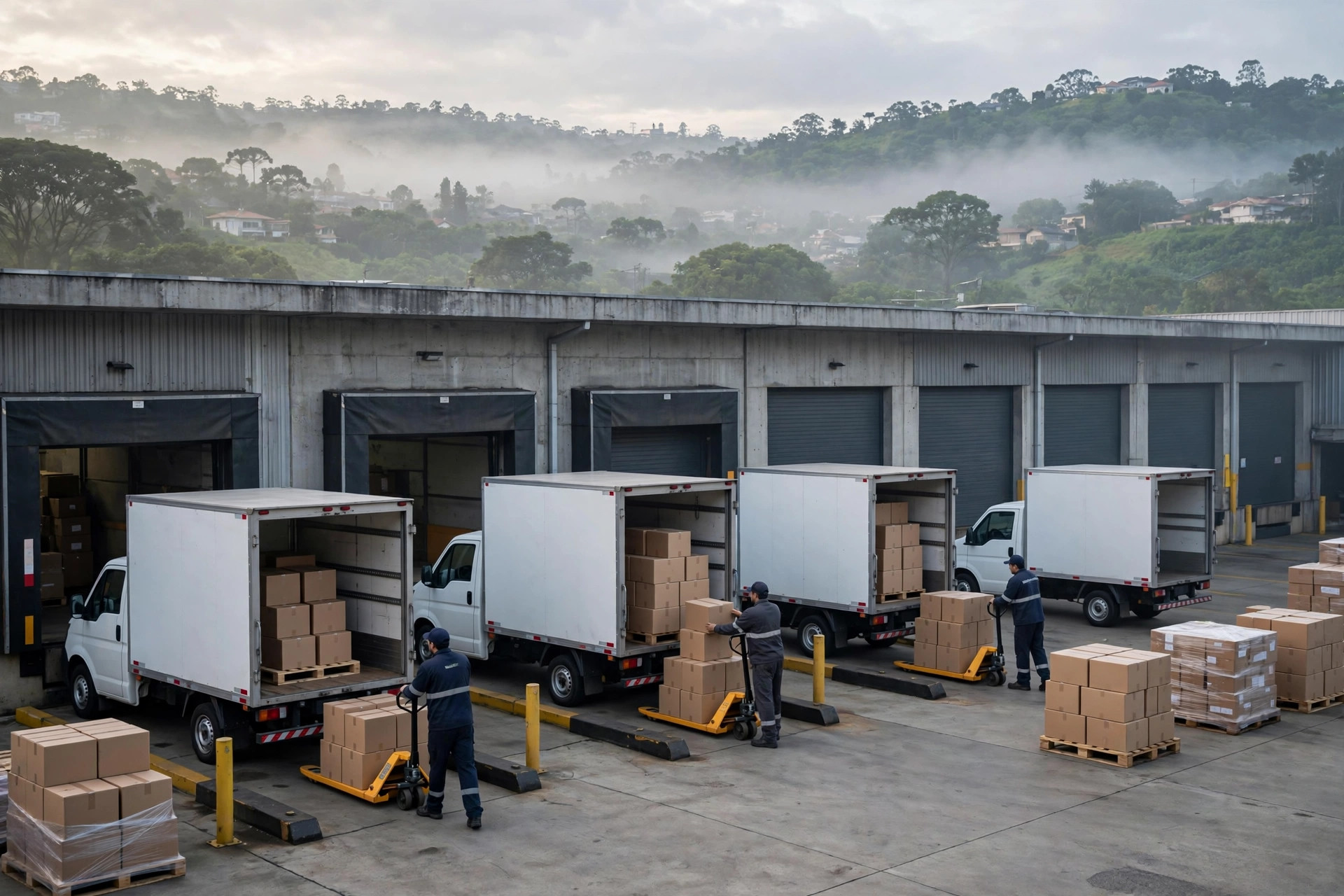
One detail that matters: have them mount the phone on a tripod. One hand operates, one hand scans and opens cartons. Shaky handheld footage is almost always a sign someone's winging it. And always include the problem zones — returns, damaged goods, and the inbound staging area. More than half the discrepancies I've ever seen came from those three spots.
If the warehouse pushes back on video audits, give them a reason that isn't you: say it's a new internal-audit requirement applied to all overseas warehouses. Turning "I want to check on you" into "it's the process" buys a lot of cooperation.
There's a standard runbook for spot-check day. 9:00 a.m.: send the count list to the warehouse group chat — SKUs and bins only, no explanation of the selection logic. 9:30: you come online early and check three things — camera facing the racking, phone mounted on the tripod, enough light. 10:00: go live — scan and call out every bin, screenshot any discrepancy into the chat on the spot, and walk the returns, damage, and inbound staging areas as their own recorded pass. Within two hours of sign-off, the warehouse uploads the footage to the shared drive and posts the link. You watch it the same day and keep it for a year. Write this into an SOP and anyone can run it.

Handle discrepancies with a clear line. Within about 1%, log the cause — damage, mislabeled cartons, weighing variance — and have the warehouse document it in writing. Beyond that line, trigger a formal review: recount, pull the inbound and outbound records, check the cameras, and bill the responsible party per the contract. Three sentences belong in every 3PL agreement before you sign: who pays for shrinkage, how much, and how fast. The prettiest audit process in the world is theater without those three sentences.
Treat overages and shortages differently — most people lump them together. A shortage is a shortage: bill it per the contract, no debate. But don't rush to book an overage either. First check for swapped SKUs — nine times out of ten, product A was counted into product B's bin, or a return got filed under the wrong code. Fix the bins before you fix the books. Once the surplus is real, book it, then ask why it exists: over-receiving at inbound, or an unscanned outbound? An overage's root cause deserves the same chase as a shortage's, or next month it becomes a shortage.
The monthly three-way tie-out
Finally, reconcile monthly. Three numbers have to tie: your ERP's balance, the warehouse's WMS balance, and the carrier's outbound shipment records. Any month they don't tie, the gap becomes next month's spot-check list.
When the three-way tie-out fails, don't argue in the chat — escalate. Step one: have the warehouse produce three source documents — inbound receipts, outbound shipments, and adjustment records (cycle-count adjustments, damage write-offs, all of them). Step two: recompute it yourself — opening balance plus inbound minus outbound plus or minus adjustments — and find where the theoretical balance diverges from the WMS number. Step three: flag the divergent lines and ask the warehouse to explain them; if they can't, recount those bins. Still off? Put it in a formal letter and cite the shrinkage clause in the contract. Walk it step by step and the warehouse knows you mean business. This is the part most sellers skip, and it's the part that catches slow leaks before they become 7% surprises.
Before you renew that warehouse contract, ask yourself one question: if nobody owns a stock discrepancy, what's your plan? Figure that out before you sign.