Here's the verdict up front: the price you declare is not the price Customs accepts. The number on your entry form is just your side of the story — customs valuation has its own ruler, and it's called transaction value. The WTO Valuation Agreement puts it first in line, and in the US it's written into 19 U.S.C. § 1401a. Nearly every shipment's dutiable value starts here. To put it bluntly: if you can't clear this bar, every duty-saving idea you have after it is fantasy.
I've seen too many importers learn this the expensive way. Let me tell you about one that still stings.
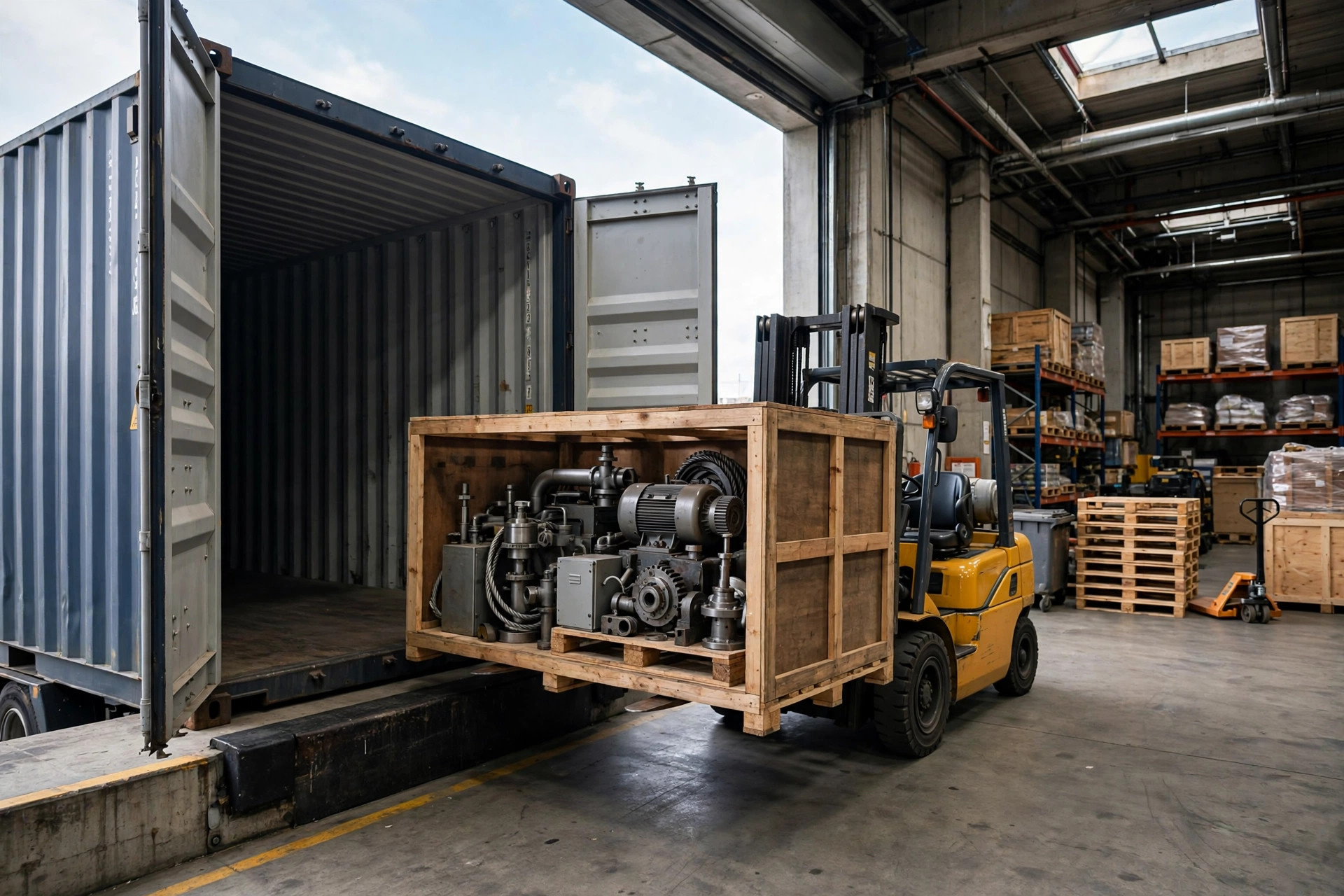
Back in 2019, a 3PL client of mine was installing an automated sortation line. They brought in the core components from a related company in Europe — sorter frames, motors, control cabinets — declared at roughly $280,000. Two weeks after arrival at Long Beach, CBP sent a Form 28, a request for information: you and the seller are related parties, we don't accept this declared price, prove the relationship didn't influence the price.
The client was floored. The contract was real. The invoice was real. The money actually moved. On what grounds could Customs just say no?
On the grounds of transaction value itself. CBP's logic is simple: prices between related parties might be arranged. You say they weren't — fine, the burden of proof is on you. Show comparable sales to unrelated buyers at the same price, or bring contemporaneous documentation proving the price matches an arm's-length deal.
They couldn't. The equipment was custom-built; there was no "same unit sold to a stranger" price anywhere. They had transfer pricing documentation, but it was written for tax purposes — it argued the profit split was reasonable, which is a different exam from the one Customs was giving: was the price itself unaffected by the relationship? Two months of back-and-forth later, CBP revalued the shipment under the fallback method. Back duties plus interest came to over $20,000. Worse, the container sat at the terminal for three extra weeks — several thousand more in demurrage — and the whole sortation project slipped a month. Whatever duty they'd hoped to save didn't even cover the demurrage bill.
This cuts both ways. On one side, Customs isn't picking on anyone — related-party prices genuinely can be engineered. On the other, most importers have no idea their declared price is "guilty until proven innocent" in CBP's eyes. That's lesson one of customs valuation: the declared price is just the opening bid; the evidence is the actual argument.
Why Transaction Value Gets First Priority
Article 1 of the WTO Valuation Agreement makes the price actually paid the primary basis: the price actually paid or payable for goods sold for export to the importing country, adjusted as needed, becomes the customs value. The US codified it in 19 U.S.C. § 1401a, and CBP applies it daily.
First priority means this: if your declared price holds up, CBP uses it and never reaches for the backup methods — identical goods, similar goods, deductive, computed, fallback. But flip it around — the moment CBP doubts your price, it can throw it out and walk down that list until it finds a number it likes. The fallback number is rarely one you'll enjoy.
Three Ways CBP Throws Out Your Transaction Value
| Scenario | CBP's logic | Your self-check |
|---|---|---|
| Related-party sale | The price may have been arranged inside the group | Keep contemporaneous comparable evidence; prepare tax and customs documentation separately |
| Royalties and license fees | Software or patent fees never made it into the dutiable value | Review every license agreement — fees tied to the imported goods, paid as a condition of sale, get added in |
| Assists | Molds, designs, and engineering you supplied free of charge were never valued | Quantify every assist and add it to the customs value |
The last two are where automation equipment importers get burned most often, so let me unpack them.
In 2021, another client imported AMR bodies from Europe. The equipment contract was clean and the price was fair. But they'd signed a separate software license — the fleet management system was licensed annually, a yearly fee. That fee never entered the customs value. During a review, CBP determined the license fee was directly related to the imported goods and a condition of the sale, so it had to be added to the dutiable value. The extra duty was small, a few thousand dollars — but it came with a "misdeclaration" flag on their record. For the next year, nearly every one of their shipments got extra scrutiny, and their exam rate visibly jumped. Wouldn't it have been cheaper to just declare the fee up front?
Assists are sneakier. Some importers give their overseas factory free molds and fixtures, or send over engineering drawings drawn up at home for the factory to build to. No money changed hands — but under valuation rules, those are assists supplied free of charge by the buyer, and their value belongs in the customs value. Automation equipment is heavily customized, which makes assists almost standard: every drawing revision and every fixture you shipped over could be undeclared dutiable value.
What Your Evidence Package Actually Looks Like
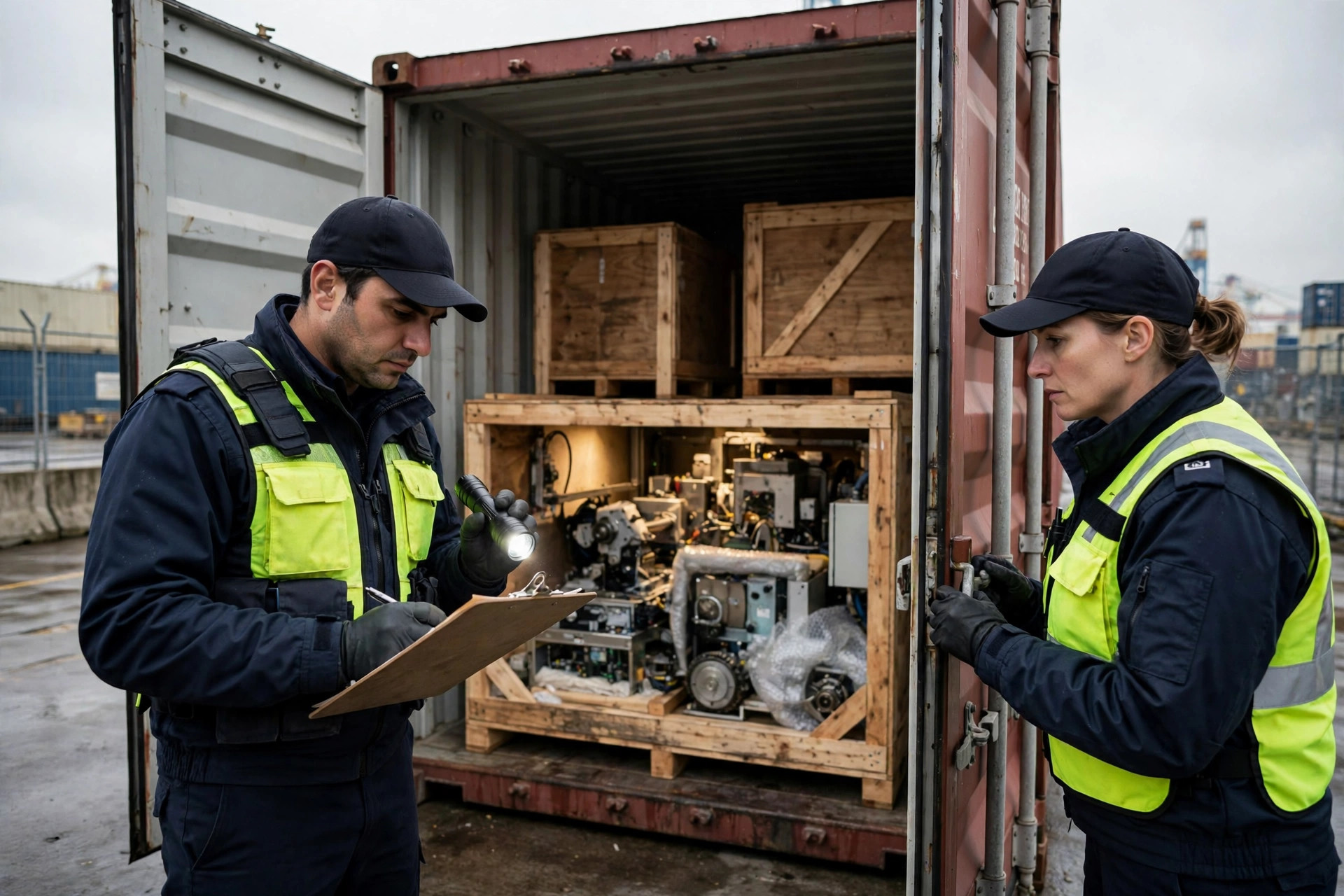
When the Form 28 lands, don't panic — and don't stall. CBP never wanted a one-line explanation; it wants a complete evidence chain. Every package I've seen survive looks roughly the same:
Sales contract → commercial invoice → proof of payment → bank statements → contemporaneous comparable data → transfer pricing documentation (if related-party)
Each link answers the same question: this price really happened and wasn't distorted by a special relationship. The contract and invoice prove the deal existed; payment proof and bank records prove the money really moved; comparables prove outsiders paid the same. One missing link, and CBP feels free to toss the whole thing.
Here's the counter-intuitive trade-off everyone in this business needs to internalize: the same related-party price puts the IRS and CBP on opposite sides. Price it high and the US entity shows thin margins — the IRS frowns, but Customs is delighted, because duties go up. Price it low and you save duty while Customs reaches for the red stamp, and the IRS smiles. Transfer pricing documentation is written for tax logic — it defends the profit split. Customs wants price fairness. Using one document to satisfy both is asking to fail both. For related-party shipments, prepare the tax case and the customs case separately. Two different exams.
Three Compliance Moves for Equipment Importers
Something you can actually use. Importing automation equipment — sorters, AMRs, conveyors, AS/RS components, all the same — do these three things before you place the order:
First, build the valuation package early. Contract, invoice template, payment trail, comparable data — start assembling on order day, not the day the Form 28 arrives. Especially for custom equipment: the more "there's nothing like it on the market," the earlier you need cost breakdowns and pricing support on file, because when you can't produce comparables later, CBP gets to use fallback.
Second, declare royalties and assists voluntarily. Walk through every license agreement line by line: is this fee something you must pay to get these goods? If yes, it goes into the customs value. Molds, drawings, engineering support sent to the factory — quantify them and add them in. Declaring them looks like paying a bit more duty; what it really does is lock the risk out. Get caught later and you pay the duty plus interest plus a permanent exam flag — all three together cost far more.
Third, use the legitimate savings tools. Take the first sale rule: when goods change hands several times before reaching the US, qualifying importers can value on the first sale — the price of the sale that sent the goods toward the US — instead of the middleman's marked-up price. It's an above-board savings path inside the valuation system, but the conditions are strict; whether you qualify and how to document it is a question for a customs ruling and qualified counsel, not for gut feeling.
This cuts both ways, one more time. Reasonable savings — first sale, correct classification, compliant valuation planning — every dollar saved lets you sleep at night. Crossing the line — undervalued prices, contracts split to hide royalties, assists pretended away — saves pennies and gambles the whole shipment. Customs doesn't mind you declaring high. It minds you declaring without the evidence to back it up.
One piece of advice: before your next purchase order, ask yourself one question — for this shipment's transaction value, could I produce the evidence chain?
By Lao Mi, Supply Chain Veteran (20 yrs)