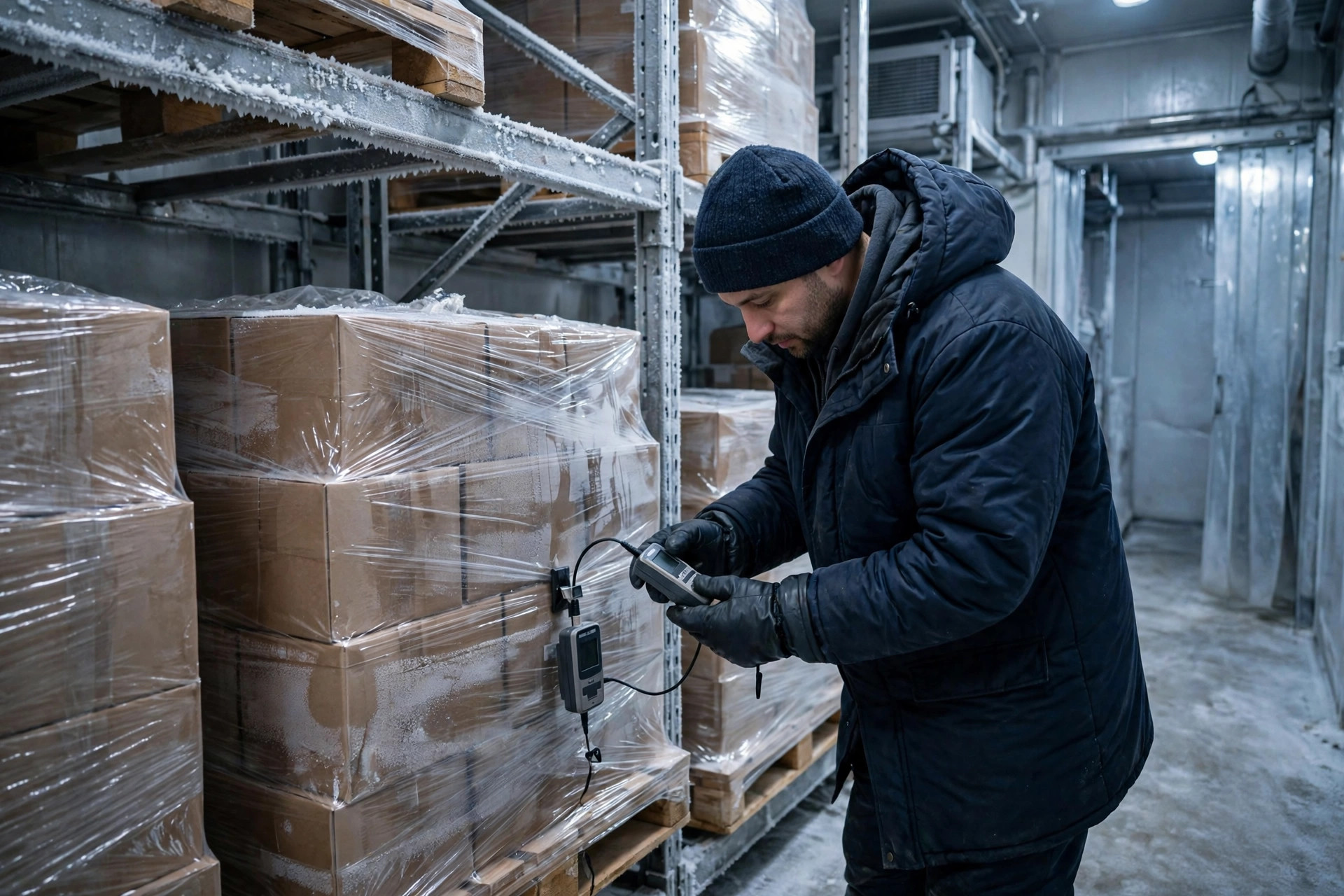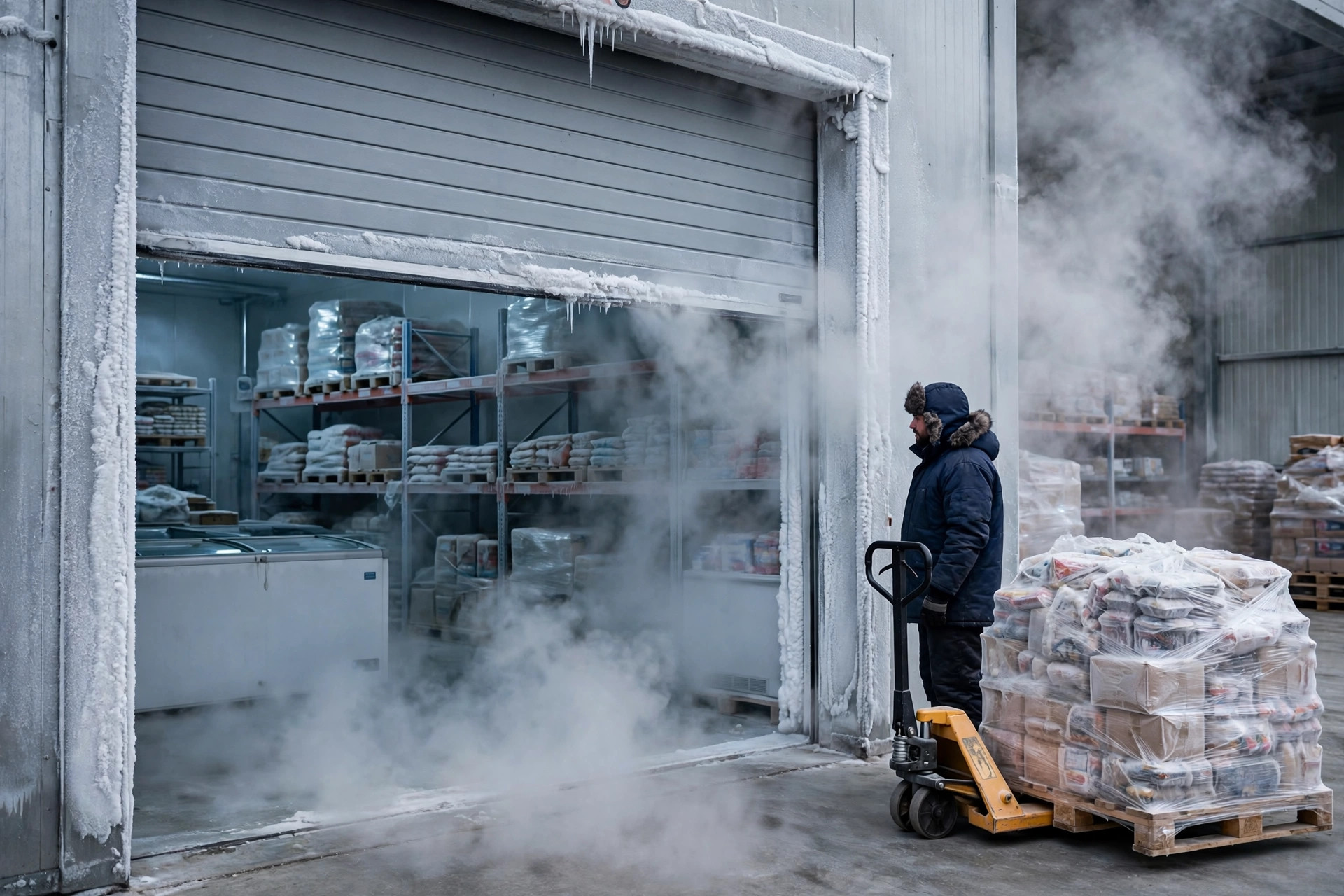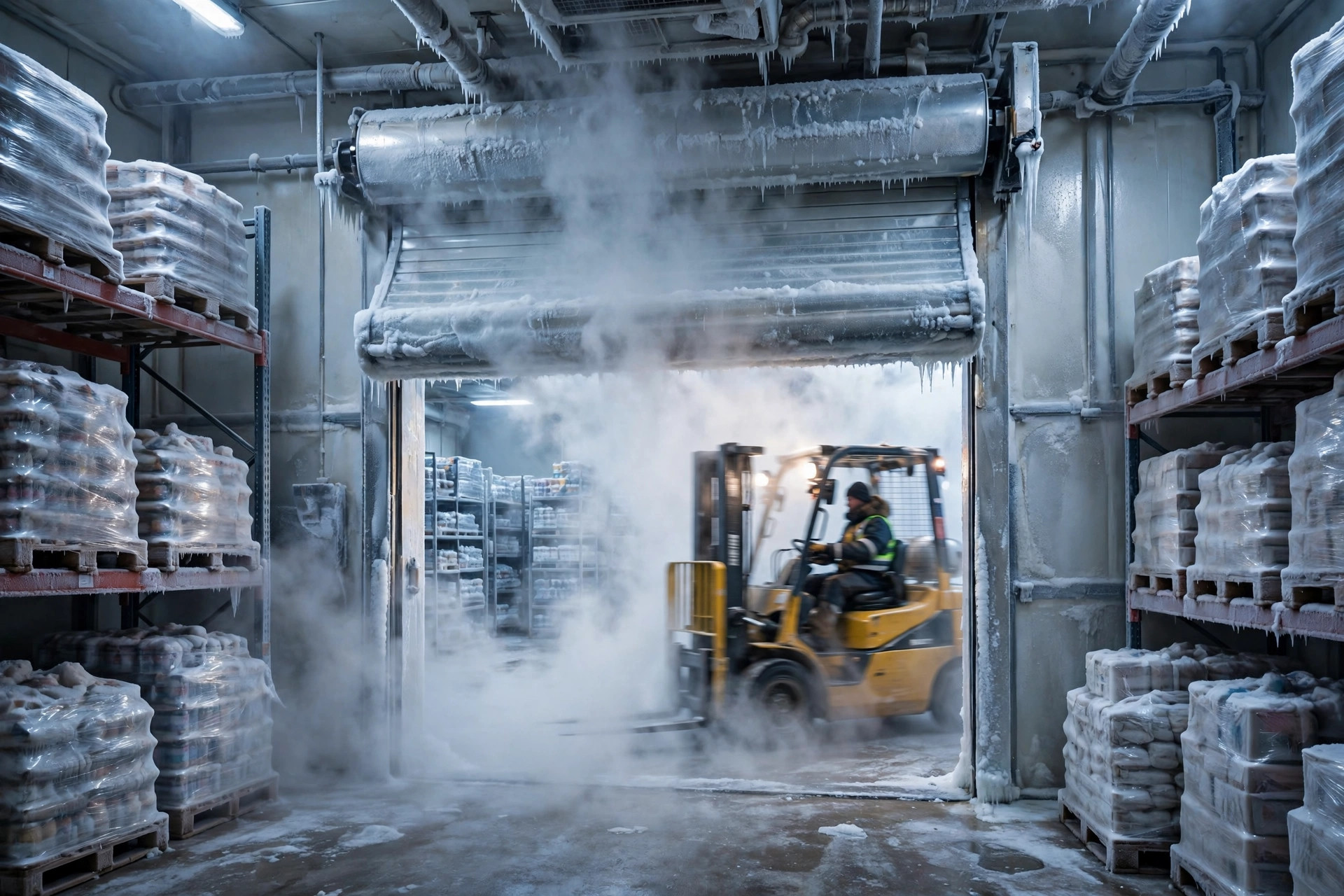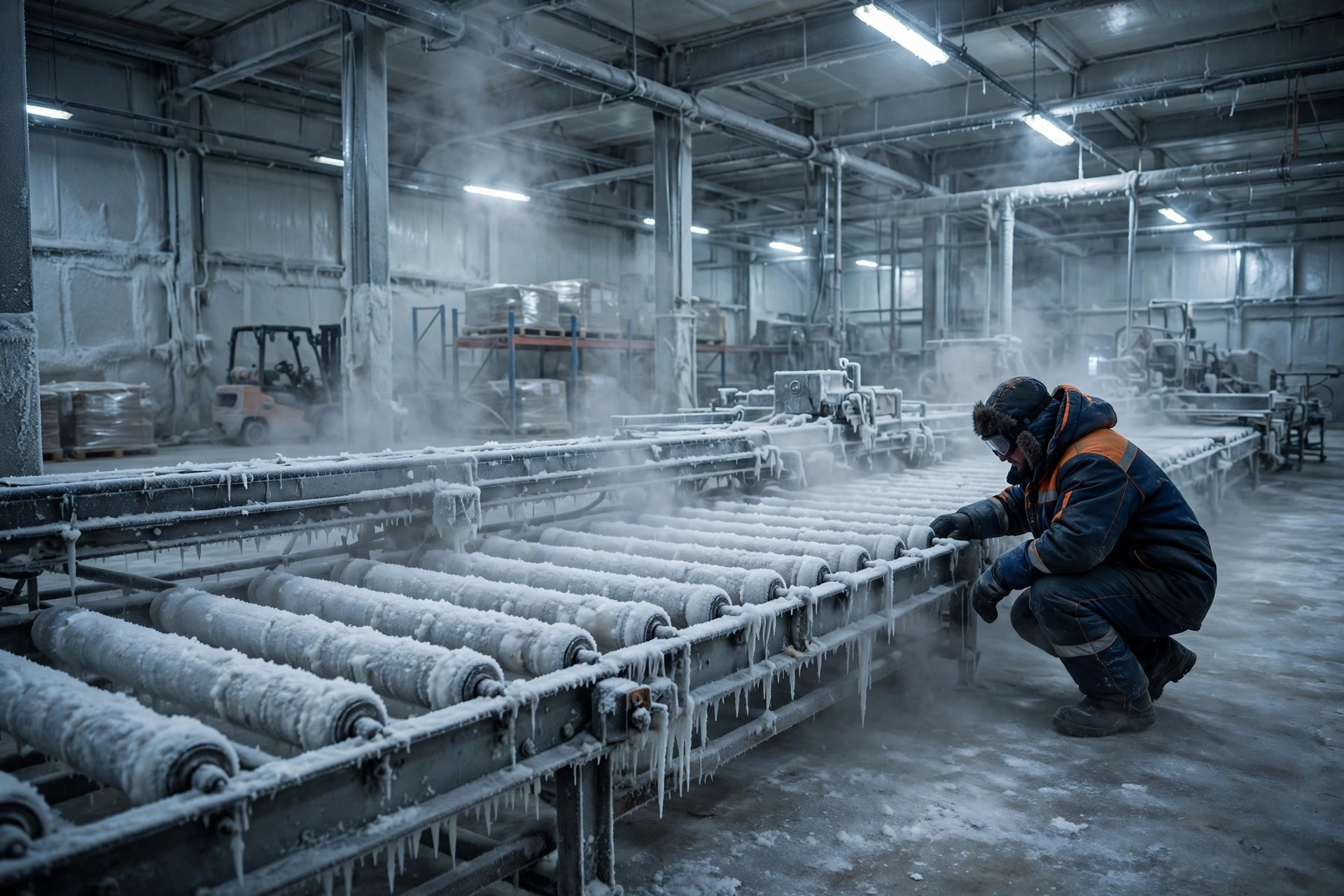
It is three in the morning. The wind at the cold store door hits your face and your face goes numb. Cold storage automation looks smooth in a daytime demo. The night shift tells the truth. Machines do not mind the cold. People do. A machine can keep running at minus 25 degrees. A person cannot. When the person runs out, and the handover was not planned, the whole line waits while someone thaws out. To be honest, cold storage automation comes down to those few minutes where a person and a machine hand work to each other.
Where People Step In: Map the Handover Points First
This is how we do it in our warehouse now. Before we talk about buying anything, we draw a handover map. It marks only three kinds of points: jobs the machine cannot do, jobs the machine does slowly, and jobs where a person must take over the moment the machine faults. If you cannot mark those three kinds of points, a rota packed with names is just decoration.
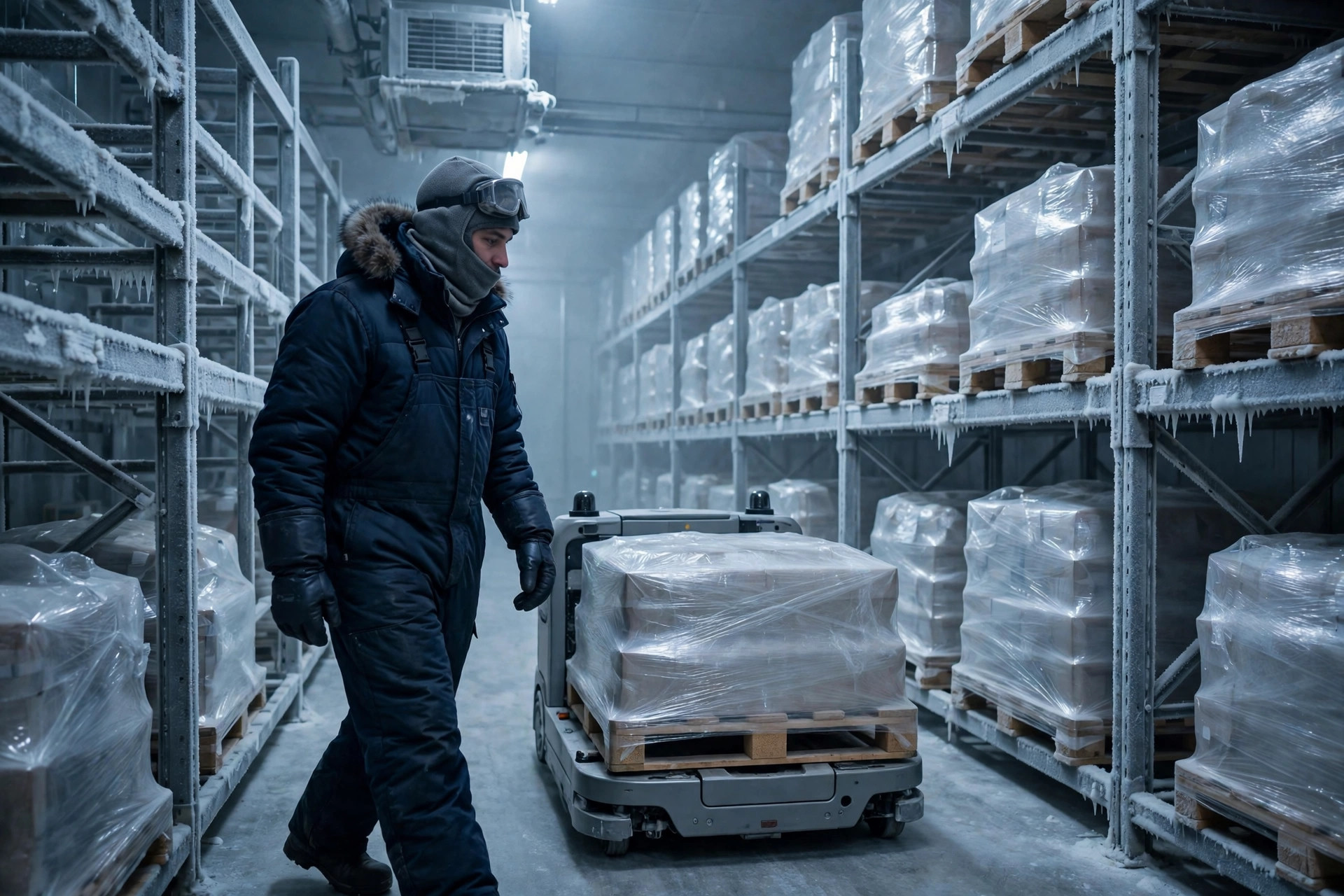
One night in January 2025, an automated unit stopped at a lane entrance. The cause turned out to be small. Frost on a pallet had shifted its position slightly. The machine sat there waiting for a reset while goods backed up behind it. The shift lead did not wait for the system to assign the job. He sent two experienced hands in: one to check the pallet position, one to receive goods at the lane entrance. Flow resumed in about ten minutes. After that night we wrote "lane entrance jam" into the cover list: who goes, what tools they take, how many minutes they stay in, and who takes over when they come out. All of it written down. Without that, the next jam is solved by shouting and luck.
Another cover point gets missed all the time: badly stacked pallets. Automated equipment expects a tidy pallet. Real life keeps sending pallets stacked crooked, film loosened, or a corner carton crushed. The machine alarms on those pallets, and a person has to reshape them before handing them back. Cover work is not firefighting. It is daily work. A few pallets a day need reshaping, and that labour belongs in the rota. It cannot be treated as occasional help.
Cold Storage Automation Rotas: How Long In, How Long to Recover
Do not set rotas by feeling. Folks, in a cold store your hands stop obeying first, and your judgement follows. React half a beat slower and you mishandle a load. Fixing a mistake in a cold store hurts twice over. Our method is plain: time inside is split into short spells, time out must be long enough to recover, and nights do not use the same table as days.
| Shift | Time inside per spell | Recovery outside | Watch-out |
|---|---|---|---|
| Day shift | One spell, then swap | Warm room, hot drink, move hands and feet | Change wet gloves at once, do not push through |
| Night shift | Shorter spell than days | Longer recovery than days | Enter in pairs at the sleepiest hours |
| Peak season, back-to-back | Add one more person rather than stretch a spell | Hand over abnormal pallets face to face | Say you are tired. Do not tough it out |
To be honest, a rota pinned to the wall is useless unless someone enforces it. The lead checks every shift: who went in how many times, who has not recovered enough, whether anyone covered two spells in a row. Checking the rota is not distrust. A cold store leaves no margin for error. One person frozen through and still pushing saves a few minutes and can cost an injury and the rhythm of the whole shift.
Cold Storage Automation Protection: Check What People Wear, Not Just What You Issued
Protection is not counted in jackets issued. Jackets issued, jackets worn properly, gloves dry, boots not icing up — all of it has to be checked. This is how we do it in our warehouse now: before entry, the lead looks the crew over. Does the hat cover the ears? Are the gloves wet? Are boot soles icing? Anything wrong, change the kit before entry. It looks fussy. One frozen hand costs far more time than that inspection ever will.
There is another point people miss. A person coming out of the cold store is still warming up, and so is their judgement. For the first ten minutes out, do not hand them fine checking or detailed order matching. Let them recover first, then give them work that needs a clear head. We built that into our handover habit, and mistakes after exit dropped noticeably.
When the Machine Faults: Stop the Line, Assign Roles, Then Move
When equipment faults, the worst response is a crowd. Seven or eight people around a lane entrance, everyone talking, nobody fixing anything, and people blocking each other. Our takeover has four steps only: stop the line for safety, let the lead alone assign roles, put one person on equipment status and one on goods flow, and keep everyone else in a safe area on standby. Roles are called out before hands move, and no more than three people do the hands-on work.
One peak-season winter night in 2024, the system flagged a fault and the first instinct on duty was to go in and restart the equipment. The lead stopped that. He asked first which section flagged, and where goods had stopped. Then he sent people in. It turned out two pallets sat crooked in a row. A restart would not have fixed that. The pallets had to be straightened first. Restarting blind would have wasted more time. Fault takeover is not about bravery. It is about asking clearly, assigning roles, and then moving. In that order. Folks, remember that order.
That division of labour is why the handover article and the challenges article belong together. The low-temperature challenges in cold storage automation piece explains what low temperature does to a cold store. This piece explains how people and machines divide the work when those troubles arrive. Read one for the problem, the other for the floor response.
The Trade-Off: Slower Looks Slower Until You Count the Whole Shift
Here is the counterintuitive judgement. The fastest way in a cold store is often not the cheapest way. Keep people in continuously and hourly output looks high. Add up mis-picks, rework, line stops, and sick leave, and the total cost is higher. Put the rota tighter, write the cover points down, and take half a beat to ask before acting on a fault, and one hour may look slightly slower. Count the whole shift, count the whole peak season, and the steadier operation wins.
Count the same way. Do not count only pallets per hour. Count reworked pallets per shift, line stops per shift, and absences per week. Put those three numbers next to the rota and protection effort, and the effort stops looking like extra cost. It looks like the money that keeps output alive. Machines can run around the clock. People cannot. Accept that, and the human handover in cold storage automation is finally costed honestly.
One reminder for fellow managers: do not wait for a chaotic peak-season night to draw the handover map and fix the rota. While things are quiet, mark the cover points, post the rota, and rehearse the fault takeover once. A cold store does not wait. If the handover is not worked out, good equipment alone will not save the shift.
By Chen Feng, Warehouse Operations Manager