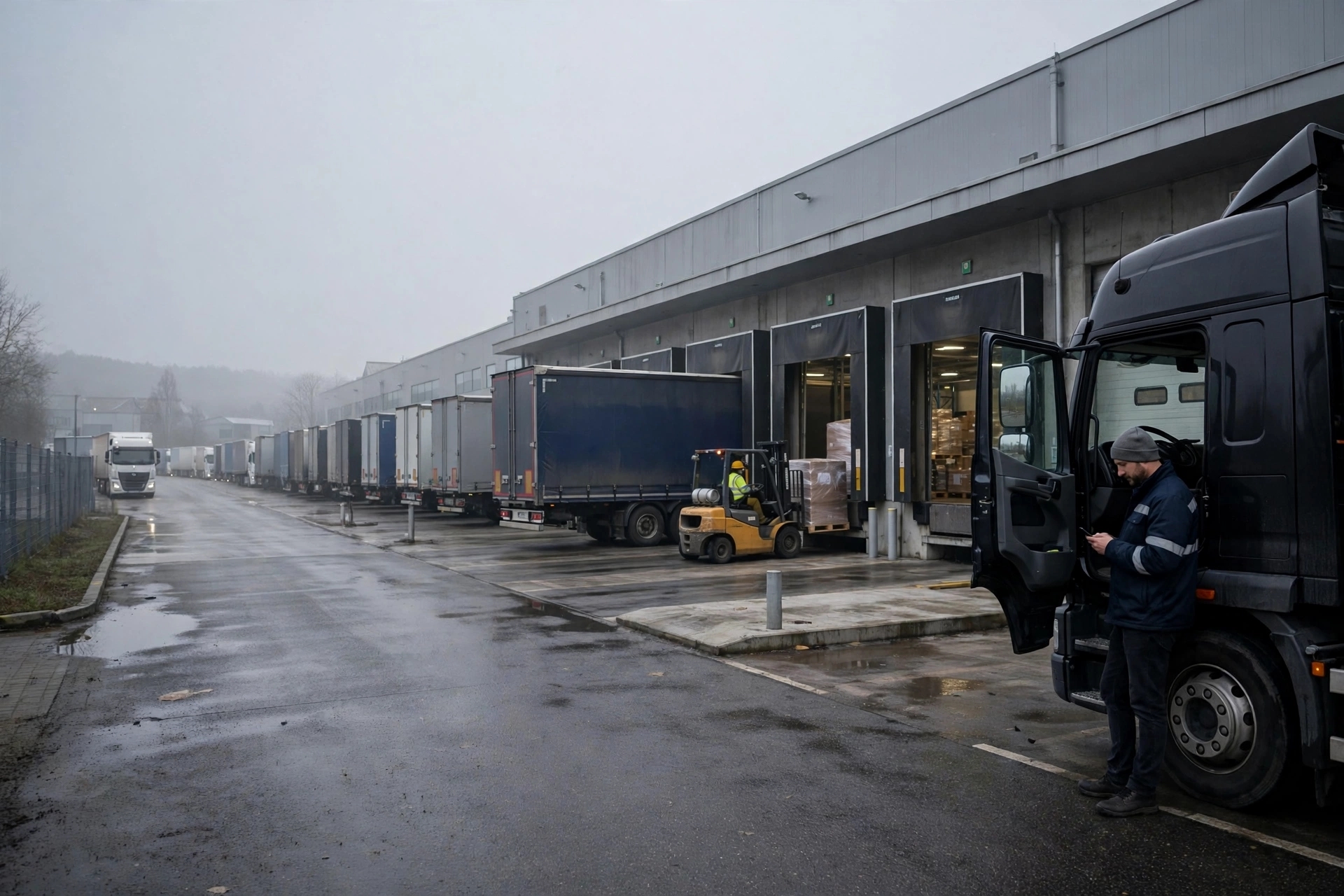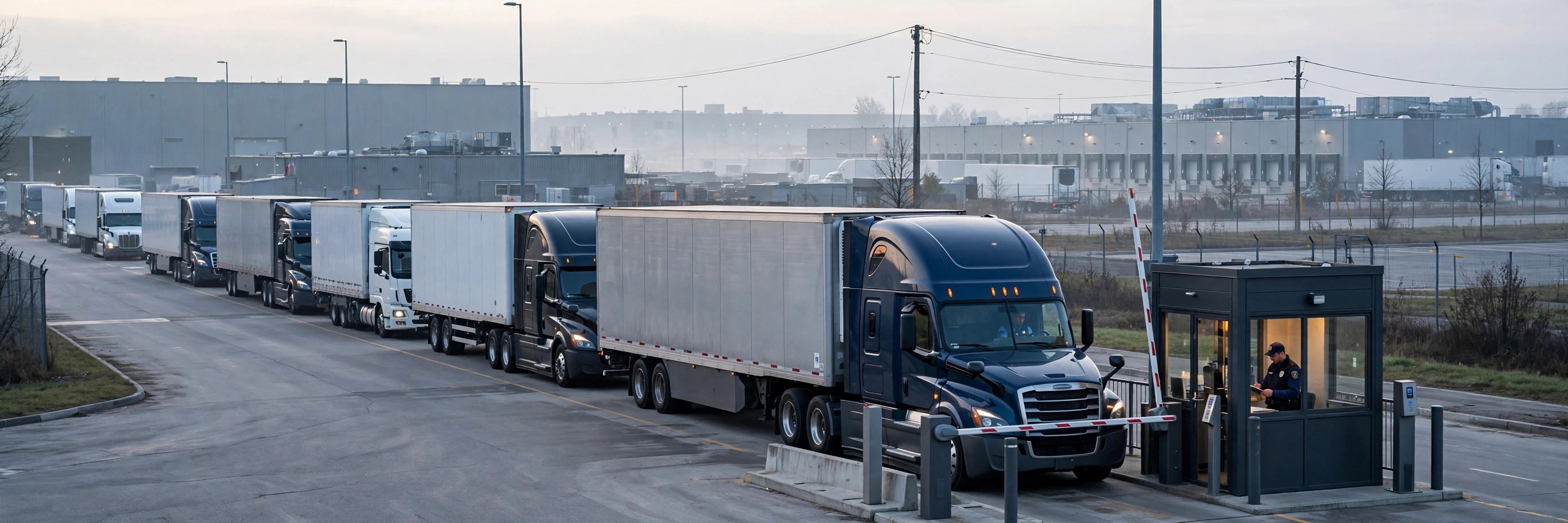
Let me tell you something after all these years on the road: the thing I dread most is not traffic. It is arriving with the load, on time, and being told at the gate that there is no slot for me. That is a cargo warehouse slot booking failure, plain and simple.
In October 2024, I picked up a container out of the Port of Los Angeles, headed for a third-party warehouse in the Inland Empire. The vessel had already run two days late, the shipper was calling me every few hours, and I pushed hard to make it to the warehouse by 8 in the morning. The guard at the gate had one sentence for me: today's cargo warehouse slot booking was full, my slot was gone, come back tomorrow morning. I sat in the staging lot until midday the next day, a day and a half burned. The freight was not late because of me. It was late because of a slot nobody could book.
That is the first thing to understand. Cargo warehouse slot booking is not a queue at a gate. It is a schedule for dock doors, receiving crews, and forklifts. When the schedule breaks, it is not one truck that waits. It is the whole receiving day that backs up behind it.
Cargo Warehouse Slot Booking Is a Dock Schedule, Not a Parking List
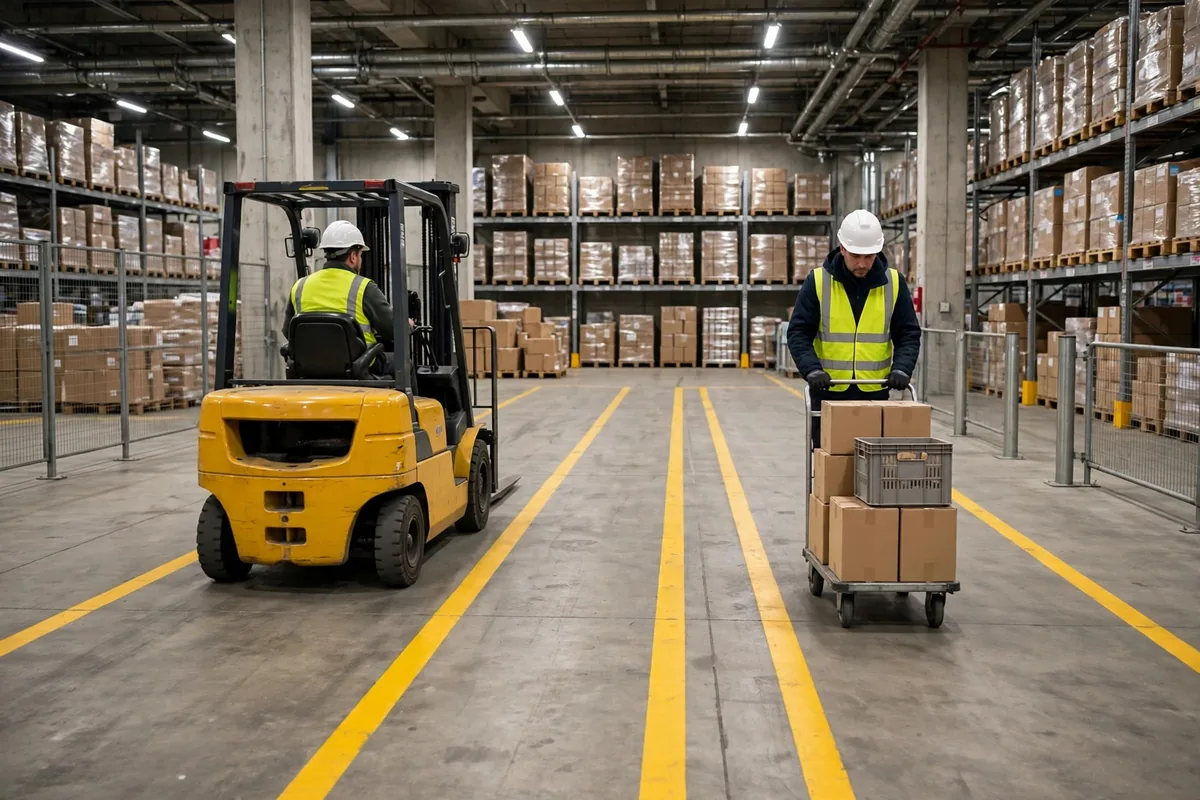
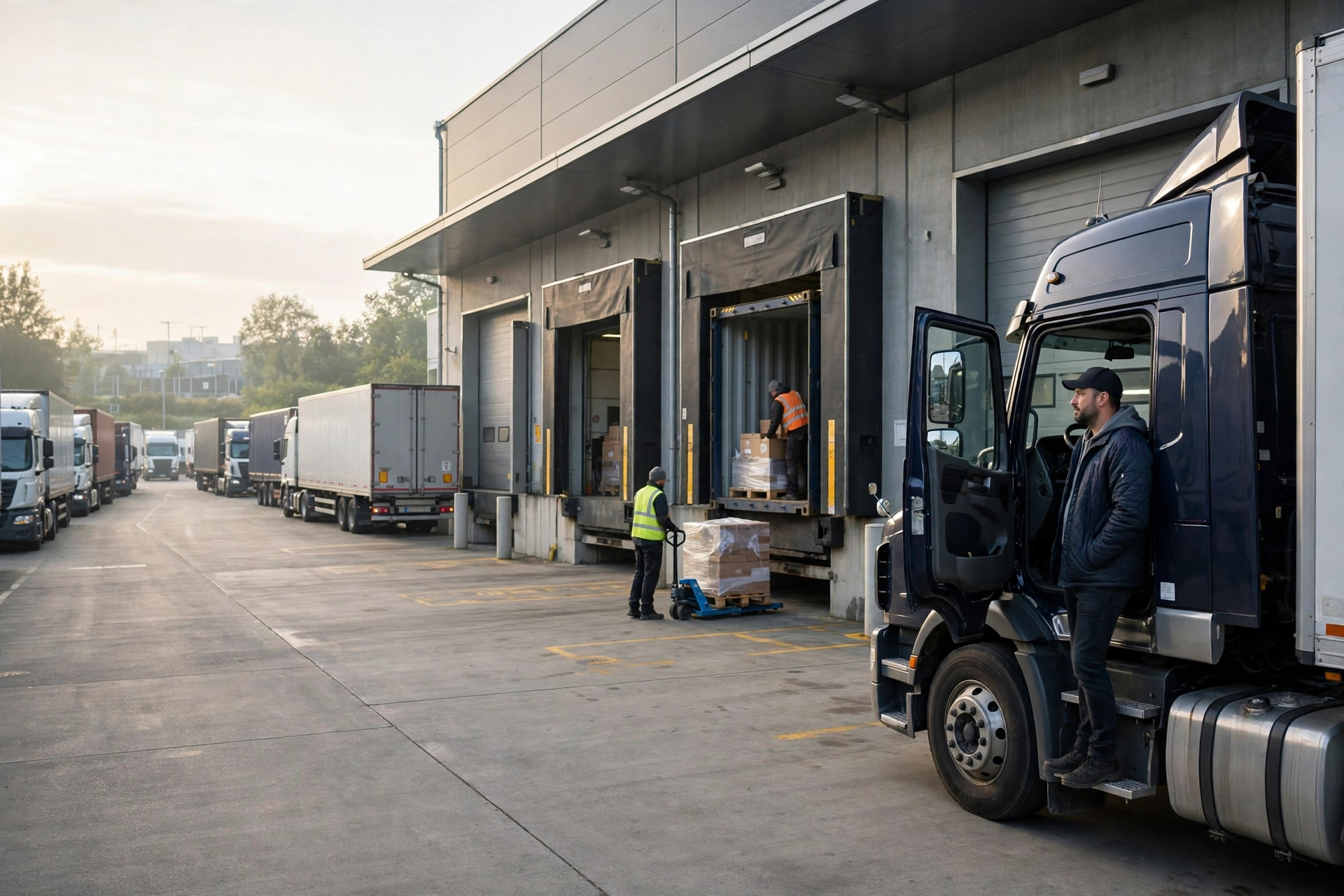
A warehouse has only so many dock doors and only so many people on the receiving crew. Book ten trucks for 8 a.m. and the yard looks busy, but if only three doors can unload at once, seven trucks are just sitting there, drivers getting angry and the warehouse getting chaotic. A warehouse that knows what it is doing splits the day up and separates freight types.
One warehouse I run to regularly does it right. From 8 to 10 in the morning it takes full containers only, one truck per door, slow and steady. After 10 it takes smaller LTL loads, several doors working in parallel. The afternoon keeps one flex slot open, reserved for trucks delayed by a late vessel or a jam on the freeway. That appointment book never looks full, yet that warehouse unloads more containers in a day than the place next door that books itself solid. Why? Because its docks never jam, and its forklifts are not constantly running rescue missions between the yard and the racks.
So when you book a slot, do not just ask whether tomorrow has an opening. Ask three questions. How many trucks are booked into this same window? Does my freight type clash with what else is in that window? And if the vessel runs late, can this slot move? If you can answer all three, the booking is probably solid. If you cannot, you are gambling with a day and a half of waiting.
It also helps to keep the two ends of the trip separate in your head. Booking an appointment at the port terminal is one job, with its own release windows and terminal rules. Booking the receiving slot at the warehouse is a different job, governed by dock capacity and crew schedules. One playbook does not cover both. For the terminal side of the trip, this guide to terminal appointment booking that actually gets you a workable window lays out how that system works. Get the terminal pickup smooth, and the warehouse slot has something real to connect to.
No-Shows and Late Arrivals in Cargo Warehouse Slot Booking Need Rules, Not Fines
Here is a second story I watched play out. In March 2025, at another California warehouse, a shipper booked six slots at once, figuring that if one vessel slipped, at least one booking would still land. The vessel schedule changed, only two of the six trucks showed up, and four slots sat empty. The warehouse had staffed a full crew for a morning of work that never arrived. The next day, when that shipper tried to book again, the warehouse put them at the back of the line. The shipper felt punished. The warehouse felt cheated out of a morning.
Let me tell you, fines do not fix no-shows. Rules do. A warehouse with its act together usually runs three rules, and it writes them down before anyone books. First, a booking needs a confirmation step: if you do not confirm within 24 hours, the slot goes back into the pool. Second, lateness gets tiered treatment: up to an hour late, you roll into the flex slot and wait your turn; more than half a day late, that day's slot is gone and you rebook, no cutting in line. Third, no-shows get counted: two no-shows in a month, and next month you book further out or take off-peak windows only. When the rules are on paper, nobody has to argue about fairness after the fact.
For drivers, the matching rule is simple: if you are going to be late, call ahead. Warehouses can forgive lateness. What they cannot work with is silence. Call two hours early and the scheduler can often swap your slot with the next truck, so a two-hour delay still gets unloaded. Say nothing, show up late, and the scheduler has already staffed around your absence. You will wait for the next open window, and it will feel unfair even though the schedule was just doing its job.
Detention Costs Belong in the Same Calculation as the Warehouse Plan
Most people calculate detention as just the container sitting at the port, one more day, one more charge. That math misses half the bill. Let me lay out a realistic picture for a day-and-a-half delay. These are illustrative magnitudes for one typical delayed load, not quoted rates, so check your own contract and the carrier's current policy before you rely on any figure:
| Where the money goes | What a day and a half typically costs you | Who pays first |
|---|---|---|
| Container detention and storage | Accumulates by the day, and it accelerates | Usually the shipper |
| Driver waiting time | A day and a half of driver and truck productivity, gone | The carrier fronts it, the contract decides the rest |
| Warehouse overtime or reshuffled shifts | A crew planned for one day gets replanned on the fly | The warehouse staffs it, the shipper may share it |
| Knock-on delays to later orders | One late receipt pushes several outbound orders late | The shipper pays in customer trust |
Look at detention alone and waiting another day seems tolerable. Add the warehouse reshuffle and the orders that ship late behind it, and the real cost looks completely different. Here is the counterintuitive part: a warehouse booked to 100 percent is not the efficient one. One late truck wrecks the entire day. A warehouse that keeps 10 to 15 percent of its slots flexible looks less busy on paper and finishes more loads in practice. Full is not the skill. Steady is the skill.
So my advice comes down to three lines, and it works for shippers and warehouses alike. First, book by dock rhythm, not by whether a slot looks open. Second, put the no-show and late rules in the contract and on the confirmation page, not in a handshake. Third, the moment a vessel schedule changes, tell the warehouse scheduler. Moving a slot early is always cheaper than arguing at the gate.
There is an old saying among drivers: borrow honestly and return promptly, and you can borrow again. Slot booking works the same way. Show up on time, follow the rules, and the warehouse will save you its best slots next time.
By Shifu Zhao, Trucking Veteran (15 yrs)