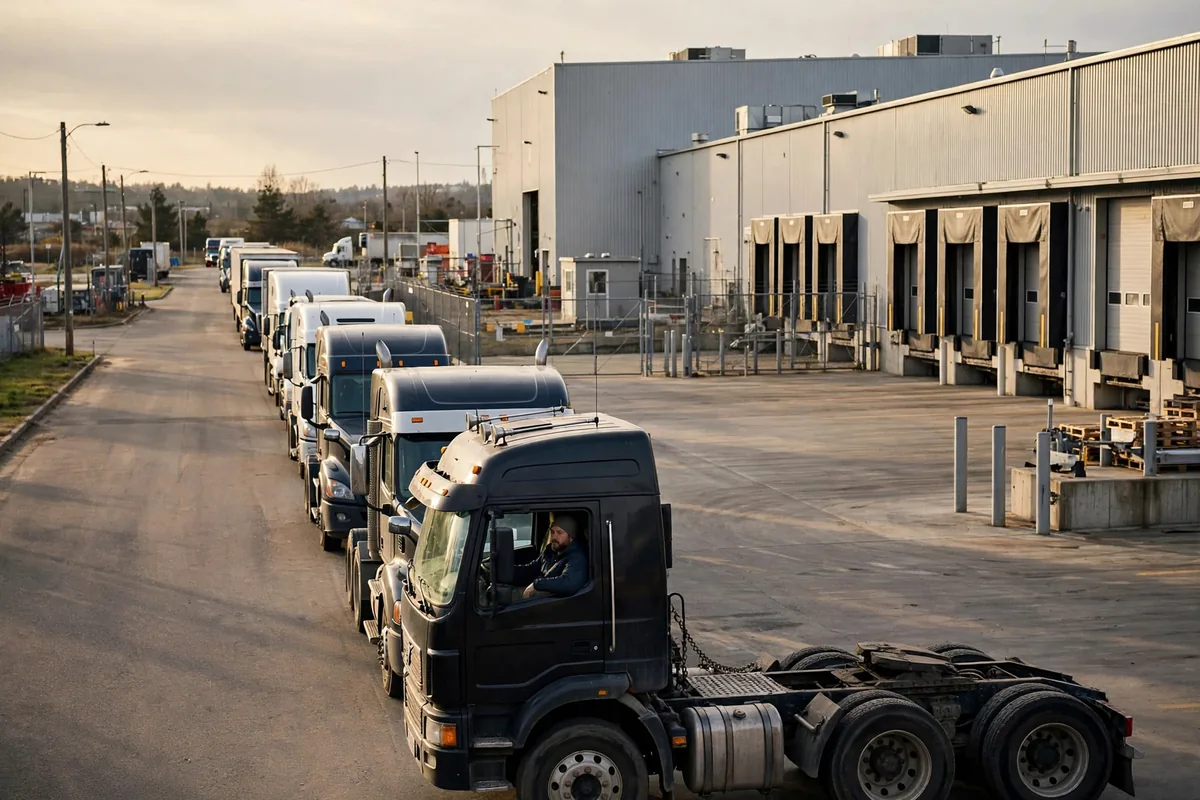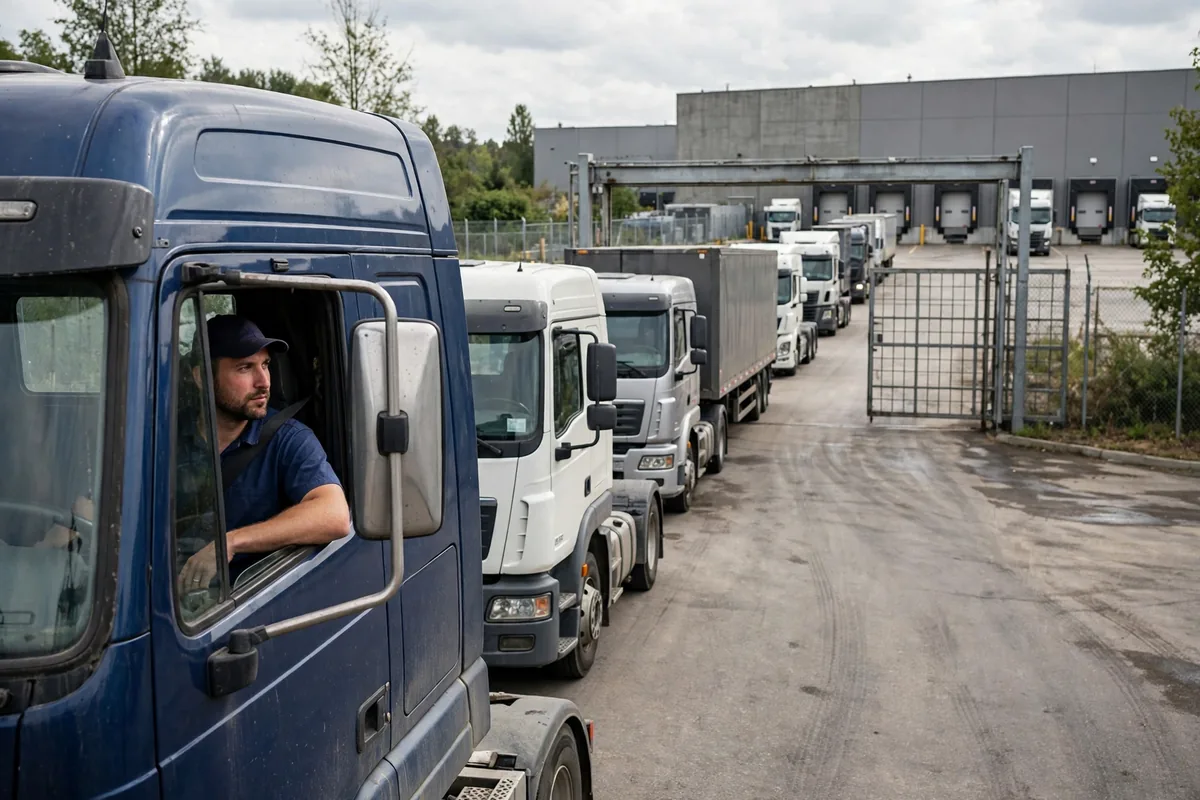
Here is the short answer: when drivers sit at your gate for four hours, the problem is not the drivers, and it is not the guard. It is the fact that appointments, dock assignments, and yard moves were never connected into one plan. A YMS reduces driver wait time not through one magic feature, but through yard management that ties those three things together: when the truck arrives, which dock it goes to, and when the freight will be ready — all scheduled before the truck shows up, so the driver pulls in and goes straight to a dock number. One vendor's customer case claims gate-to-dock time dropped from 4 hours to 35 minutes, roughly an 85% cut. That is a vendor number, so take it with a grain of salt. The direction is right, though — wait time is not a law of nature. It is scheduled.
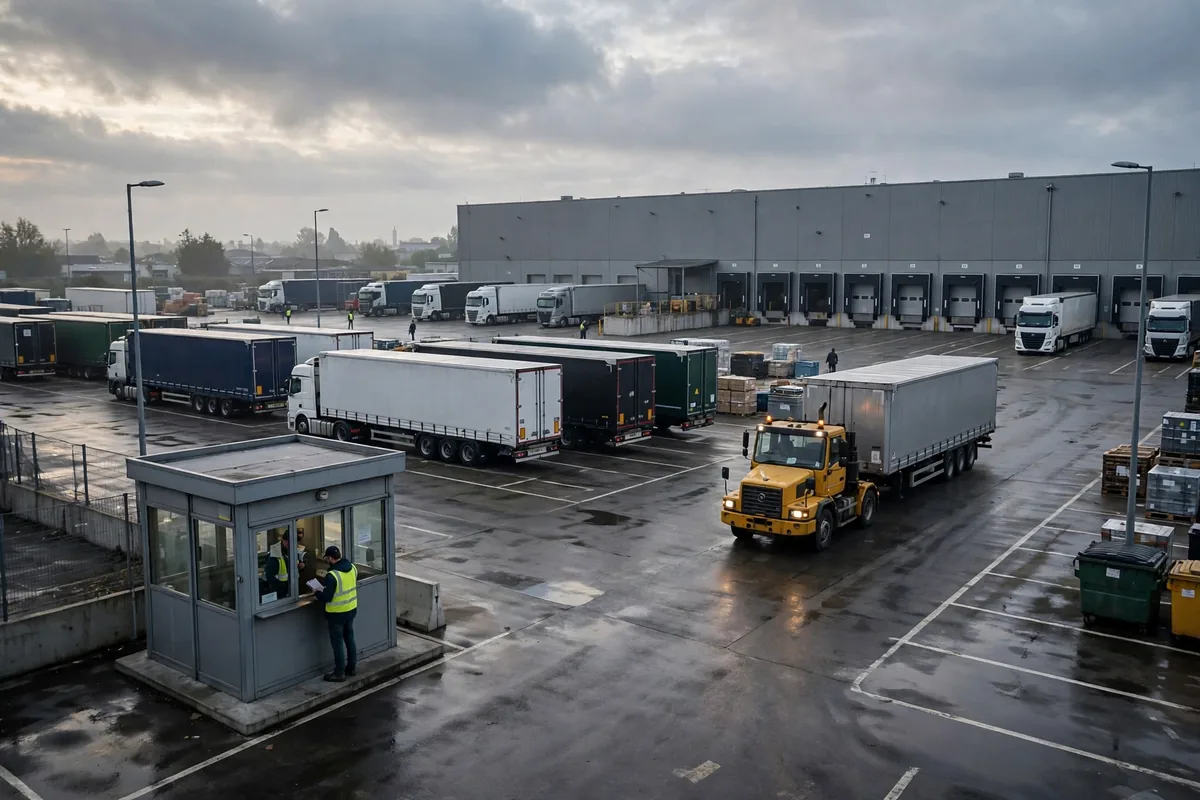
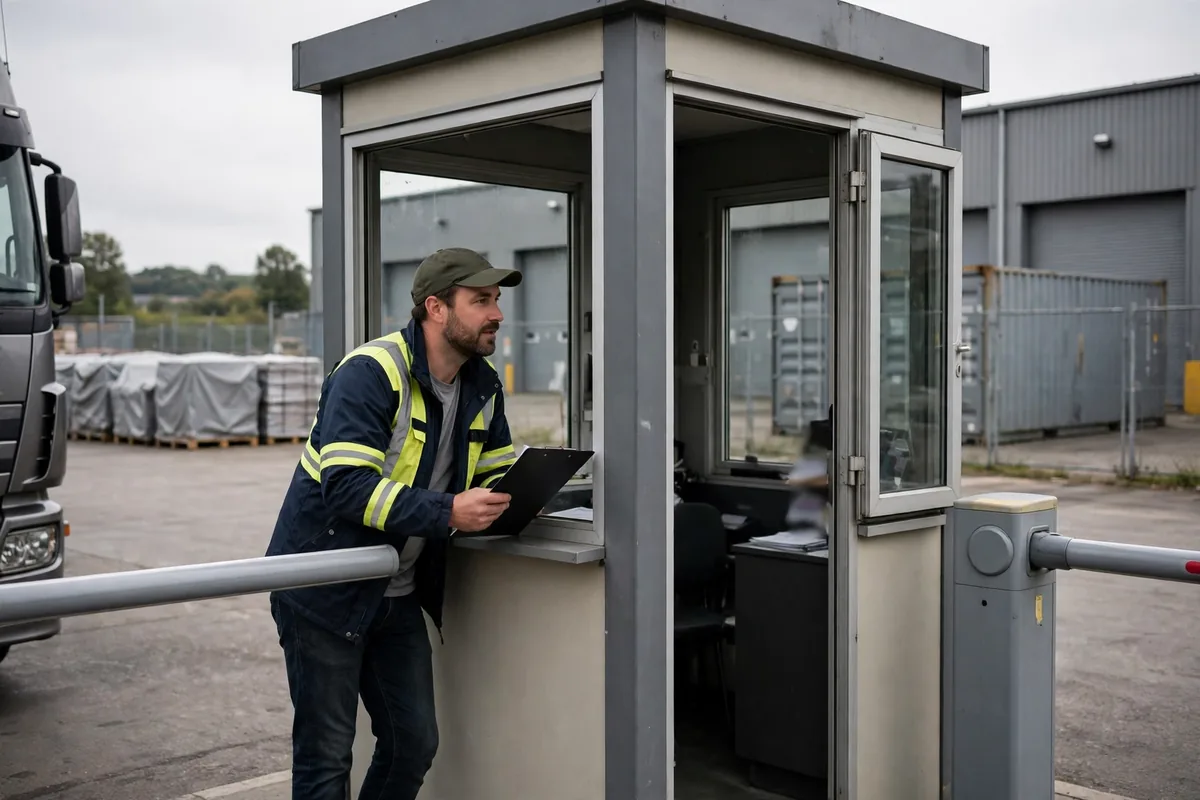
In spring 2025, I worked on a project for a client warehouse in California's Inland Empire, a 3PL doing e-commerce fulfillment for home goods, about 60 trucks a day. Their appointments ran on phone calls and a spreadsheet. A driver would call two days ahead, nobody would confirm back, and he would arrive to find every dock full. The guard logged trucks by hand, the dispatcher shouted over the radio, and the average truck waited more than three hours at the gate. The worst I saw was six. One driver cursed them out in a group chat and refused their loads the next day. The dispatcher called to beg, and the driver said: in the four hours I waited at your gate, I could have earned a short-haul run.
I have seen this exact failure three times now, and the script is always the same. The warehouse thinks more trucks means good business and stops scheduling when it gets busy. The driver thinks the warehouse is jerking him around on purpose. Neither side is wrong. What is missing is a schedule in the middle.
First, Run the Three Numbers Behind Driver Wait Time
The American Transportation Research Institute's 2024 numbers put US truck detention at roughly 135 million hours a year, costing the industry about $15.1 billion. That sounds abstract until you run it against one warehouse. Free waiting time is usually around two hours. Past that, you pay detention under your contract, at whatever rate your contract sets — check your carrier's latest policy, because I am not quoting anyone's rate here.
Take the warehouse above and do the math: 40 trucks a day, each waiting 2.5 hours on average, with two free hours. That leaves half an hour of billable detention per truck, 20 billable hours a day, and about 440 hours a month on a 22-day working month. That money never appears on any report as "gate waiting." It hides inside the monthly carrier invoice, and finance just sees "transportation costs went up" without knowing the increase was bought at the gate.
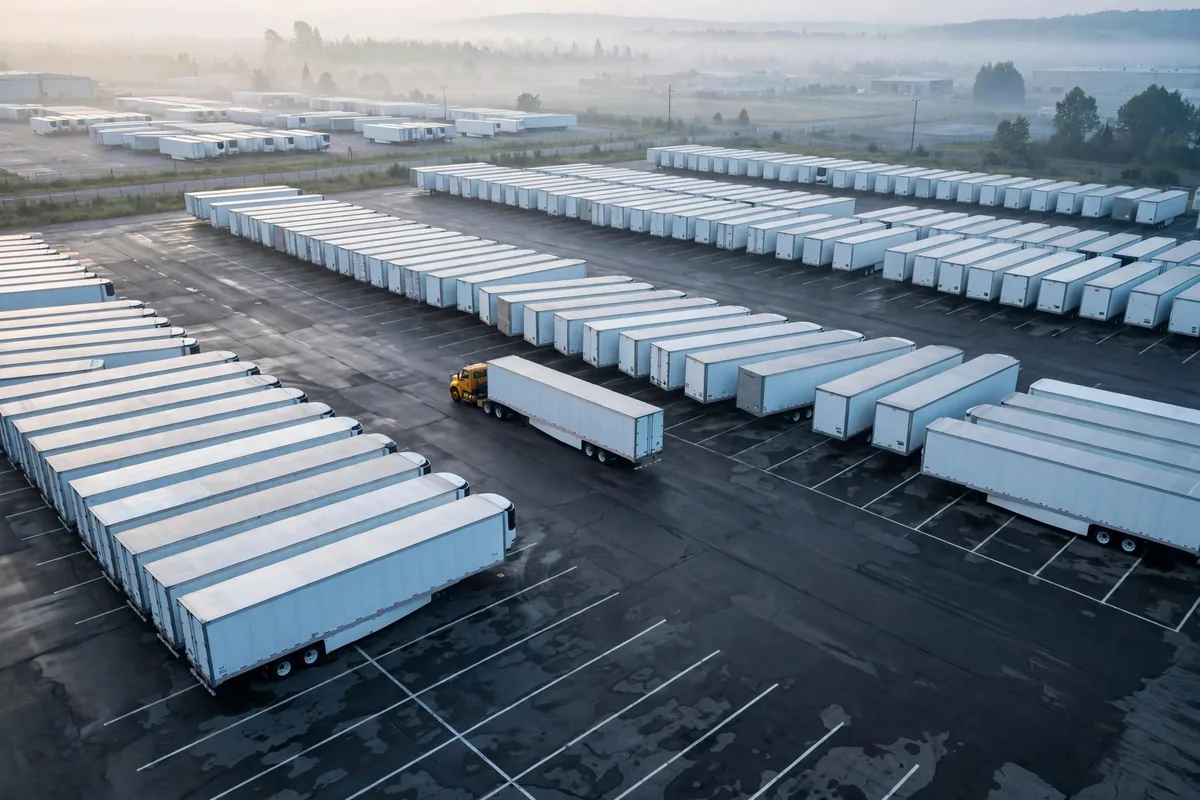
The second number is dock utilization. A dock blocked by a truck that is not ready to load means the next truck cannot get in, and freight that is already staged cannot get out. The same warehouse shipped more than 120 pallets a day at peak with only eight docks. One truck hogging a dock for an extra hour means several pallets that do not ship. More docks are not the answer — the fuller the schedule, the more someone has to watch the clock.
The third number is the hardest to measure and the most expensive: losing drivers. A driver who wastes four hours at your gate goes back and tells his fleet to stop taking your loads. A fleet dispatcher with a dozen warehouses to choose from has no reason to send trucks to you. Short on drivers, your rates go up, and at peak season nobody takes your freight at all. There is no invoice for that one, but everyone who has run transportation knows the number is real.
| What it costs you | How to count it | Where it hides |
|---|---|---|
| Detention fees | Billable hours past free time × your contract rate | Inside the monthly carrier invoice, filed under "transportation costs went up" |
| Dock utilization | One extra hour per truck means several pallets that never ship | A peak-season shipping plan that quietly misses its target |
| Driver loss | Drivers refuse your loads, fleets send trucks elsewhere | Higher rates and nobody available at peak |
How a YMS Reduces Driver Wait Time: Yard Management in Four Steps
Step one: time-slot appointments. Slice the day into half-hour slots, and only let in as many trucks per slot as the docks can actually handle. Drivers pick their own slot on their phone, the system confirms it, and changes go through the system too — a phone call does not count as an appointment. Slotting is not about controlling drivers. It is about staggering arrivals. Here is the counterintuitive part: the fastest way to make drivers wait less is to make trucks arrive later. Early trucks fill every dock, and every truck behind them queues at the gate. That is the step most warehouses skip, and it is the one that matters most for a YMS that reduces driver wait time in the yard.
Step two: pre-arrival checks. Before the driver leaves, he uploads the paperwork, plate number, and load details from his phone, and the warehouse checks it in advance. Fix problems before departure, not at the gate. Done well, gate check-in drops from fifteen minutes to two or three. Another vendor's customer case claims wait time fell 30–40% — again a vendor number, but the mechanism is real: pre-checks kill the most tedious stretch of the wait, the paperwork standoff at the gate.
Step three: a dock board everyone can see. One screen showing today's dock status: which dock is loading, when it frees up, when the next truck is due. That screen cannot live only in the office. The guard, the dispatcher, and the driver all need it — the driver scans a code from his cab and sees his place in line and how long the wait will be. Waiting is not the painful part. Not knowing how long the wait will be is.
Step four: escalation on a timer. Write one rule in stone: a truck at the gate for more than 30 minutes without a dock gets pushed to the shift supervisor automatically; more than an hour, it goes to the warehouse manager. Escalation is not about blame. It is about making sure someone is watching the wait time. Without it, waits only get longer.
Three Ways This Goes Wrong — I Have Seen Each One More Than Once
First failure: appointments exist, but nobody enforces them. The schedule looks perfect in the system while drivers still arrive three hours early and the guard still waves them in. There is only one fix: the gate releases trucks by the system schedule, a truck that did not book that slot waits outside, and exceptions need a supervisor's signature. People will complain for the first two weeks. By week three it runs itself.
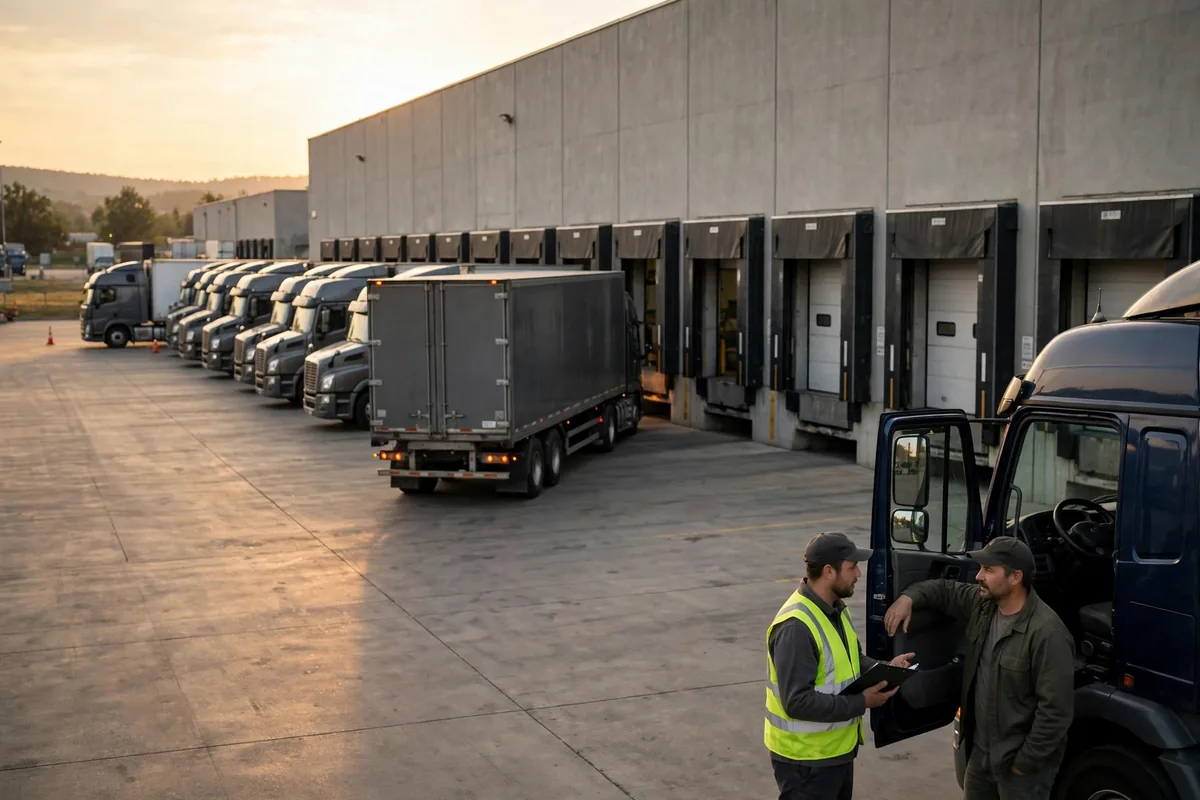
Second failure: the dock board is only visible in the office. The dispatcher sees everything on a monitor while the driver in his cab sees nothing and calls every ten minutes to ask where he stands. Push the board to the driver's phone, or the phone calls never stop.
Third failure: you manage arrival and forget departure. The truck gets in, the freight gets loaded, and then the driver waits another hour at the dock for paperwork and seals. Departure has to be in the system too: paperwork printed ahead, seals riding with the truck, the truck leaves the moment loading finishes, and the dock is free for the next one.
A YMS that reduces driver wait time is not magic. The magic is in execution. The system can schedule, display, and escalate, but whether the gate releases by the schedule, whether the board reaches the driver's phone, and whether anyone acts on a timeout — those are people decisions. Run the four steps for one week — appointments, pre-checks, board, escalation — and then look at the line at your gate. A four-hour wait is not hard to fix. The hard part is admitting the problem was never the driver.
By Lin Xiao, WMS Implementation Consultant