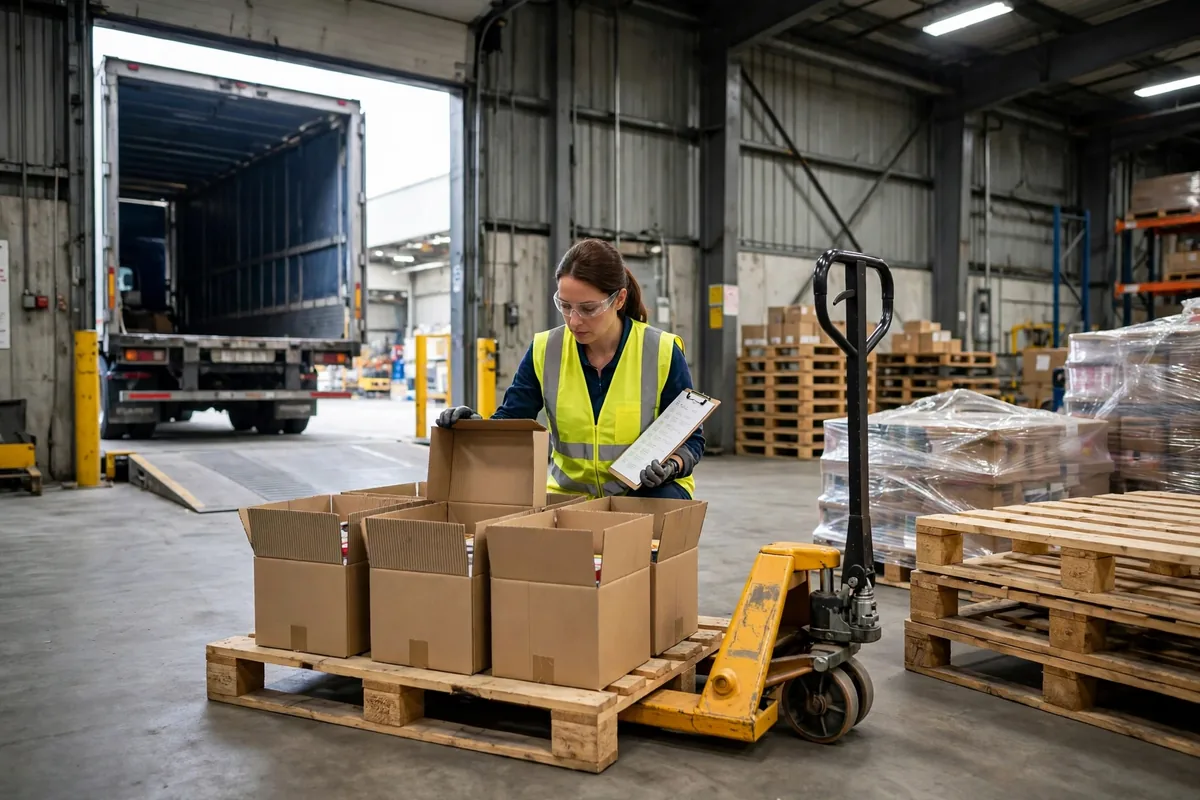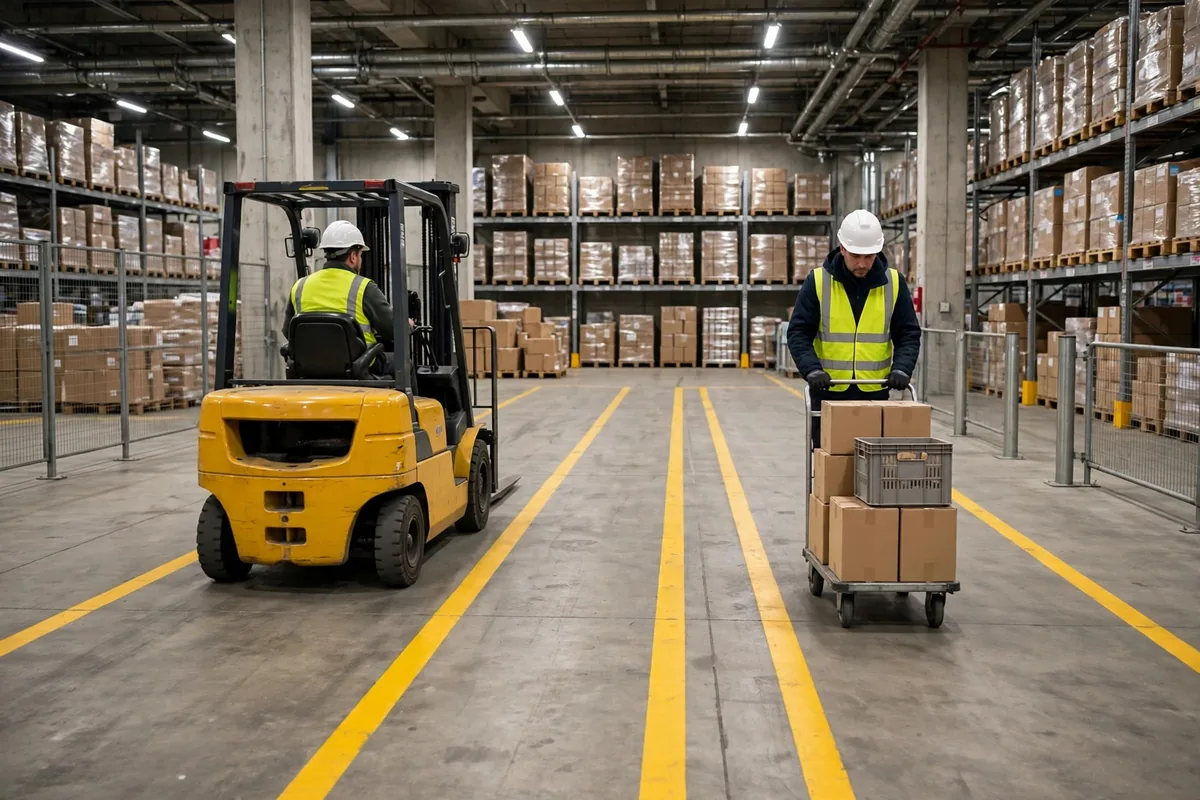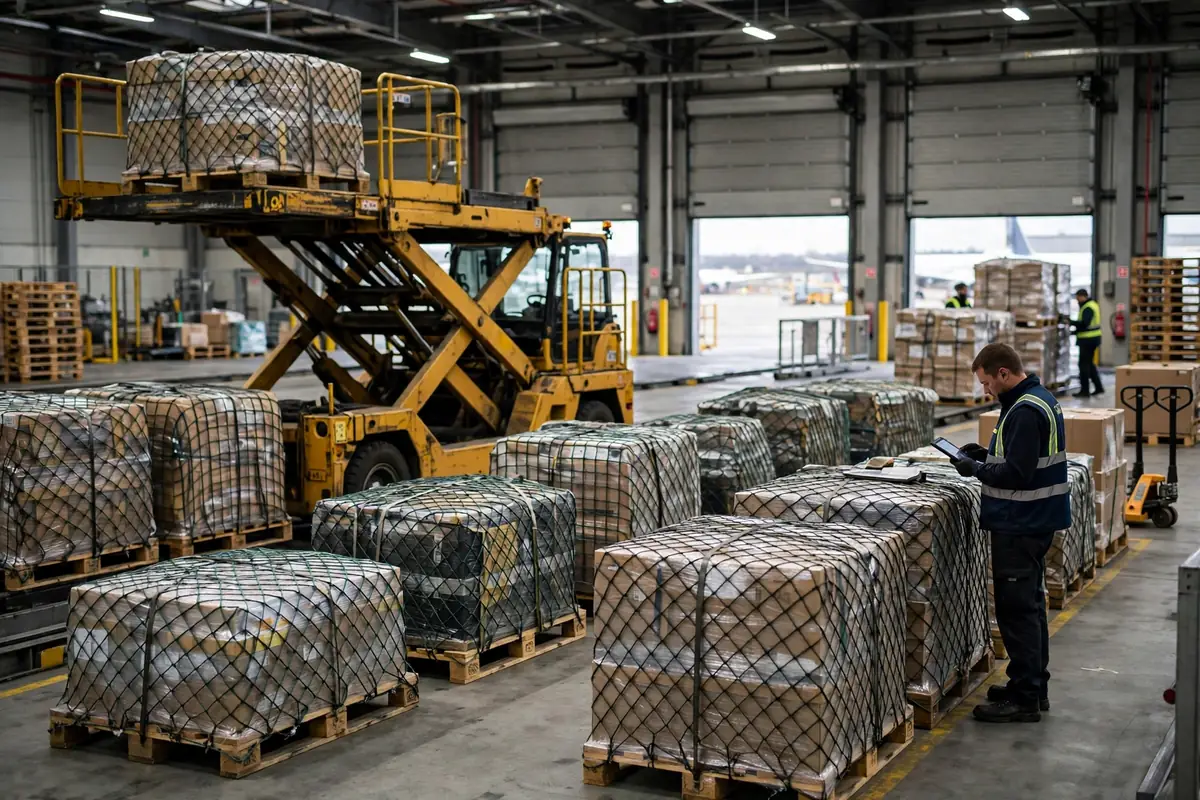
Let me tell you about the night cargo warehouse slot booking taught me a lesson no dispatch office ever did. November 2022, the two weeks before Thanksgiving, I hauled a rush load out near Los Angeles International for a forwarder whose customer was screaming about a flight that night. I rolled up forty minutes early, feeling pretty good about myself. The guard at the cargo warehouse gate looked at his tablet, looked at me, and said the words I will never forget: you have no slot, you do not get in.
Fifteen years of trucking, and I stood there like a rookie. I knew appointment systems. I had booked port terminal slots for years. But slot booking at an air cargo warehouse is a different animal, and that night cost my customer a flight. Here is what I have learned since, the hard way, so you do not have to.
Slot booking is really flight booking
New forwarders think the job is simple. Book the air waybill, tender the freight, done. Anyone who has survived a peak season knows the real order runs backwards. You start with the flight cutoff. You work back to the delivery slot. Only then do you dispatch the truck.
Here is a real one. Autumn last year, near Chicago O'Hare, I delivered auto parts freight for an evening international departure. The cargo station required tender well before departure — check the exact cutoff with the airline and station, because those times change and I am not going to quote you a number that gets your freight rolled. The forwarder booked a delivery window that looked comfortable on paper. Then Chicago did what Chicago does. Snow. Two extra hours on the highway. I reached the gate about thirty minutes past the booked slot, and the system does not care about your story. Every later slot was full. Putting me in would have pushed three other shipments past their cutoffs. That freight flew the next day, and the forwarder spent the evening explaining it to a very unhappy consignee.
The slot was booked right. The drive time was booked wrong. Old hands plan the road leg for the worst day, not the average day. My phone does not store the fastest route to each cargo station anymore. It stores which entrance takes booked trucks, which gate checks paperwork the hardest, and what time the line starts forming. None of that is on a booking confirmation. All of it decides whether your freight flies.
Do not confuse this with port work. I have written before about how drayage terminal appointment booking works, and half of that knowledge transfers. At a terminal, a late truck usually means a longer wait and a new window. At an air cargo warehouse, a late truck can mean a missed cutoff, and a missed cutoff means a new flight, new paperwork, and a customer asking questions you do not want to answer. Same word, appointment. Completely different stakes.
Late, rebooking, and the peak-season slot grab
When you are running late, do not start by begging the warehouse. Check three things first: how much time is left before cutoff, whether any later slot is open, and whether the shipment can split. Then pick your move.
| Situation | First move | What it costs you |
|---|---|---|
| Less than 30 minutes late, later slot open | Rebook in the system immediately and call the station with your plate number | One slot of waiting, freight still makes cutoff |
| All slots full, cutoff still has room | Ask the station about expedite or consolidation options under their current policy | Possible extra charges — confirm current station fees first |
| Cutoff already passed | Stop waiting at the gate, notify the forwarder and rebook the next flight | Rebooking and storage costs, and a hard phone call |
| Shipment can split | Tender the urgent portion now, fly the rest next departure | Extra handling, but the critical freight moves |
Dallas, peak season 2023, showed me the other side of it. I was running more than an hour behind on an electronics load because the previous delivery dragged. The young forwarder handling that booking did not wait for me to arrive and panic. Two hours ahead, she moved the slot booking back one window in the system and called the station desk to say the truck was rolling and the paperwork was clean. When I pulled in, I rolled straight into the new slot. Total damage, about twenty minutes. Rebooking is a race you win early or lose at the gate. There is no third option.
Peak season brings out one habit that hurts everybody, and here is the part people do not like hearing. Booking a slot earliest is not smart. Booking it accurately is smart. Some forwarders grab slots before the flight is even firm, just to hold ground. The flight changes, the slot goes unused, and the forwarder who actually needs it cannot book. Stations track no-shows more closely than they used to, and repeat offenders feel it in their booking priority — check each station's current policy, because the penalties differ. My rule is simple. Release what you will not use, release it early, and your name stays good at that station. The air cargo world around any big airport is small. The same clerks work the same desks every peak. Your reputation books slots that the system will not.
Paperwork is the quiet killer. A perfect slot means nothing if the piece count, weight, or description on your documents does not match what is in the system. I watched a truck sit through two full windows over a gross weight mismatch of a few kilograms, then haul the freight back for a reweigh. Five minutes of checking documents before departure would have saved that driver his whole afternoon. Forwarders, send the driver numbers that match the booking. Drivers, read them before you roll, not at the gate.
So here is my advice, plain as I can make it. Build every cargo warehouse slot booking backwards from the flight cutoff. Plan the drive for the worst traffic day you have actually seen, not the navigation app's fantasy. In peak season, grab the hot windows the moment they open, but only for freight that is truly flying. And keep the driver in the loop the second anything changes, because the driver is the one who will stand at that gate and hear the answer.
After all these years, I will tell you what I really fear. It is not traffic. It is a broken chain of information — freight on the truck, slot in the system, cutoff on the flight board, and one of the three out of sync. Slot booking looks like a computer chore. It is really a trust chore. Show up on time, bring clean paperwork, release what you do not need, and when peak season gets tight, the station crew remembers your name. That memory has gotten more freight flown than any software I have ever used.
By Shifu Zhao, Trucking Veteran (15 yrs)