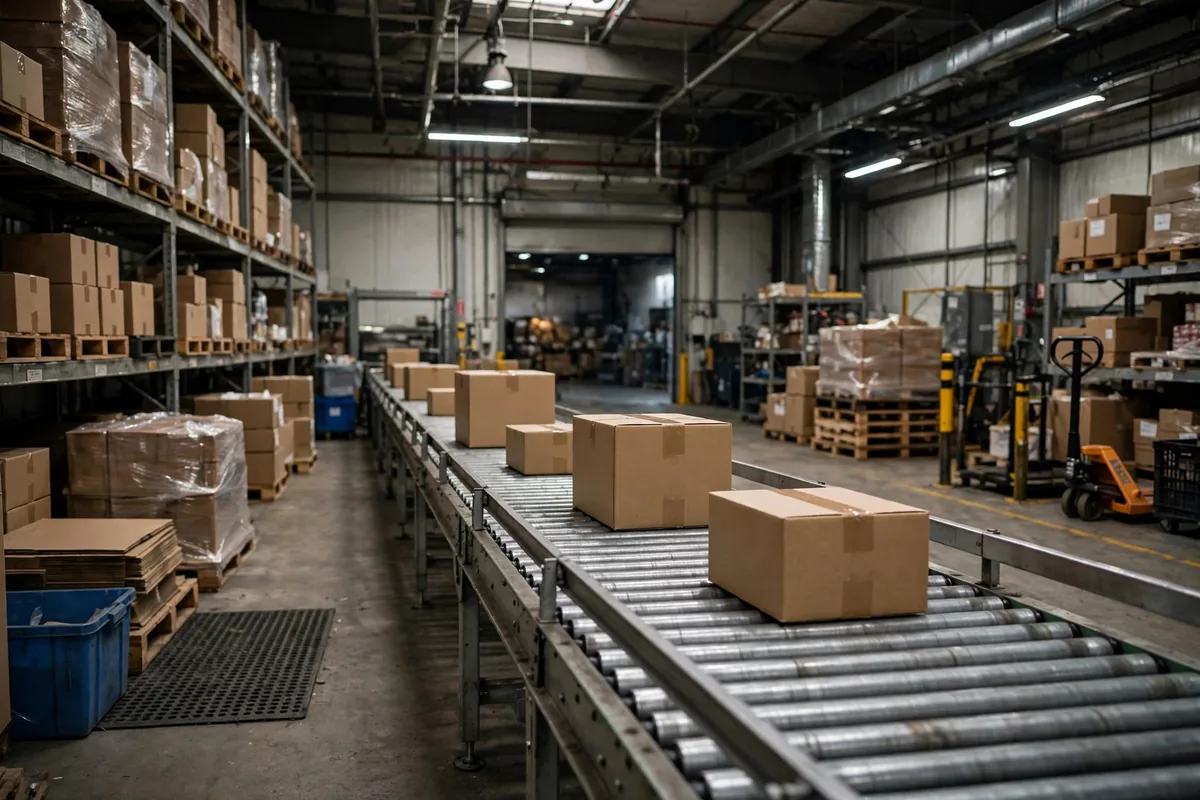
Honestly, the first time I watched a regular powered roller conveyor jam up, I just stood there staring. That jam is exactly what a zero pressure accumulation conveyor is built to prevent.
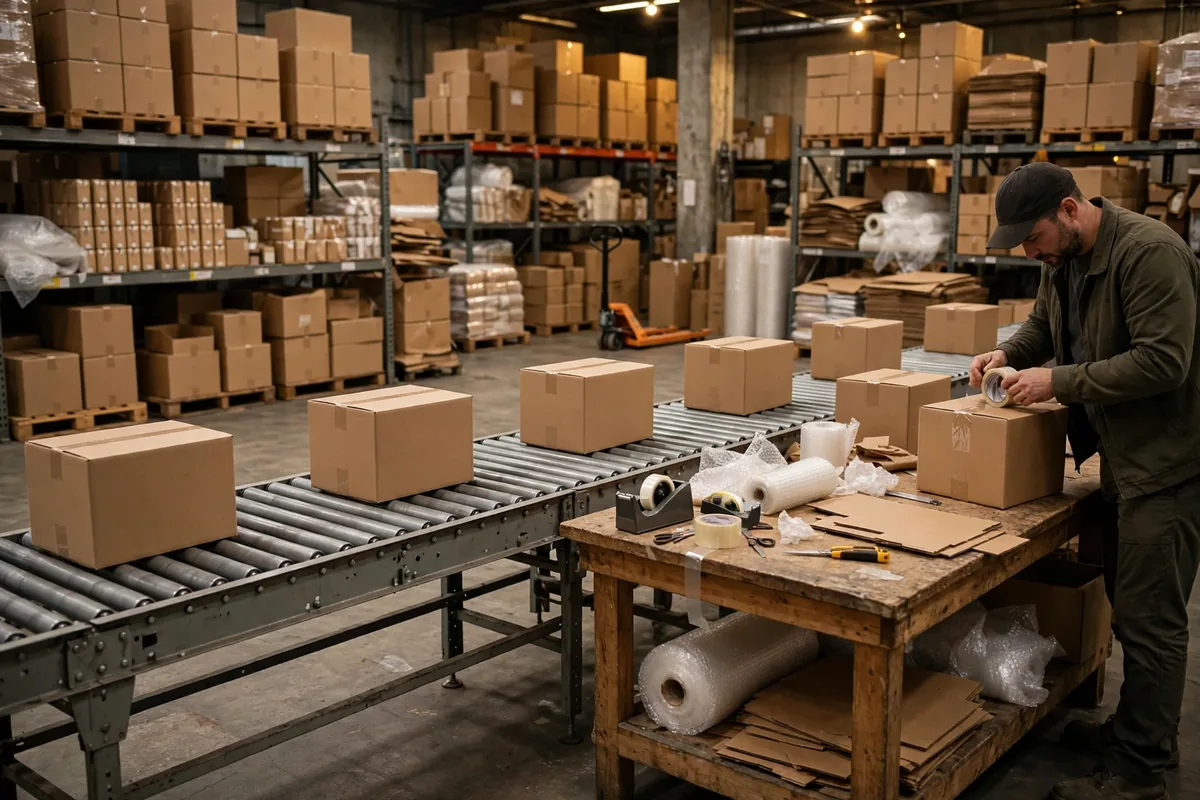
Right before Black Friday last year, I was at a partner warehouse checking my freight. A thirty-meter powered roller line, cartons running nose to tail. The front backed up, and every carton behind it slammed into the one ahead — boxes stacking, tilting, one split open at the corner with product poking out. The warehouse guys didn't blink. They picked up the broken carton and set it aside: "Normal. Peak season, happens every day."
Normal? That's not normal. That's product getting wrecked and money getting burned.
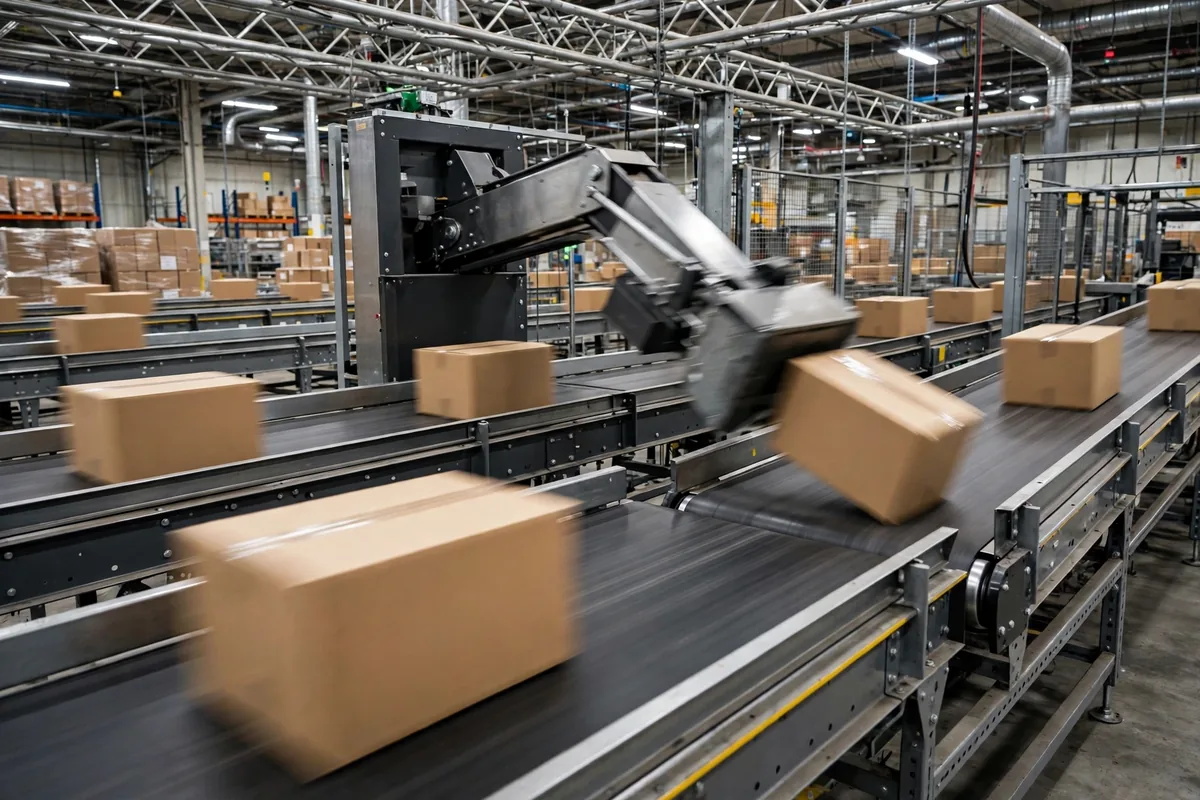
Here's what I figured out later: the problem isn't the workers, it's the line itself. On a regular powered roller conveyor, the whole line keeps turning once it's switched on. Cartons can't stop — they just keep pushing forward. The front jams, the back keeps pushing, and all the pressure lands on the first few cartons. Light ones deform, heavy ones split open. A zero pressure accumulation conveyor exists to fix exactly that.
What Zero Pressure Accumulation Actually Is
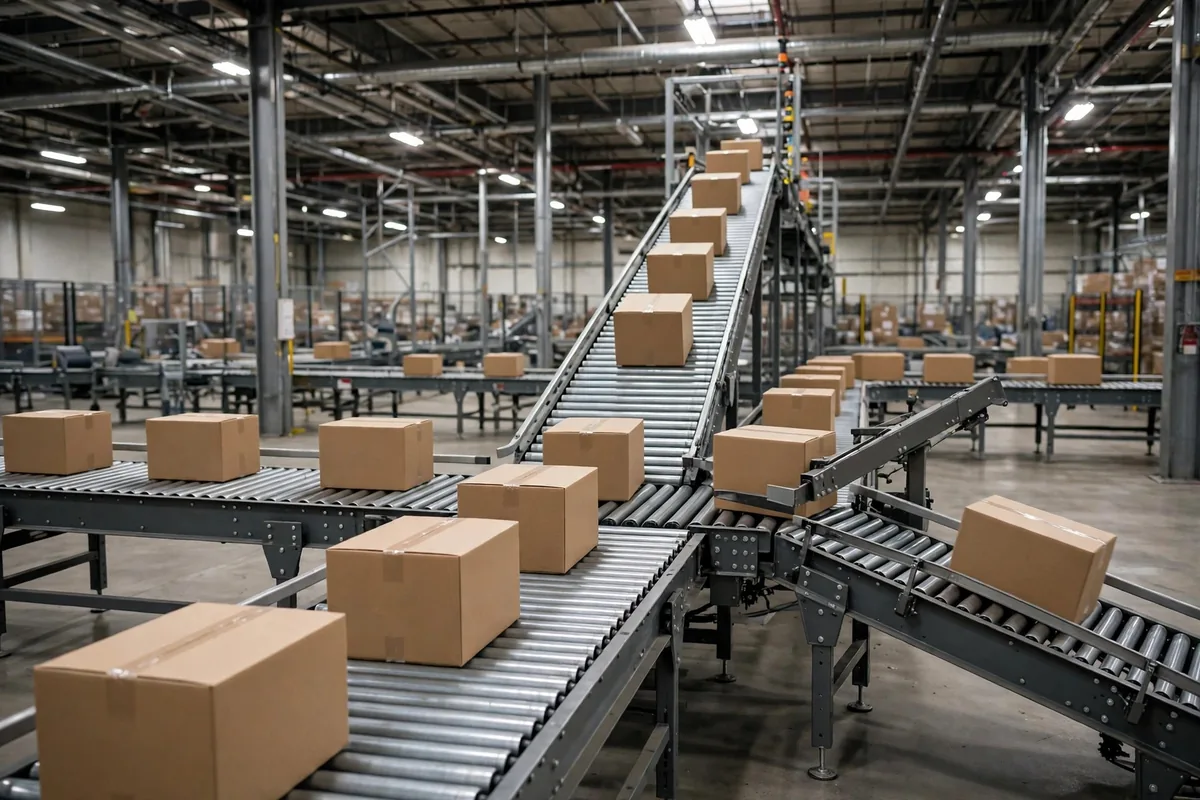
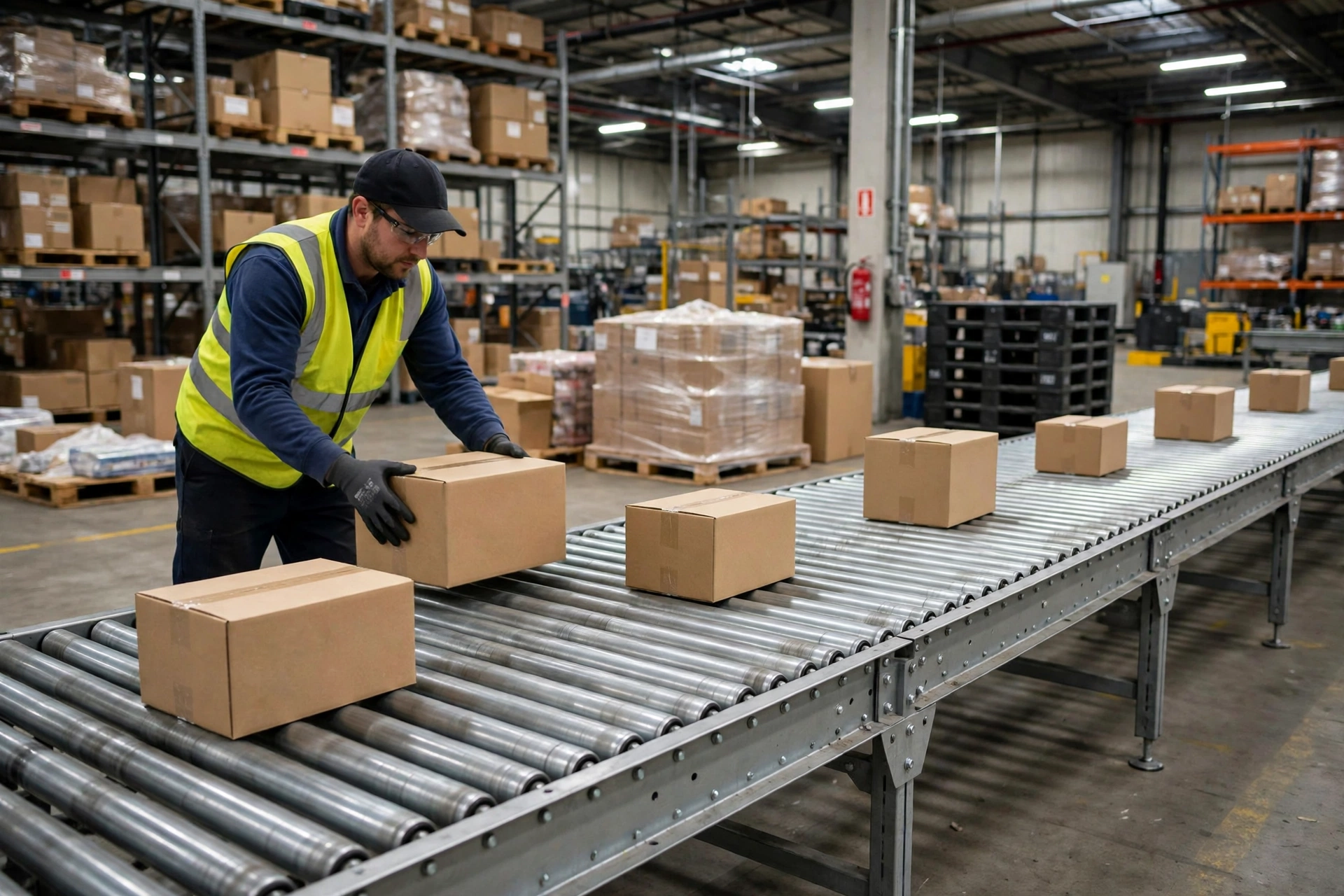
In plain language: zero pressure accumulation gives every carton its own little zone. A carton stops and waits when the zone ahead is occupied, moves forward when it's clear — no squeezing, no pushing, no collisions.
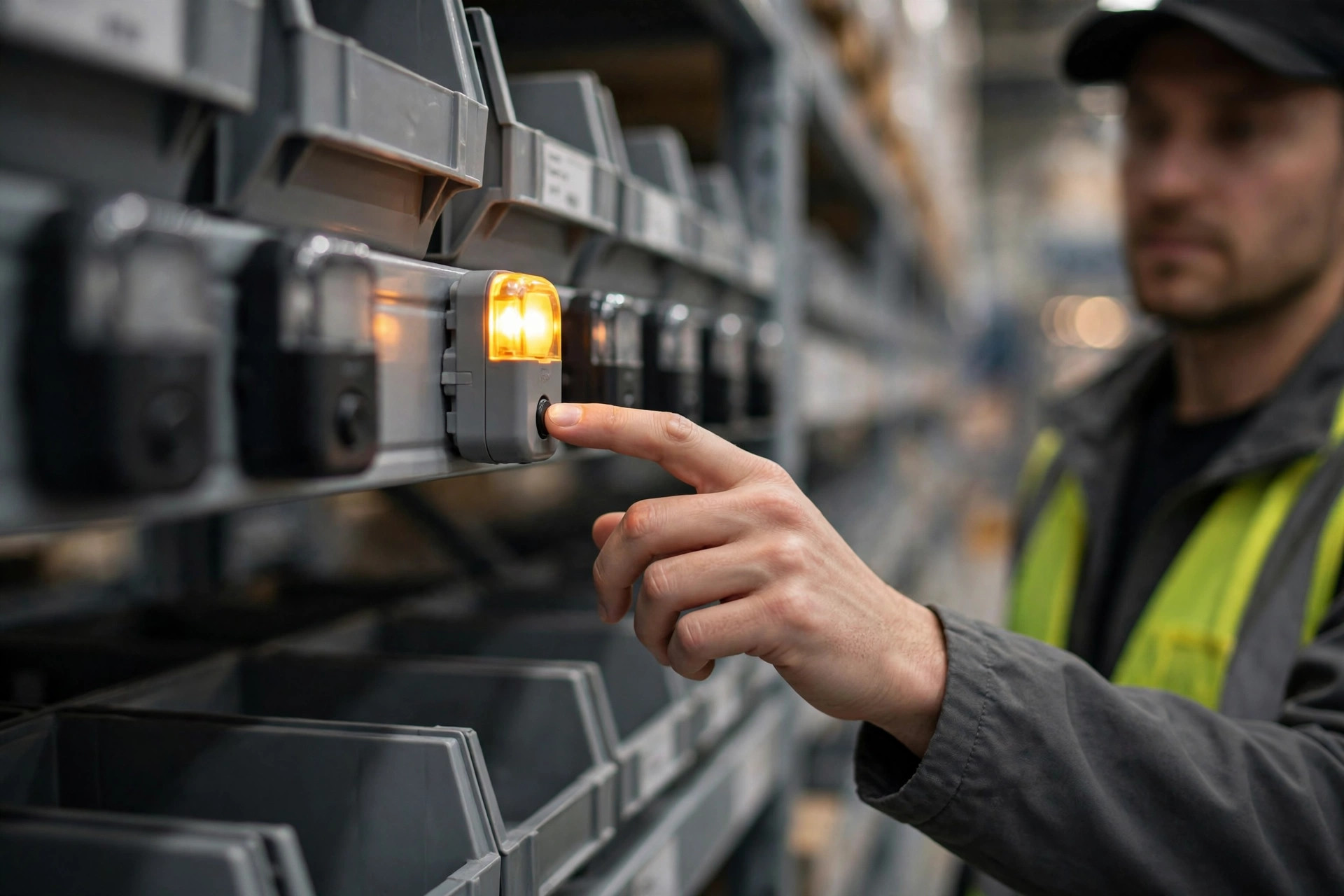
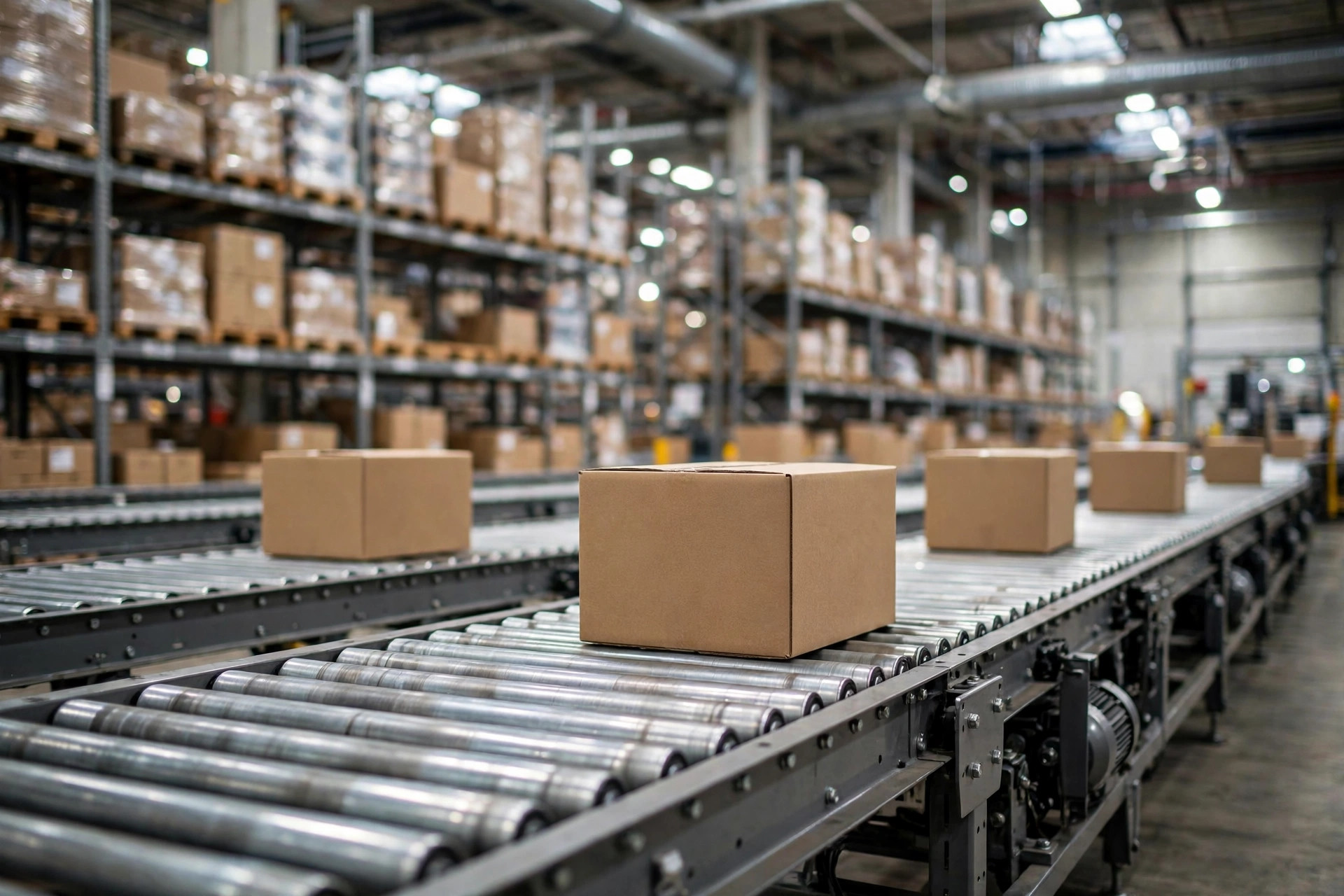
How? Zone drive plus photo-eye sensors. The line is cut into short zones, each with its own motor and sensor. The sensor sees a carton in the zone ahead and holds its own carton back; when it clears, it releases. Cartons move in a stop-start rhythm, like cars through a security checkpoint one at a time, nobody tailgating anybody.
The first time someone explained this, my reaction was: so it's just traffic lights for boxes? Yeah. Exactly. A regular powered line is a road with no traffic lights — everybody floors it, and a jam means a pile-up. ZPA puts a traffic light at every intersection, and the flow sorts itself out.
Sounds simple. In practice, the difference is night and day.
The Damage Bill That Changed My Mind
My own story: last Black Friday, I had a batch of small home appliances moving through a partner warehouse on a regular powered line. The cartons weren't heavy-duty. Over three days, the warehouse reported more than forty damaged cartons (worked example, estimated from that shipment's volume). A few were fragile items — customers got them broken, left one-star reviews, and the platform charged me compensation on top. Damage plus compensation plus reshipping cost me thousands of dollars in one weekend.
My only thought at the time: this line has to go.
Then I switched to a warehouse running a zero pressure accumulation conveyor. Same kind of product, same three peak days, damage dropped to single digits (worked example, comparable shipment volume). The cartons didn't get tougher — the line just stopped crushing them. Boxes queued quietly in the zones and got released one by one at the sort point. Nothing to collide with.
This one I tested myself, and it works. The numbers are right there: from more than forty damaged cartons to single digits, and the reship and compensation money I used to burn stayed in my pocket.
But don't rush to place an order. Zero pressure accumulation isn't a cure-all. Before you buy, check three things.
Is a Zero Pressure Accumulation Conveyor Worth It? Check Three Things
First: volume and speed. How many cartons does your line move a day? If it's a few hundred, slow flow, cartons already have gaps between them, then ZPA is overkill. A regular powered line does the job fine, and the savings can go somewhere better. But if you're moving thousands a day, double at peak, cartons queuing in the accumulation zone — then ZPA is a must-have. My rule is simple: if the accumulation zone jams, squeezes, and needs someone to manually clear it all the time, it's worth it.
Second: product value and damage cost. What's your product worth? What does one damaged carton cost? If you sell light, fragile, high-value goods, one damaged carton can cost as much as dozens of ordinary ones, and the math for ZPA is easy. If you sell tough everyday goods with a naturally low damage rate, payback is slow. My calculation: add up one month of damage, compensation, and reshipping, then see how many months of that covers the price premium of ZPA. If payback takes more than a year, I think twice.
Third: carton shape. ZPA works best with honest, regular cartons — similar size, similar weight, flat bottoms. Oversized, overweight, odd-shaped, or soft poly bags are hard to control in zones: sensors misread them and zone lengths don't match. Force ZPA onto those and you pay full price for half the benefit. Most of my freight is standard cartons, with a few odd pieces here and there — the odd ones go on a manual line, not the automated one.
Pass all three checks, then talk about buying.
Regular Line vs. ZPA: The Difference
| Regular powered roller line | Zero pressure accumulation conveyor | |
|---|---|---|
| How cartons accumulate | Whole line keeps turning, cartons push forward | Zone drive: stop when occupied, go when clear |
| Damage risk | Squeezing and impact when jammed | Cartons never touch, damage stays low |
| Best flow rate | Slow, low volume | Medium to high speed, high volume |
| Equipment cost | Cheap | Roughly 30–50% more per meter (worked example) |
| Control complexity | Simple, plug in and run | Zones plus sensors, needs tuning |
| Maintenance focus | Motors, rollers | Motors, rollers, plus sensors |
I stuck this table on my office wall. Every time someone asks "should we get ZPA," I point at the table first. Still want it after reading it? Then we talk specifics.
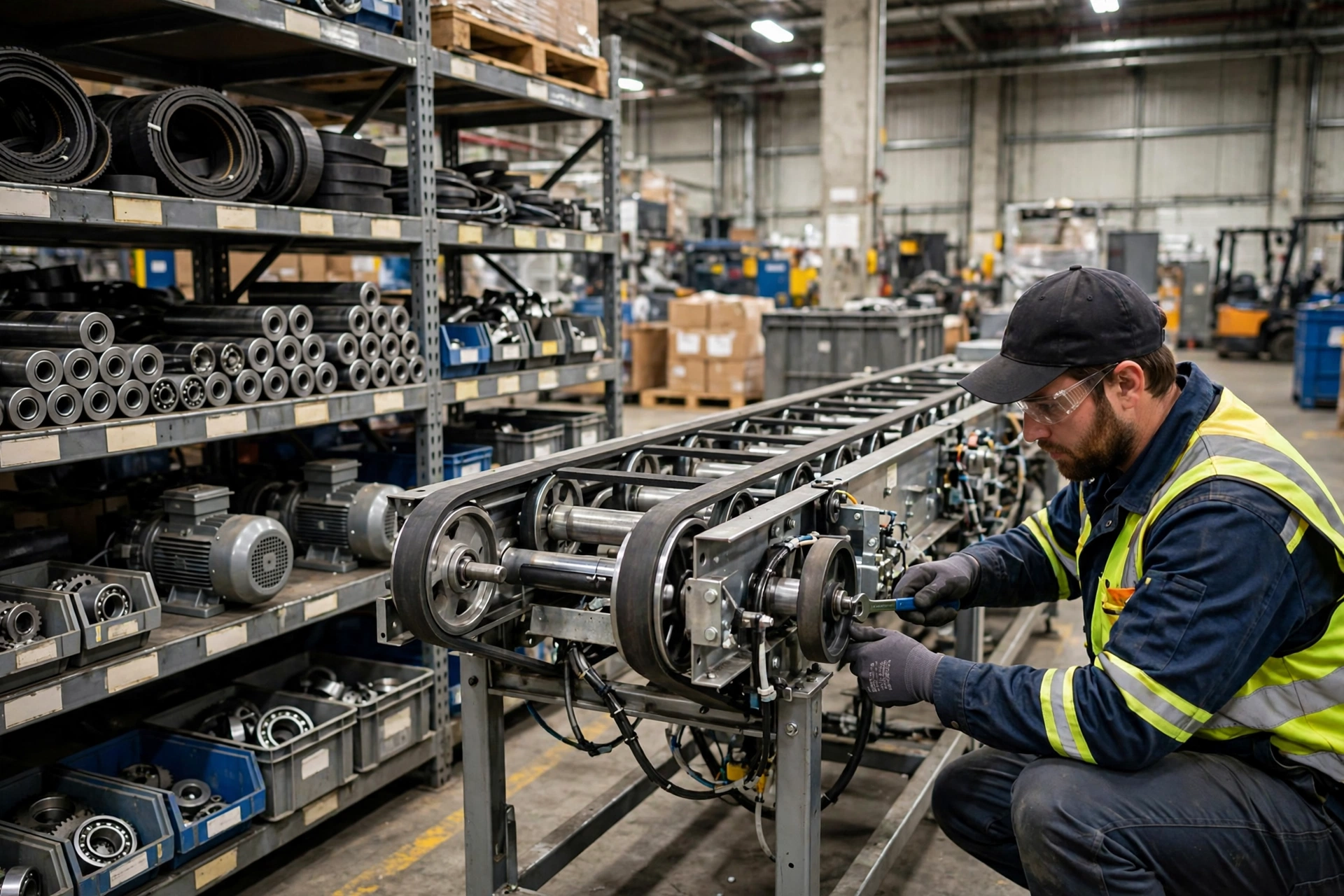
Here's the contrarian take: a lot of people think ZPA is just "a regular line, but pricier." Wrong. The extra cost isn't just hardware — it's controls and maintenance. More zones mean more sensors, and more sensors mean more tuning. A sensor gets dirty, knocked out of alignment, blocked by a carton, and suddenly a whole zone misbehaves: cartons that should stop don't, cartons that should go won't. I've seen a warehouse spend its first two weeks after install calling the technician out every day just to tune sensors.
So when you're comparing prices, don't just compare dollars per meter. Ask three things: what brand are the sensors and how easy are they to wipe clean, can you adjust the control logic yourself, and how fast does after-sales show up on site? Those three answers decide whether you bought peace of mind or a headache.
Pitfalls I Tested Myself
Pitfall one: sensors hate dust. Warehouses are dusty, and a film of dust on a sensor lens kills its sensitivity. Our warehouse now wipes every sensor once a week — five minutes of work that saves a two-hour repair later. Don't underestimate those five minutes. At peak, one dead sensor stops the whole line.
Pitfall two: zone length has to match carton size. Zones too short and a big carton straddles two zones, confusing the control logic; zones too long and small cartons rattle around inside them, killing throughput. Before you buy, measure your main carton sizes and have the manufacturer set zone lengths to match. Don't just accept standard zones.
Pitfall three: don't expect ZPA to fix everything. If the sort point is jammed, the pack-out bench can't keep up, or you're short-staffed downstream, the best conveyor in the world won't save you. ZPA fixes squeezing on the line, not congestion across the whole warehouse. Before you install, walk the downstream bottlenecks first — otherwise you just move the jam from the line to the floor.
Pitfall four: don't accept the line on an empty test run. Empty runs look smooth for everyone. At acceptance, run it loaded — real freight, real carton sizes, real flow rates — for two straight hours, and log everything: damage count, jam count, manual interventions. Sign off only when the numbers pass.
One last honest word: a zero pressure accumulation conveyor isn't high tech. It's traffic lights for cartons. If your warehouse jams and breaks product every day, the money is well spent. If your volume is low and your freight isn't fragile, a regular line does the job just fine. There's no standard answer in conveyor selection — only the answer that fits your warehouse.
This one I tested myself, and it works — as long as you run your own numbers on those three checks first.
By Ah K, E-commerce Seller (5 yrs)