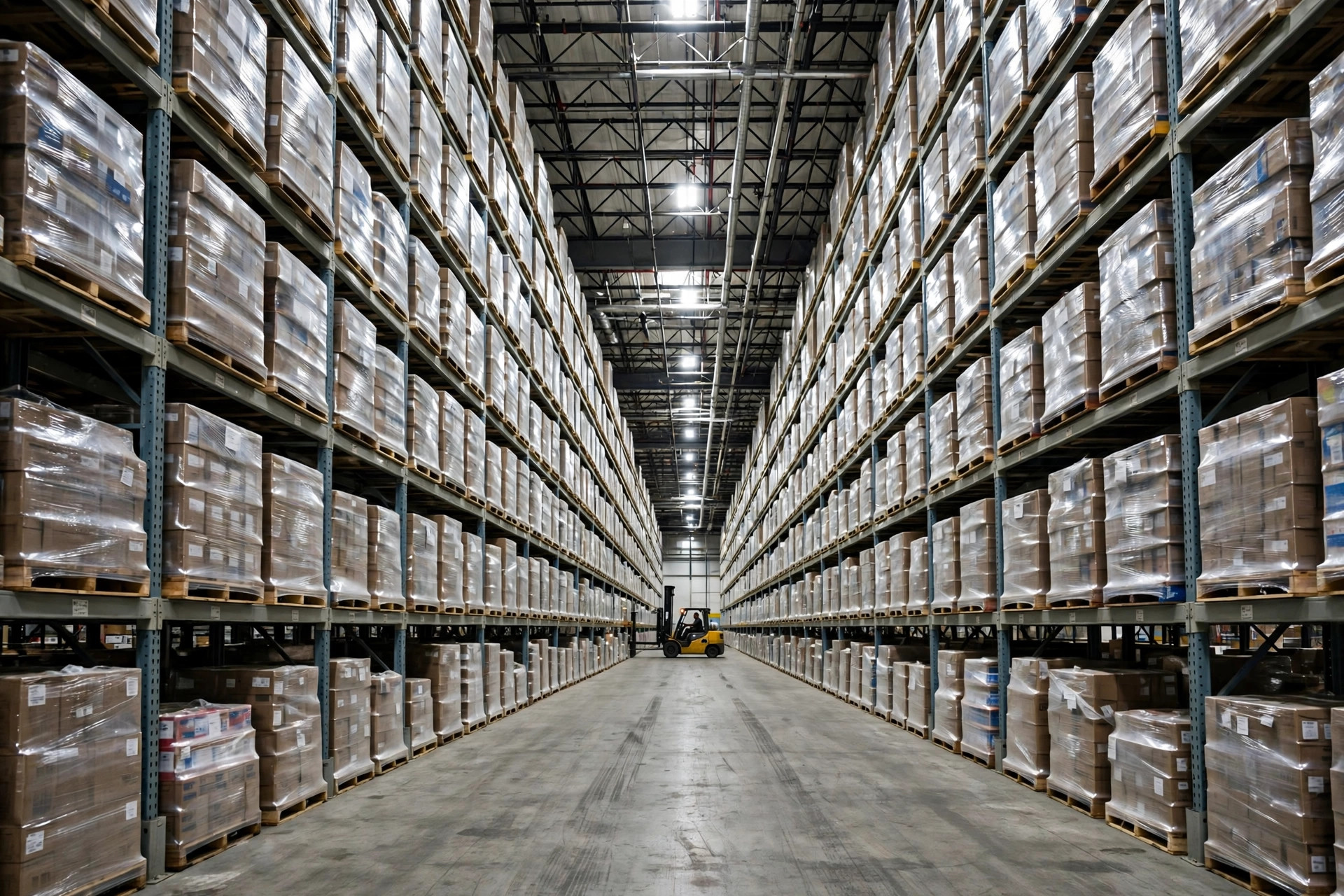
Let me rant first: a Black Friday order surge isn't scary. What's scary is your inventory sitting in a warehouse's Zone B while the crew in Zone A stands around doing nothing.
That's what broken WES task balancing looks like in a real warehouse. I'm a seller, not a warehouse operator — but my orders move through somebody else's building, so I have opinions about this.
Black Friday 2025. My store did 3,000+ orders. All the inventory sat in a 3PL warehouse on the US West Coast. One night in late November I refreshed my dashboard: half my orders had been stuck at "picking" for two full days. Buyers started messaging "has my order shipped yet," and my late-shipment rate was about to blow past the platform's limit.
Next morning I drove to the warehouse. Zone A (small items): three people, empty pick carts, standing around chatting. Zone B (bulky bestsellers): five people picking like their lives depended on it, the floor stacked with boxes waiting to be packed. Ninety percent of my inventory was in Zone B.
I asked the supervisor to move people from A to B. He just shrugged: "The WES ties people to zones. If Zone A folks walk into Zone B, the system won't assign them any tasks."
That's when it clicked: the scariest thing about task assignment isn't being busy — it's uneven busyness. The idle zone slacks off; the slammed zone makes mistakes. Zone B mispicked a dozen orders over those two days, and the return shipping came out of my pocket.
What WES Task Balancing Actually Balances
Strip it down: a warehouse has N zones, M people, P tasks. The WES — warehouse execution system — is the dispatcher. Who goes to which zone, who does what, what gets done first: it calls the shots.
Done right, everyone has work, nobody idles, nobody gets crushed. Done wrong, you get my Black Friday: half the crew slacking, half the crew drowning, and orders still shipping late.
Why should a seller care? Because which zone your inventory sits in — and how slammed that zone is — decides when your orders ship. On-time shipment rates, inbound receiving times, all of it rides on this. You can obsess over ad ACoS and conversion rates all day, but if your orders sit in a warehouse for two days, who's going to hear your complaint?
Three Ways WES Task Balancing Gets Done: by Zone, by Order, by Task Pool
I've worked with several 3PLs over the years and seen all three methods in the wild. One by one.
Method 1: By zone — one person owns one zone.
The most common, and the most rigid. Everyone is pinned to a zone; Zone A has a problem, you talk to Zone A's people. Accountability is crystal clear.
The downside is just as clear: when bestsellers pile up in one zone, that zone works till midnight while the next zone clocks out early. And people develop territory syndrome — why should I kill myself in the slammed zone while you leave early from the dead one? Good luck managing that team.
Method 2: By order — one person picks a whole order across zones.
Sounds the fairest: one order, one picker, no matter how many zones it touches. Nobody can complain about unfairness.
The catch is walking. One order's items spread across three zones means the picker runs all over the building — several extra kilometers a day, all that efficiency burned on footwork. Fine at low volume; falls apart when volume spikes.
Method 3: Dynamic task pool — tasks go into a pool first, then get assigned.
This is what a WES is actually for: every task drops into a pool, and the system assigns based on priority (cutoff times, which channel's late penalties actually hurt), where people are, and what they can do — skill tags like "can pick bulky items," "forklift certified," "rookie vs. veteran." When a zone blows up, idle-zone people get pulled over to help.
But dynamic has its own traps, and they're not small. Bad rules are the same as no rules. I saw one warehouse with a task pool whose only priority rule was first-in-first-out — during peak, regular and rush orders got identical treatment and every rush order missed its window. Another ran a grab-style system: fastest fingers got the easy picks, and the heavy, awkward ones sat forever until a supervisor assigned them by hand. At that point, why did you buy the system?
| Method | How it works | Upside | Trap |
|---|---|---|---|
| By zone | Each person pinned to one zone | Clear accountability, easy to manage | Rigid; uneven load; breeds territory syndrome |
| By order | One picker completes a whole order across zones | Feels fair, nobody complains | Massive walking; efficiency dies on footwork; breaks at volume |
| Dynamic task pool | Tasks enter a pool; system assigns by priority + location + skills | Flexible; cross-zone backup | Bad rules = no rules; grab-style pools get cherry-picked |
Warehouses That Balance Well All Have These Three Things
First, a task pool. Every pick, replenishment, and pack task enters the pool — never hard-wired to a person. No pool, no dynamic scheduling. Everything else is talk.
Second, priority rules. At least three tiers: orders closest to cutoff, orders from channels whose late penalties actually hurt (late shipments really do cost you), and everything else. The finer the rules, the better the system knows what to do first. Ask your warehouse before peak season: how many priority tiers do you run?
Third, skill tags on people. Who can pick bulky items, who's a rookie, rookies stay off high racks. Get the tags right and the system can safely move people across zones. Throw a rookie into the bestseller zone and the mispick rate doubles — not worth it.
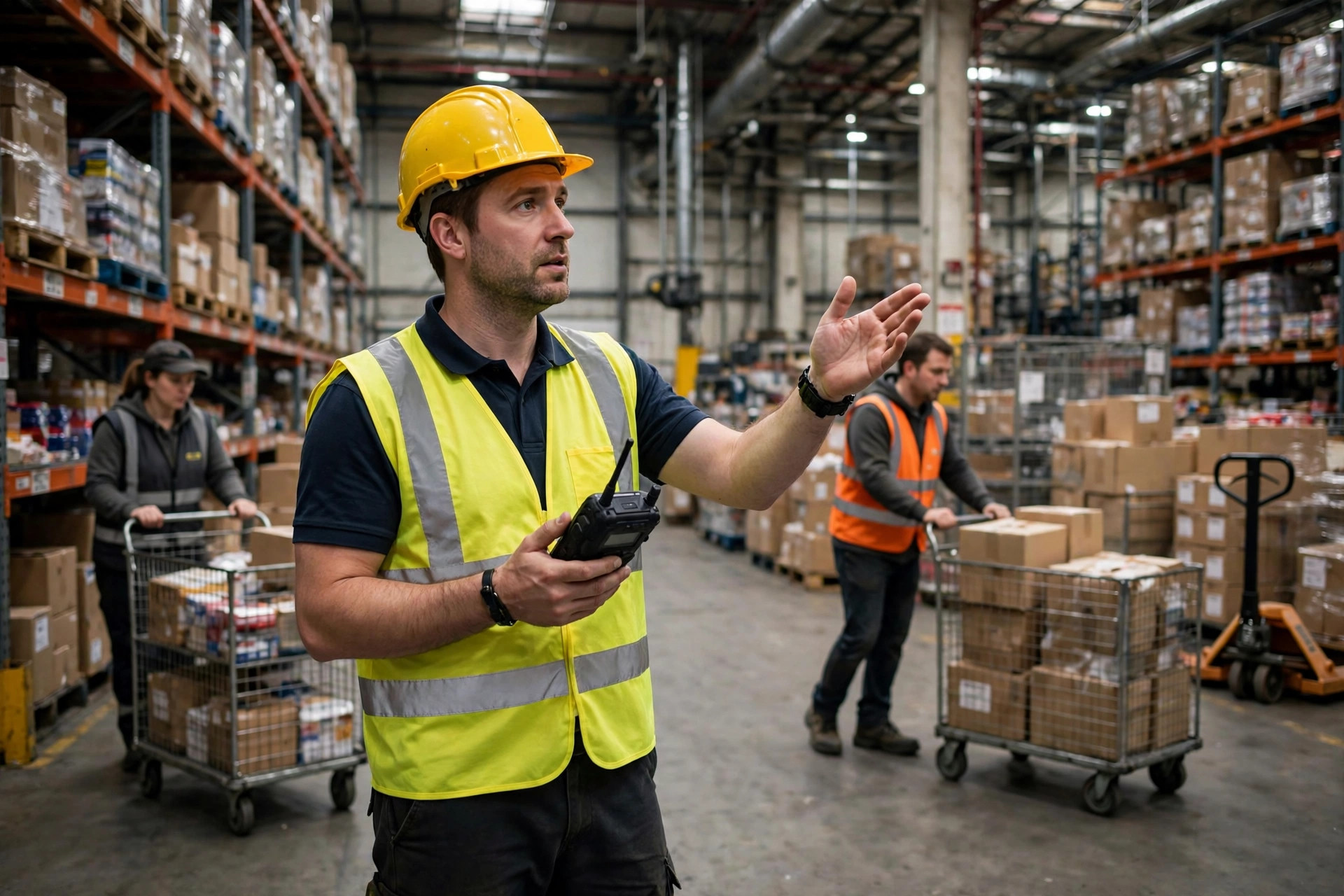
I caught up with that warehouse supervisor later. He told me the next year they rolled out a task pool plus skill tags: when Zone B blew up on Black Friday, the system auto-pulled two veterans from Zone A, and the night shift merged Zone A's leftovers into Zone B's picking waves. That year all my orders shipped same-day and my late-shipment rate stayed clean. His words: "We used to shout across the floor. Now the system reads the data and assigns."
How a Seller Judges WES Task Balancing: Three Numbers
We can't reconfigure someone else's WES. But before peak season, we can ask for three numbers:
- Backlog per zone — how many unpicked orders are sitting in Zone B right now? Is that number climbing or falling day over day?
- Task completion time — from task release to pick complete, how long on average? Look at it by time slot, not just the average — evening rush vs. dead of night can differ by 2x.
- On-time ship rate — last week, last month: what share of orders placed before cutoff shipped same-day?
A warehouse willing to send you these three numbers daily (or weekly) probably has its act together. One that hems and haws and can't produce them... you know what to do — line up a backup warehouse.
Two more warnings before I go:
Don't just count total headcount. Twenty people pinned to their zones lose to fifteen who can flex. Peak season isn't won on headcount; it's won on dispatch.
Two weeks before the big sale, go see the warehouse yourself — or at least call and ask for those three numbers. Asking after the blowup is too late. Same goes for inbound receiving: where's your appointment in the queue, which zone is backing up — ask early and you'll sleep better.
Before this year's peak, I screened my warehouse partners on exactly these three numbers and switched to one that sends the data daily. Tested it myself — it works. At least my orders aren't stuck in Zone B anymore.
By Ah K, E-commerce Seller (5 yrs)