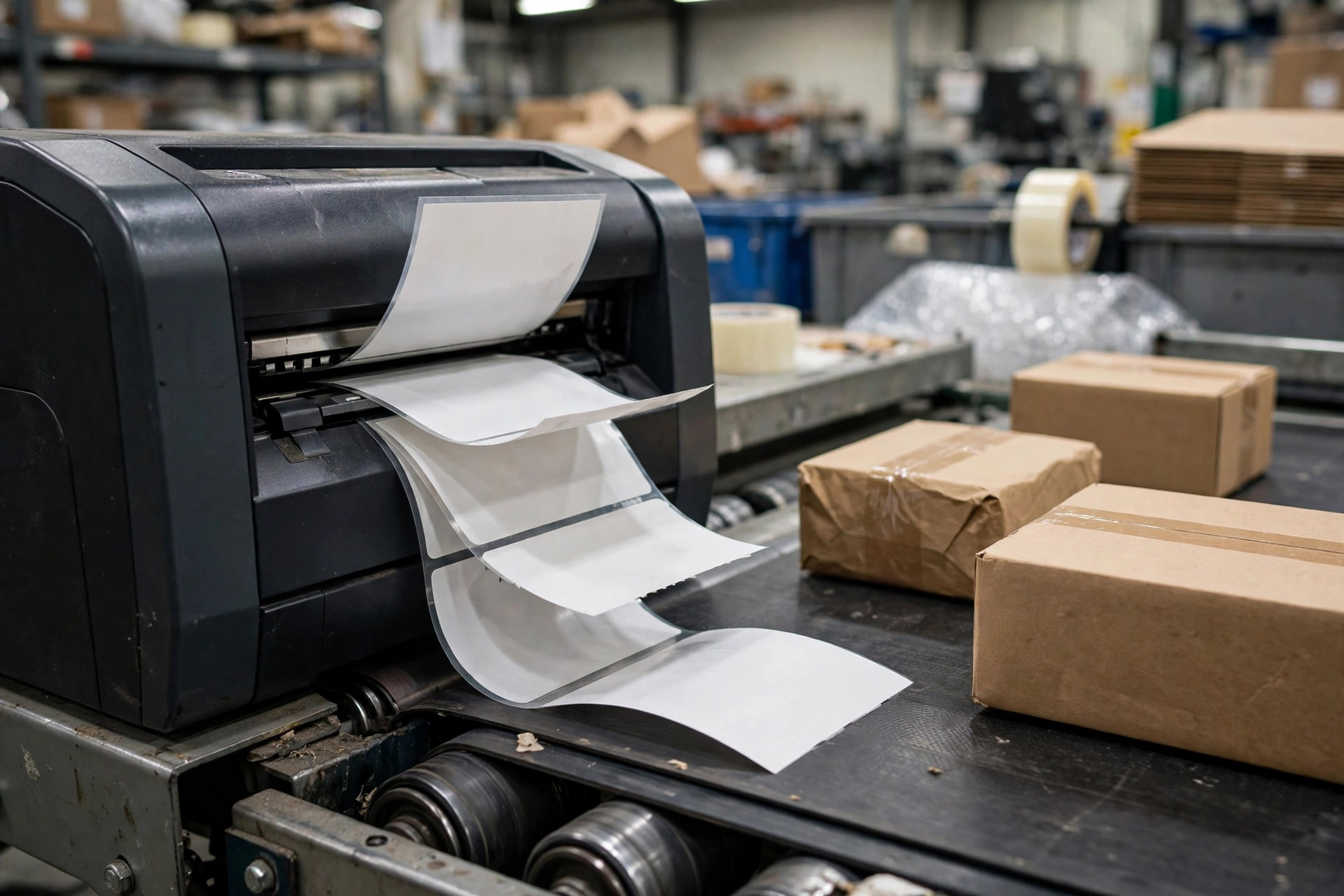
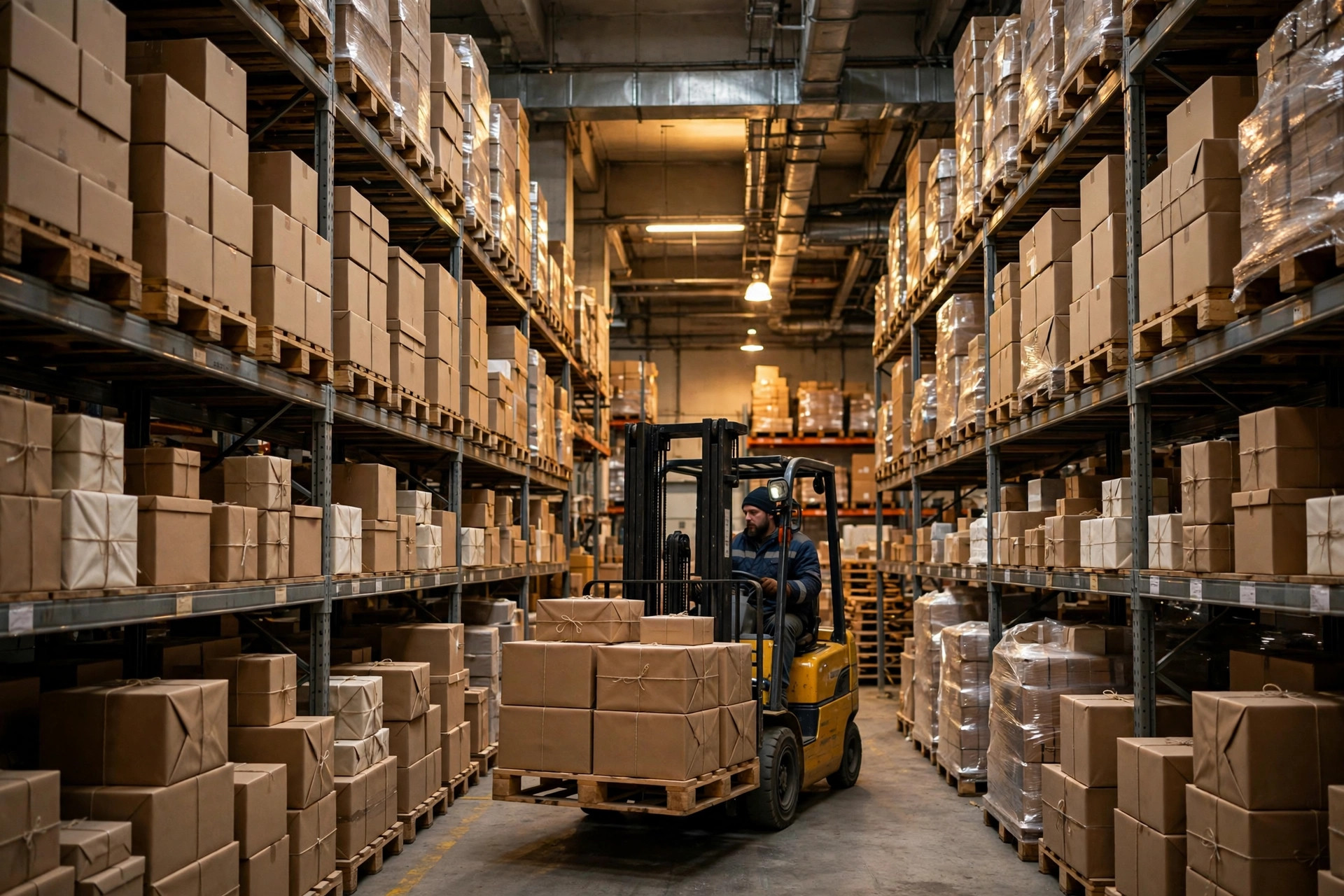
Our little warehouse can't afford to burn money like that. But every year around late September, UPS and FedEx team up to teach us a lesson: peak season arrives, rates go up, pickups slow down, and surcharges you've never seen before show up on the invoice. Last Black Friday, our UPS driver pulled the "I'll come tomorrow" routine three days in a row. Over 3,000 packages piled up at our dock doors — the forklift couldn't even turn around. After that, I figured it out: when it comes to parcel carrier peak season capacity limits, the carriers never send you a notice. They just quietly start squeezing.
Here's the gut punch first: peak surcharges start in late September. UPS began its 2026 peak surcharges on September 27, FedEx on September 28, and USPS raised rates by about 6% on average starting October 4 — all running into mid-January 2027. If you start preparing in October, they've already been charging you since September.
Warning Sign One: The Invoice Moves First — Peak-Season Surcharges Are Capacity Limits in Disguise
This is the earliest signal, and the easiest to miss. Peak surcharges come in two layers.
Layer one is the per-package demand surcharge: starting late October, UPS and FedEx add $0.50 to $0.80 per residential package. Ship 300 packages a day, 22 working days a month — that's an extra $3,300 to $5,280 a month on this line item alone. Not huge money, but it's the carrier telling you the network is getting tight.
Layer two is the per-box handling surcharge, and this one bites harder. UPS Additional Handling runs $8.75 per package during peak, jumping to $11.90 in the Black Friday-to-Christmas window; the Large Package surcharge climbs from $96.25 to $117.50. FedEx is nearly identical: Additional Handling from $8.80 up to $11.85 at peak, Oversize from $95.75 to $117.25. These fees have nothing to do with distance and everything to do with your box — a slightly longer carton or an odd shape, and the fee doubles.
Run the numbers: say you ship 2,000 packages a week at peak, and 5% of them (100 boxes) trigger Additional Handling. That's 100 × $11.90 = $1,190 a week — $9,520 over an 8-week season. And most of that money is avoidable, because box specs are a design choice. Swap out the overlong cartons, square up the odd-shaped packaging, and the surcharge disappears. Highest-ROI peak prep I've ever seen: measure your boxes, save enough to buy a car.
That's the first form parcel carrier peak season capacity limits take: no announcement, just a price hike. The carriers use pricing to quietly discourage the incremental volume their network didn't plan for. A fatter invoice is capacity management in disguise.
Warning Sign Two: Pickups Start Slipping to "Tomorrow" — the Quiet Side of Peak-Season Capacity Limits
The second signal shows up at your dock door. UPS expects its US volume to climb roughly 24% from Q3 to Q4 this year. A stretched network sacrifices small customers' pickup priority first.
That's exactly how we got burned last year. Black Friday week, our driver who always showed at 3 PM came at 5 PM on day one, said "first thing tomorrow" on day two, and never showed on day three. Customer service kept saying "capacity is tight, we're coordinating." Over 3,000 packages sat at our doors for three days. Forklifts couldn't get in, new freight couldn't get out. I was at the warehouse at 6 AM every morning personally calling the driver, basically begging him to come to us first.

In hindsight it was obvious: carriers don't formally notify you that you're being throttled. For a small warehouse, throttling looks like this — pickup times sliding later each day, and customer service stuck on "we're coordinating." By the time you react, you've got three days of backlog.
So this year, back in September, I took our UPS driver and the local station supervisor out to lunch and got our daily holiday pickup window in writing. Laugh if you want — the scrappy stuff works. Drivers are people too. Whoever's name is on the route sheet first gets their freight moving first.
Warning Sign Three: Your Volume Spike Puts You on the Parcel Carrier's Peak-Season Capacity Radar
The third signal is the sneakiest. UPS and FedEx run a separate, higher surcharge schedule for big shippers: customers billed for more than 20,000 residential packages in a single week face steeper per-package charges — $1.75 to $8.00 at UPS, scaled by how far weekly volume runs above a June baseline. Our little warehouse will never hit 20,000 packages a week. But the rule reveals something important: carriers manage peak capacity against baselines, and whoever spikes hardest gets "attention" first.
Translated for small warehouses: if you normally ship 200 a day and suddenly push 800 a day at peak, your curve is a steep spike in their system. Their network was planned on your history. Your spike is unplanned load, and unplanned load gets the lowest priority — your pickups slide behind the big accounts, and your invoice gets line-by-line "attention."
Here's the counterintuitive take: small warehouses assume capacity limits are a big-shipper problem. Wrong. Small shippers don't get formal quotas — they get the quiet trio of price hikes, delays, and customer-service scripts, and their margins bleed out without ever knowing why. A big shipper at least knows it's being throttled. A small one gets boiled like the frog, cooked before it notices the water.
So don't wait for a formal notice about parcel carrier peak season capacity limits — that notice is never coming. Watch three gut-check indicators instead: the invoice, the pickup time, and the customer-service script. When two of the three look off, the squeeze is already on its way.
Four Scrappy Plays Before Peak-Season Capacity Caps Hit
Signals covered. Now how a small warehouse actually lives through it. The playbook for parcel carrier peak season capacity limits is simple at its core: never give the carrier leverage over you. Spread the volume, ship early, keep boxes compliant. These four are all in use at our warehouse right now, all battle-tested:
One: ship everything you can before late September. Surcharges are calendar-based. Anything that moves before September 27 pays zero peak surcharges. Every year, in the third week of September, we start pushing customers to order early and pull October freight forward. Ship a week early, save real money.
Two: never run on a single carrier. We're UPS primary plus a regional carrier as backup, splitting roughly 70/30 at peak. Regionals match the big carriers on local transit times and often beat them on price. Last Black Friday, our backup carrier's truck showed up on time all three days UPS ghosted us. Remember: putting all your volume with one carrier hands your peak season to somebody else.
Three: fix your box specs — Additional Handling is a designable fee. This August we measured every carton in the warehouse. Overlong boxes got replaced, odd shapes got squared up. Expected savings this season: several thousand dollars. Measuring boxes costs nothing. Paying the surcharge costs real money.
Four: audit every invoice line by line. Peak invoices land four to six weeks late. When they arrive, reconcile every line — demand surcharges, handling add-ons, oversize fees, each one traceable to a specific box. Dispute what doesn't match. Carrier billing error rates are higher than you'd think.
One honest thought to close: peak-season capacity pressure isn't all bad for small warehouses. It forced us to stop putting all our eggs in one basket, forced us to measure boxes, to sign a backup carrier, to ship early. Those habits stuck, and our off-season rates came down too. The carriers tried to "educate" us with peak season — and we got educated into becoming smarter shippers.
Small warehouses have their own way of surviving. Peak season isn't scary. What's scary is reaching September with zero preparation.
By Xiao Ma, Small Warehouse Owner