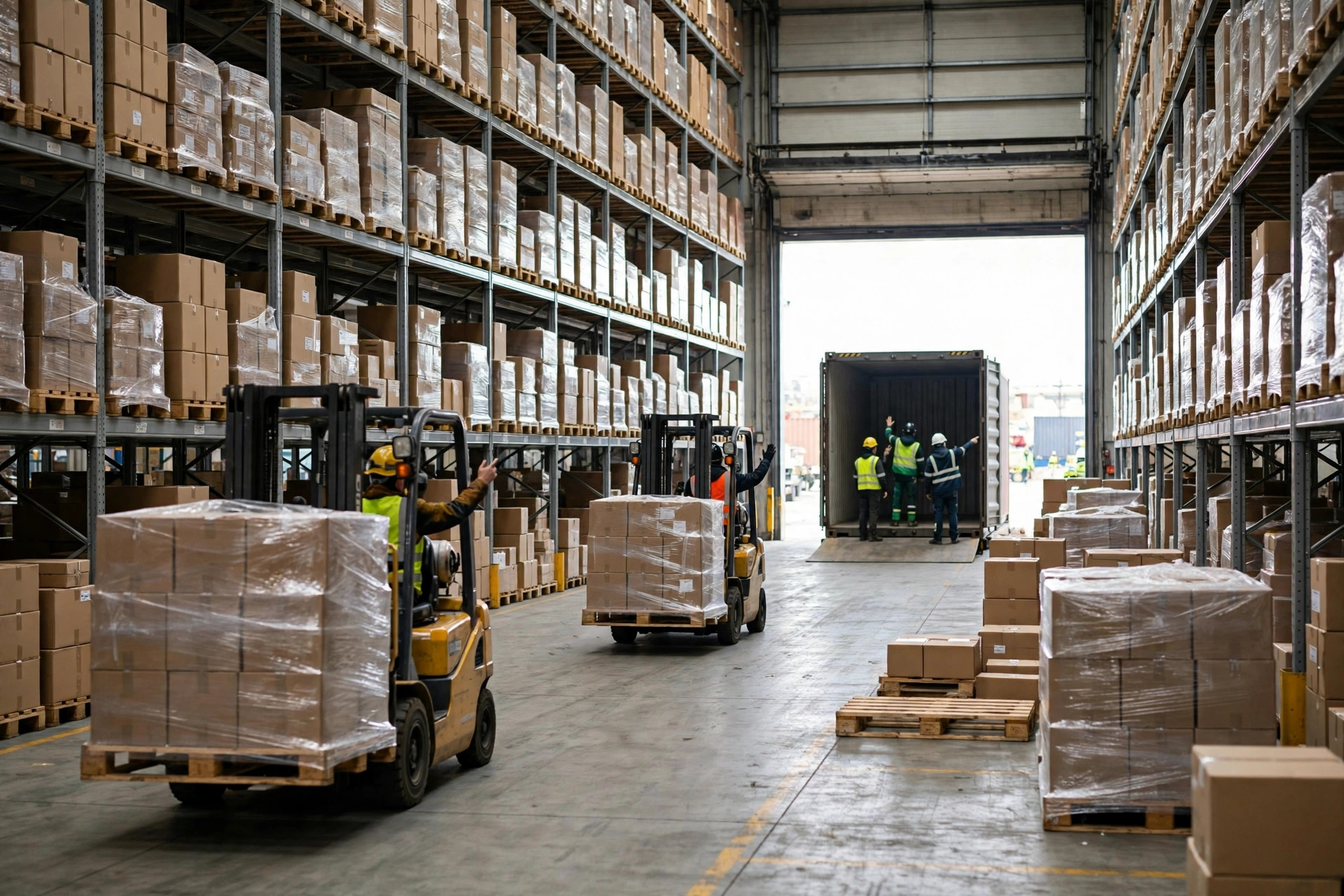
Your First Overseas Warehouse Shipment: Sizing the Test Batch
We had a client — Mr. Lin from Shenzhen, selling home storage boxes — whose first overseas warehouse shipment went out in 2023. He was supremely confident. For his first batch, he shipped a full 40-foot container, thousands of units, on the logic that "bigger volume means cheaper freight per unit." The product never took off. It sat for the better part of a year. Meanwhile the overseas warehouse kept billing: storage, labeling, monthly management fees, several thousand dollars a month, like clockwork. In the end he couldn't carry it anymore and liquidated at a discount. He told me later: my first shipment almost became my last.
Another client, a young woman from Dongguan selling cat scratchers, did it completely differently. I still remember her first shipping order: 300 units, by sea, LCL. Two weeks later — sold out. She rushed 200 units by air freight. Air is expensive, sure, but 200 units by air is a bill you can grit your teeth and pay. The listing proved it could sell. In month three, she shipped two full containers by sea, and the per-unit freight dropped dramatically.
Same first overseas warehouse shipment. One got crushed under the weight of her own first batch; the other tested her way to a winner with 300 units. The difference wasn't luck. It was the math of how much to send.
Three First-Batch Strategies: Pick Your Bet
| Strategy | What you do | Who it's for | Risk |
|---|---|---|---|
| Full-container gamble | Ship a full container on day one | Proven products with known demand | Dead stock, cash-flow crunch |
| Test-batch | A few hundred units by sea, LCL | New products, first-timers | Possible stockout, needs air top-up |
| Air-freight speed test | Dozens of units by air | High-ticket or seasonal items | Expensive freight, testing only |
If this is your first overseas warehouse shipment, stick with the middle one. The air-freight route is for sellers with money to burn on speed. The full-container gamble is for veterans who already know their numbers.
How Much Inventory? The "Test Batch" Formula
We have a rough-and-ready formula we run for sellers on their first shipment, and it rarely steers wrong:
First-batch quantity = estimated daily sales × (ocean transit days + 10–15 days receiving buffer) × 1.2–1.5 safety factor, then take 50–70% of that number.
An example: you estimate 20 units a day. Ocean transit is 35 days, plus a 15-day receiving buffer — 50 days total. 20 × 50 = 1,000 units, times a 1.3 safety factor is 1,300, then take 60% — your first batch lands around 800 units.
Why the haircut at the end? Because a first-timer's "estimated daily sales" is almost always a guess, and guesses skew optimistic. Remember this: better to stock out than to sit on dead stock. A stockout costs you the margin on a few units, plus maybe one emergency air shipment. Dead stock costs you months of cash flow plus warehouse rent every single month. A stockout hurts for a week; overstocking hurts for half a year. Run that math before you book the container.
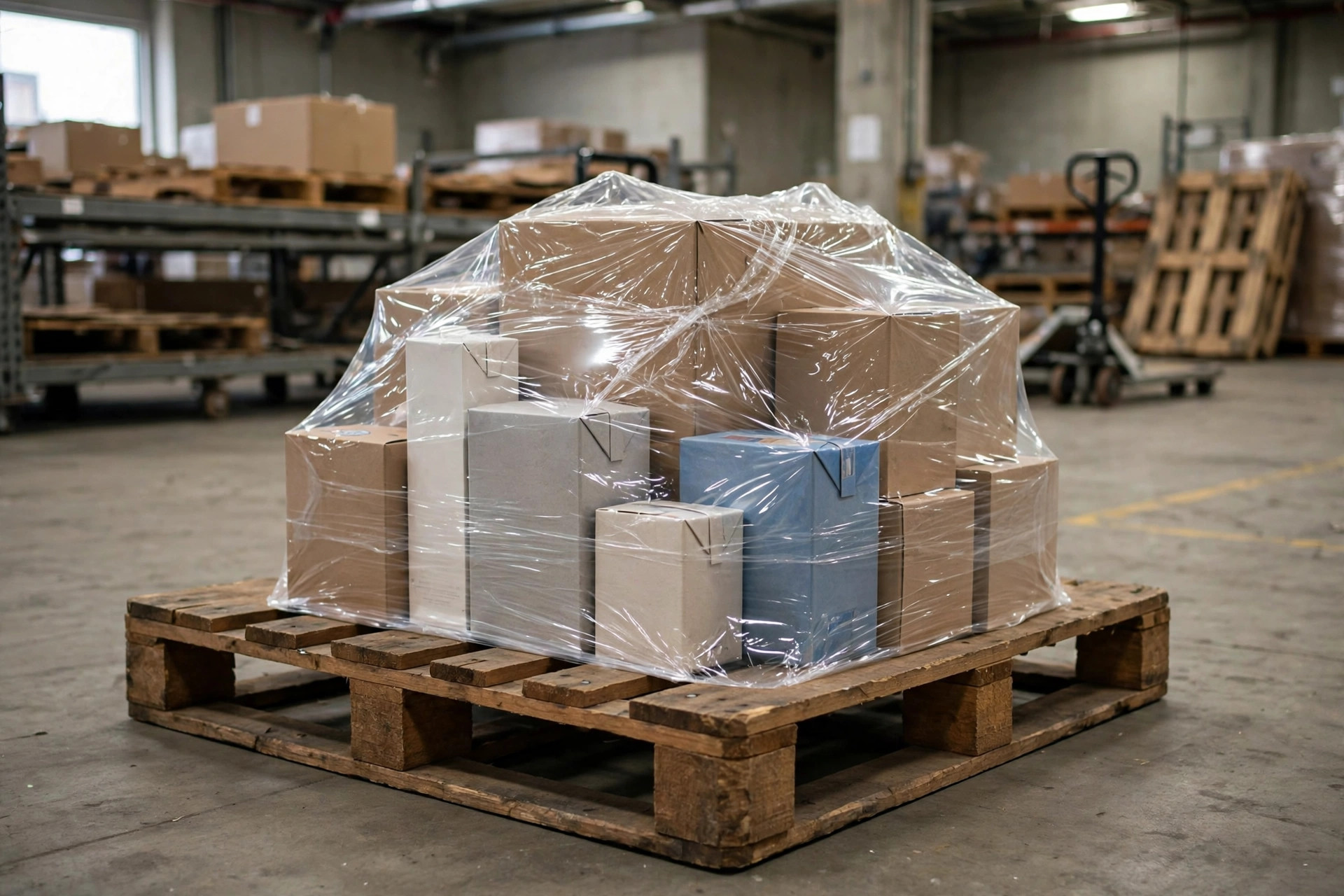
What Only the Warehouse Side Knows
After all these years on the 3PL side of the table, there are things sellers never hear. Let me spill a few.
First, overseas warehouses don't hate small first batches. What they hate is "small batch, big headache." A client who ships 300 units, causes zero drama, sells through, and comes back with a bigger second order — warehouses love that client, because you're about to get bigger. The client warehouses dread is the one who ships thousands of units that never move, calls every day asking why nothing is selling, and refuses to pull the plug. Bluntly: the warehouse is betting on your trajectory, not your first purchase order.
Second, the minimum-spend trap. Most overseas warehouses have a monthly minimum charge — the exact figure lives in your contract, so read it before you sign. With a tiny first batch, your per-unit cost does look ugly. But that money is nothing compared to sitting on thousands of units. Never ship thousands of extra units just to dilute a minimum charge — that's trading watermelons for sesame seeds.
Third, don't budget receiving time too tightly. Inspections, warehouse queues, relabeling — any one of them can cost you ten days to half a month. Build an extra ten days of buffer into your first batch and sleep better. If you plan it razor-tight and stock out, you'll blame the warehouse, and honestly, it won't be their fault.
Fourth, ask about pull-out and transfer fees before you sign. Getting inventory out — forklift time, outbound handling, onward freight — every line item costs money. Most sellers only ask what inbound costs and never ask what outbound costs, then discover that moving inventory out is harder than getting it in. Put the outbound fees in your comparison sheet before you pick a warehouse.
Three Questions to Ask Before You Sign the Warehouse Contract
Question one: I'm shipping a small first batch — how does the minimum charge work? Can we go with actuals, or do I have to hit a floor? Get the awkward stuff settled upfront; it's always better than fighting about it later.
Question two: if the goods go stale, is there tiered pricing on storage after a certain number of days? Can you handle liquidation or disposal, and what does it cost? Don't wait until you've been sitting on inventory for six months to negotiate — by then you have zero leverage.
Question three: get the replenishment, return, and transfer workflows — and their fees — written into the contract now. On a first partnership, running the process once matters more than anything. Once it's in writing, everything after is just following the playbook.
And one last honest word: on your first shipment, selling out is good news, not bad news. The extra money you spend on emergency air freight is the cheapest market research you'll ever buy — spending a little to validate direction beats spending a lot to validate a lesson. Survive first, scale second. That's lesson one for every cross-border seller.
By Susan, 3PL Sales Director