Here's my verdict up front: a warehouse security and theft prevention system doesn't stop thieves. It removes opportunity.
Twenty years in this business, and I can tell you this: eight or nine out of ten warehouse thefts I've seen weren't break-ins. They were inside jobs — someone figured out that nobody would notice. You can raise the fence and add more cameras, but as long as the opportunity exists, the thief will too. Two sides to this: you block outsiders with hardware, and you catch insiders with process. Different logic, different money, different management.
The Night Shift That Walked Off With Nearly $200K
In 2021, I was consulting for a 3PL warehouse in Ontario, California, handling consumer electronics. The quarterly count showed one Bluetooth earbud SKU running shrinkage above 1.5% for three straight months — normal should be under 0.3%. The owner's first instinct was to blame the supplier for short-shipping. He was about to start a fight over it.
I told him to hold off. We pulled three months of outbound and replenishment records and sliced them by shift. Nearly all the shrinkage sat on two night shifts — Wednesday and Thursday. Then we pulled the camera footage for those shifts. On the third night we watched, a picker with two years on the job broke down full cases of earbuds, stuffed them loose into recycling boxes, and at end of shift the outsourced trash-haul driver loaded those exact boxes onto his truck. Twenty, thirty units a trip. Three months. Nearly 2,000 units gone — close to $200K at factory cost.
Here's the irony: the cameras had been there for three years. In three years, nobody had watched a single night-shift replay.
So the cameras didn't crack the case. Data did — the shrinkage variance flagged it, the shift breakdown narrowed it to two people, and the footage was just confirmation.
Three Layers Against Outsiders, Four Against Insiders
I break warehouse theft prevention into two systems. The outsider system "blocks." The insider system "catches."
Three layers against outsiders — nothing fancy, but skip one and the chain breaks:
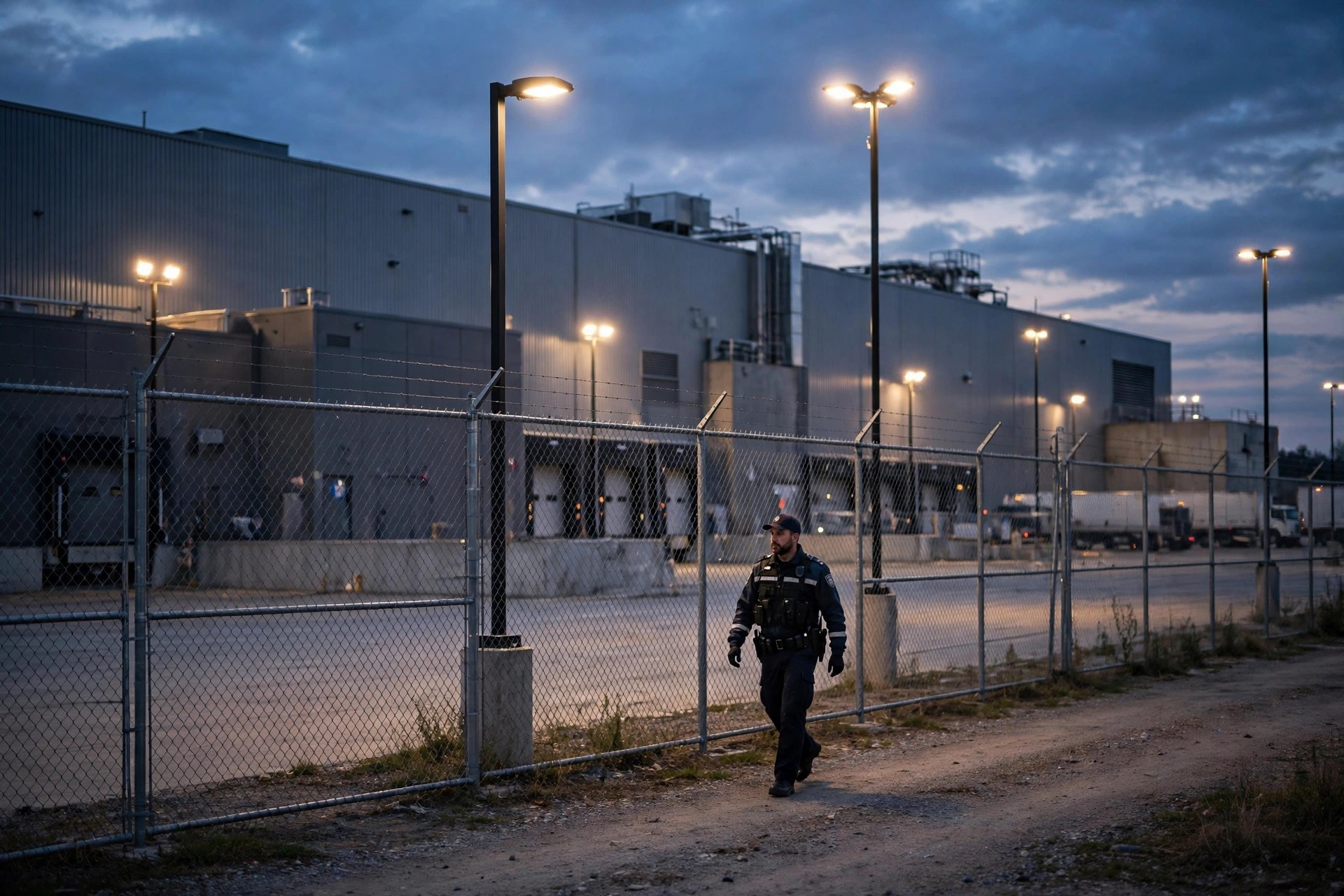
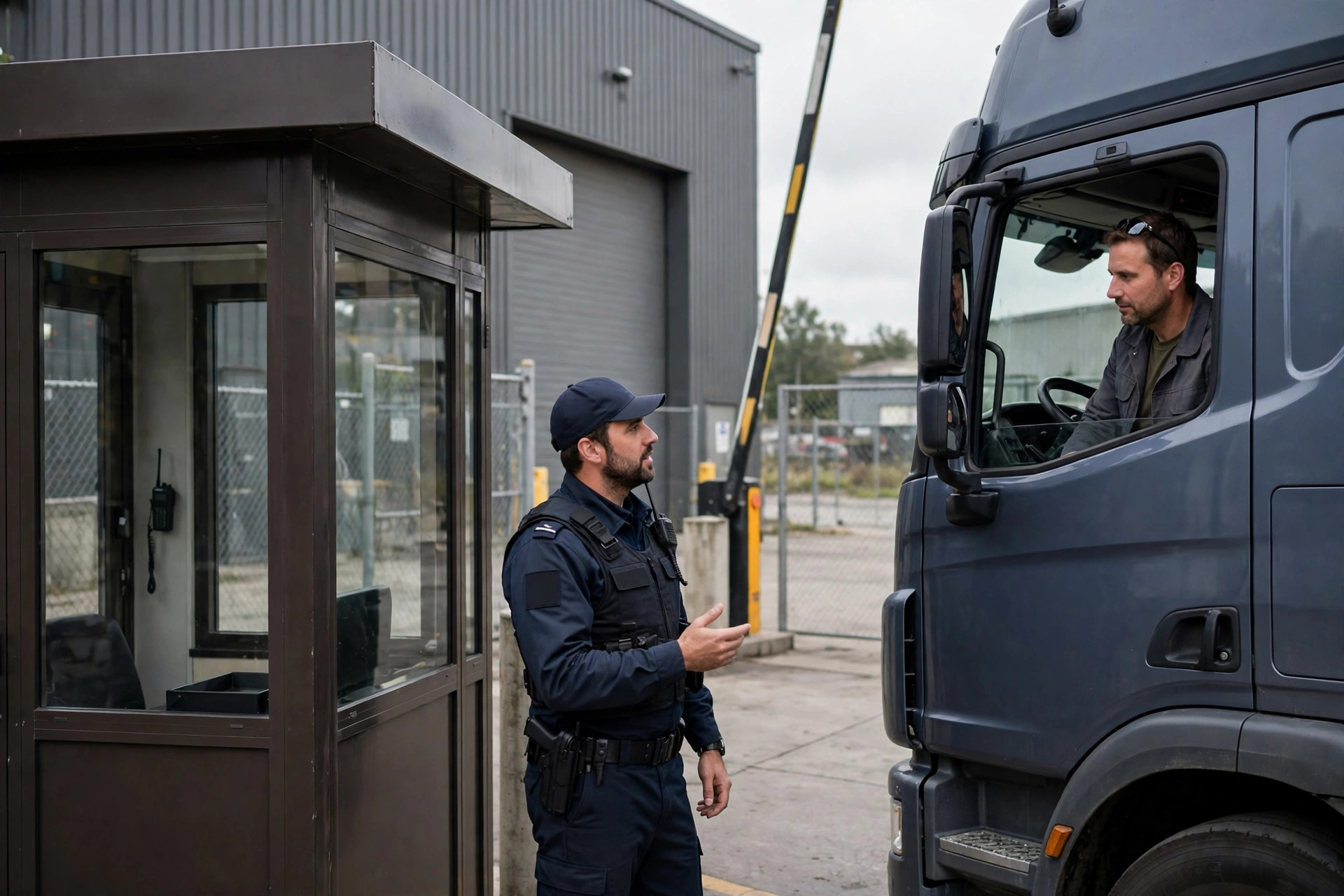
First, the perimeter. Fence or wall, a gate that's staffed or gated around the clock, and every truck logged — plate number, driver name. Sounds basic. Plenty of warehouses leave the gate wide open, trucks roll in and out, and when something goes missing nobody can say which truck was even there.
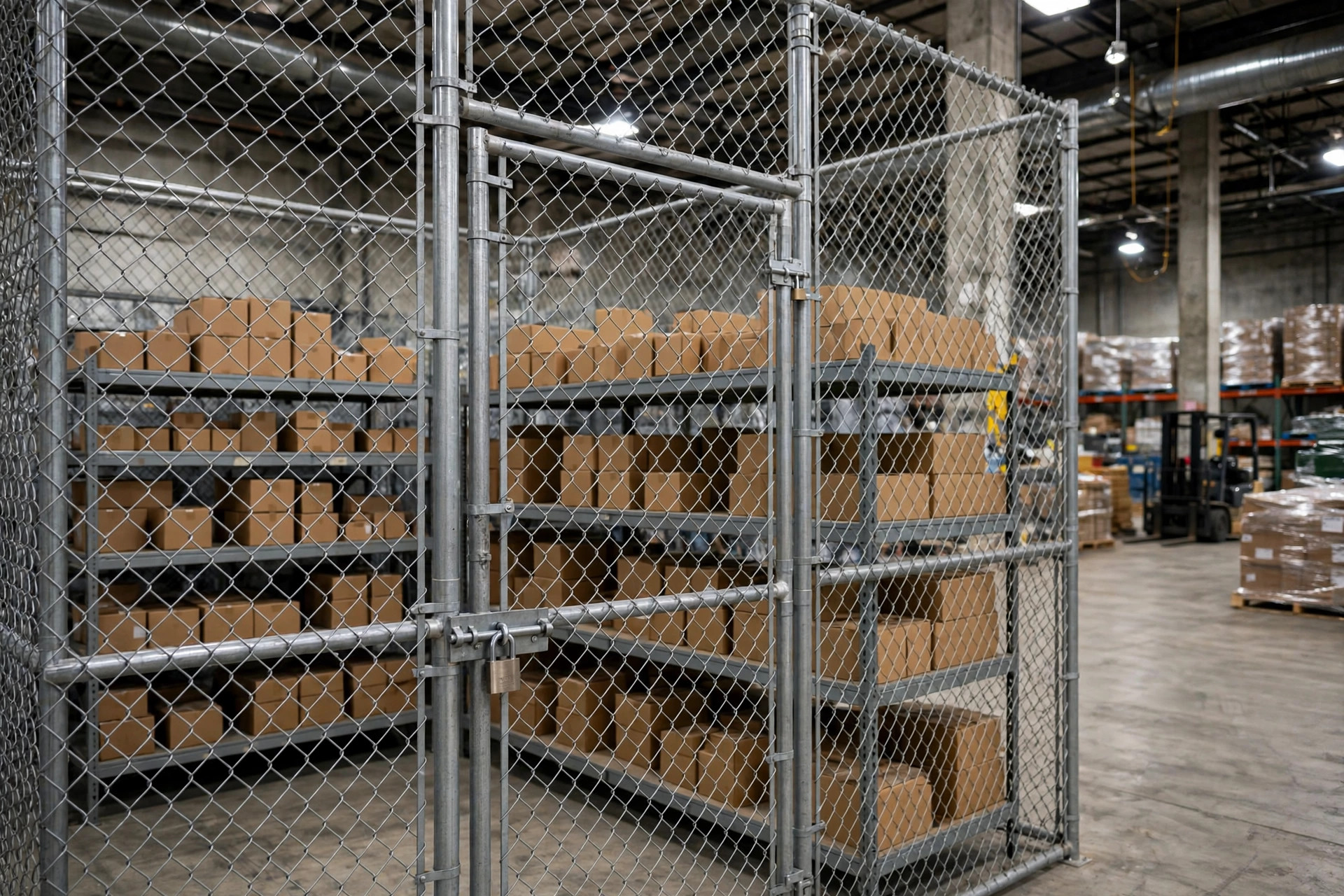
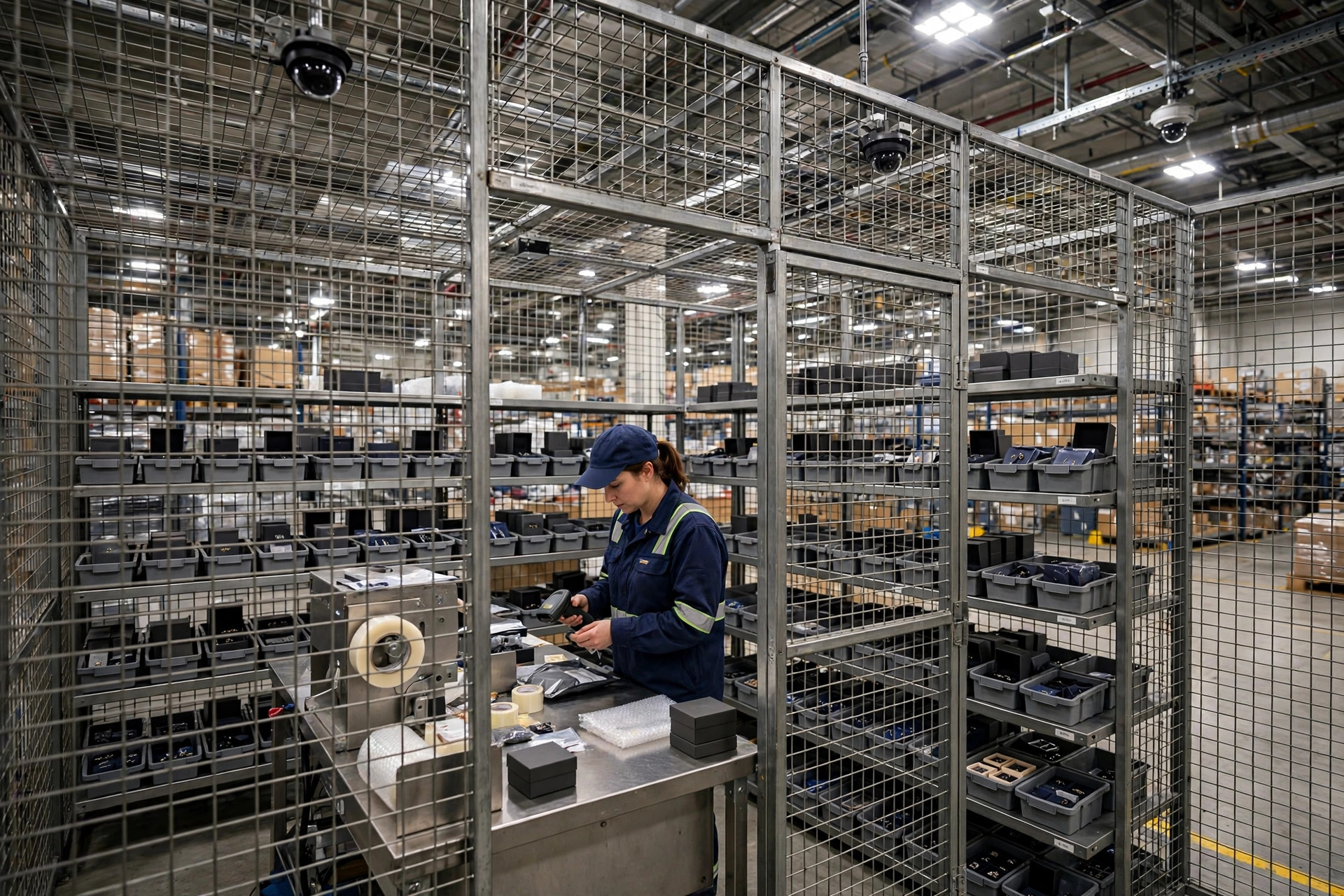
Second, zoned access control. Three tiers — office, warehouse floor, high-value zone — badge in. The high-value zone gets its own access list. Keep expensive SKUs concentrated there, not scattered across the building. Scatter them everywhere and the whole building becomes a high-value zone, which means there is no high-value zone.
Third, night lighting. Parking lot, dock area, fence line — keep them lit; motion-sensor lights work fine. Thieves are human; they pick the dark spots. Lighting is the best money you'll spend here. One light fixture outperforms several cameras.
Four layers against insiders — all management, no hardware:
One, role-based access. Same badge system, different logic: access follows the job, not the person. Someone moves from picking to packing, their high-value access changes that same day. I've seen too many warehouses where a transferred employee kept high-value access for two years.
Two, two-person verification. High-value outbound gets two signatures or two scans. One person can skim; two people skimming together is a much rarer conspiracy. The cost is a slower outbound step — that's the trade-off, and I'll do the math below.
Three, exception auditing. Run a shrinkage report every week, sliced three ways: by SKU, by shift, by person. Normal shrinkage spreads evenly. Abnormal shrinkage always clusters. That's exactly how we caught the Ontario case. Your WMS already has this data. What's missing is never the data — it's the person who spends one hour a week reading the report.
Four, same-day deprovisioning. Employee leaves, badge dies and the WMS account gets killed that same day. This is the most-ignored one. HR finishes the paperwork, IT gets around to killing the account a week later — that week is an open window. I've worked a case where a former employee used a still-active account, had a buddy open the door at midnight, and walked out with a full pallet.
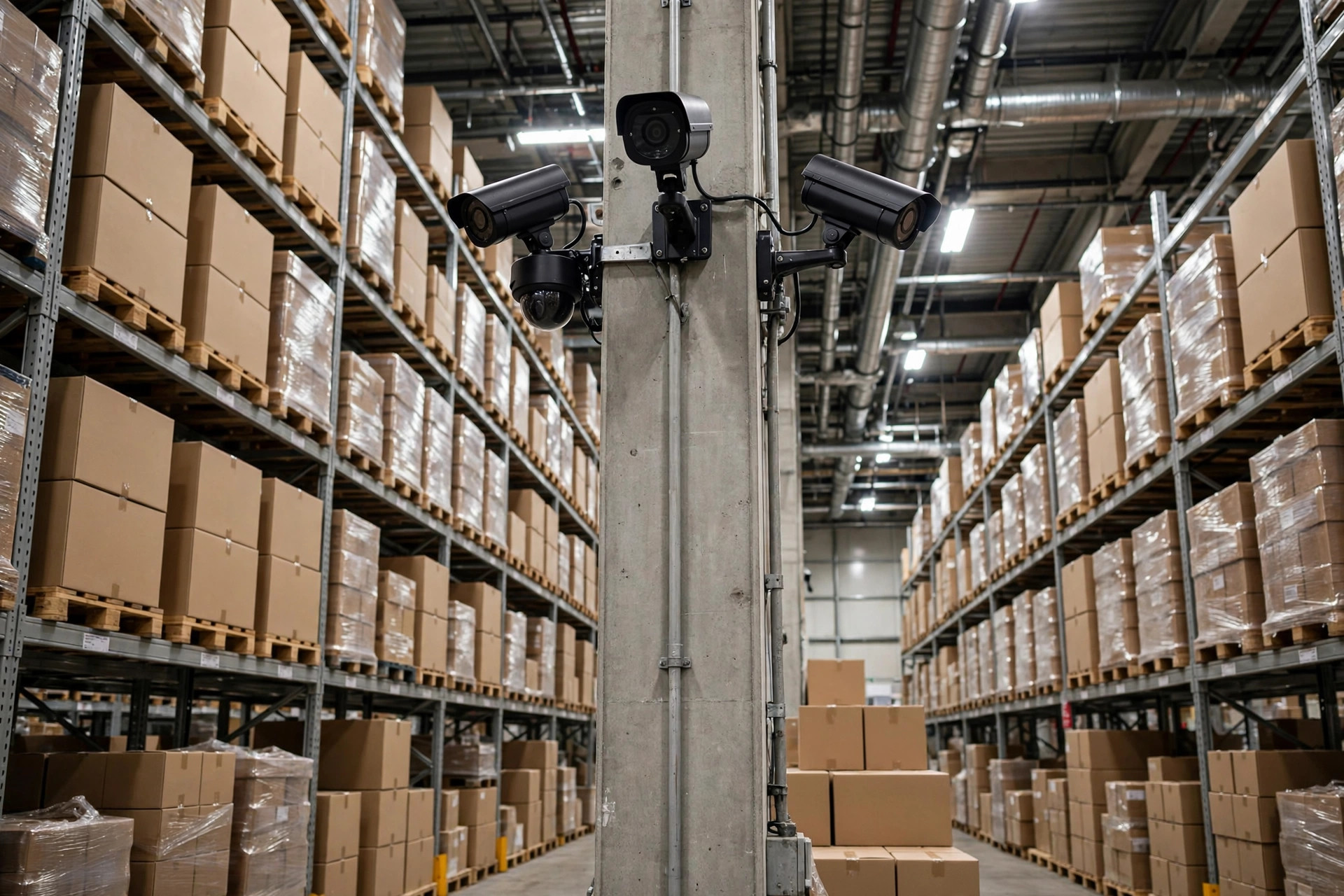
Two sides, I'll say it again: against outsiders you make it hard to get in; against insiders you make it risky to take and certain to get caught. Cameras help both sides, but they're the supporting cast. The leads are always the person reading the data and the person watching the replays.
Doing the Math on Theft Prevention
How much does a warehouse security system cost? Depends on the building. For a mid-size warehouse around 80,000 square feet — access control, a few dozen cameras, upgraded night lighting, a monitored alarm — you're looking at a one-time investment in the tens of thousands of dollars, plus modest annual maintenance. Exact numbers depend on local labor and equipment tiers, so I won't invent a precise figure.
Now the other side of the ledger: what's one theft worth? The Ontario case was nearly $200K. Even without a headline case, unexplained shrinkage of one or two percent a year is common in a mid-size operation, and against annual throughput value it can dwarf the security investment many times over.
But let's be honest about the cost, because every solution has one. Tighter security means slower operations — that's a law. Two-person verification slows high-value outbound. Zoned access makes people walk further. Exception audits eat management hours. I've watched too many owners pile on layers after a theft, then quietly dismantle them three months later when throughput drops. The right approach: match security intensity to goods value. Tight in the high-value zone, loose in the general area. No blanket rules.
And a counterintuitive take to close this section: the warehouse with the most cameras isn't necessarily the safest. I've seen a building with 60 cameras where the DVR overwrote itself and nobody watched a replay in three years — and a building with 20 cameras where someone spent two hours a week on exception-shift replays, and that one never lost a thing. The person watching the replays matters more than the cameras. Hardware is dead. People are alive.
So don't ask me how many cameras are enough. Ask your warehouse when someone last watched a replay.
By Lao Mi, Supply Chain Veteran (20 yrs)