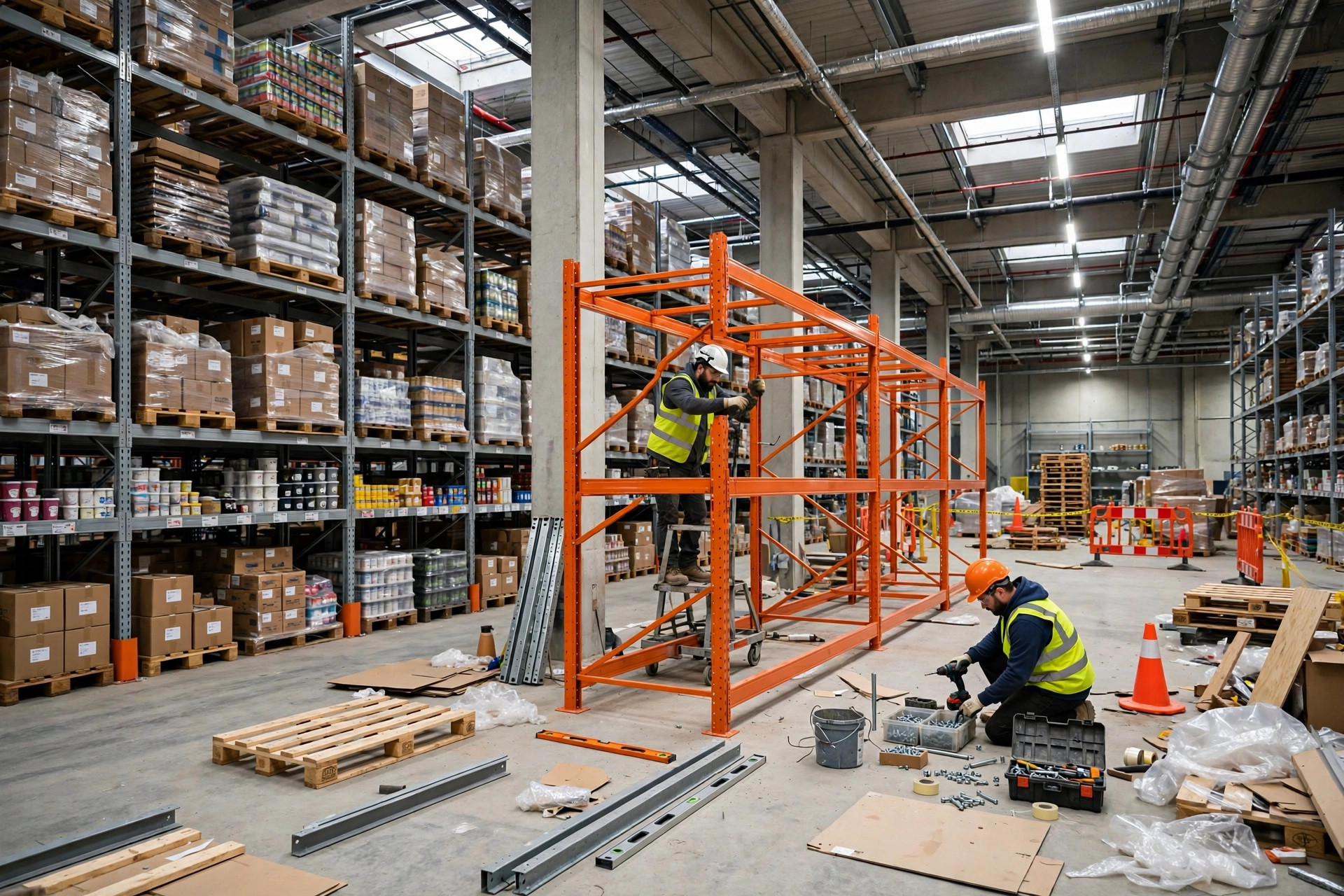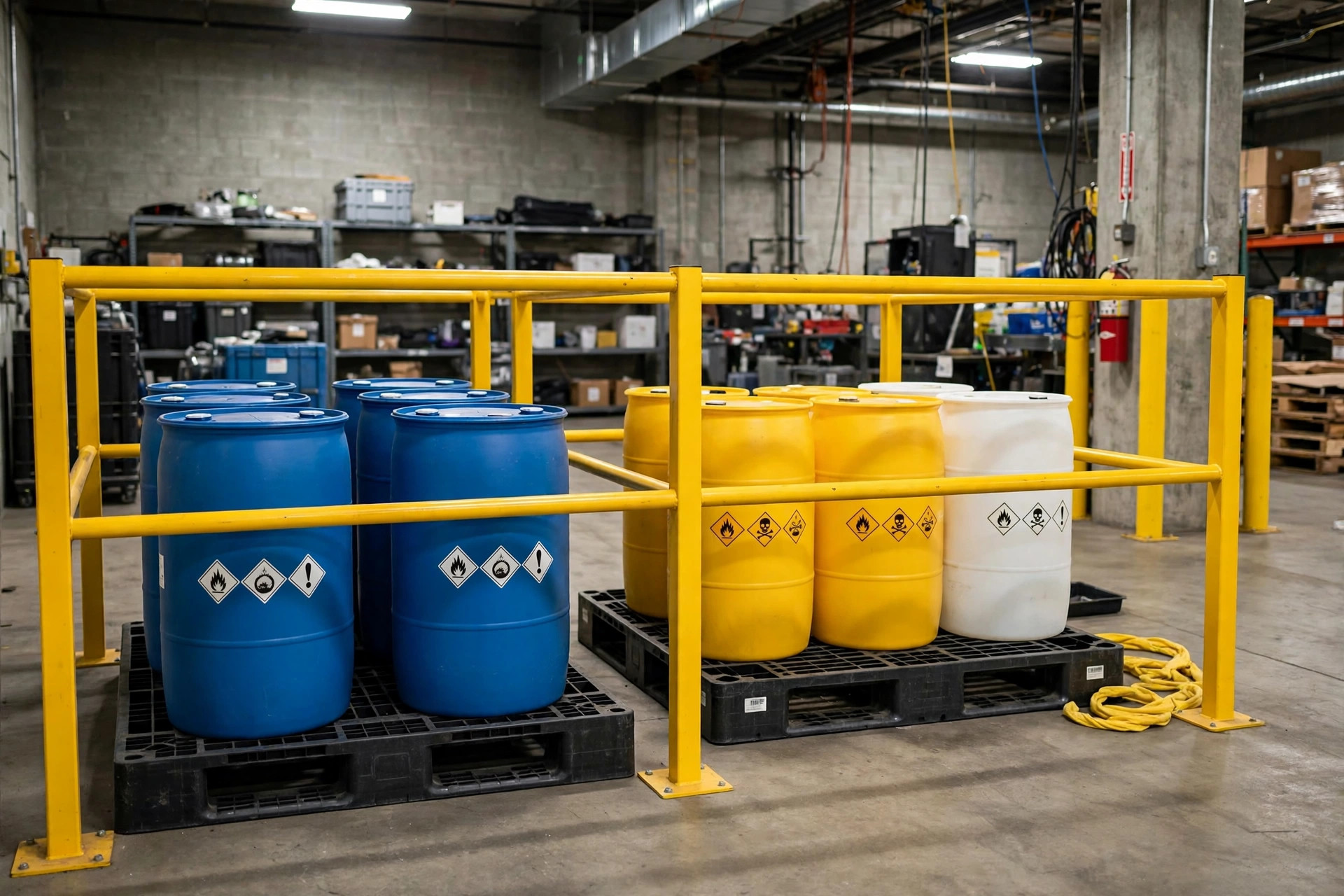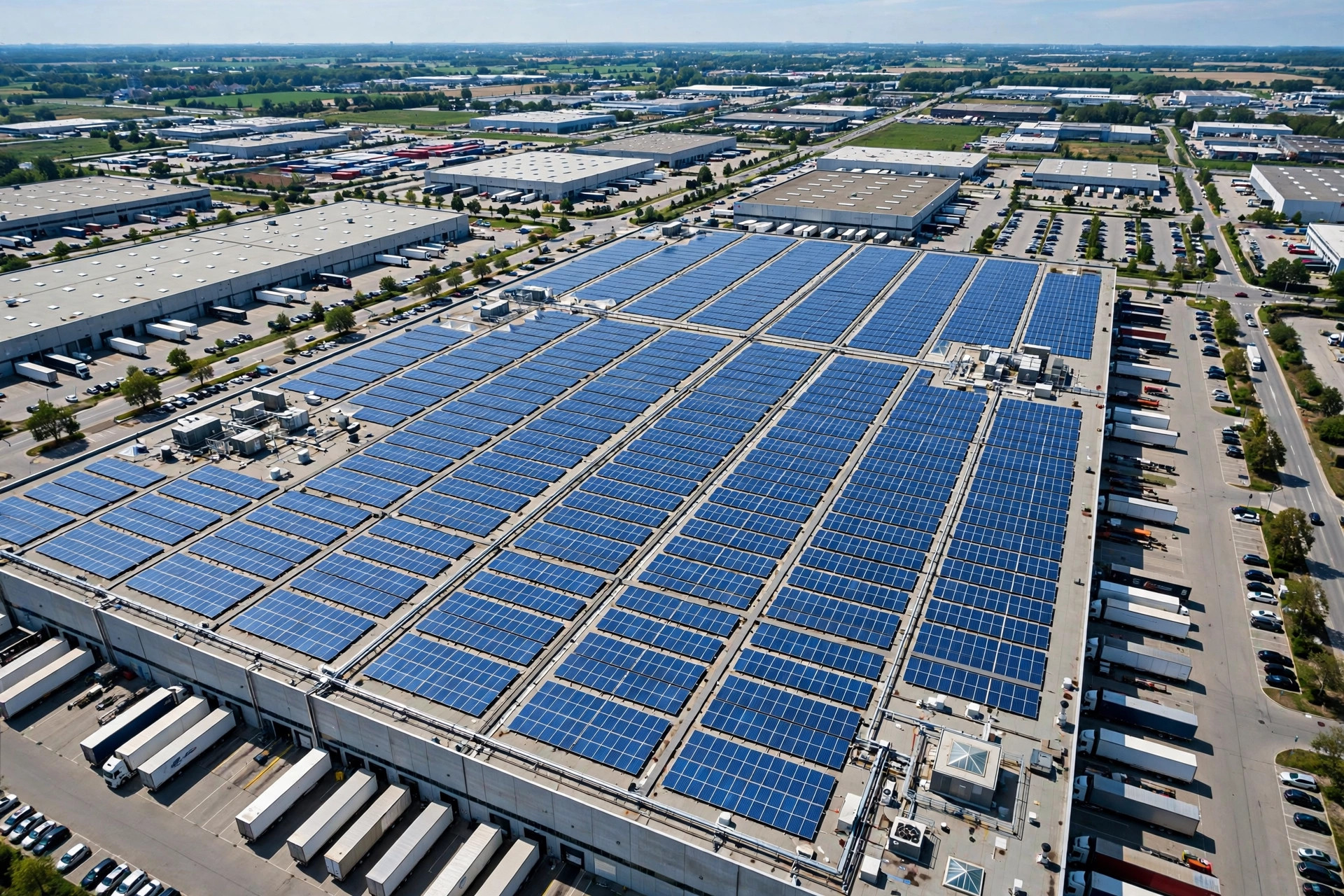
One of our clients signed what looked like the deal of the decade last year: a "zero-cost" rooftop solar installation on their 30,000-square-meter e-commerce warehouse in Dongguan. The solar developer paid for everything, got 25 years of roof rights, and the client got discounted electricity. The owner was grinning at the signing table. Then construction hit the halfway mark, and a fire department spot inspection shut the whole thing down. Therectification notice listed three problems: electrical fire-sealing didn't meet code, maintenance walkways were blocked by panels, and the new grid-connected electrical system had never gone through a fire design review.
The fix cost over 800,000 yuan. The contract said nothing about who pays for that. The client said the developer built it, so the developer pays. The developer said fire compliance is the building owner's responsibility. They split it fifty-fifty and parted ways angry. That's what I want to talk about: rooftop solar on a warehouse crosses two red lines — fire code and roof load. Get the contract right before you cross either.
The Fire Code Question: Who Actually Owns It
Here's how the rules work. Under China's Fire Protection Law and the Ministry of Housing's construction fire-review regulations, projects fall into two buckets. Special construction projects must apply for a formal fire inspection after completion — no pass, no occupancy. Everything else files for the record within five working days of passing final acceptance, and then the fire authority spot-checks a random sample. Fail a spot check, and you're ordered to stop using the building until it's fixed.
A rooftop solar retrofit on an existing warehouse usually lands in the second bucket: file and hope you don't get picked. Here's the catch — solar projects are exactly the kind of thing inspectors love to pick. One project touches three sensitive nerves at once: a brand-new DC-plus-AC electrical system, changed roof loading, and a changed roof use. Any one of those is a reason to pull your file. How your local authority classifies it, and whether you need a fresh fire design review, depends on the latest local requirements — check with your local fire department, not the solar sales rep.
And here's the part my fellow vendors won't volunteer: the legally responsible party for fire compliance is the construction entity — that's you, the roof owner. The solar company is the investor and the builder. If the contract doesn't assignrectification responsibility, every bill lands on your desk. I say this as someone on the vendor side. You're welcome.
There's another risk most owners never think about: the panels themselves. DC circuits run at high voltage for decades, and aging junction boxes and connectors can produce DC arc faults — the most common cause of solar fires. Once the roof is covered in panels, it becomes an energized roof. If it catches fire, firefighters won't go up there easily, because panels generate electricity in daylight even after you cut the power. Fire departments know all this. Don't bet on luck.
The Roof Load Math: Do It Before You Sign
Second story. A cold-storage warehouse in Jiaxing installed rooftop solar in 2024. Panels plus racking added a little over 20 kilograms per square meter. Sounds like nothing, right? But this was a lightweight steel-structure building from over a decade ago, and the roof purlins were never designed with much reserve. After one rainy season with ponding water on the roof, sections of the roof deformed, leaks soaked the cold-storage insulation, and the repair bill — roof plus insulation — came to over 600,000 yuan. The developer said: I built to the drawings; the structural assessment was your job. The owner said: you sold me a "turnkey" project. Another mess with no clean ending.
The math isn't hard. A mainstream large-format solar module weighs about 10.5 kilograms per square meter. Add racking and ballast blocks, and the full system typically lands between 15 and 30 kilograms per square meter. Ballasted systems hold panels down with concrete blocks — heavier. Anchored systems bolt through the roof — lighter, but they punch holes in your waterproofing. Pick your trade-off. The numbers are small in absolute terms, but on a fifteen-year-old lightweight roof, they're the last straw.
So before anyone touches your roof: get a structural assessment from a licensed inspection firm. The report answers one question — can this roof take the added load, and how much? Who pays for the assessment, what happens if the roof fails the check, and who chooses the racking type all go into the contract first. My rule: not a single yuan of advance payment before the structural report is on the table. Put that in a side clause and watch how fast the developer's engineering proposal gets rigorous.
The Uncomfortable Truth: Your Power Savings May Not Cover Onerectification
Let's do the full P&L. A 30,000-square-meter roof holds roughly 2 to 3 megawatts. Annual savings on electricity plus feed-in revenue: a few million yuan a year. Looks beautiful. But one firerectification at 800,000, one roof repair at 600,000, plus lost rent during shutdown and customer claims — a single incident wipes out the first three years of returns in a 25-year model. Worse: while you fail fire compliance, the warehouse can't operate normally, and the penalty clauses in your 3PL service contracts tick by the day.
So here's my verdict: rooftop solar on a warehouse isn't a power-generation project. It's a roof renovation project. Generation is the byproduct; fire and structure are the main event. Once you see it that way, your negotiating posture changes completely. You're not begging someone to install solar on your roof. You're taking on risk with your roof, and the other side needs to bring matching guarantees to the table.
Insurance: The Line That's Missing From Every Contract
One more insider detail: most warehouses carry all-risk property insurance covering "building plus inventory." The solar equipment added to the roof later is, by default, not on the policy. Panels catch fire, your goods burn, and the insurer says "new equipment was never declared" — denied, or paid at a discount, and you have no recourse.
The right move: before grid connection, send the insurer a formal notice declaring the new equipment. Either extend your own policy or require the solar investor to buy separate property coverage naming you as a co-insured party. It doesn't cost much. Skipping it is a landmine. Write "investor shall procure property insurance for the solar equipment" into the contract at signing — not after everyone's arguing at grid-connection time.
The Four-Party Checklist: Read It Before You Negotiate
Whenever a client asks me how to negotiate a rooftop solar contract, I send this table. Fire, structure, insurance, contract — four dimensions. Check every box before you sign:
| Dimension | What to negotiate | Who pays / who's responsible |
|---|---|---|
| Fire code | Whether a new fire design review or filing is needed; who ownsrectification responsibility and costs | Classification per your local fire department's latest requirements; caprectification costs and split ratios in the contract |
| Structure | Licensed roof load assessment before any work; exit terms if the roof fails; racking type sign-off | Agree who pays for the assessment upfront; either party may walk away clean if the roof fails |
| Insurance | Declare new solar equipment to the insurer; extend property policy or require investor's own coverage | Agree premium split; spell out who bears the risk of undeclared equipment |
| Contract | In "zero-cost" deals: how rent and power discounts are calculated; roof maintenance duties over 25 years; who pays for panel removal on early termination | Cap removal costs in writing; include compensation for generation and business losses during maintenance shutdowns |
Three Questions for Your Next Contract Negotiation
One: which clause covers fire-inspectionrectification costs? If there isn't one, add it.
Two: no advance payment until the structural assessment report is delivered.
Three: is the solar equipment on my property insurance policy? If not, no grid connection.
Rooftop solar is a good thing. But good things need the right contract around them. On the vendor side, I've watched too many "zero-cost" deals turn into owners paying out of pocket. Don't be the next one.
By Susan, 3PL Sales Director