Let me lead with the verdict: fire pump room winterization is the highest-ROI line item in your entire warehouse fire protection budget. A warehouse fire pump room that freezes solid in winter is just decoration when the fire actually comes. Skip the few thousand dollars of insulation and heat, and one hard freeze will hand you a repair bill big enough to have heated every pump room in your network for a decade. That's not a scare line. I've watched it happen twice.
The Texas Freeze: How a Warehouse Lost Its Fire Protection in One Night
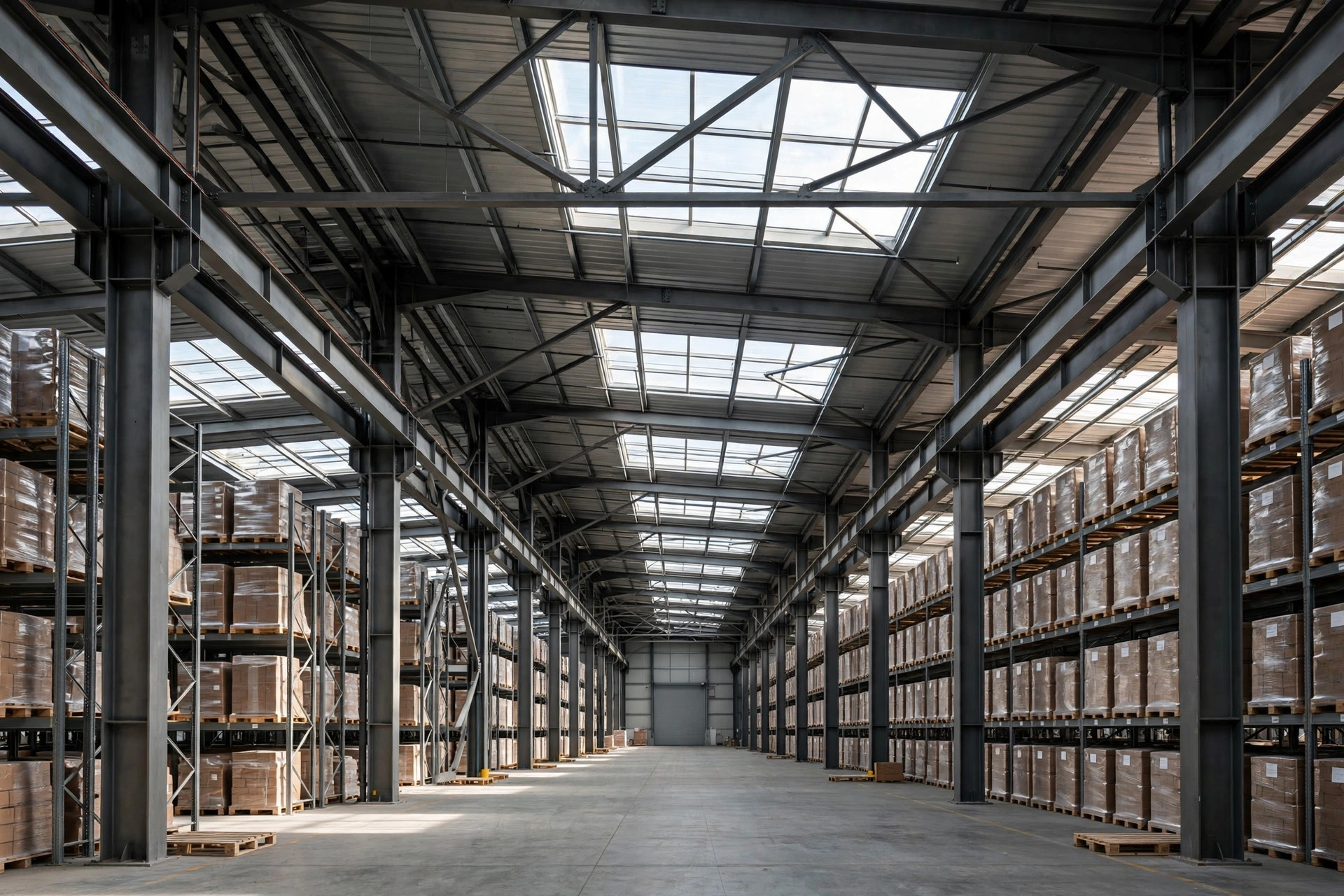
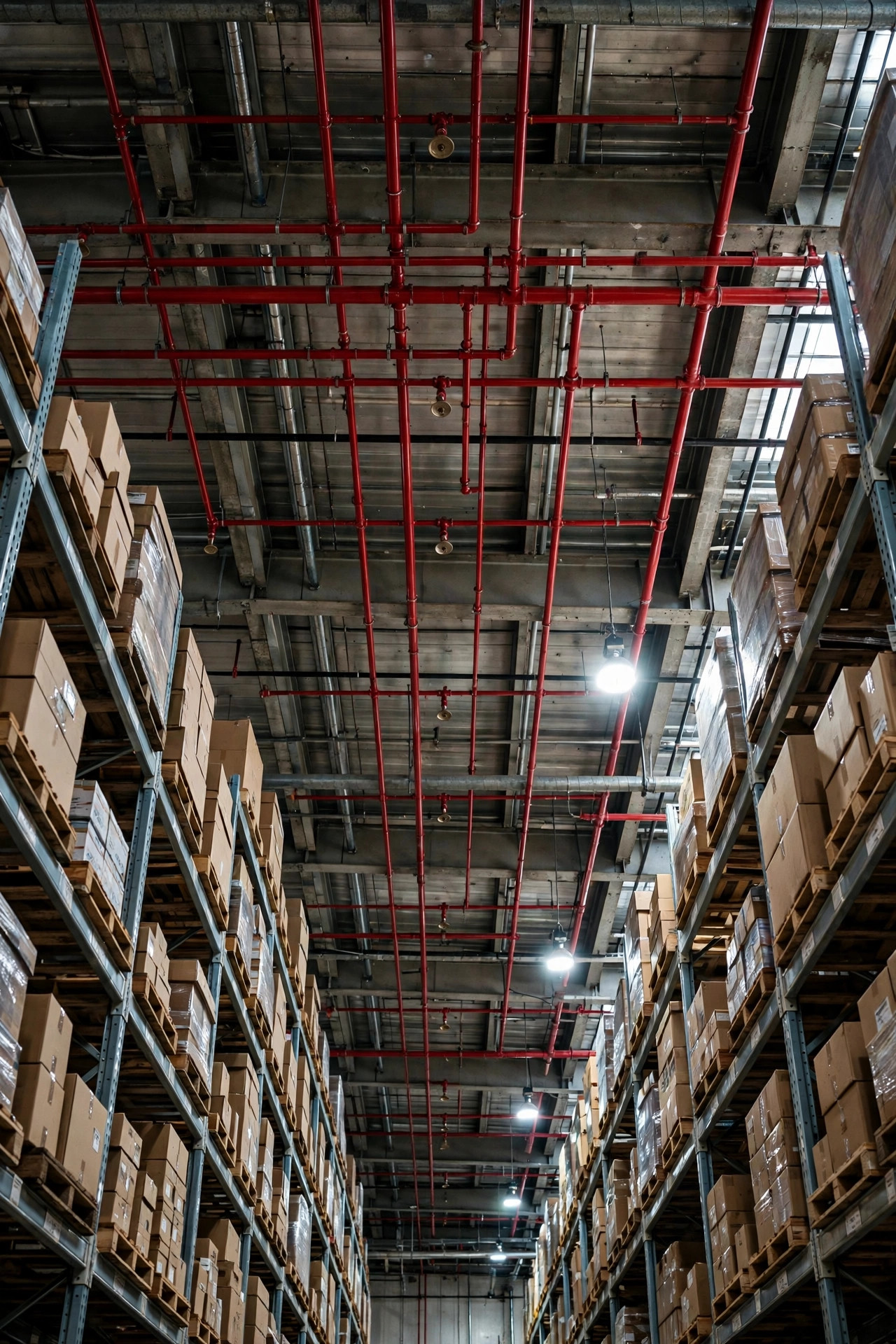
February 2021. Winter Storm Uri buried Texas, and I happened to be near Dallas that month, doing a fire system assessment for a 3PL running a 120,000-square-foot warehouse. On paper, they were fully equipped: roof sprinklers, a dedicated pump room, a storage tank, the works.
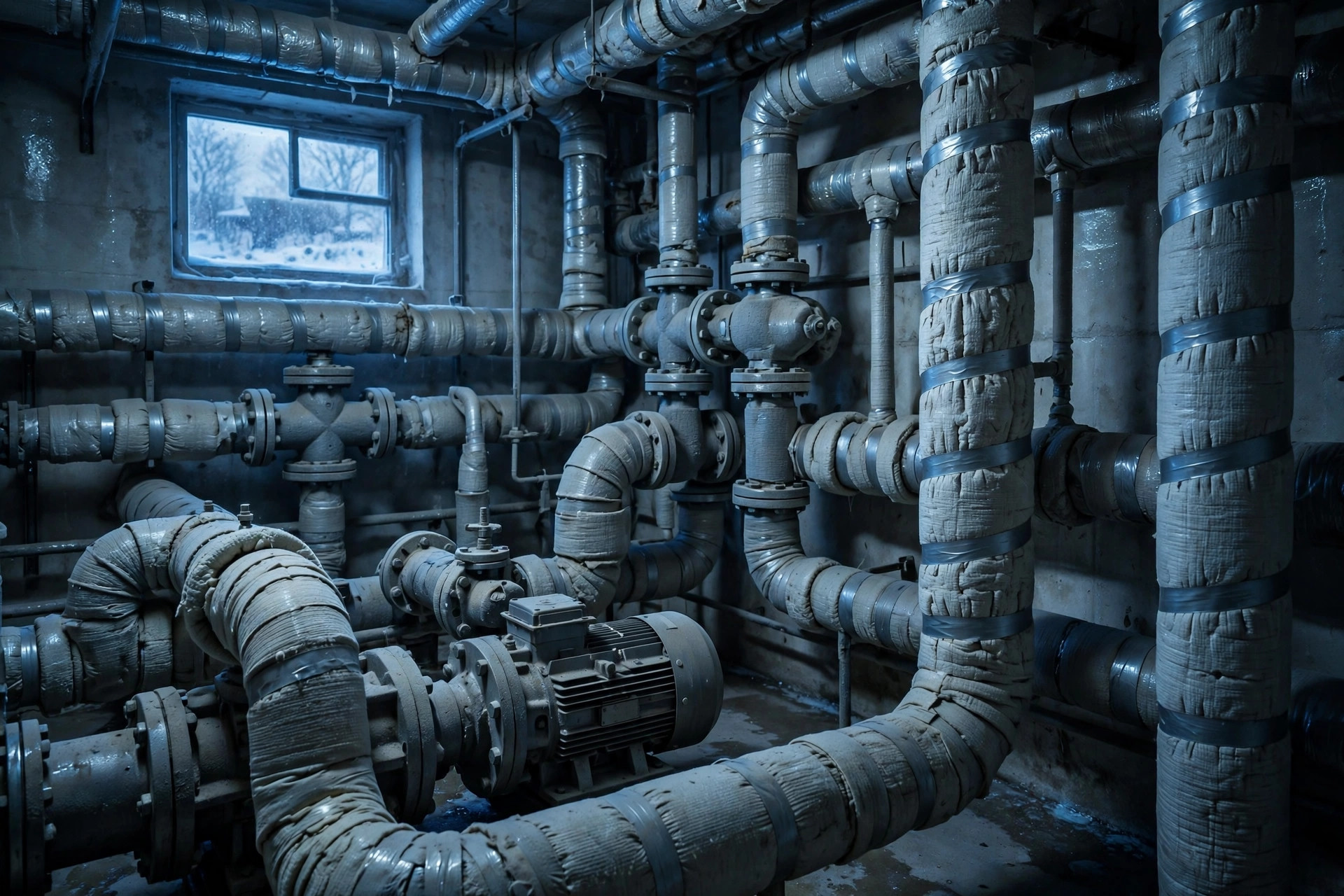
On the third night of the freeze, the suction pipe feeding the pump cracked open. Not the pump itself — the pipe right before it, where it entered the pump room through the exterior wall. Water poured across the floor, the whole system lost pressure, and the temperature outside was in the teens. The leaking water froze on the concrete, so nobody could even get in to fix it.
Here's the thing, and there are two sides to it. The pump room had a heater — installed, on the books. But nobody had checked it before winter, and it was long dead. The pipe insulation covered maybe half the run; the exposed section at the wall was exactly the section that burst. Two months later the repair and full re-insulation job came to nearly sixty grand. Doing it right before winter would have cost a few thousand. Everybody can do that math after the fact. The hard part is doing it before.
The warehouse owner asked me afterward what the real lesson was. I told him: fire systems are the one thing in your building that nobody thinks about until the day it fails — and on that day, you won't even know it failed.
The Chicago Story: Heat Was On, Nobody Was Watching
December 2023. A food distribution center outside Chicago. Pump room had heat, had insulation, passed its fall inspection. Then, the week before Christmas, the building did an electrical panel upgrade and the pump room lost power for four hours. The heater went with it.
Nobody knew. Not until Monday morning's weekly churn test, when the operator hit the start button, the pump spun up, and the discharge gauge barely moved. Ice had formed inside the casing and locked the impeller. Luckily it was a Monday morning test, not a Sunday 3 a.m. fire.
That one taught me the real weak point of winterization: it was never the equipment. It was that nobody knew the equipment had failed. A forty-dollar temperature sensor with a text alert would have told someone within minutes of that four-hour outage. But most pump rooms I see sit behind a padlocked door that gets opened maybe twenty times a year. The one room that most needs monitoring gets the least attention. That has to change.
Where the Winterization Money Should Actually Go
This is where the trade-off talk starts. The options are a short list, and each one buys you a different kind of protection. The numbers below are ballpark figures from projects I've seen — get your own quote from a local contractor:
| Measure | One-time cost (ballpark) | Annual upkeep | What it protects against | | Full pipe insulation | A few thousand | Almost nothing | Ordinary cold, wind chill | | Electric heat tracing | A few thousand to 10k | Check the wiring | Deep freezes, buffer time after heat loss | | Room heater + thermostat | A few thousand plus electricity | Filters, checks | Room temperature, the root of it | | Temperature sensor + remote alarm | A few hundred | Batteries, alarm tests | Knowing within minutes when heat or power fails | | Partial dry-system conversion | Tens of thousands and up | Specialist inspection | Extreme cold regions, the once-and-done fix |
My call: mid-size warehouses shouldn't start with the dry-system conversion. That's serious money, and the downtime during conversion is its own risk. Do the first four properly — full insulation, heat tracing on the critical runs, a room heater, and a temperature alarm on your phone. For most buildings that totals somewhere around ten grand. Compare that to the starting price of one freeze-damage incident: sixty thousand in repairs, plus downtime, plus your insurance deductible, plus the ugly conversation with your insurer if a real fire happens while the system is compromised.
The counterintuitive part: the cheapest item on that list, the temperature alarm, is usually the one that saves you first. A sensor doesn't stop anything from freezing. It just makes sure you know about it before it does. A few hundred dollars for the right to know. Hard to beat that deal.
And one more piece of advice: don't spend the money on the fanciest-looking option. I've seen owners drop twenty or thirty grand on a fully "smart" temperature control setup, and winter still comes down to one veteran who pushes the pump room door open every morning and looks. Technology can help, but it doesn't replace someone being responsible for the room.
The Weekly Churn Test: Ten Minutes, Done Right
The weekly churn test — running the pump with the discharge valve closed, no flow through the system — is the standard fire pump test requirement. Check the current NFPA standard for the exact testing frequency and procedure; I'm not going to quote a code edition that might be superseded next year.
The procedure is simple: start the pump against a closed discharge, let it run a few minutes, log suction pressure, discharge pressure, motor current, and controller status. But I've seen too many walk-through versions: a guy shows up, pushes the button, listens for two minutes, signs the sheet, leaves. A real churn test checks three things. First, is the discharge pressure about the same as last week? A drop means a leak or a blockage. Second, any new noise or vibration? In winter, frozen bearings and congealed lubricant announce themselves through sound before anything else. Third, does the controller switch between primary and backup power cleanly? Because a power outage is exactly when your fire pump needs electricity most.
My advice to every client: the churn test log isn't for the fire marshal. It's for you. Run it weekly through winter, and run an extra one whenever a cold snap is forecast. Those ten minutes are the only chance you get all year to find out in advance that the pump is still alive. That Chicago warehouse dodged a disaster because of a Monday morning ten minutes.
The Pre-Winter Checklist: Run It Before the End of October
Every year, before Halloween, walk this list and check each item off:
- Fire up the pump room heater and hold the room above freezing for 48 hours straight. Watch for tripped breakers. Confirm the exact temperature requirement against the current NFPA standard and your local fire code.
- Full insulation coverage: suction pipe, discharge pipe, valves, elbows. Every exposed inch is the inch that will burst.
- Power-test the heat tracing and confirm the thermostats trip correctly.
- Test the temperature alarm: simulate low temperature or a power cut, and confirm the alert actually reaches your phone.
- Check the pump room door and window seals — no drafts. The lock should work, but the key shouldn't live in only one person's pocket.
- Run a full churn test, log the pressures, and compare them against last year's numbers.
- If you have a diesel pump, the tank is full, the battery is charged, and the glow plugs work. Diesel pumps hate cold mornings more than anything.
- Check the outdoor storage tank and valve pits for freeze protection too. Don't just do the pump room.
Get through those eight items and you can sleep through winter. Tape the checklist inside the pump room door so whoever runs the churn test sees it every week.
Here's how I think about it: the fire pump room is the most boring room in your warehouse until the one night it matters. Two days of attention before winter is the cheapest insurance you'll ever buy. The pump that starts when the alarm sounds — that's the whole game.
By Lao Mi, Supply Chain Veteran (20 yrs)