Last month at an automation expo, a sales rep heard I run a 3,000-square-meter warehouse and his whole expression changed. "Mr. Ma, for an AS/RS proposal, maybe just take our brochure for now." Getting handed the brochure instead of a quote — that's daily life for small warehouse owners. But I came home and thought it through: we'll probably never afford a full AS/RS, yet we absolutely need to know how to answer the question "can this old building take an AS/RS retrofit?" If you can do the math, nobody can fleece you. And honestly, sometimes the best outcome of a feasibility study is deciding not to build — money not wasted is money earned.
Two true stories from people around me. One got talked out of it; the other went the scrappy route. Both are brownfield retrofits — cutting into an existing old building, not breaking ground on a greenfield site.
Story One: Lao Li's 8,000-Square-Meter Warehouse Died at Gate Two
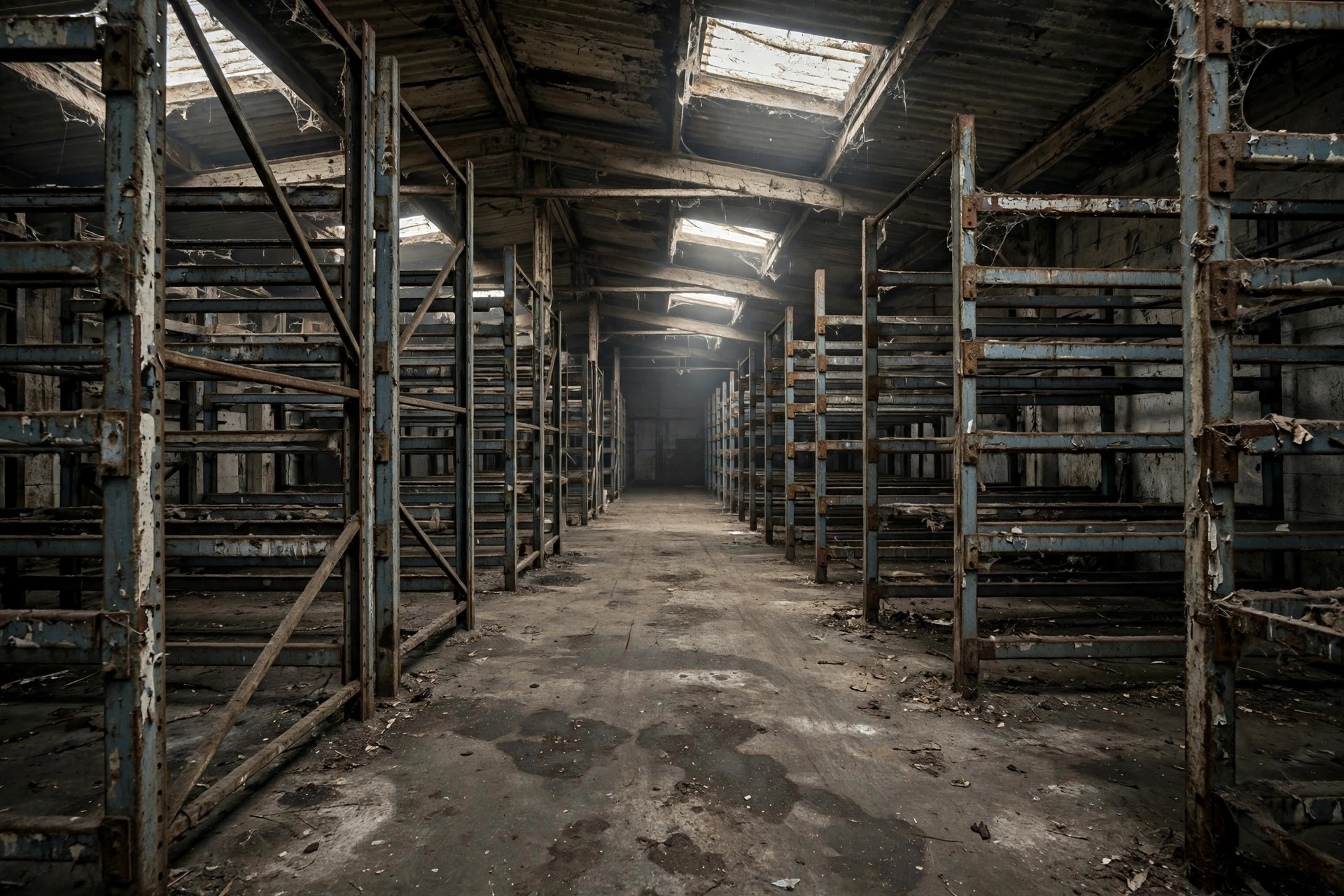
Lao Li's building sits outside the city — 8,000 square meters, 9 meters of clear height, racking from a decade ago. He got the AS/RS itch and invited an integrator over. Their first sentence: "Let's start with a structural survey and a fire protection assessment." The survey came back with three hard gates:
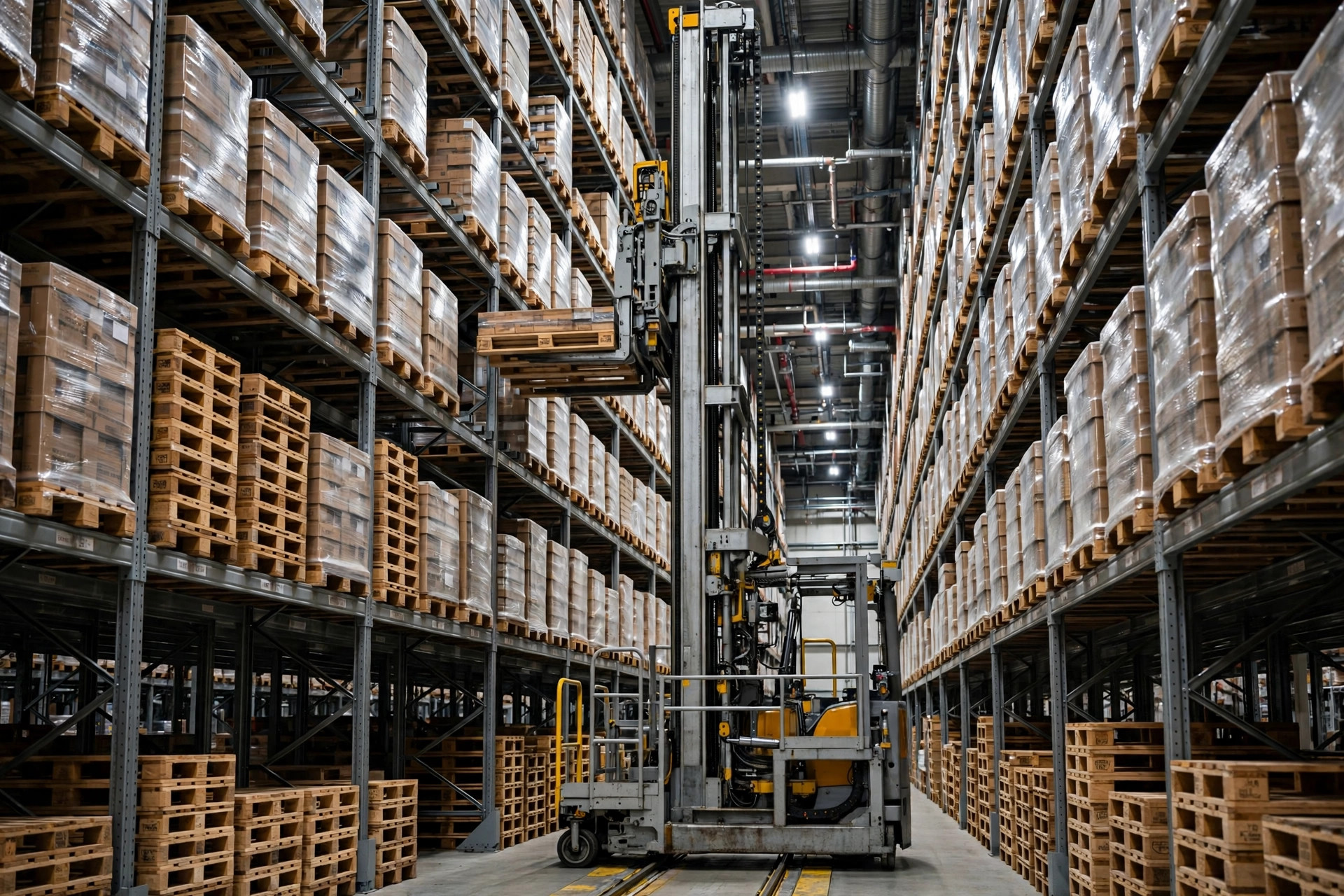
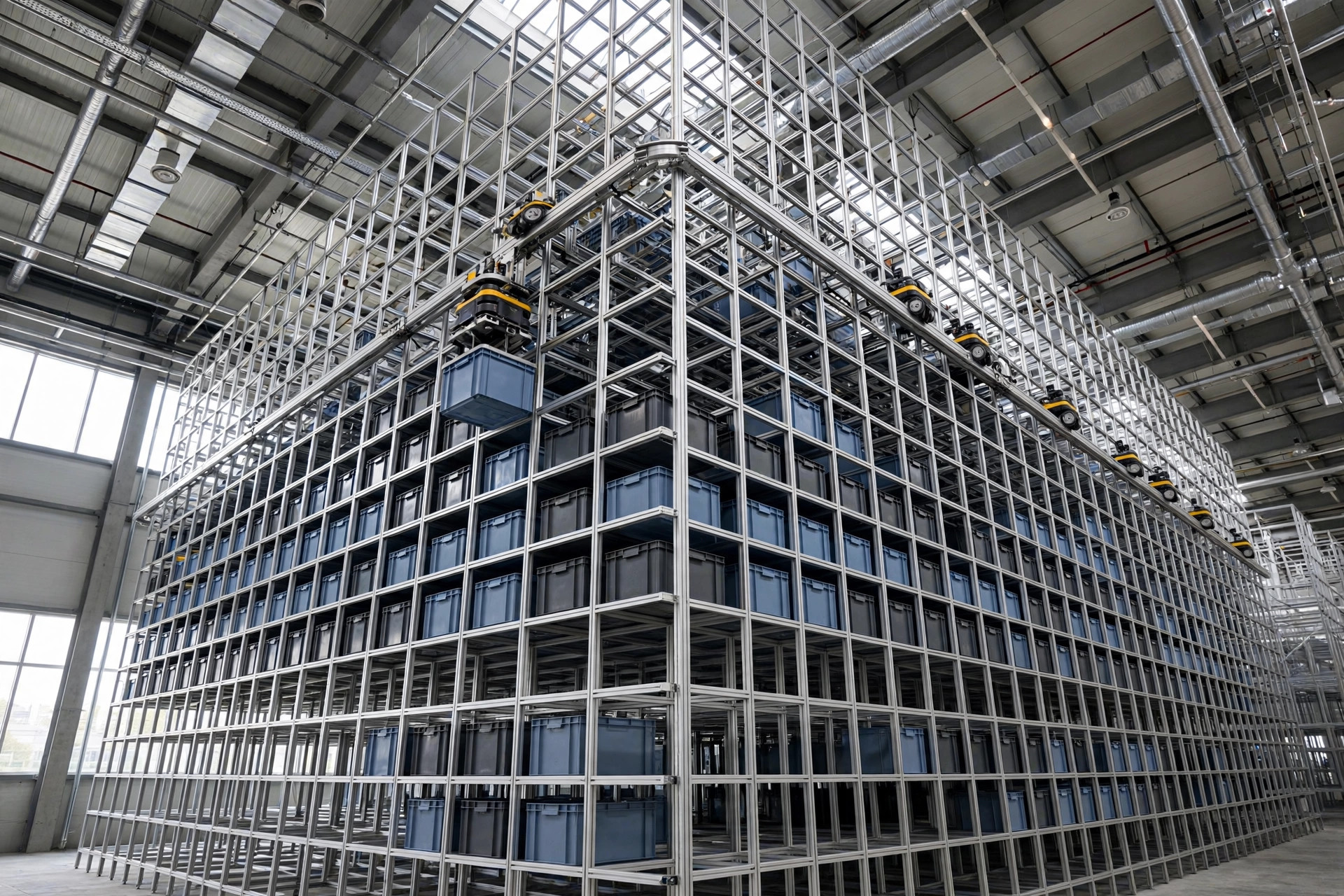
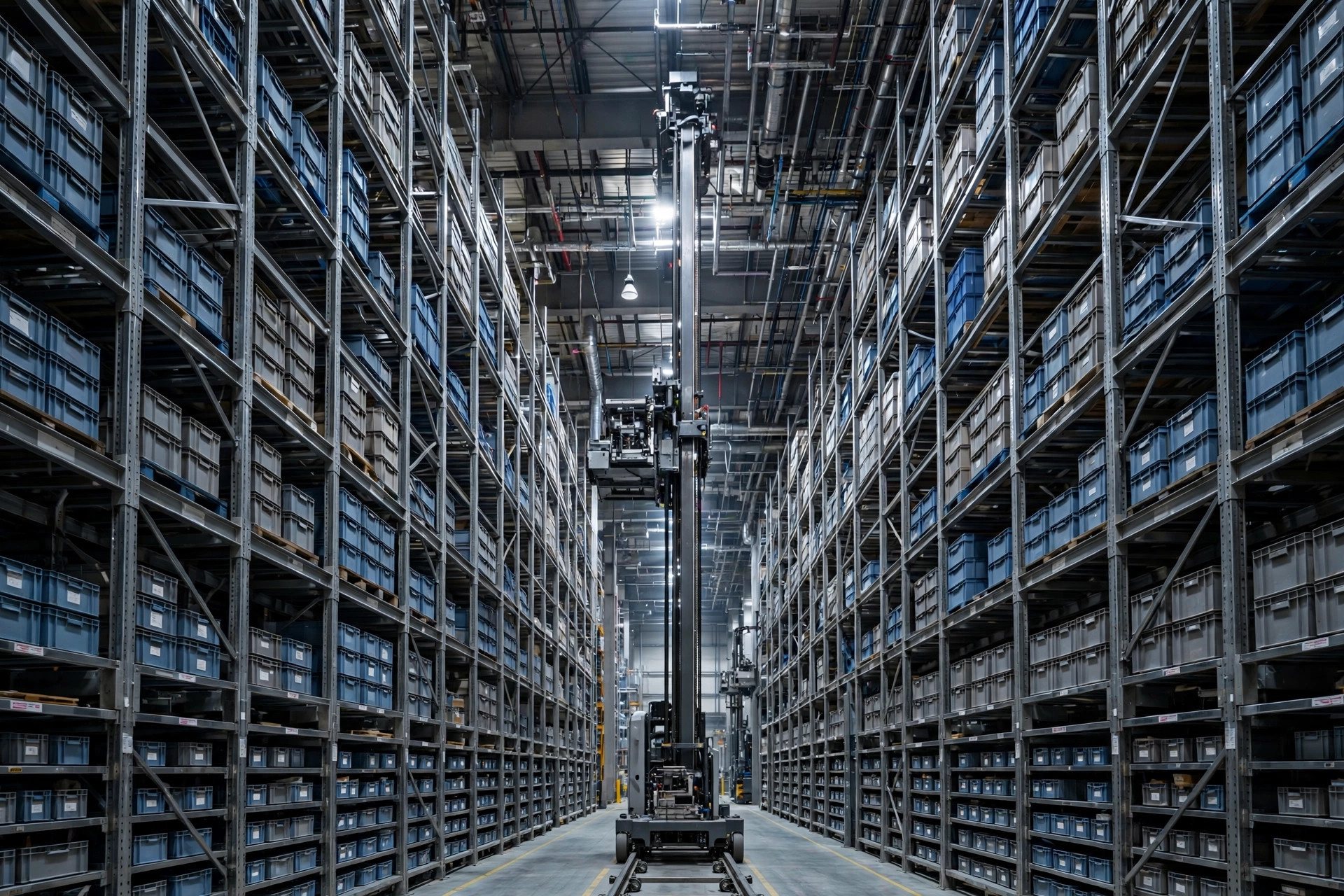
Gate one: clear height. An AS/RS is a business of borrowing space from the sky. Without enough clear height, nothing else matters. Old warehouses commonly sit at 6 to 8 meters; a proper high-bay AS/RS generally wants 10 meters or more — the taller it goes, the more storage positions each square meter carries, and the better the math looks. Lao Li's 9 meters landed in the awkward middle: doable, but the cost per position would barely beat just adding two levels to his existing racking. There's no universal answer here — get your own engineer to run the numbers on your actual clear height, and don't take a sales rep's word for it.
Gate two: floor loading and settlement. This is the gate everyone underestimates. The taller the racking, the more concentrated the point loads on each upright — and a slab that's been in service for a decade-plus almost always has uneven settlement. AS/RS rails and racking demand serious floor flatness; get the leveling wrong and the crane runs with a built-in hazard. Lao Li's survey found localized settlement beyond tolerance, and floor remediation alone pushed his budget up by a wide margin. I'll say "a wide margin" deliberately — every building differs, so get your own structural engineer to put it in a report. The verbal quote from sales almost never includes this line item.
Gate three: fire protection upgrade. To the fire marshal, high-bay racking is high hazard, full stop. Sprinklers, fire compartmentation, alarm integration — the whole package needs upgrading, plus the approval process. In Lao Li's case, the fire upgrade took longer than the equipment installation itself, and the cost "exceeded expectations." Savor those two words — they're the standard ending of every retrofit story.
After all three gates, Lao Li walked away. His take: "That survey fee was the best money I spent — a small check for clarity that saved me from a massive hole." See the pattern? Sometimes the biggest payoff of a feasibility study is the decision not to build.
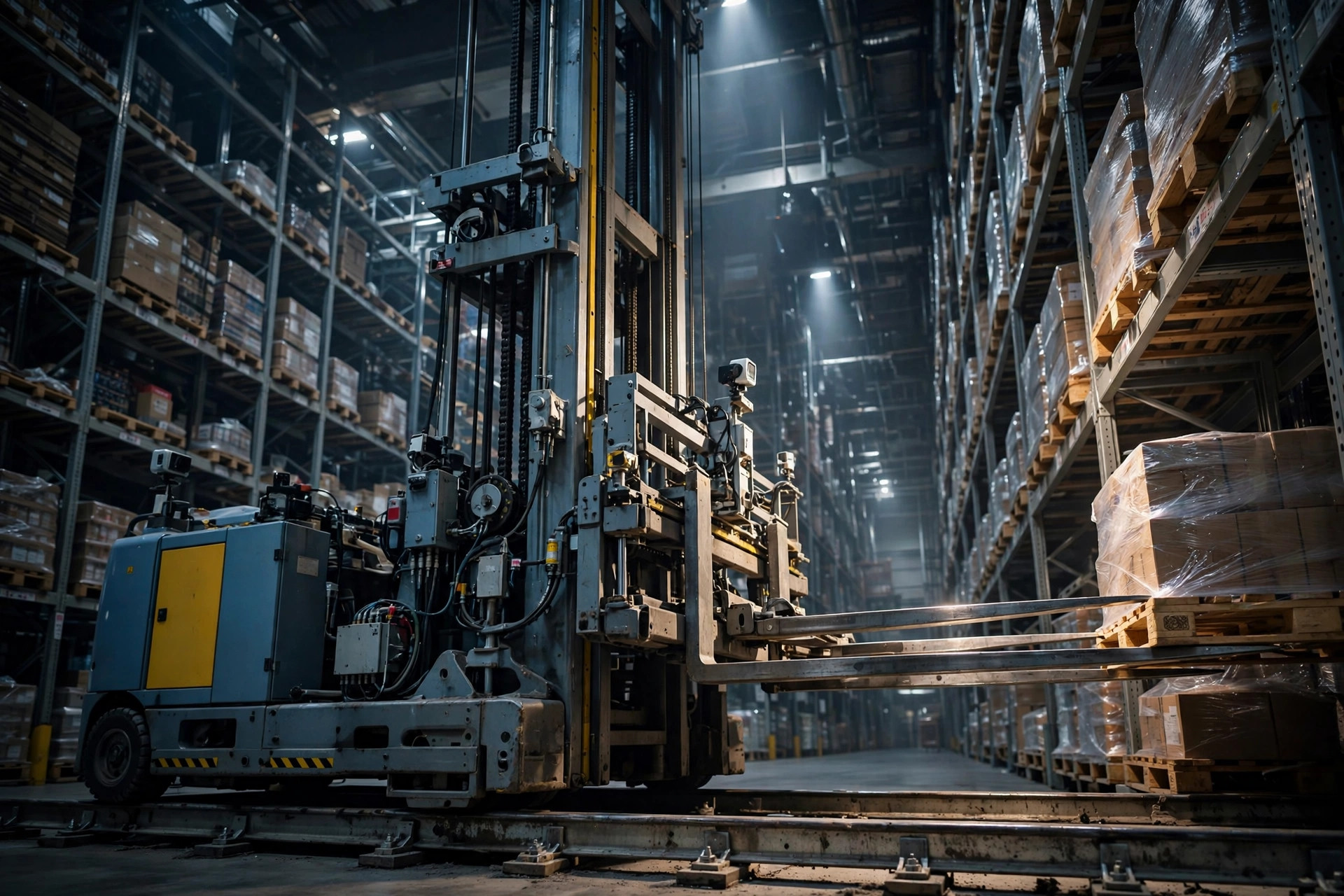
Story Two: Ah Zhen's "Half-Step Retrofit" — the Scrappy Way Works Too
Ah Zhen runs 5,000 square meters with 8 years left on her lease. She skipped the full AS/RS and went with a three-piece "half-step retrofit":
- Raised racking, but only where it counts. She added two levels to the racking in the zone holding her fastest-moving A SKUs and left the rest alone — money spent where it pays.
- Narrow aisles plus reach trucks. Aisles squeezed from over 3 meters to under 2, freeing enough floor for two extra racking rows. The forklift swap was the most honest line item in the whole budget.
- WMS before automation. Getting the warehouse management system in first — clean slotting, optimized pick paths — delivered an immediate efficiency jump for a fraction of an AS/RS price tag.
The result? Picking efficiency up substantially, storage capacity up roughly a third, and total spend nowhere near a full AS/RS. In her words: "We small players can't burn that kind of money — but small warehouses have their own way of surviving. Squeeze everything out of what you've got first."
Retrofit vs. New Build: A Comparison Framework
Don't decide on gut feel. Score each dimension:
| Dimension | Brownfield retrofit | Greenfield new build |
|---|---|---|
| Upfront spend | Looks lower, but hides structural/fire/floor items | Higher one-time, but transparent budget |
| Schedule and downtime | Retrofit while operating — heavy coordination cost | Plannable, but longer time to go-live |
| Lease fit | The critical variable (see next section) | Build/own or long lease — you're in control |
| Design freedom | Constrained by height, column grid, slab | Customized around the AS/RS |
| Stranded-asset risk | Lease ends, investment may evaporate | Asset stays in your hands |
And memorize this formula — it settles the retrofit question:
Payback period = total investment ÷ annual savings, where annual savings = labor cost avoided + extra capacity converted to rent value. Fill in numerator and denominator with your own real numbers, not the vendor's "industry average." The resulting payback must come in shorter than your remaining lease term, with buffer to spare. That's the iron rule.
Which Old Warehouses Are Worth an AS/RS Retrofit? Lease Term Comes First
Here's the counterintuitive call: asking "what does an AS/RS cost per square meter" is the wrong question. Asking "how many years are left on my lease" is the right one. I've watched too many people start with equipment quotes and end up killed by the lease. Run this checklist:
- Remaining lease term > payback period + 2 years buffer? (If no, stop here.)
- Has an engineer verified clear height against the target racking height?
- Structural survey done — slab loading and settlement pass (or remediation cost acceptable)?
- Fire upgrade scope and approval path confirmed in writing with an estimate?
- Product mix stable — no major storage-mode changes expected in 3–5 years?
- Throughput high enough that automation savings convert to real money?
- Can you tolerate partial shutdowns or phased zone-by-zone construction?
- Does the integrator's quote itemize every hidden cost (structure, fire, floor)?
- Exit plan ready: if the lease ends or the business pivots, can the equipment move or resell?
- WMS (or equivalent) already live with clean slotting data?
Three or more misses? Park the AS/RS dream and go study Ah Zhen's half-step retrofit instead.
One last honest word: small owners don't have to answer the brownfield question with a purchase order, but we do have to know how to read it. Next time an expo rep hands you that brochure, take it with a smile and run these ten items in your head — that confidence is worth more than any proposal. Small warehouses have their own way of surviving: get the math straight first, then decide whether to play the big-league game.
By Xiao Ma, Small Warehouse Owner