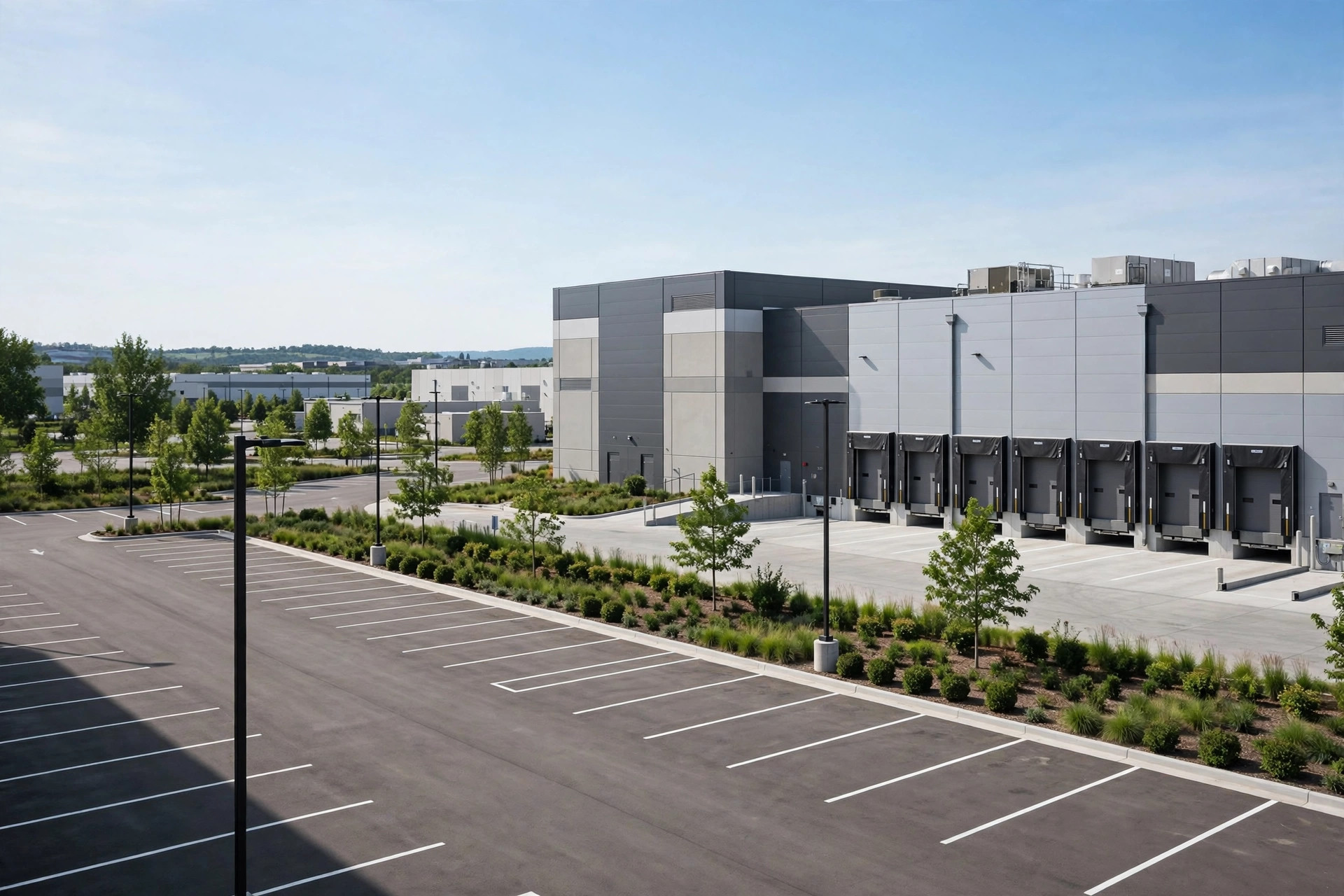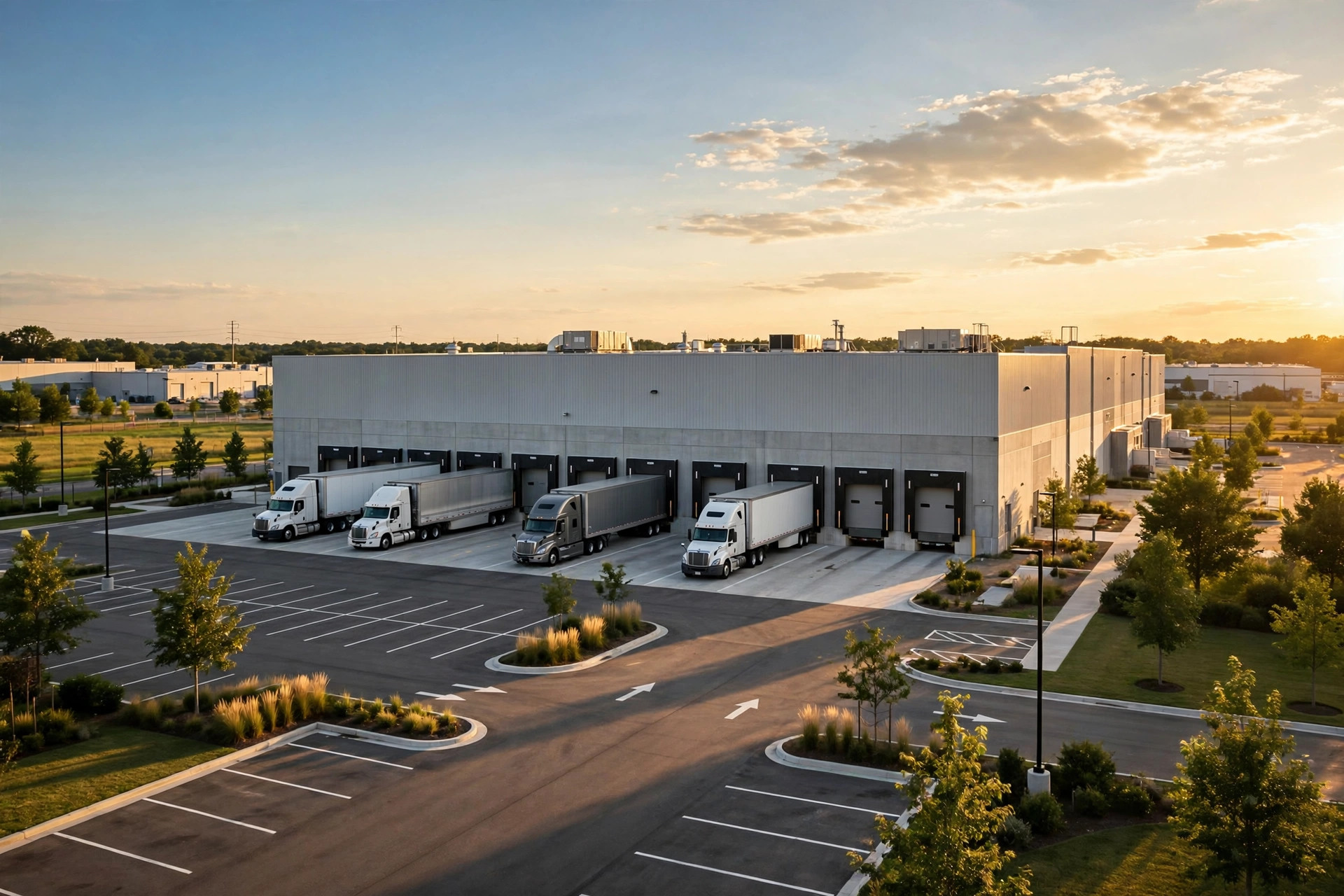
I had a client — small home appliances — who leased a 5,000 sqm warehouse in Kunshan last year. Nobody mentioned the warehouse fire rating during signing, and the rent was a steal, nearly 20% below the neighbor's. Inventory was staged and ready. Then the fire inspector showed up and shut it down: most of the goods were plastic-cased products in cardboard cartons — both combustibles — and the building was rated Class C-2, which doesn't cover them. The client was stunned: "But I leased a Class C warehouse! How are there two kinds of C?"
Here's the insider knowledge: under China's fire code, warehouse storage is classified into five hazard categories — A, B, C, D, E — and Class C splits into C-1 and C-2. "Class C" on a lease doesn't mean your goods qualify.
(A quick note for overseas readers: this is China's system under the national standard GB 50016, Code for Fire Protection Design of Buildings. It doesn't map one-to-one onto NFPA or European classifications — if you're sourcing from or selling into China, this is the rulebook your warehouse lives by.)
China's fire rating tiers, in plain language
| Category | Plain-English meaning | Typical goods |
|---|---|---|
| Class A | Ignites instantly, may explode | Gasoline, alcohols (flash point below 28°C), nitrocellulose |
| Class B | Catches fire fairly easily | Paints, turpentine, camphor products (flash point 28–60°C) |
| Class C-1 | Combustible | Paper/cartons, wood, rubber, textiles, grain, common plastics, lube oil |
| Class C-2 | Hard to ignite | Steel, cement, ceramics, glass, flame-retardant plastics |
| Class D | Difficult to burn | Metal products, refractory materials |
| Class E | Essentially non-combustible | Steel components, cement products, ores |
One rule to tattoo on your forehead: combustible solids (paper, wood, textiles, ordinary plastics) start at Class C-1. E-commerce, small appliances, daily goods — nine times out of ten, you're C-1. Class C-2 is for stuff that doesn't like burning; using it as a general-purpose warehouse is an accident waiting for a signature.
One more thing most people miss: store mixed categories in one building, and the whole building is rated by the most hazardous goods inside. Slip one pallet of cartons into a C-2 warehouse and the entire building gets treated as C-1. The inspector doesn't care that it was "just a little bit."
Upgrading C-2 to C-1: 15% cheaper rent, ¥600,000 retrofit
Back to that first client. After the shutdown: move out, or upgrade the building from C-2 to C-1. He couldn't give up the negotiated rent and the fitted-out office, so he chose the retrofit.
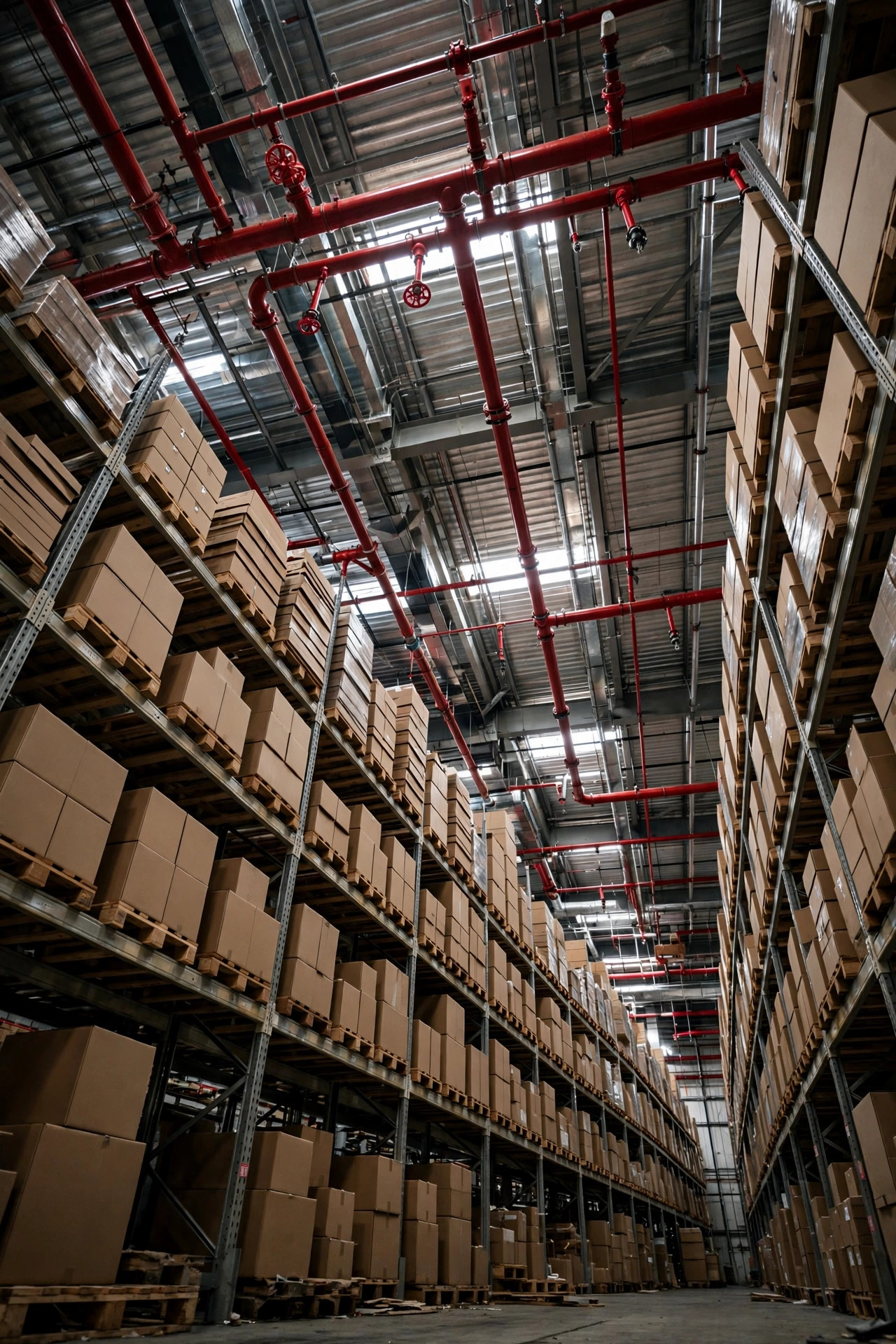
What does a fire-rating upgrade involve? Denser sprinkler coverage, re-partitioned fire compartments, electrical systems brought up to the higher standard, and a fresh round of acceptance inspection. The bill came to over ¥600,000 with two months of downtime — the rent savings won't cover it in three years. The timeline hurt as much as the money: design sign-off, construction, then queuing for the re-inspection, each step waiting on someone else's calendar. And that's not the worst case: some older buildings can't be upgraded at all (insufficient structural fire resistance), so tenants just terminate, losing deposits and fit-out money entirely. The landlord, of course, had already collected the deposit and the first quarter's rent — guess whose problem the shutdown became.
The smart ones do the opposite. Another client — apparel — insisted on C-1 from day one. Rent ran 12% higher than C-2, but he wrote the "fire acceptance category" into the lease addendum and got a copy of the fire acceptance certificate from the landlord. When inspectors came knocking, nothing happened. His comment: "The extra rent is my insurance policy." Fair point — fire-code insurance is a lot cheaper than actual insurance.
Fire rating lease checks: three things before you sign
First, get the fire acceptance certificate — and read what category it was accepted under. Plenty of warehouses were certified a decade ago as D or E, then the landlord quietly switched to e-commerce tenants without updating the paperwork. "No problem" from the landlord means nothing to the inspector. Get the copy; read the category line.
Second, match your goods against the classification line by line. "I don't think my goods are flammable" is the most dangerous sentence in this business. When in doubt, ask a fire-protection design firm — or the local fire authority directly. Local requirements rule; don't trust the broker's mouth. Complex goods (anything with batteries or aerosol cans) deserve their own confirmation.
Third, ask whether an upgrade is possible and who pays. If the building's rating falls short, get four things in writing: the retrofit plan, the cost, the timeline, and who's responsible for passing inspection. A verbal "we can upgrade it" is worth exactly zero. And settle upfront whether rent is still due during the retrofit downtime — don't wait until the shutdown to argue about it.
The counterintuitive part: higher isn't better
One last thing most people get backwards: a higher fire rating is not always better. Class A space rents at a premium and comes with the strictest controls — storing steel or cement there is just donating money to your landlord. The logic is "exactly enough": match the building to your goods' category. Half a grade too high is waste; half a grade too low is a time bomb.
And here's the industry-insider bit: most landlords can't tell you whether their building is C-1 or C-2. The brochure says "standard Class C warehouse" — ask the leasing agent, and eight out of ten can't answer. That's the reality. Which is why none of those three checks is optional.
Next time you negotiate a lease, ask these three questions: "What category was the fire acceptance issued under?" "Do my goods match that category?" "If not, who pays for the upgrade — and is it in the contract?" Three questions, and you'll know instantly whether you're dealing with a professional or a bluffer.
By Susan, 3PL Sales Director