excerpt:Warehouse rooftop solar cost savings look simple on a sales deck, but the real payback only shows up after roof load, structural reinforcement, fire access, and insurance are priced in — here is the full math.
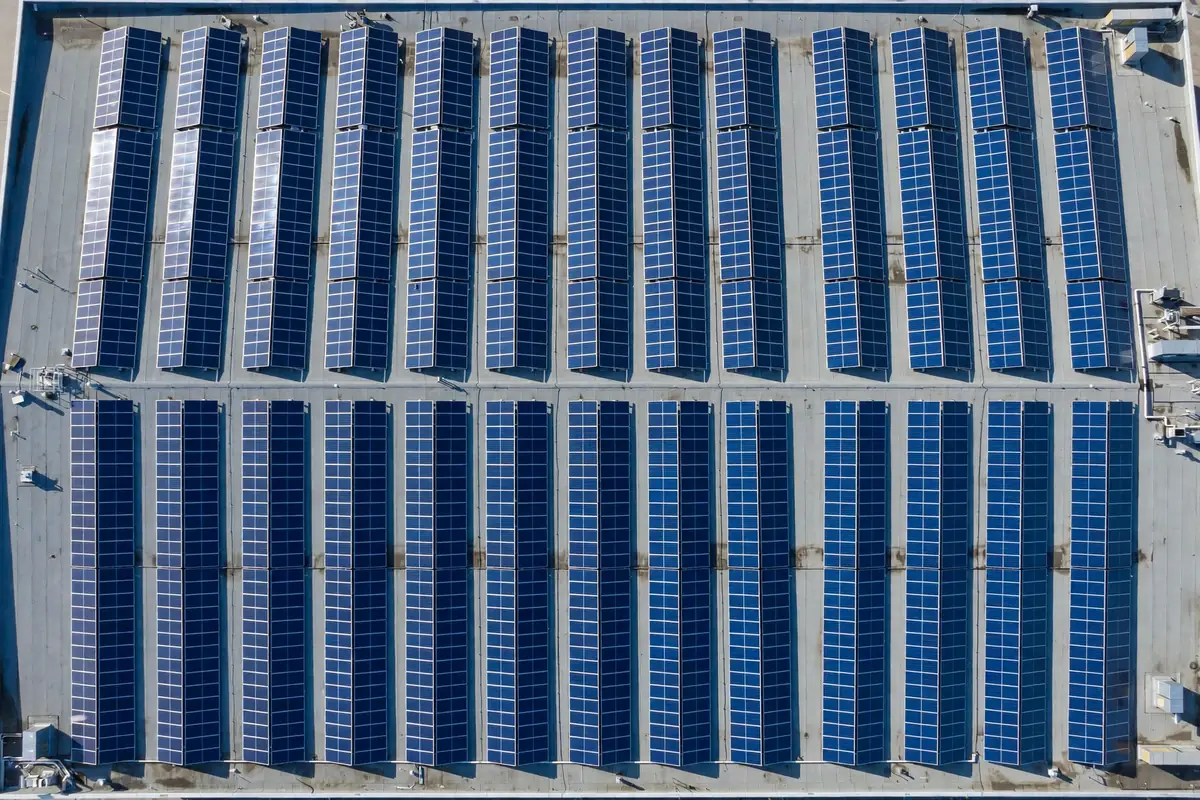
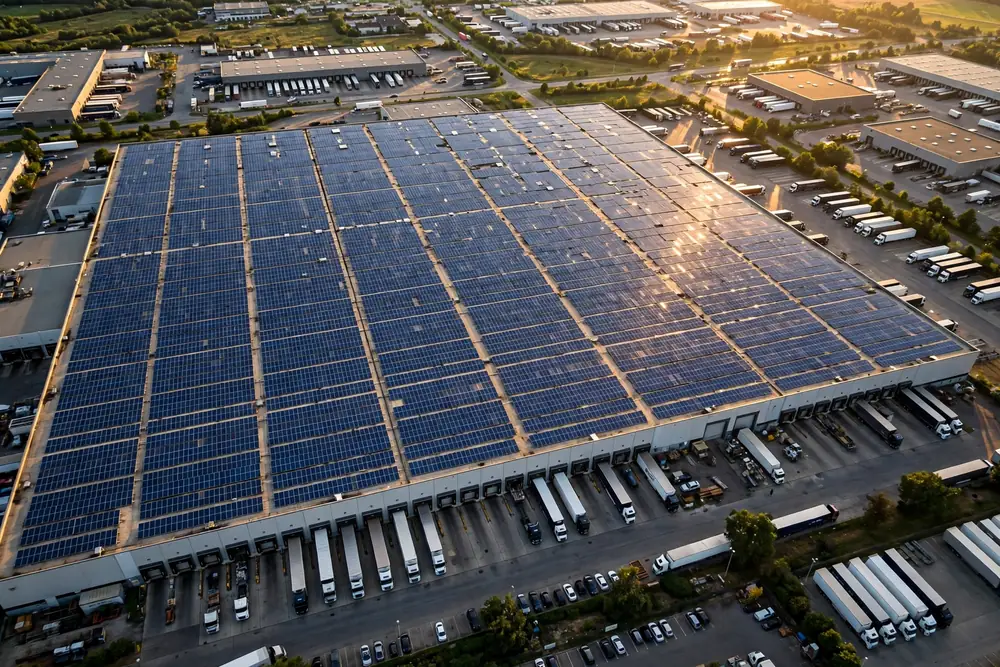
Start with the money. Take a 10,000-square-meter flat-roof warehouse with about 6,000 square meters of usable roof, enough for roughly 800 kW of panels. At the U.S. commercial benchmark of $1.77 per watt installed (Wood Mackenzie/SEIA, Q2 2026), the gross price is about $1.42 million. Apply the 30% federal Investment Tax Credit and the net cost lands near $990,000. At 1,300 kWh per kW per year — an assumed figure for this worked example — the array generates about 1.04 million kWh a year, worth roughly $156,000 at a $0.15 per kWh offset rate. Simple payback: about 6.3 years. That is the number on the sales deck. The honest number is longer, because roof load, reinforcement, fire safety, and insurance are still missing from it. Warehouse rooftop solar cost savings only mean something when every cost is on the table.
Rooftop solar revenue: three numbers, and one trap
The first dollar is avoided electricity, not electricity sold. A warehouse that runs lighting, forklift charging, conveyors, and cold storage during the day consumes most of its solar output on site, and that is where the money is. A night-shift warehouse exports most of its daytime generation to the grid at a buyback rate far below what it pays to import power, and the payback stretches accordingly. Before signing anything, pull twelve months of interval billing data and match it hour by hour against the expected generation curve. Without that self-consumption ratio, every payback figure a vendor quotes is fiction.
The second dollar is tax treatment. The U.S. federal Investment Tax Credit is 30% for commercial solar, but under current rules a project must be placed in service by December 31, 2027 to lock it in — confirm the latest terms on the official source before relying on it. Local incentives and net-metering rules vary widely by jurisdiction: some pay retail rates for exported power, others pay wholesale, and that spread alone can move annual returns by a fifth or more. Treat every subsidy figure in a vendor presentation as unconfirmed until the relevant authority's current policy says otherwise.
The third variable is time. Panels degrade year after year across a 25-year life, inverters need replacing mid-life, and cleaning, inspection, and insurance are annual cash outflows. Put all three into the cash-flow model for years 10 and 15, not just the flattering first five. Any model that only shows the first five years is an arithmetic trick, not an analysis.
Roof load and reinforcement: the roof votes first
Panels plus racking add roughly 2 to 4 pounds per square foot; ballasted systems on flat roofs run 4 to 6 pounds per square foot. That sounds small, but the load is not spread evenly — it concentrates at a limited number of mounting points, and older purlins and connections may not take it. Only one person can answer whether a roof can carry solar: a structural engineer, in writing, with the fee itemized separately. A vendor's verbal "no problem" is not an engineering opinion.
The more expensive trap is remaining roof life. Panels last 25 years. If the waterproof membrane has less than 10 years left, re-roof first and install panels second. Tearing panels off in year 8 to replace a membrane — removal, reinstallation, and downtime — costs more than the savings banked by then. A roof with less life left than the panels is a re-roofing budget first and a solar project second. Get the order wrong and the money is wasted.
Here is the trade-off table I want every warehouse owner to fill in before signing:
| Line item | Revenue-only math | Full-cost math | Where the difference goes |
|---|---|---|---|
| Total investment | Panels plus installation | Plus reinforcement and re-roofing | Structural work, itemized on the quote |
| Annual return | Generation times tariff | Times self-consumption ratio, minus O&M and insurance | Cheap exported power, annual maintenance |
| Payback | Net cost divided by gross return | Net cost divided by net annual return | Usually 1–2 extra years |
| Leased warehouse | Tenant pays to install | Who owns the panels at lease end, who pays removal | Write it into the lease, or argue later |
Rooftop solar fire safety and insurance: the two most underestimated costs
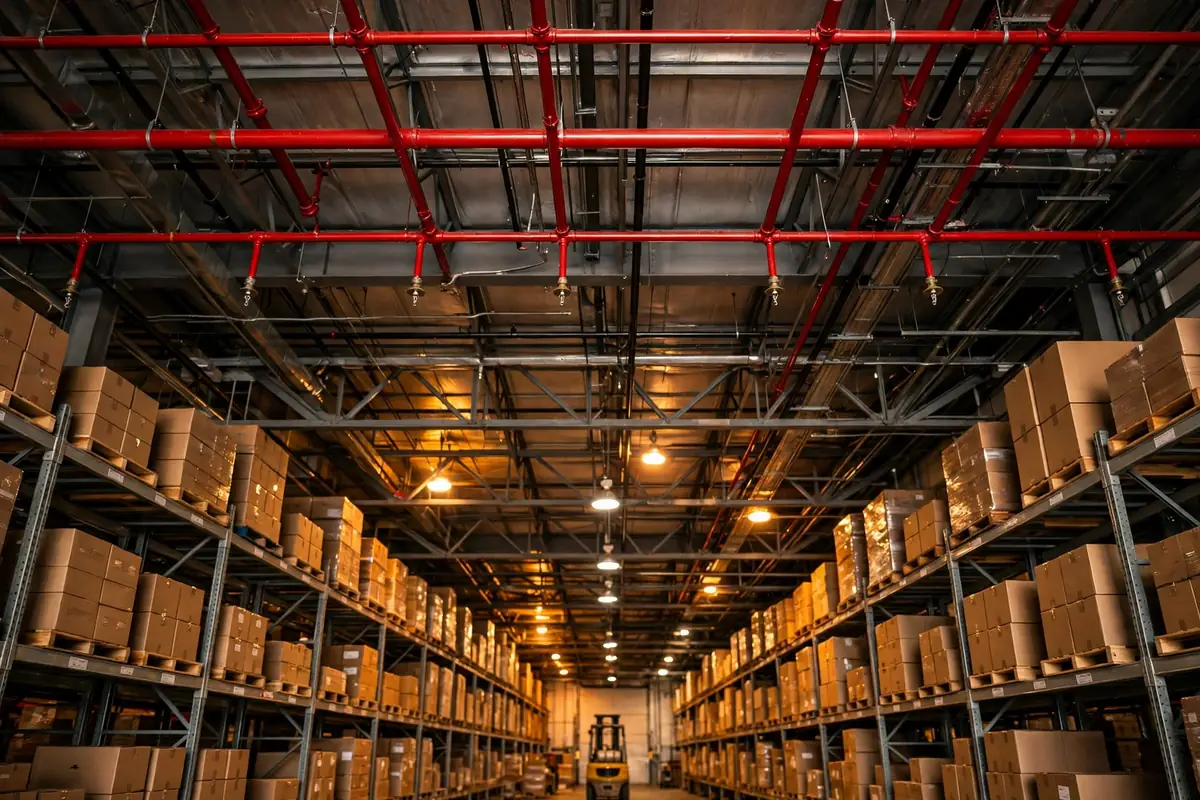
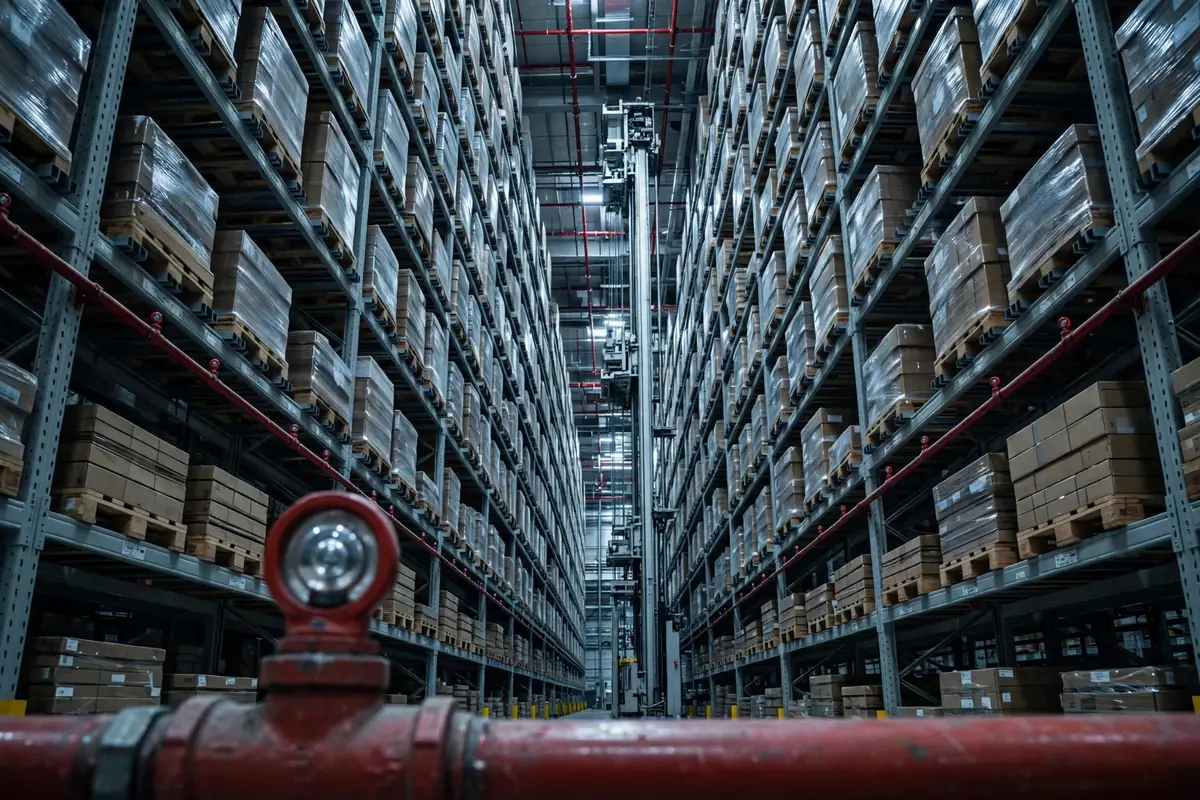
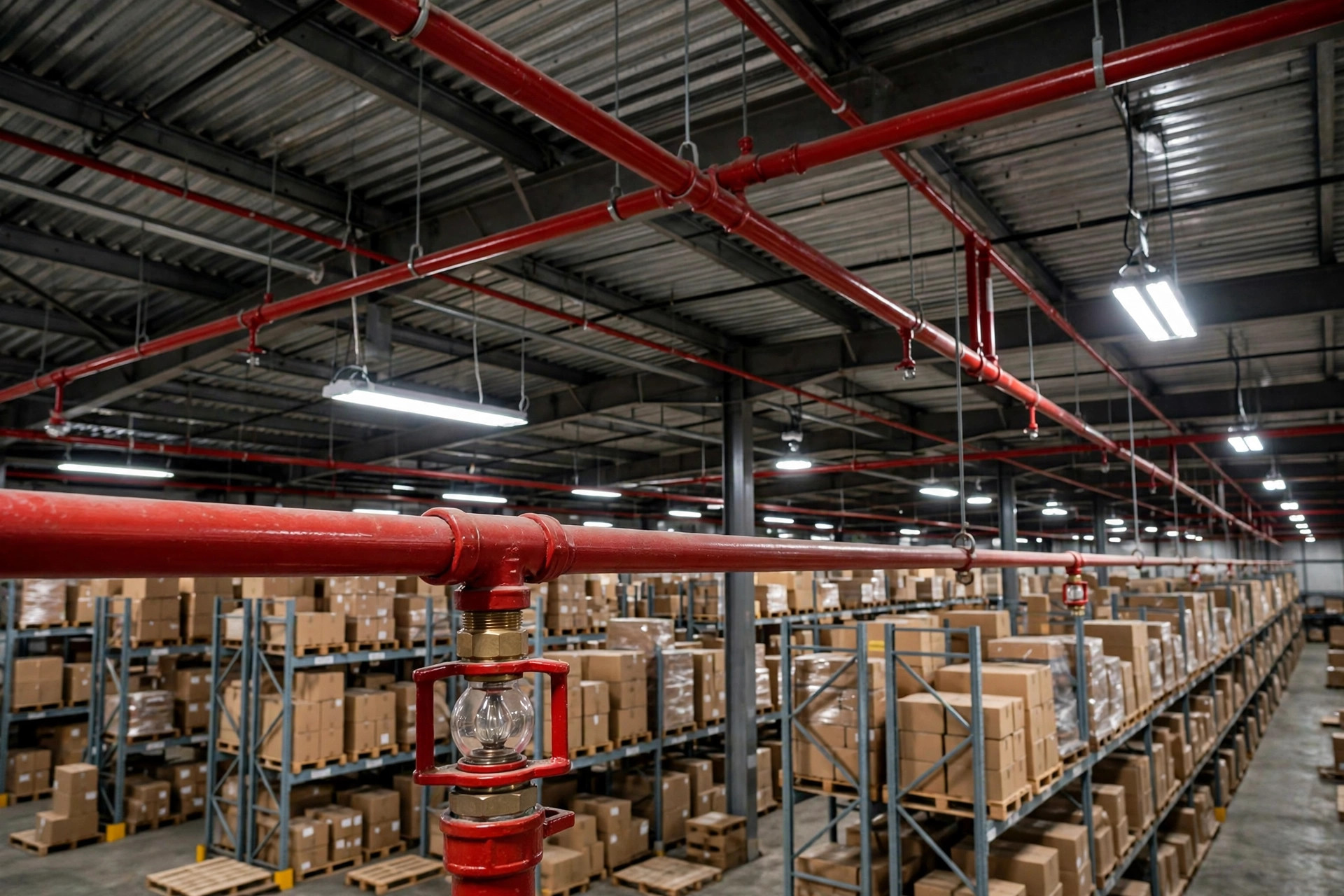
A roof covered in panels still needs fire access and maintenance lanes. Setbacks from roof edges and spacing between arrays follow the local fire code — check the current requirements with the local fire authority and the insurer, because a system that fails fire inspection sits idle with the capital already spent. Get the design pre-reviewed by the fire authority before a single panel goes up, not after.
Insurance is the second gate, and it is where warehouse rooftop solar cost savings quietly shrink. Adding solar means renegotiating building coverage: some insurers require rapid shutdown and arc-fault protection on the DC side, others simply raise the premium. Get a written quote from the insurance broker before signing the solar contract and put the increase into the model. Property cover for the panels themselves needs the same treatment — hail and wind uplift, what is covered and for how much, only counts when it is written into the policy.
Then there is the leased-warehouse scenario, which deserves its own calculation. The tenant wants cheaper power, but the roof, the insurance, and the fire liability belong to the landlord. Four questions must be answered in the lease: who pays, who keeps the generation revenue, who owns the panels when the lease ends, and who pays for removal on early exit. I have seen a tenant pay for an array, fail to renew three years later, and find the removal bill exceeded the residual value — the panels went to the landlord for free. That money was spent for nothing. As a rule, a tenant should not self-fund solar on a lease shorter than the payback period; negotiate a rent offset or a joint investment with the landlord and attach it to the lease.
The decision rule
Worth installing: payback under six years, high self-consumption, more than 15 years of roof life left, owned premises, and fire and insurance cleared in advance. Meet all five and proceed. Miss one or two and add roughly a year of payback per missing condition. Three cases to defer: a lease under five years, an old roof due for replacement within a decade, and a night-dominant load profile.
Here is the calculable conclusion, and the final test of warehouse rooftop solar cost savings. Take twelve months of interval billing data and find your daytime self-consumption. Estimate gross cost at the $1.77-per-watt benchmark, subtract only the tax credit you can confirm, then add structural reinforcement, re-roofing, annual maintenance, and the insurance increase. Divide net cost by net annual return. If the result is at least two years shorter than the number of years you will hold the building, the project works. If it is not, leave the roof alone and keep the money where it earns more.
By Lao Zhou, Logistics Cost Analyst