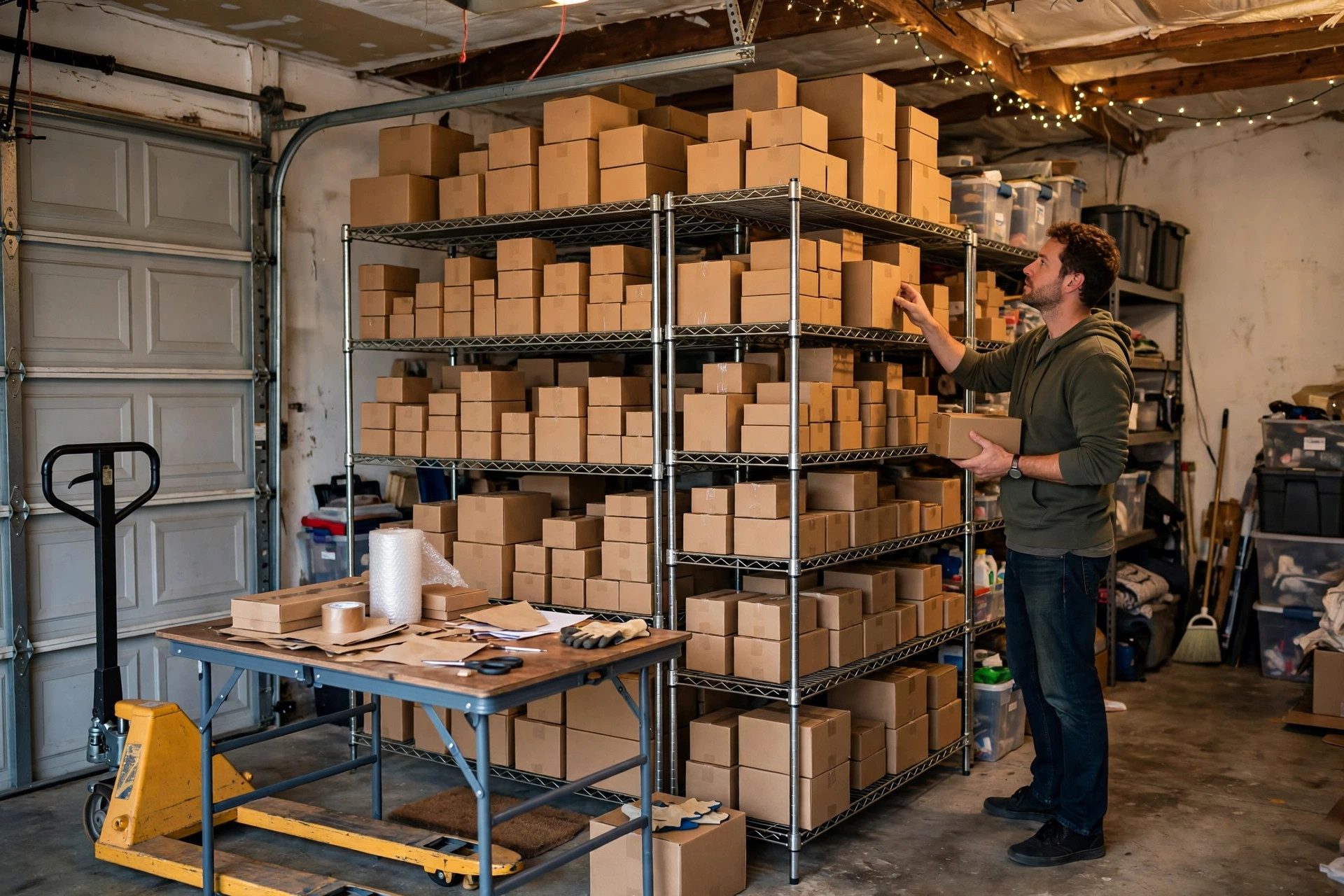
My first warehouse was my garage — 18 square metres, 400 cartons stacked to the ceiling, and my car parked outside in the rain for six months. I could not afford rent. A garage warehouse startup sounds inspirational until you live it. Finding one carton meant moving three others out of the way. Summer turned the place into an oven. When a customer came to inspect stock, I had to clear a path through the boxes before they could get in the door. I now run a 3,000-square-metre warehouse, and people keep asking how I scaled. The answer disappoints them: no funding round, no fancy system — just money saved a dollar at a time.
A garage works until it does not, and the ceiling arrives faster than you think. Mine hit in month three. Daily orders climbed from 20 to 80, two courier vans blocked the driveway every day, and the property manager showed up talking about fire codes and blocked access. That night I did the maths. Staying in the garage saved rent and cost me orders and sleep. I decided to move — but where, how big, and for how much, every step had to be calculated. We small warehouses cannot afford to burn money. Copy the big operators' playbook and your cash flow is gone in a month.
The Day the Garage Broke: How I Priced the Move
The first lesson of moving out: never trust the headline rent per square metre. The first warehouse I looked at quoted a low rate, then handed me a triple-net lease — base rent plus property tax, insurance, and common-area maintenance on top. Public market data gives a sense of scale: in the second quarter of 2025, the US national average asking rent for industrial space was about $9.12 per square foot per year, according to Cushman & Wakefield, and small bays usually price higher, with another $1–$3 per square foot a year in triple-net charges. The warehouse I finally took quoted $8.50 and landed close to $11 all-in. On roughly 3,000 square metres, monthly rent came in nearly 30% above what I had first budgeted. Ask for the all-in price first, not the bare rent.
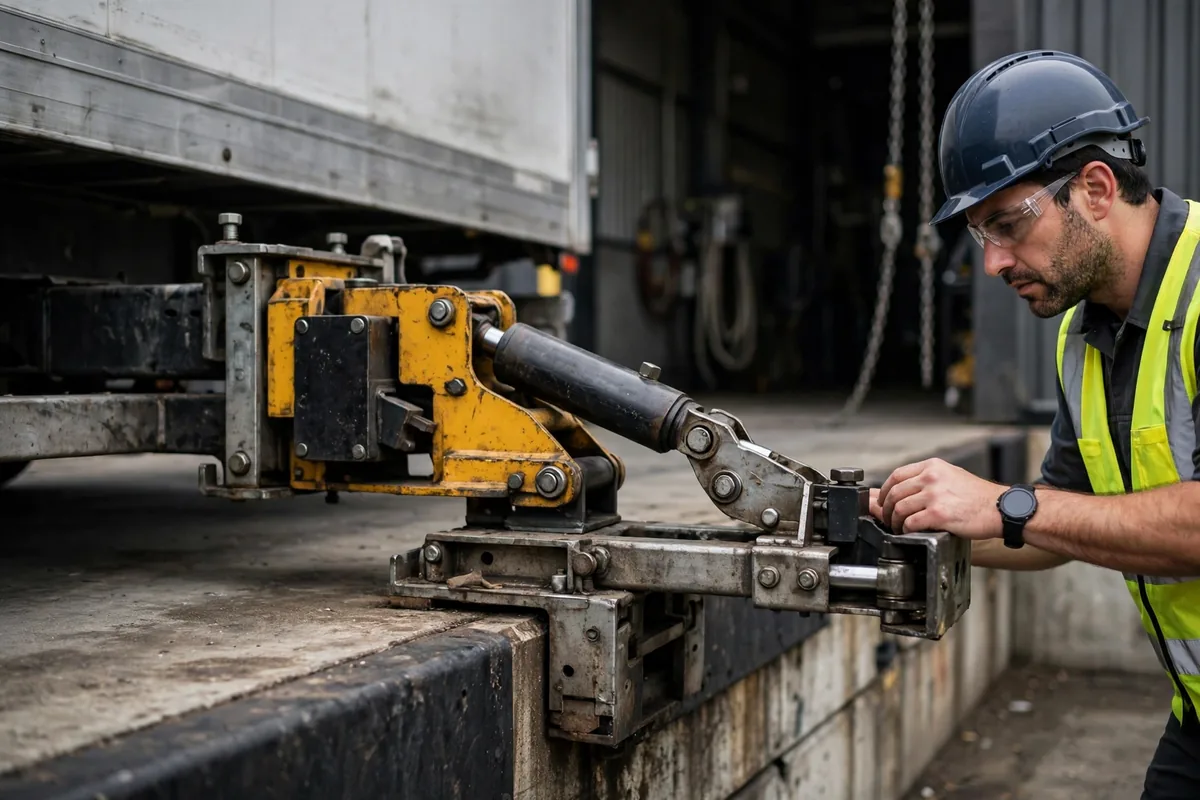
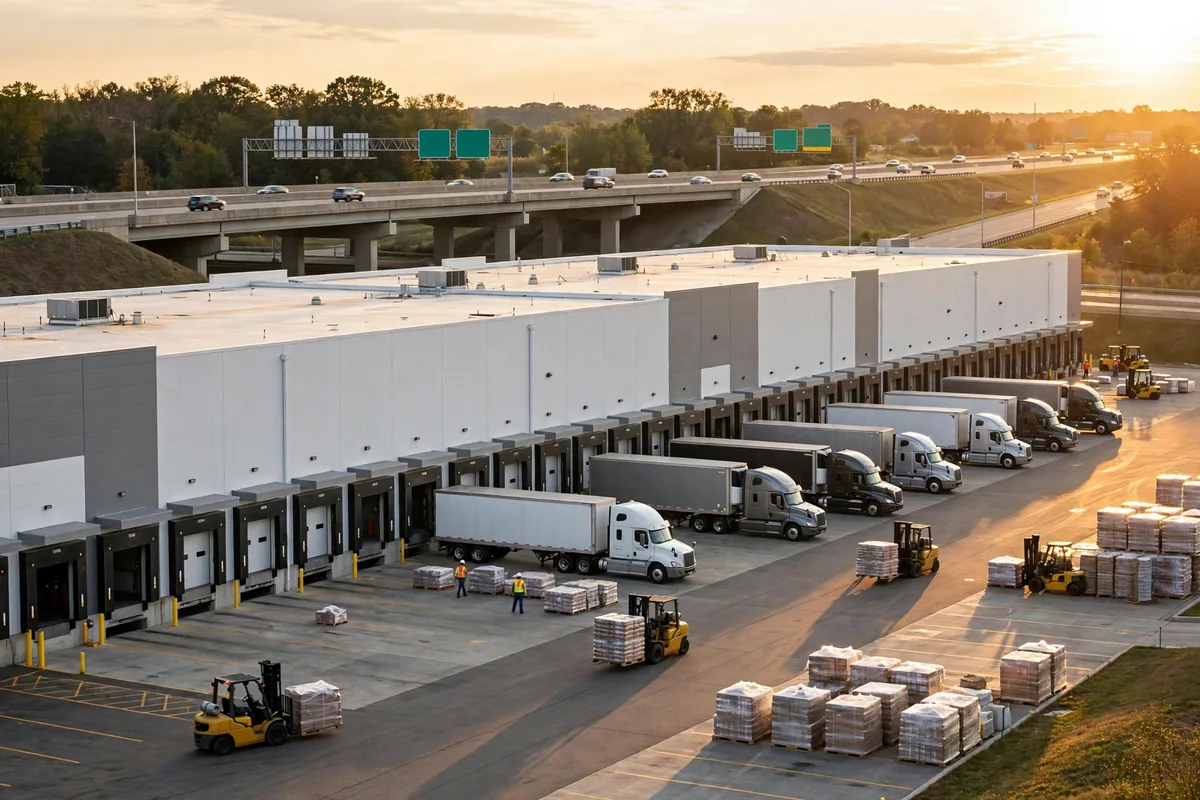
I set myself three rules for the move. First, size for the order volume six months out — not today, and not the fantasy version. I was at 80 orders a day and rented space that could handle 300, leaving about 40% empty for peak season. Too much empty space is waste; too little is suicide. Second, keep the term short. I signed two years with a renewal option; the landlord wanted three, and I chose slightly higher monthly rent over being locked into a long contract. Third, four deal-breakers: fire compliance, ceiling height, dock doors, and power. Low ceilings mean racking cannot go up; a single dock door means a queue out to the street in peak season.
Moving week was the ugliest week of my business life. In July 2025, two temp workers and I moved 900 cartons in three days, and at 11 p.m. on the third night we were still sticking location labels on racking. Forty cartons got the wrong labels, and the next morning picking turned into a two-hour treasure hunt. Since then, labels go on before loading — a wrong label means the stock is lost, even if the system says it is there.
Kitting Out a Garage Warehouse Startup: 3,000 Square Metres on a Small Budget
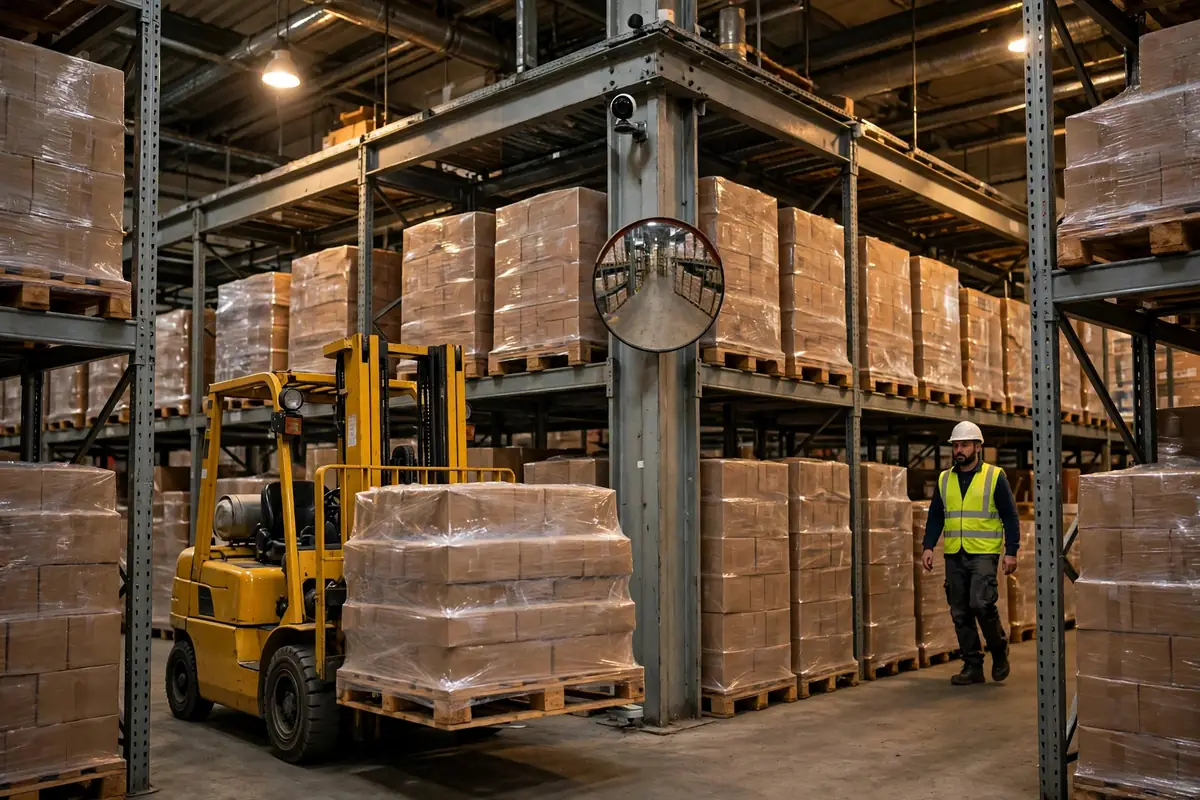
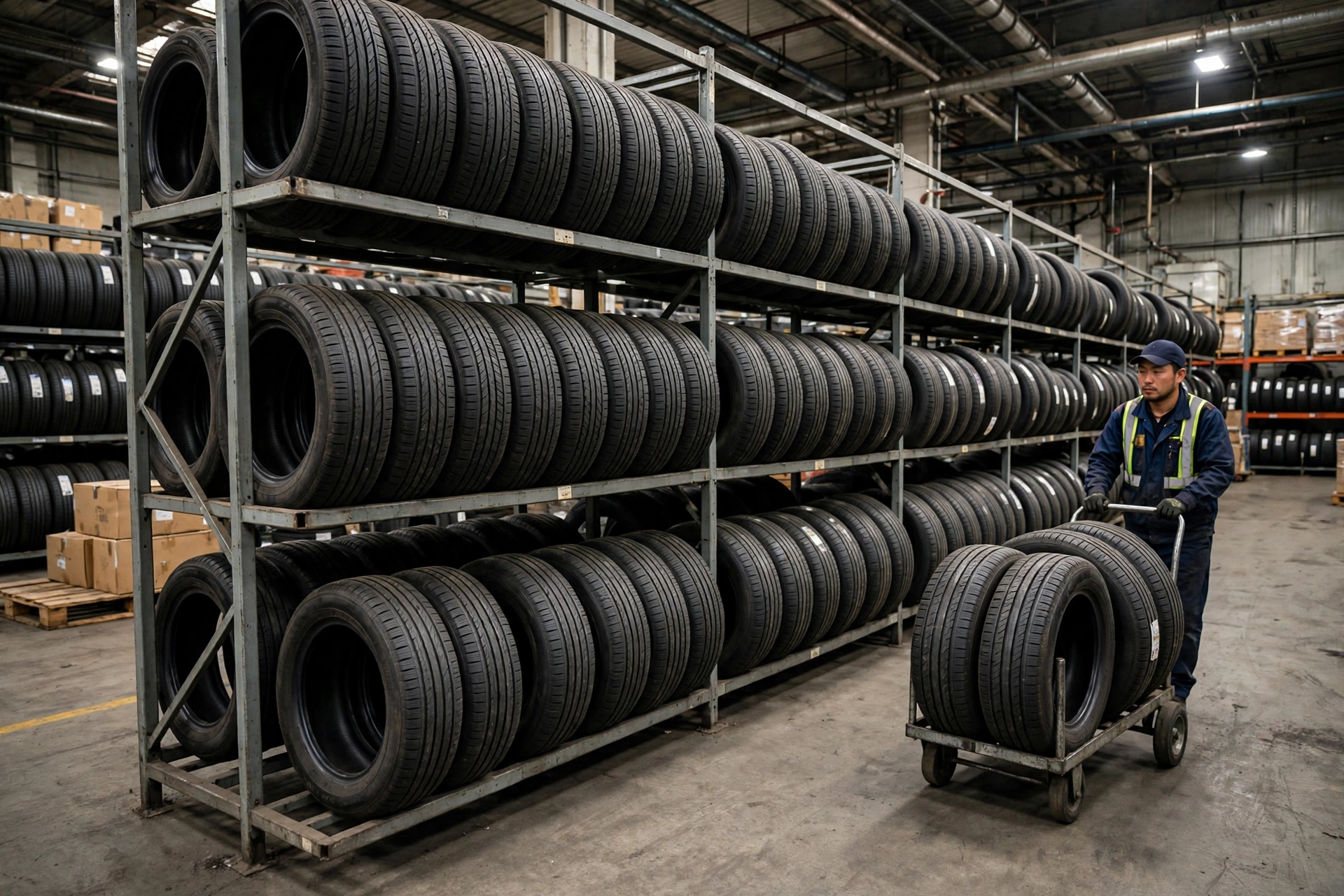
People assume scaling up means buying equipment. I did it backwards: process first, equipment second, software last. For a garage warehouse startup moving into 3,000 square metres, my first purchase list had just four items: second-hand heavy-duty racking, manual pallet jacks, one used electric forklift, and a basic cloud WMS. The racking came from a warehouse that had shut down — about 80% condition, 40% of the new price. The forklift was a 2019 model; I paid a mechanic to check the battery and hydraulics before buying, and I kept a repair fund aside.
The table below is my real trade-off, with figures labelled as a hypothetical worked example based on typical prices at that scale — do not treat them as a quote:
| Item | Buying new, roughly | What I did | What I paid (hypothetical example) | Where the saving went | | Heavy racking, 200 bays | About $120,000 | Bought second-hand, 80% condition | About $50,000 | Three months' rent deposit | | Electric forklift, 1 unit | About $35,000 | Bought a 2019 used unit after inspection | About $12,000 | Spare battery and repair fund | | Manual pallet jacks, 4 units | About $4,000 | Bought new — cheap and durable | About $4,000 | No saving, no loss either | | Basic cloud WMS | Custom build quoted very high | Off-the-shelf cloud version, monthly billing | About $6,000 in year one | Peak-season bonuses for the team |
The counter-intuitive judgement behind that table: the two things a small warehouse should never cheap out on are racking and the WMS. Racking that fails is a safety accident. A WMS that loses track is a warehouse-wide mess, and both cost ten times what you saved. An old forklift is fine — slower, fixable, still moves pallets. Fit-out is the last priority; my office is two desks wedged between racking, and customers sign contracts there anyway.
I also seriously considered shared warehousing instead of leasing a whole unit — renting pallet positions or a slice of floor with flexible terms. The per-unit price runs about 20% higher than a full lease in my hypothetical comparison, but there is no three-month deposit, no forklift to buy, no security to arrange. The classic garage-startup mistake is calling shared space expensive without pricing the risk it removes. I skipped it only because some of my goods carry strong odours and shared storage risked cross-contamination — a product reason, not a price reason. If your goods are clean and volume is still climbing, six months in shared space before a full lease is the steadier path. The next stop after a garage does not have to be a whole warehouse.
Once the kit was in, I spent two weeks on one job only: slotting. Fast movers went closest to the packing bench, slow movers to the back, arranged by pick frequency rather than product category. Afterwards my pickers walked about 2 kilometres less per day — measured with a step counter over three days, not lab data.
Three Scrappy Habits That Keep a Garage Warehouse Startup Alive
The real difference between small and big warehouses is not size, it is error tolerance. A big warehouse absorbs a wrong shipment; a small one loses the customer. Three unglamorous habits have saved me more than once.
The first is counting 20 SKUs every morning, not one big monthly stocktake. Before work starts, I pick 20 SKUs at random and count them; any variance over two units gets investigated the same day. In November 2025 that habit caught a supplier short-shipping 60 units — missed at receiving, caught at counting, three days of arguing before the supplier topped it up. Wait for the monthly count and those 60 units become 60 complaints.
The second is keeping the packing bench to three things only: boxes, tape, and labels. Nothing else is allowed on the bench. The fewer things within reach, the fewer mistakes. My mis-ship rate fell from 2.5% in the garage days to 0.8%, and it was not training that did it — it was clearing the bench. It sounds like a joke, but the numbers are real.
The third is hiring for peak season a month early, not when orders explode. Before Black Friday 2025 I hired three temps four weeks ahead, gave them two weeks on slow orders to learn, and they held the line when daily volume hit 420. The year before I waited until volume spiked, put new hires straight onto live orders, and the mis-ship rate hit 4% in a week — the re-shipping cost more than the wages saved.
Small warehouses have their own way of surviving. Big operators talk scale, automation, and system integration. We talk cash flow, error tolerance, and the two kilometres a day our pickers no longer walk. I went from an 18-square-metre garage to 3,000 square metres not with one clever trick, but by pricing every dollar and remembering every mistake. If your stock is still stacked in a garage, remember this: the time to move is not when the garage feels crowded. It is when your order volume can steadily pay the next warehouse's rent with three months' deposit still in the bank. When that day comes, move. Not before.
By Xiao Ma, Small Warehouse Owner