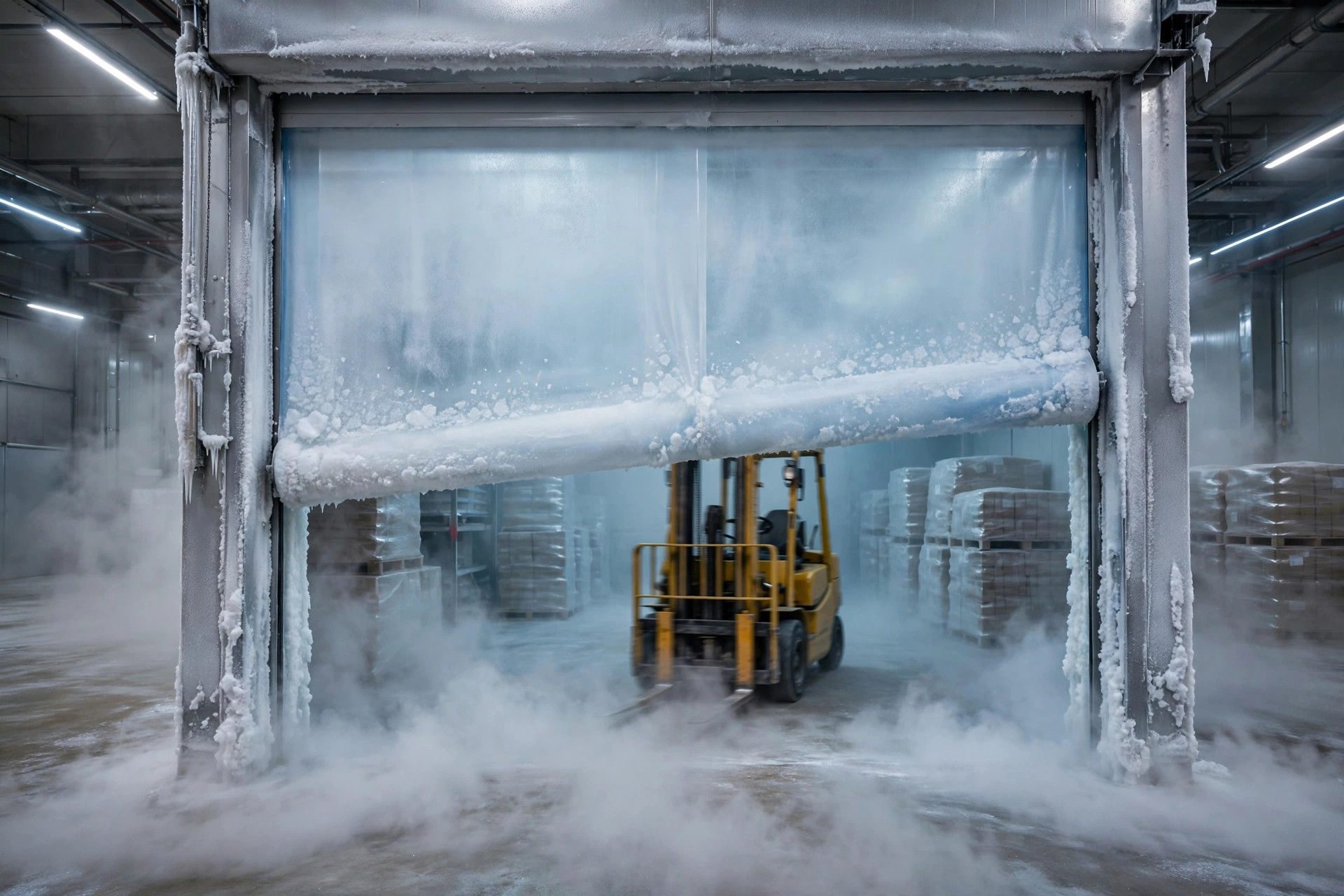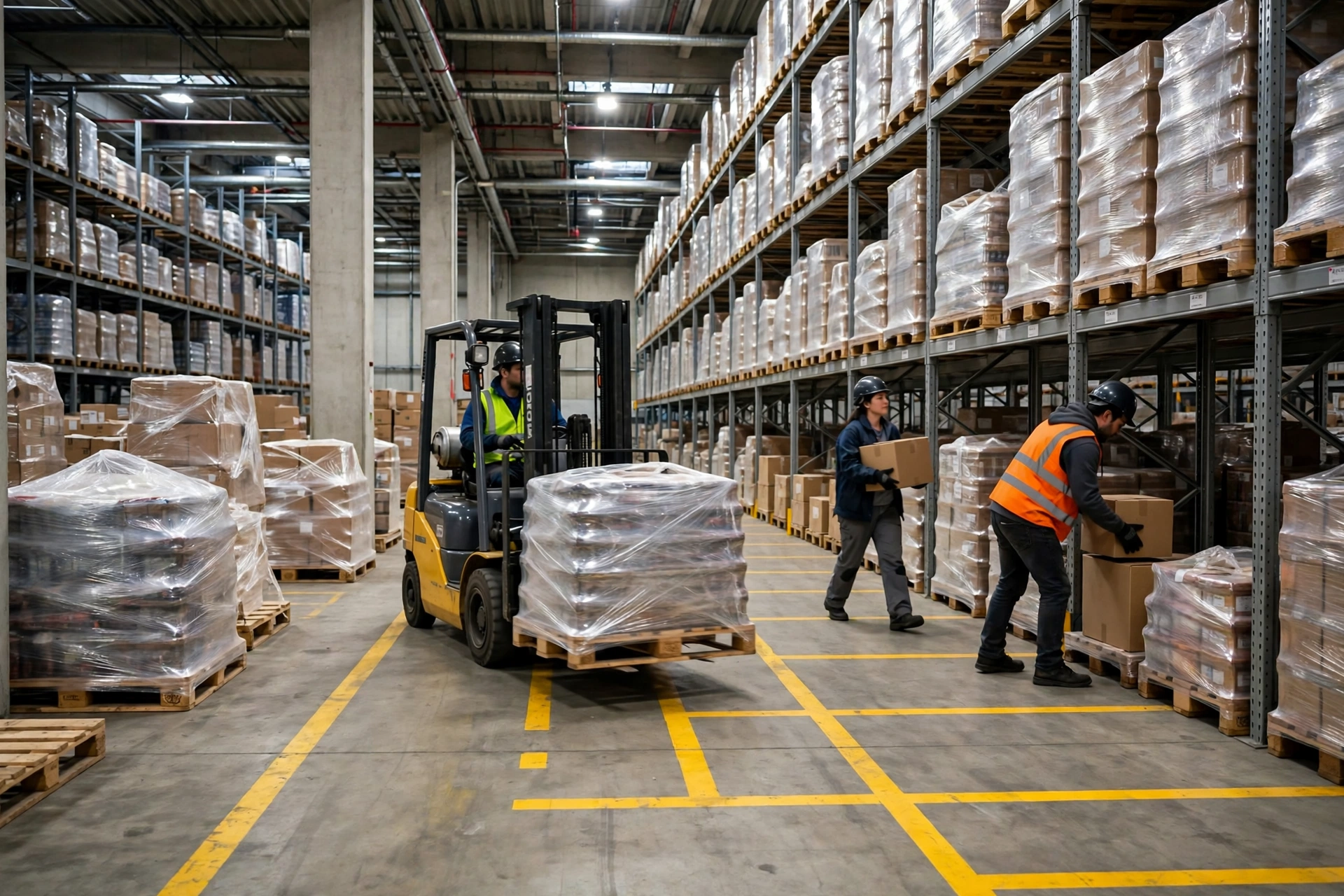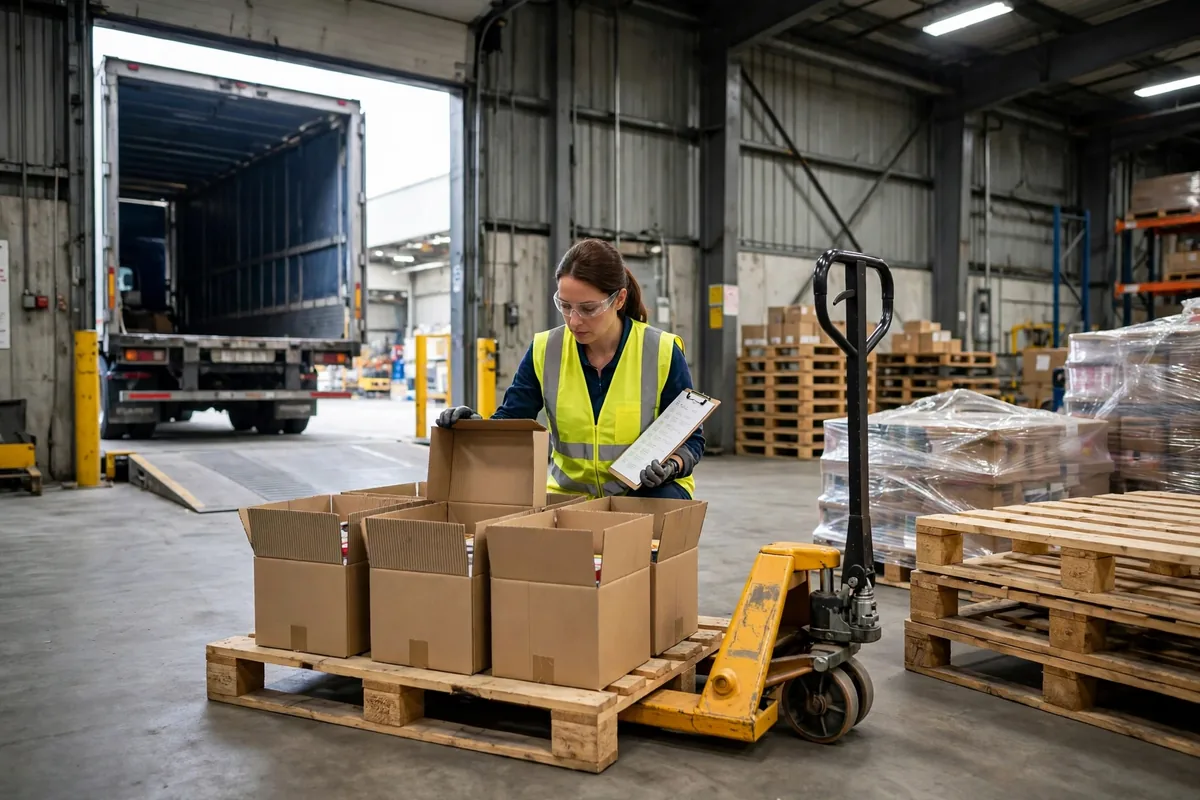
It was 7:40 on a Monday morning, the second Monday of January, and I had barely walked through the door when our dock supervisor caught me with a piece of paper in his hand and a look on his face. A truckload of returns had arrived overnight — the exact jam a weak warehouse returns reverse logistics flow design produces — and the driver had unloaded and left. The pallets sat at the dock door, blocking half the outbound lane. Pickers were walking around them, the forklift could not get through, and forty-odd outbound orders were already backed up. Here is the honest truth about returns: the worst part is not the volume. It is that they never arrive on a schedule. Nothing today, a full truck tomorrow.
Before I go further, one note: the two warehouse stories below use illustrative numbers. The volumes and dollar figures are hypothetical examples. The jam they describe is real. I see it every year. Warehouse returns reverse logistics flow design is the kind of thing nobody takes seriously until January arrives and the whole operation shows its cracks. The National Retail Federation and Happy Returns said in their 2025 report that 19.3% of online sales get returned, and returns across all channels run about 15.8% of sales, close to $850 billion in merchandise value. Those are their numbers. The lesson I take from them is simple: at that scale, you cannot run a reverse flow on habit and goodwill. It will jam.
Warehouse Returns Reverse Logistics Flow Design Starts With Three Lanes, Not One
Our first returns flow had one lane. Receive at the dock, stack it in a corner, and deal with it whenever somebody had a spare minute: open the box, inspect it, put it away. It sounded efficient. In practice it saved every problem up for one big explosion. During peak season, returns came back with torn packaging, missing parts, and clothes somebody had clearly worn, all mixed on the same pallet. The inspector opened one unit and cursed, and by the end of the day less than half of it was back on a shelf.
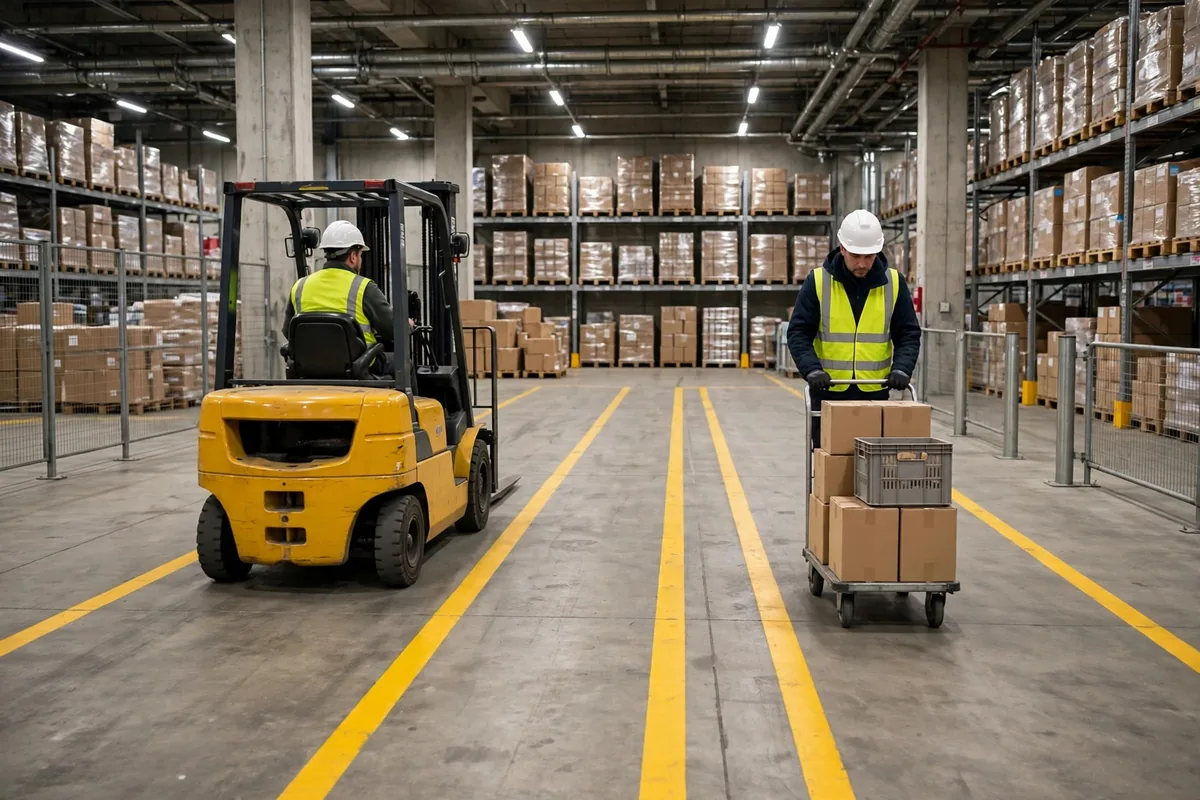
We changed it to three lanes, split at receiving. Lane one is ready to sell: packaging intact, tags still on, barcode matching the order. Lane two is fix or decide later: a missing accessory, a torn box, needs a new carton. Lane three is scrap and vendor returns: broken, stained, or out of season. The three lanes leave the dock separately, on pallets in different colors, so the forklift driver never has to ask where a pallet goes. The color tells him.
Take an apparel warehouse that sees more than twenty thousand returns in a peak month, as an illustrative example. Under the old single lane, a return sat in the corner for twelve days on average before it was back on a shelf. After the switch to three lanes, the ready-to-sell lane went back into a pick location the same day, the fix-it lane cleared within three days, and the scrap lane got handled once a week in a batch. Nobody hired extra people. The goods just stopped waiting. Returns are like that. Every extra day a unit sits in a corner, its chance of selling again drops a notch.
The QC Bench Is Where Warehouse Returns Reverse Logistics Flow Design Lives or Dies
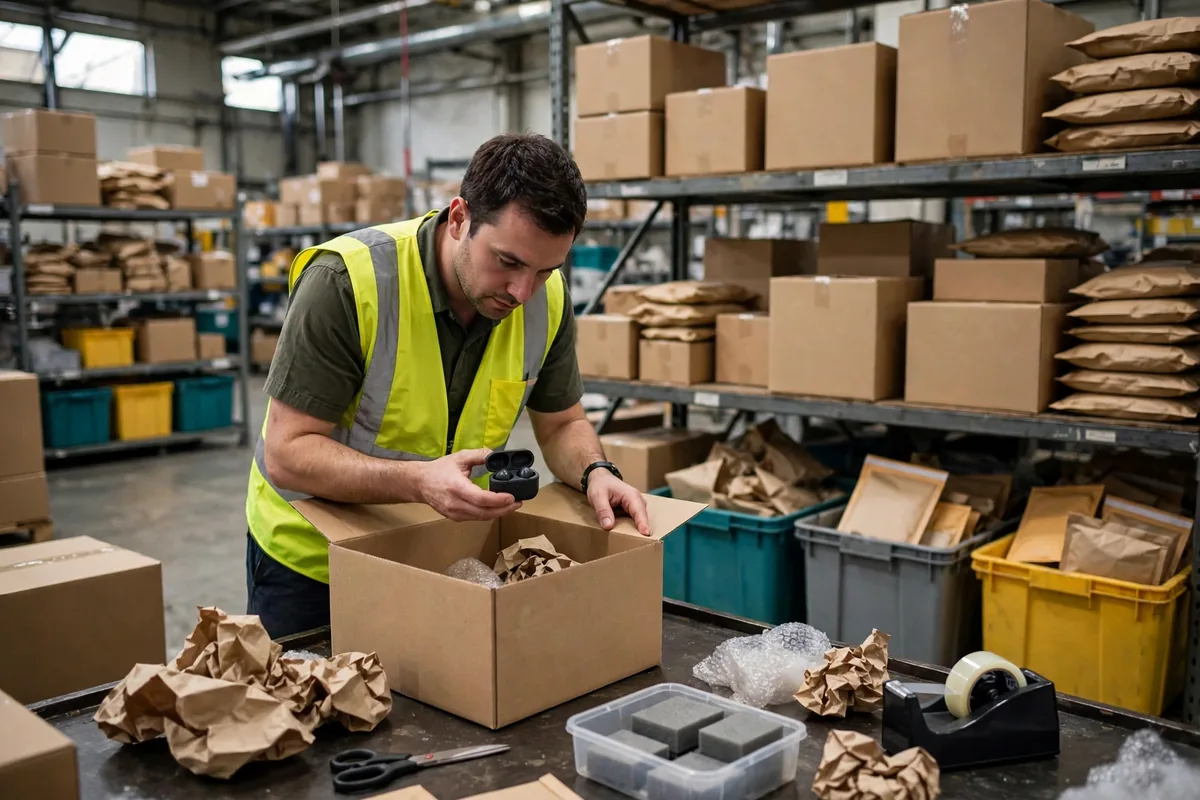
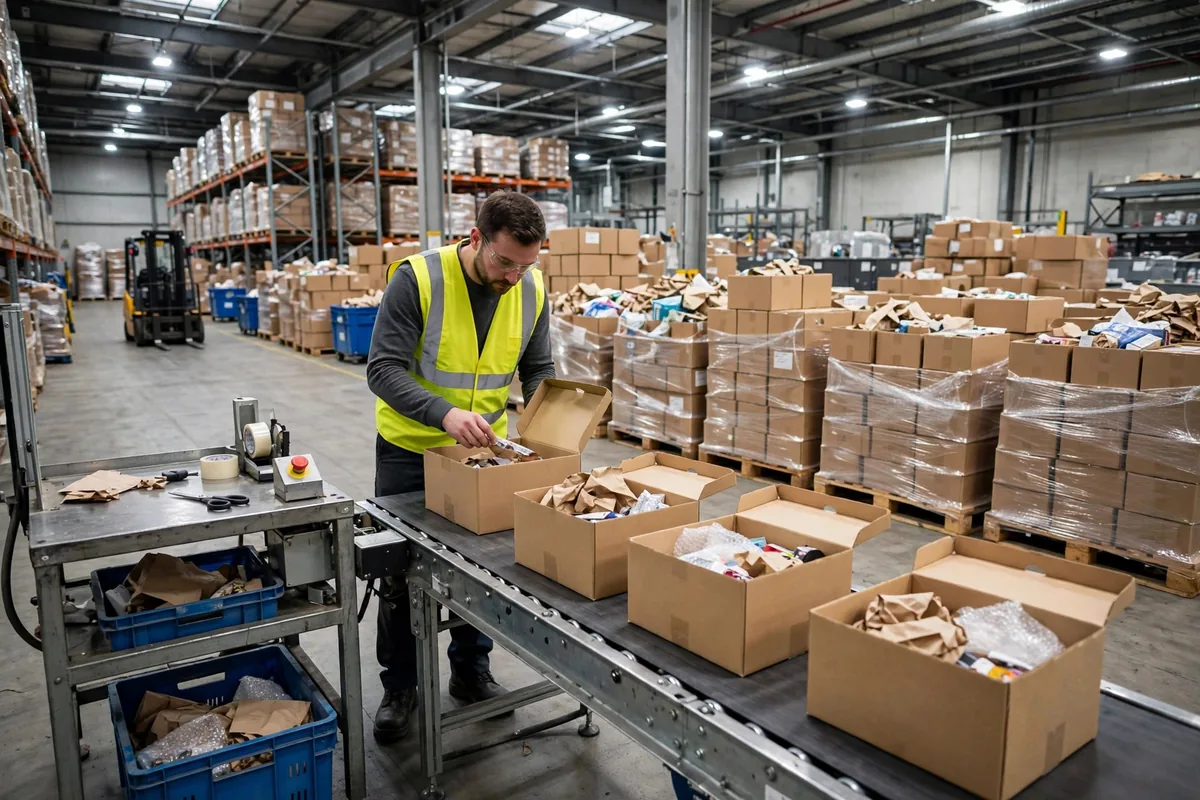
The easiest place to get the drawing wrong is the inspection bench. Plenty of people put it deep inside the warehouse, because it feels quiet there and out of the way. That is a mistake. The inspection bench is the throat of the whole reverse flow, and a throat belongs close to the dock and close to the sellable locations. Ours sits less than twenty meters from the dock. A good unit comes off the bench, rides a small cart, and is in a pick location within three minutes.
Inspection has a counterintuitive side too: stricter is not always cheaper. I watched a cosmetics warehouse set its inspection standard tighter than the factory's own, failing any bottle with a scratch on it, three minutes per unit. In a month, at least three in ten of the units they scrapped could have sold after a wipe-down. The inspectors protected themselves from blame. The warehouse paid for it in lost product value. They changed the rule: small cosmetic flaws go to a markdown area, not the scrap bin, inspection is capped at about a minute a unit, and anything uncertain goes in a hold bin that the supervisor clears at noon every day.
Run the math on one return and it gets obvious. A sixty-dollar shirt comes back. Return shipping, receiving labor, inspection, repackaging, and the wait before it is sellable again add up to roughly 15 to 30 percent of the item's original value, according to an industry returns guide's estimate. That is more than ten dollars of handling on one shirt. If inspection drags for two weeks, the season passes, and the markdown takes another bite. That is what a good warehouse returns reverse logistics flow design is really protecting: the value still left in the box.
| Cost of one return (illustrative example) | Rough amount | Can you cut it? | | Return shipping | $6 | Negotiable, but only so far | | Receiving and unpacking labor | $2 | Good triage cuts this in half | | Inspection | $2 | Clear standards stop repeat judgments | | Repackaging and materials | $1.50 | Standard cartons, no hunting around | | Markdown loss while waiting | $4 to $8 | A smooth flow saves the most here |
Putaway Is Slow Because Nobody Decides
Once the flow is drawn right, one more obstacle remains: who decides where each unit goes. In a lot of warehouses, inspectors only feel safe making two calls, sellable or scrap. The wide gray middle piles up because nobody wants to own the decision. I set one rule for our inspection team: the hold bin must be empty by 3 p.m. every day. If it is not empty, we stay until it is. That sounds harsh. It is not about being tough. A hold bin that never empties is a warehouse full of goods quietly retiring.
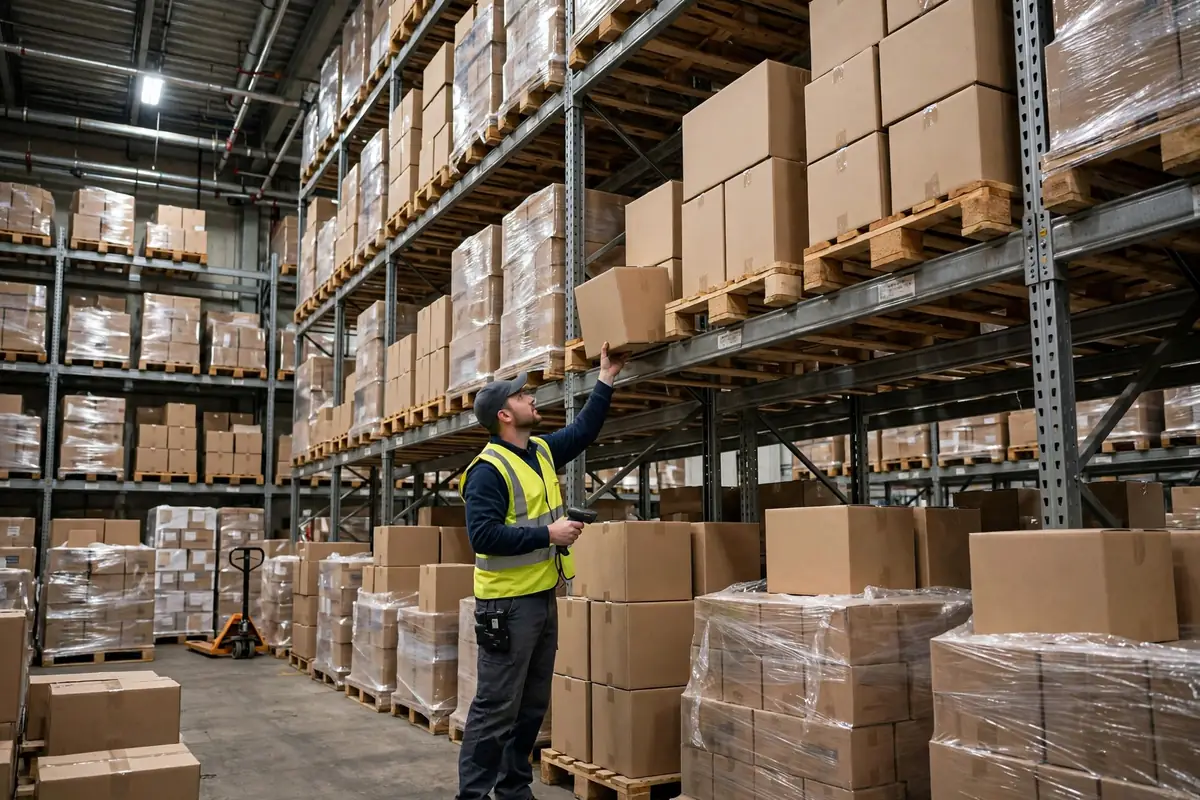
One more detail: do not let returns putaway fight outbound replenishment for the same aisle. Eight to ten in the morning is outbound peak, so returns putaway runs in the afternoon. And do not mix returned sellable stock into the same locations as fresh stock. Give returns their own sellable zone, clearly marked, so a picker recognizes it at a glance. Mix them together and you will regret it at the next count.
We have run this flow through two peak seasons now and changed it three times. Every change came from something small on the floor: pallet colors nobody could tell apart, so we changed them; a bench light too dim, so we added one; a hold bin nobody cleared, so we set the 3 p.m. rule. A flow diagram on the wall is worth nothing. You only learn where it jams by running it.
If you are about to draw your own warehouse returns reverse logistics flow design, walk one truckload of returns from the dock to the shelf first. You will see exactly where the dock blocks, where the bench stalls, and where the hold bin grows. Draw the map after the walk, not before it.
By Chen Feng, Warehouse Operations Manager