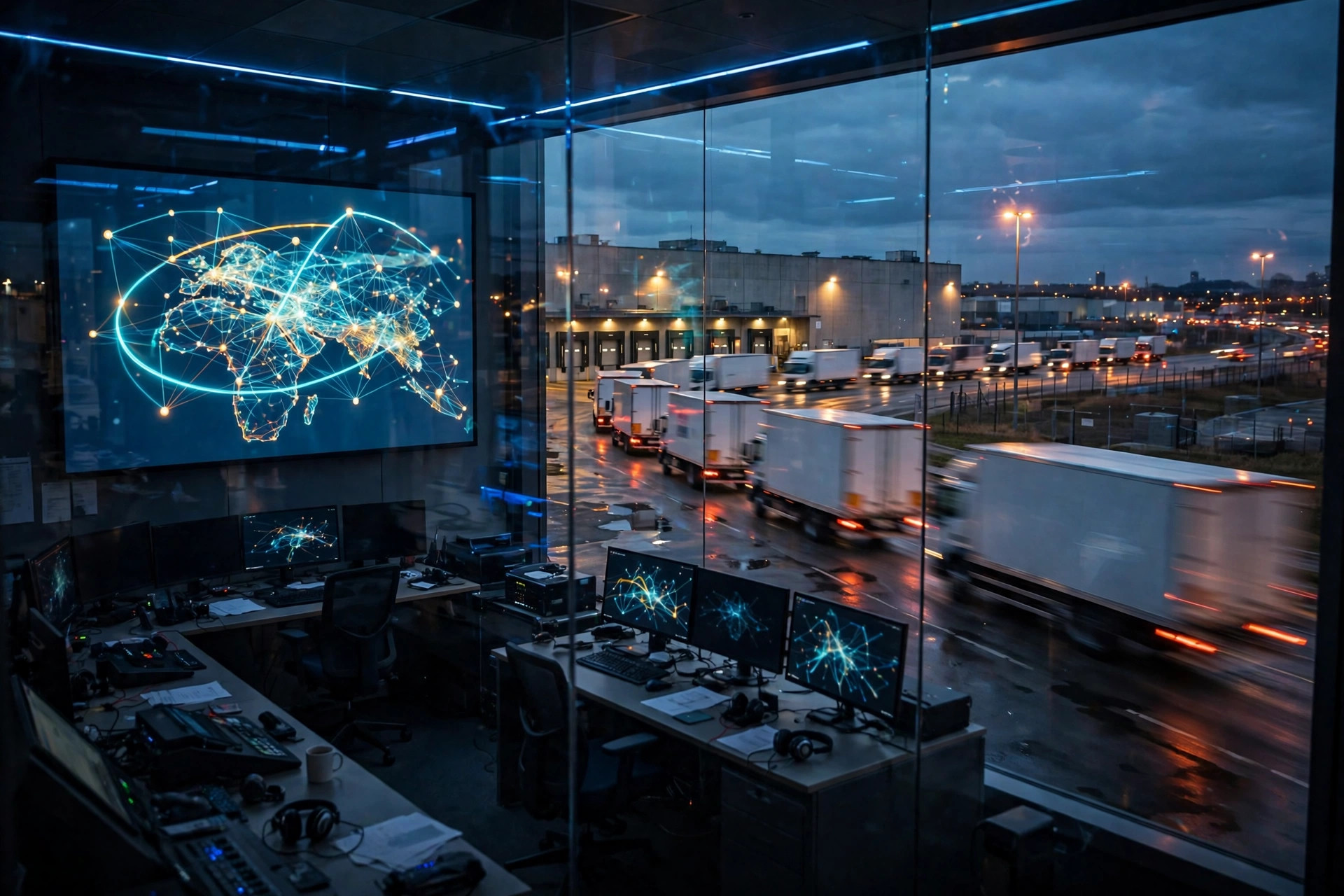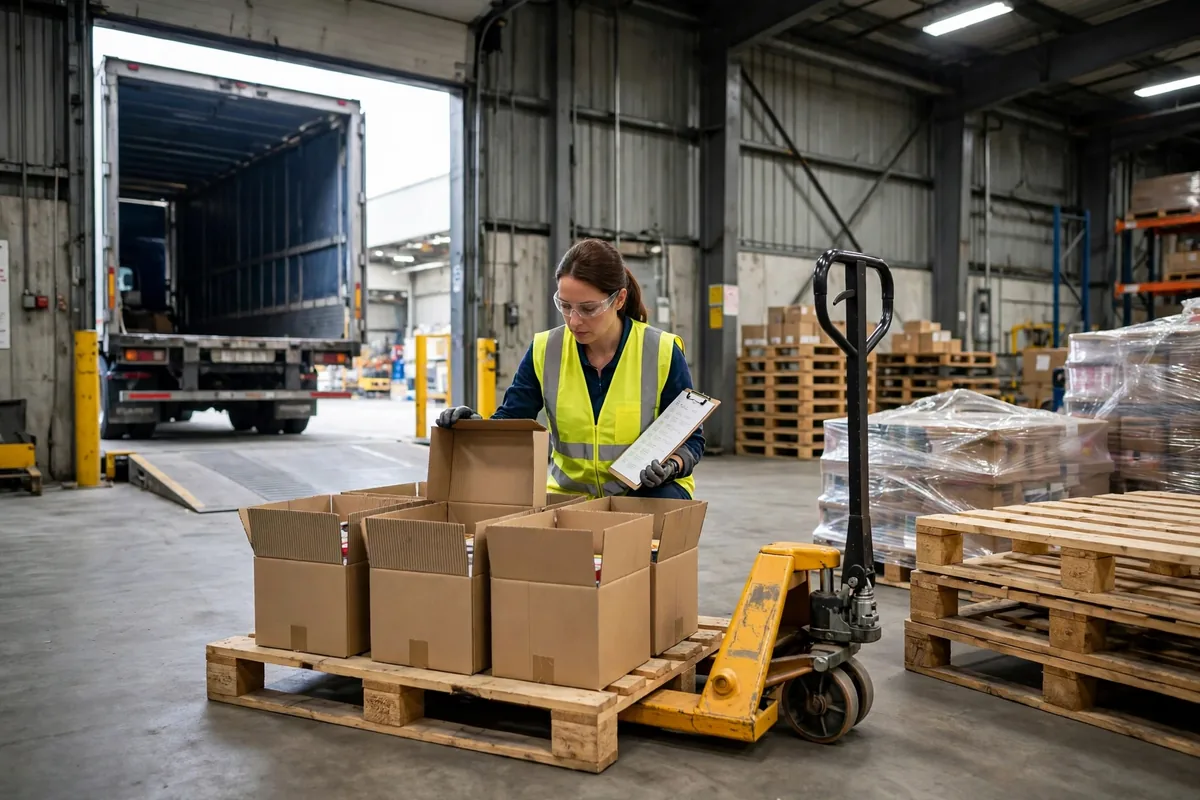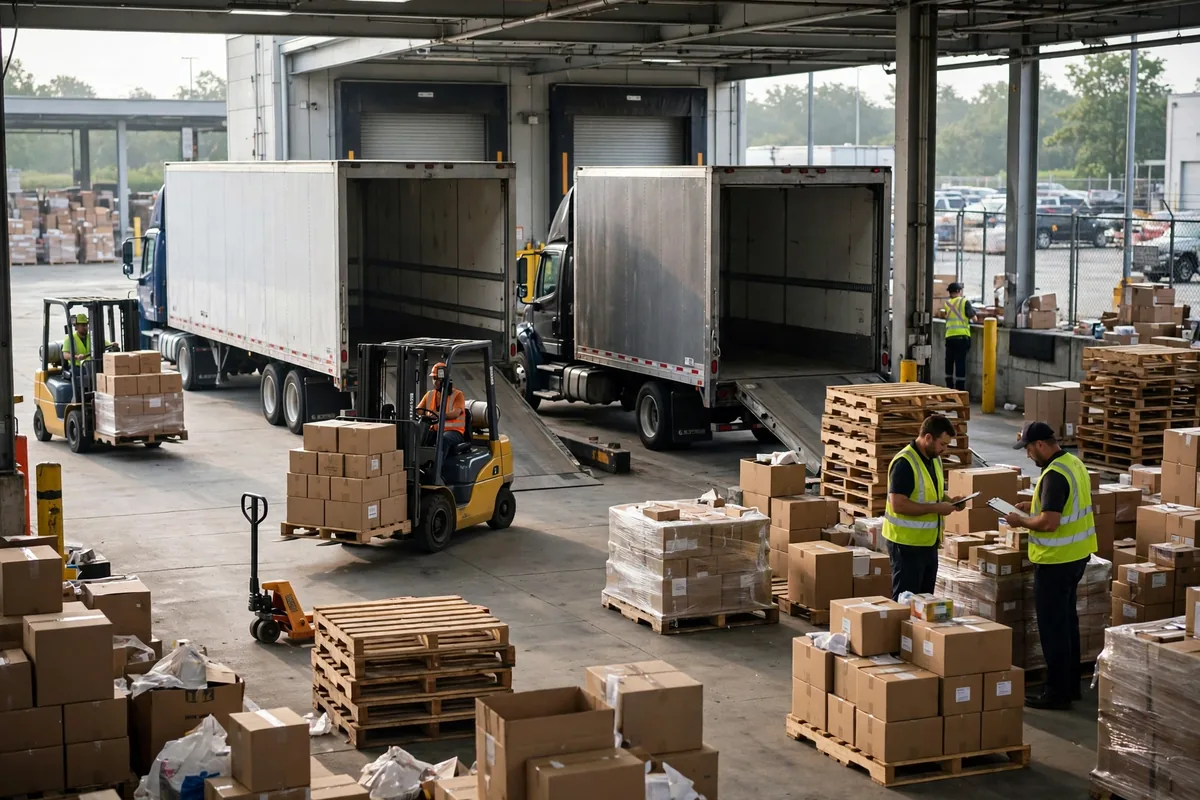
The warehouse returns receiving dock scheduling problem was standing in front of me at Dock 4 at 7:40 on a Tuesday morning in peak season, and my coffee was already going cold. Three inbound trucks were already backed into the doors. A fourth was idling in the yard, driver leaning out the window, asking where he was supposed to go. And behind him, a returns truck, full of customer returns from the weekend, was trying to squeeze into the same lane.
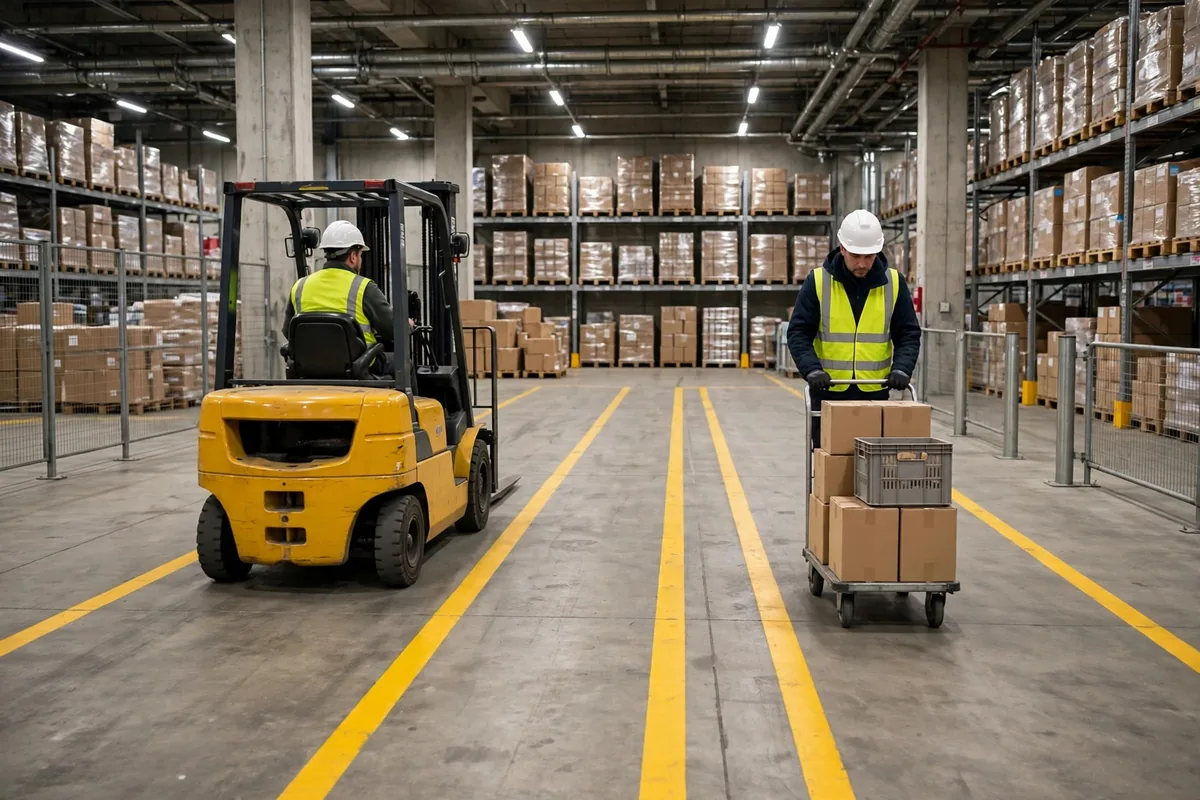
The forklift driver waved me over. "Boss, which one first?" Good question. The inbound crew needed the doors. The returns crew needed the doors. Quality inspection needed a corner of the same dock to open boxes. Everybody was right, and everybody was in everybody's way. Say what you will about warehouse returns receiving dock scheduling — most of it is just deciding, before the trucks show up, who gets the door and when.
Warehouse Returns Receiving Dock Scheduling Starts With One Honest Count
We used to argue about this with opinions. Then one slow Thursday I had the team count. In one eight-hour shift we had 14 inbound deliveries and 9 returns arrivals sharing six dock doors. Returns took, on average, almost twice as long per truck as inbound, because every pallet had to be opened, counted, and graded. Nobody had planned for that. We had scheduled the dock as if a truck were a truck. It is not.
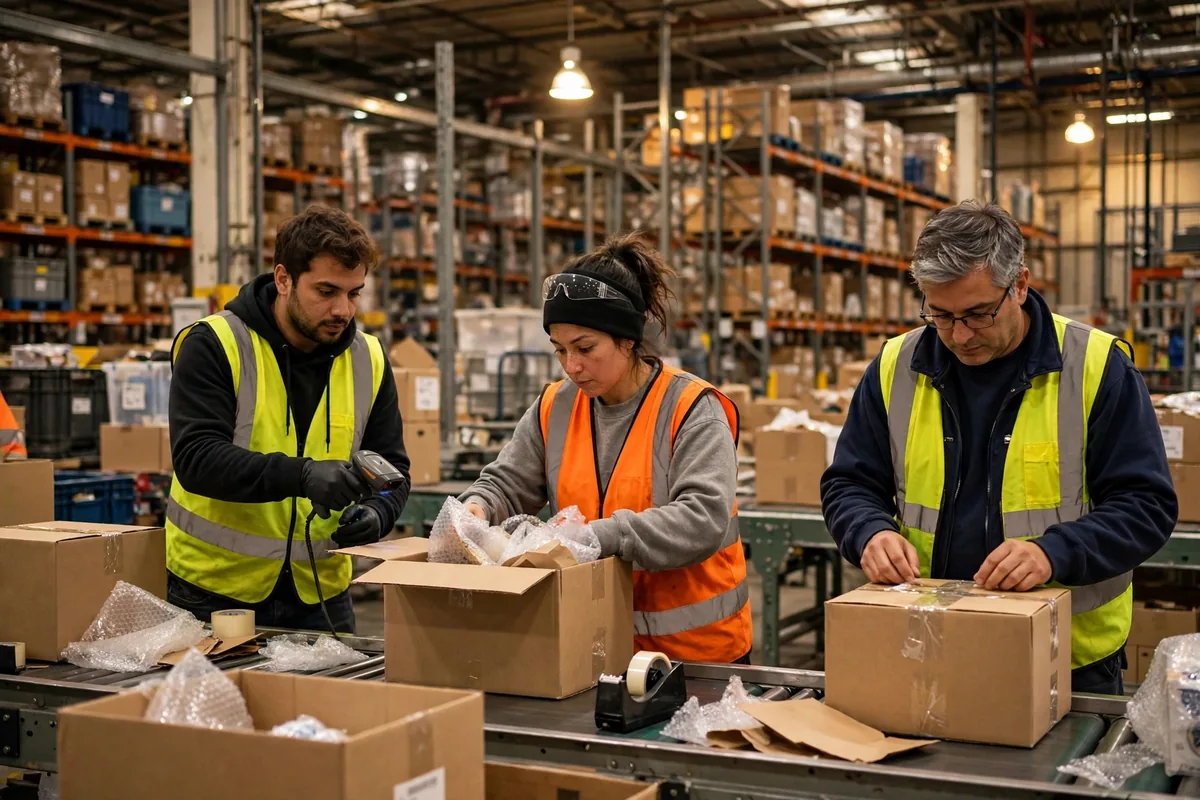
Here is the uncomfortable truth: returns receiving is slower, messier, and less predictable than inbound receiving, and it still gets treated like the poor cousin. Inbound has a purchase order, a packing list, a clean count. Returns have a customer who says the shirt was the wrong size, a box with three items in it, and a warehouse worker trying to figure out whether the thing is resellable, repairable, or trash. You cannot run that through the same door at the same speed and expect peace.
The second thing we counted was the cost of the fight. When a driver waits two hours at the gate, he tells his dispatcher. When it happens three times, the carrier starts charging detention or simply refuses the lane. I have watched a good carrier walk away over dock delays that cost us less than a day's labor to fix. The dock is not just concrete. It is a promise you make to every truck that shows up.
Three Ways to Share the Dock, and What Each One Costs
We tried three fixes over two peak seasons. None of them is free, and anyone who tells you otherwise has never run a dock.
The first fix was time-slot staggering, and it is still the one I recommend to most warehouses. Returns get the early window, inbound gets the late window, or the other way round — the direction matters less than the fact that the two flows never arrive at the same hour. In our building, returns run 6:00 to 10:00 in the morning and inbound takes over from 10:00. Returns crews finish grading before the big inbound wave, the dock gets swept once, and the forklifts stop playing chicken in the aisle. The cost is real: somebody has to start at 6:00, and your returns team will grumble for the first two weeks. The payoff is that the morning chaos simply stops.
The second fix was a dedicated returns dock. We gave returns one door of their own, with a grading bench and a quarantine cage right behind it. It works beautifully — until volume spikes and that one door becomes a bottleneck while the other five sit half empty. A dedicated door is a luxury. It makes sense when returns are more than about a quarter of your daily truck count. Below that, you are paying rent on a door that spends half the day idle. We kept ours for peak season only and gave the door back to inbound in the slow months.
The third fix was appointments. Every carrier books a slot before the truck rolls. It sounds like paperwork, and it is, but it is the only fix that stops the 7:40 pile-up at the gate. The hard part is not the software — a shared spreadsheet will do for a small warehouse. The hard part is saying no to the driver who shows up two hours early and expects you to drop everything. We learned to hold the line kindly: coffee, a waiting area, and a firm time. Drivers respect a schedule they can see. They hate a queue they cannot.
The Returns Receiving Dock Scheduling Timetable We Actually Use Now
Here is the template we run today. Steal it, change the hours to fit your building, and stick it on the dock office wall.
| Time window | Dock doors | Flow | Who is in charge |
|---|---|---|---|
| 6:00–10:00 | Doors 1–2 | Returns receiving and grading | Returns lead |
| 10:00–13:00 | Doors 1–4 | Inbound receiving, big wave | Receiving lead |
| 13:00–14:00 | Doors 1–2 | Dock sweep, quarantine clear-out | Shift lead |
| 14:00–18:00 | Doors 3–6 | Inbound receiving, second wave | Receiving lead |
| 18:00–20:00 | Door 1 | Late returns and exceptions only | Duty manager |
The 13:00 hour looks wasteful on paper, but it is the quiet engine of warehouse returns receiving dock scheduling. It is the best hour in the schedule. That is when the quarantine cage gets emptied, the damaged goods get photographed and logged, and the dock gets swept. Skip it for a week and the dock slowly turns into a storage area, which is how you end up with forklifts dodging pallets that should have left days ago.
One more thing the table does not show: we assign one named person per window, not one team. When something goes wrong at 9:00, there is a name on the wall. That person can move a truck, call a carrier, or pull a second forklift. Shared responsibility at a dock means no responsibility, and I have the incident reports to prove it.
The Morning It All Jammed — and What I Decided on the Spot
The worst morning I remember was a peak-season Monday two years ago. By 8:00 we had five trucks in a yard built for three, a returns truck blocking the inbound lane, and two drivers arguing loud enough that the office could hear it. The inbound supervisor wanted the returns truck moved. The returns lead said there was nowhere to move it to. The quality inspector was standing in the middle of the dock with a clipboard, waiting for someone to give her floor space.
I made a call that felt wrong at the time: I stopped all inbound receiving for forty minutes, cleared one door, and let the returns truck unload first. The inbound supervisor was furious. But the returns truck had been there since 6:30, its driver was already past his patience, and one cleared door broke the jam for everybody. By 9:30 the yard was empty and inbound was running again. The lesson was not that returns always win. The lesson was that somebody has to decide, fast, and out loud. A dock with no decision-maker is just a parking lot with forklifts.
After that morning we wrote the rule down: when the yard is full, the duty manager decides in five minutes, the decision is announced over the radio, and nobody re-argues it on the dock. Argue in the office afterwards if you want. On the dock, we move freight.
If you take one thing from this, make it this: your dock schedule is not a piece of paper. It is the deal you make with your own people and with every driver who shows up. Write it down, put a name on every window, protect one hour a day for clearing the mess, and decide fast when it jams. Your forklift drivers will stop asking which truck goes first — and that, brothers, is what a quiet dock sounds like.
By Chen Feng, Warehouse Operations Manager