Three in the morning, the phone rang. A customer wanted to know where his shipment was. I told him to hold on while I asked the driver. The driver did not pick up, so I called the carrier dispatcher, who said the truck was on the road somewhere, and he did not know exactly where either. That night I stood by the office window, looking out at the dark dock, with one thought in my head: the moment a shipment leaves our building, it disappears. We had no in-transit visibility warehouse system at all, no live status, no milestones, just phones. We cannot keep working like this.
To be honest, in-transit visibility sounds like a software company's problem. Screens in an office, little dots moving on a map, it all looks impressive. But anyone who has worked a warehouse floor knows the truth: when freight goes dark on the road, the warehouse pays for it. The customer cannot find the shipment, so they call customer service, service calls the warehouse, and the warehouse chases the driver. Half an hour of phone calls later, nobody knows any more than they did at the start.
In-Transit Visibility Starts on the Dock, Not on a Screen
A lot of people think in-transit visibility means buying a system, plugging in a carrier feed, and watching trucks on a map. I thought so too, at first. Then I learned the hard part: the system can only show what the warehouse gets right first. If nobody scans the shipment as it leaves, the system has no departure time. If the wrong label goes on a carton, the system shows a different shipment than the one on the truck.
In September 2024, peak season was just starting and we were shipping more than 1,800 orders a day. Customer service was getting hammered, more than 90 calls a day asking the same question: where is my shipment? Lao Li, a veteran with 12 years on our floor, took two new hires and did nothing but answer those calls for three days. Then he came to me and said, boss, we cannot keep doing this. That night I did the math. Three people, half a day each, spent entirely on callback duty.
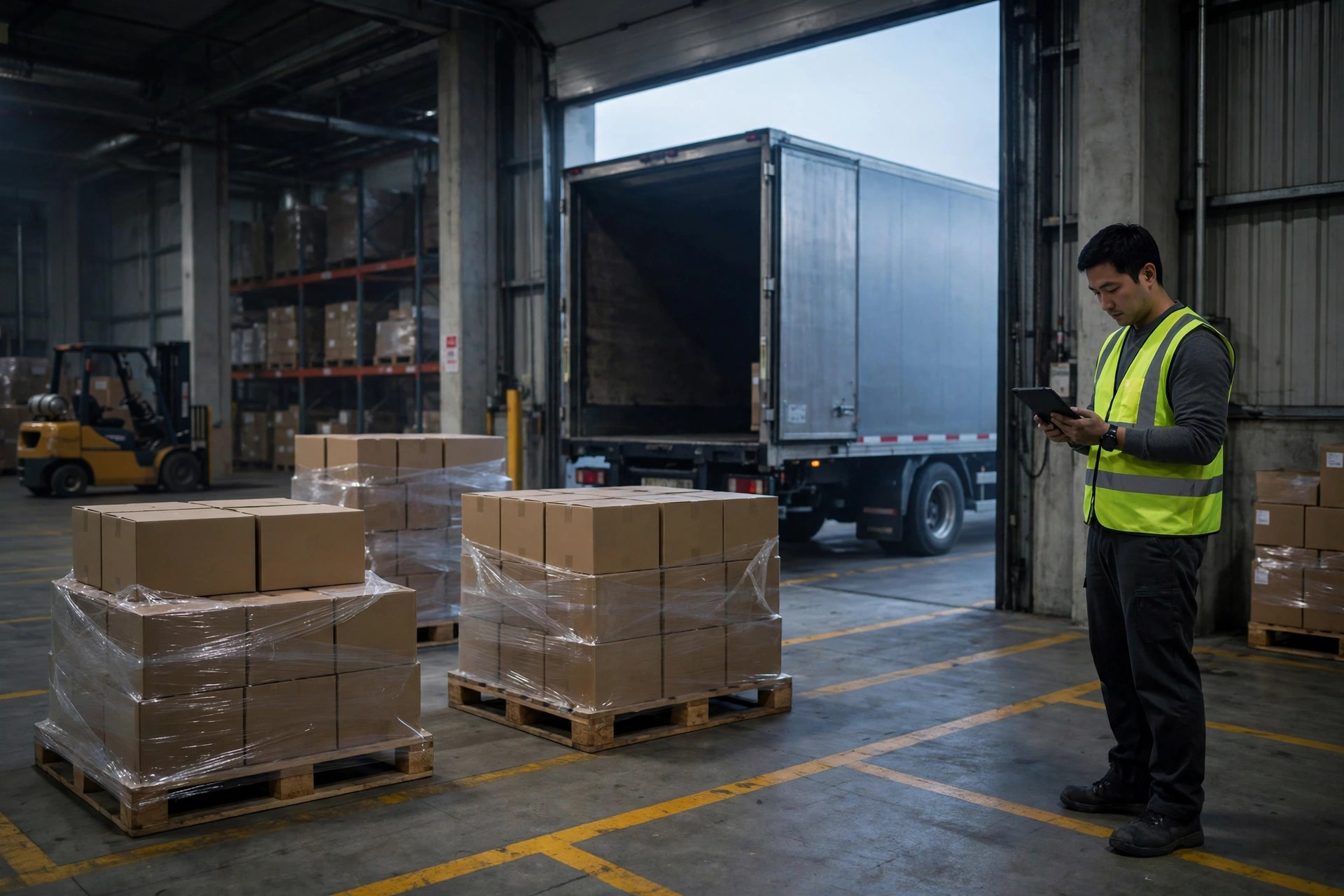
We did not start with the system. We started with the moment the truck leaves. It used to be that the forklift loaded the freight, the driver signed a paper, and the truck rolled out. Scanning happened when someone remembered. Now the rule is absolute: no scan, no gate. Every shipment gets scanned at the door before the truck moves. Drivers complained for two days. By day three the complaints stopped, because service calls dropped and drivers stopped getting chased by our phone calls too.
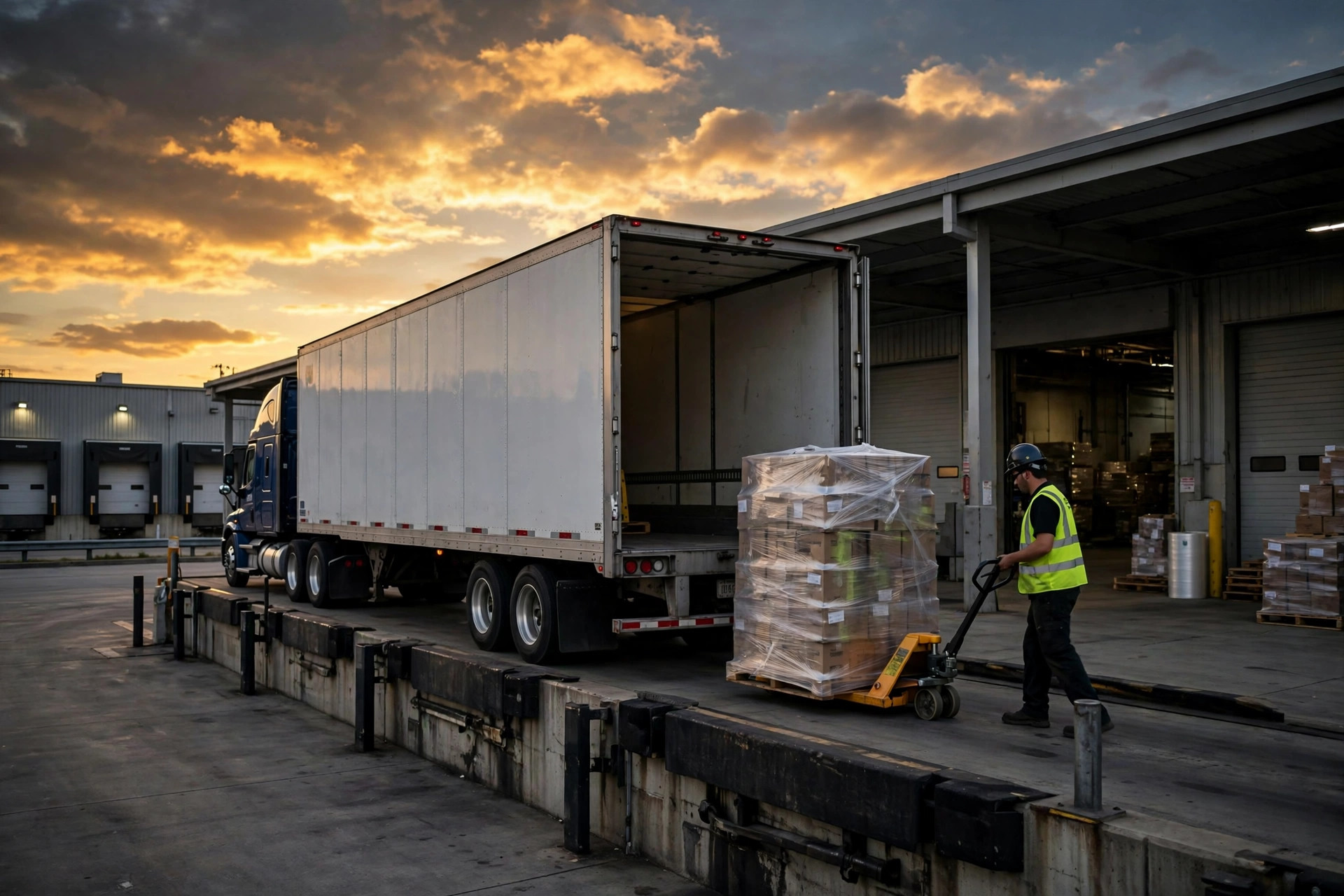
The second change was the handover sheet. Drivers used to get a handwritten list, hard to read, impossible to reconcile later. Now the handover prints in duplicate, one copy for the driver and one for us, showing the tracking number, piece count, weight, and the consignee's phone. Before the driver signs, we count the pieces together. If one is missing, we find out at the door, not at the customer's dock. Then one day a 120-piece load came up two short at the gate, the driver counted it out on the spot, and we topped it up right there. Under the old way, that shortage would have surfaced at the customer, days later and much harder to fix.
| Stage | How we used to do it | How we do it now | What the customer sees |
|---|---|---|---|
| Dock scan-out | Scan when remembered | No scan, no gate | Departure time, plate, tracking number |
| Carrier handover | Handwritten sheet | Printed handover, pieces counted | Carrier accepted, estimated arrival |
| Transit milestones | Call the driver | Carrier milestones feed in, exceptions flagged | Arrived at hub, out for delivery |
| Customer enquiry | Service calls the warehouse | Customer checks first | Live status, estimated time, exception note |
To be honest, this table looks simple, and every row behind it came from an argument. The no-scan-no-gate rule took two fights with the fleet supervisor to settle. The system was bought. The rules were fought for. Without the rules, the system is furniture.
The Day Calls Dropped by Half, I Started Believing in In-Transit Visibility
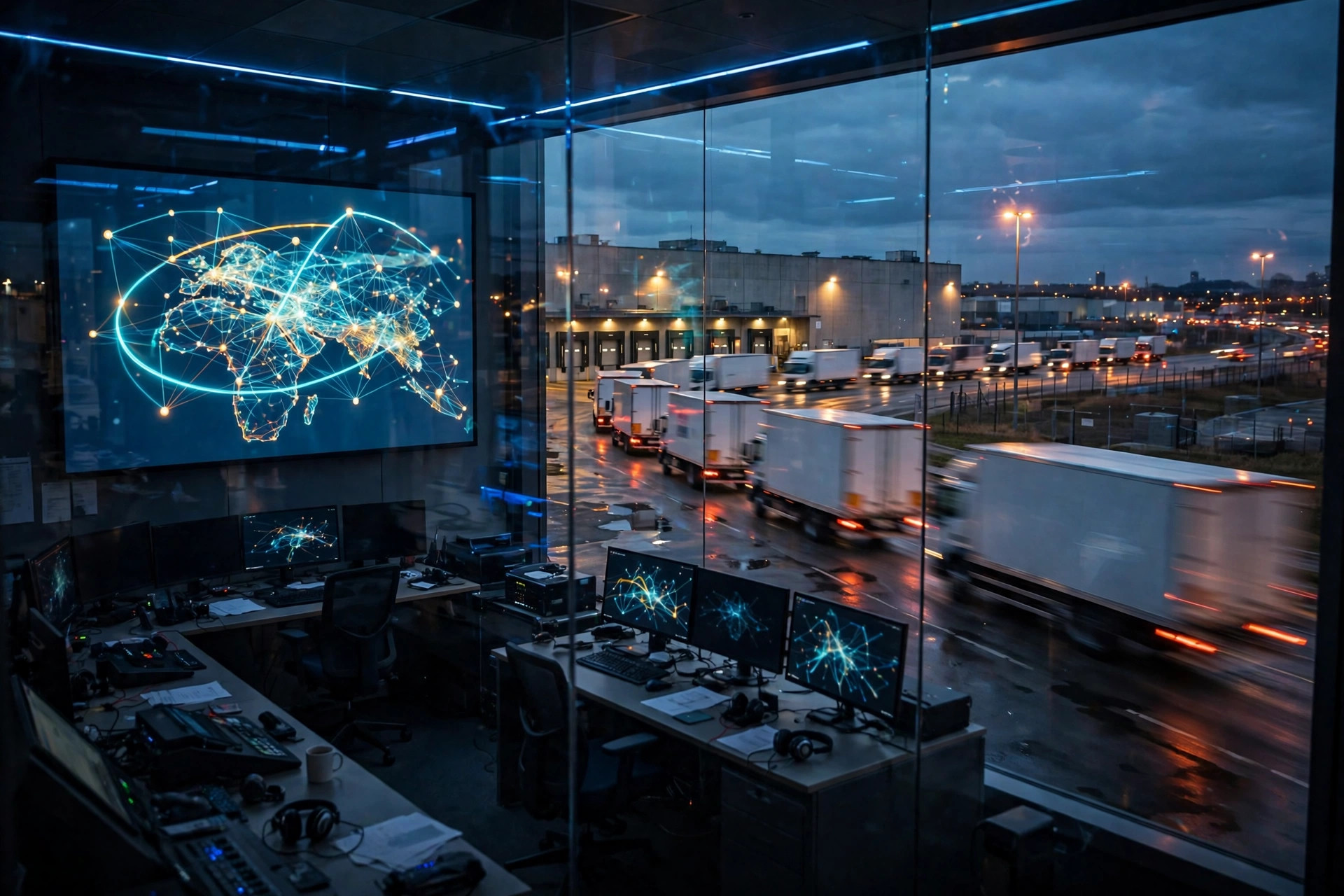
Once the dock and handover fixes were in, we connected the carrier milestone feeds. Hub arrival, departure for the last-mile station, delivery start — the system shows each one. Customers could check for themselves, and the service calls fell from more than 90 a day to around 40. Lao Li finally had time to help a new hire with putaway.
But it was not that simple. Visible is not the same as accurate. One customer checked his tracking and saw his shipment sitting at a hub for three days without moving, so he called us, angry. I checked, and the milestone was three days old. The truck had moved on long ago, but the carrier never updated the event. When a customer sees nothing, they wait. When they see wrong information, they think you are lying to them. The worst thing in-transit visibility can do is show bad data with confidence.
Our fix now is to timestamp every milestone. Anything older than 24 hours without an update gets flagged as awaiting confirmation, and service checks it before the customer sees it as fact. And we never publish an estimated arrival time we invented ourselves. We publish only the carrier's estimate. A guessed time that turns out wrong makes a customer wait by the door for a truck that never comes, and the anger is worse than the delay.
Here is the counter-intuitive part: fewer calls did not automatically mean happier customers. Some customers stopped calling because they stopped ordering. One long-time customer went quiet for two months, and when I called him he said, your freight was impossible to track, so I switched to someone whose freight I can see. That woke me up. An in-transit visibility warehouse system is not a nice extra. It is something customers ask about before they place the order. These days the first question in a new business conversation is often: can I track my shipment live with you? If you cannot answer that, the order walks away.
Here is the math I showed our owner, a hypothetical worked example using our own warehouse numbers:
Hypothetical example: in peak season we ship 1,800 orders a day. Enquiry calls used to run more than 90 a day, each taking about 8 minutes, which ate half a day for three service staff. Calls fell to around 40 a day, saving roughly 400 minutes a day, close to one full person's working day. That time went to real exceptions: stuck shipments, late carriers, customers who needed a call first. The money went to scanners and feeds. The real value was those hours.
How Our Warehouse Runs In-Transit Visibility Now
The rules are on the wall now, and every new hire learns them on day one. Scan out every load, or the gate stays shut. Count the pieces at handover, or nobody signs. A milestone older than 24 hours gets checked by service the same day. Exceptions run on three levels: under 4 hours late, the system messages the customer automatically; over 8 hours late, service calls; a lost or damaged shipment gets a call from a supervisor the same day, never the next.
Night shift has its own rule. Between midnight and 6 a.m., the duty lead checks the exception board every hour. Any shipment past its expected hub arrival, any milestone frozen for more than 12 hours, gets written down and handed over at the morning shift change. Night shift used to wait for the phone to ring. Now it watches the board.
The arguments with drivers have dropped too. A missing carton used to mean suspecting the driver, and the driver felt blamed for something he did not do. Now we have the scan record, the signed handover, and the milestone times. We can see exactly where a shipment went missing, and the blame lands where it belongs.
Fellow operators, here is what I would tell you: the job is only half done when freight leaves the building. We used to think the shipment was someone else's problem once it rolled out the gate. I do not think that way anymore. When freight is visible on the road, customers relax and the warehouse breathes easier. If your warehouse still chases freight by phone, put the scan and handover rules in place in the slow season, not in peak season. When you are pushing 1,800 orders a day, it will be too late to change.
By Chen Feng, Warehouse Operations Manager