Let me tell you about a night shift — the night our ASRS inbound and outbound throughput collided.
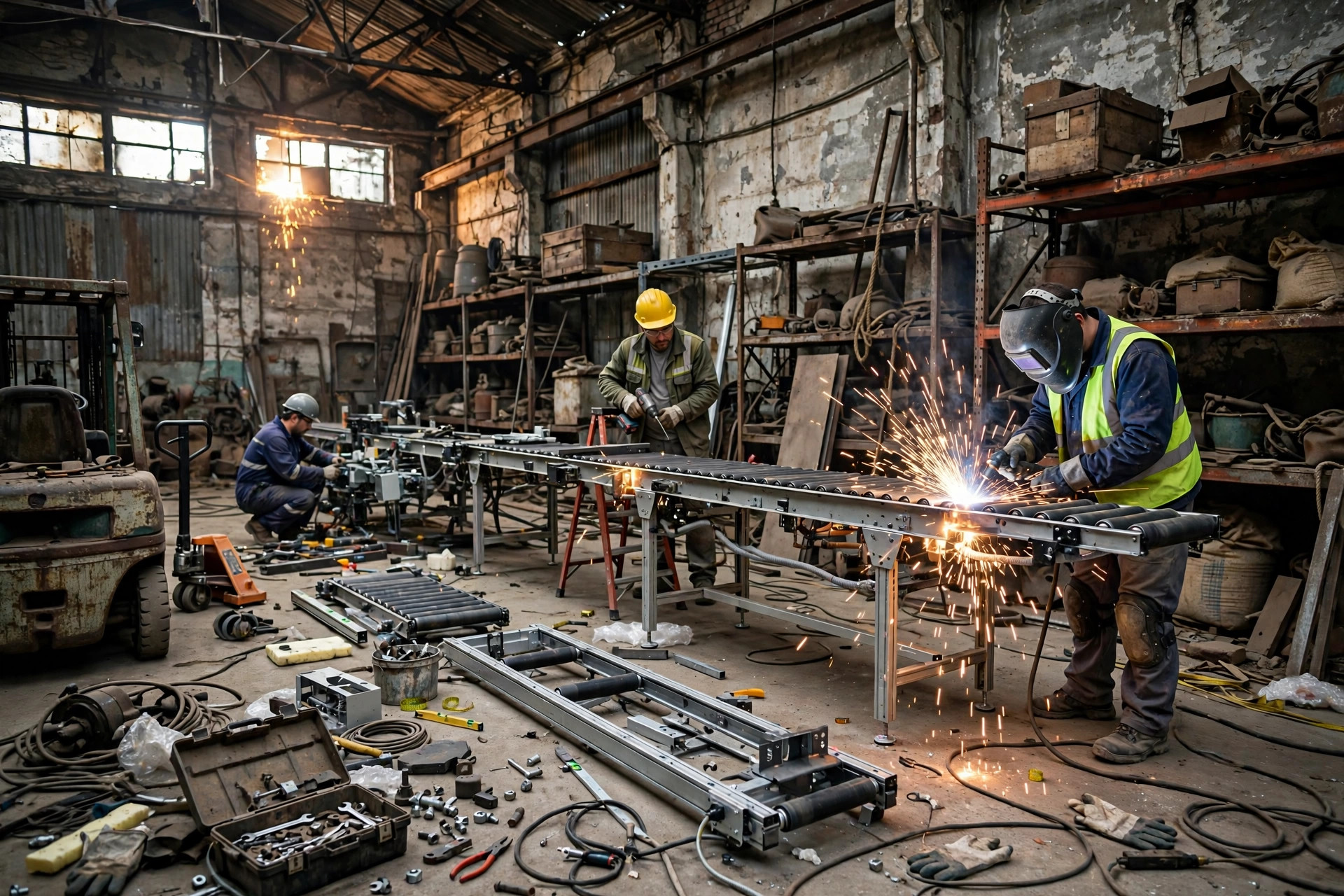
It was the week before Singles' Day last year, 11:40 at night, and I was standing at our ASRS inbound dock staring at a mess. Fourteen pallets sat on the inbound conveyor, not moving. Three waves had dropped at once and the cranes had no time for inbound. A forklift driver had waited 20 minutes. The shift supervisor came over: "Feng, the inbound dock is jammed. What do we do?" I had one thought: it is not the equipment. The inbound and outbound rhythms had collided.
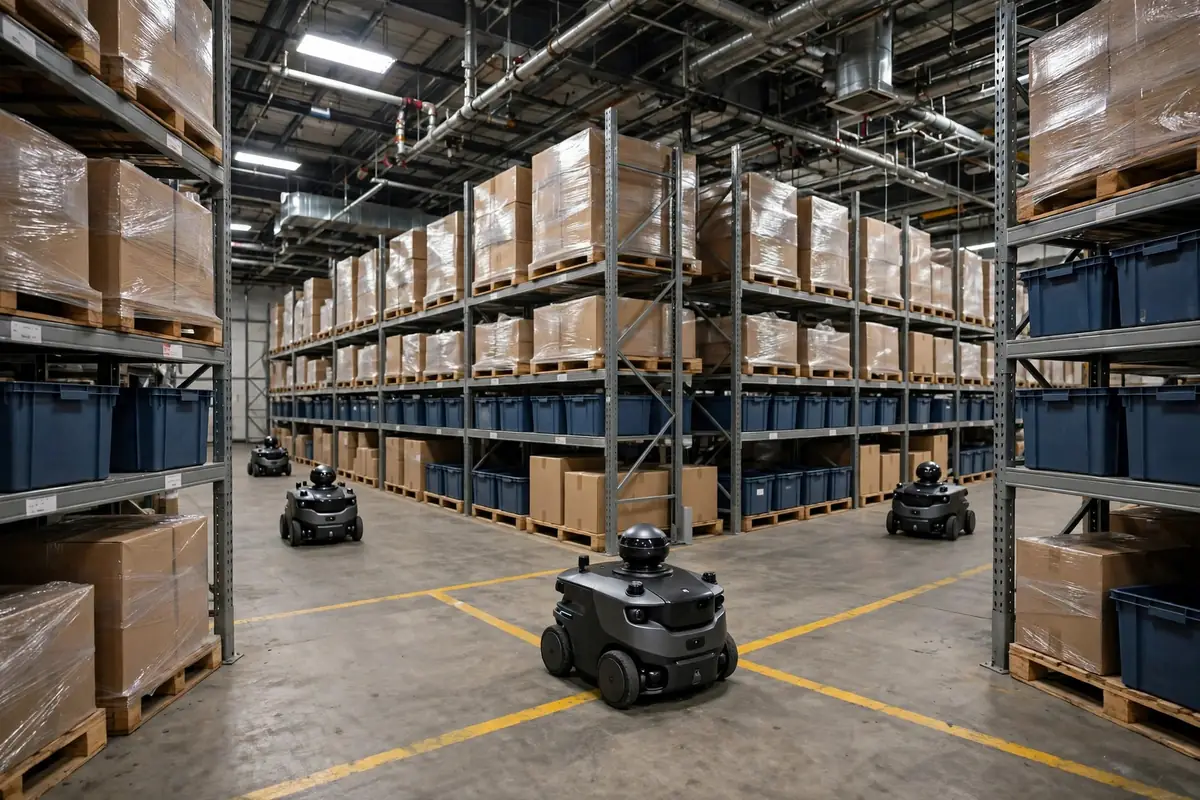
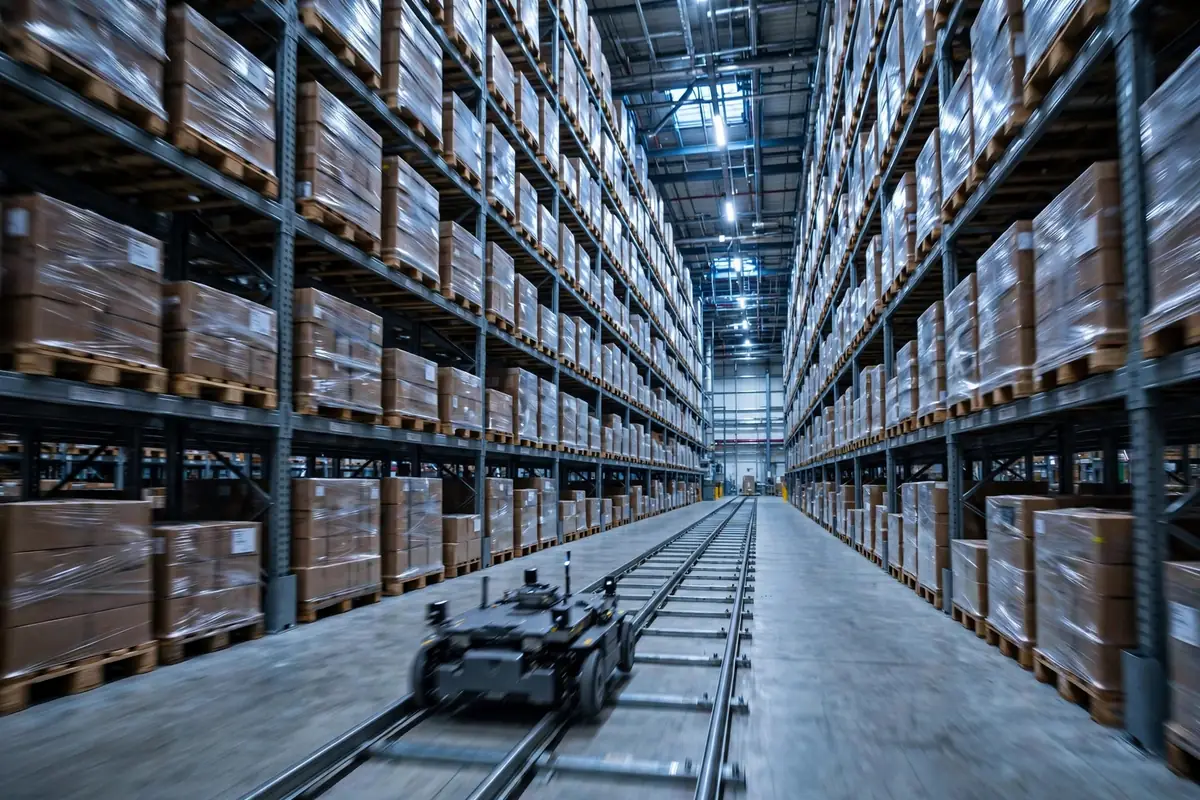
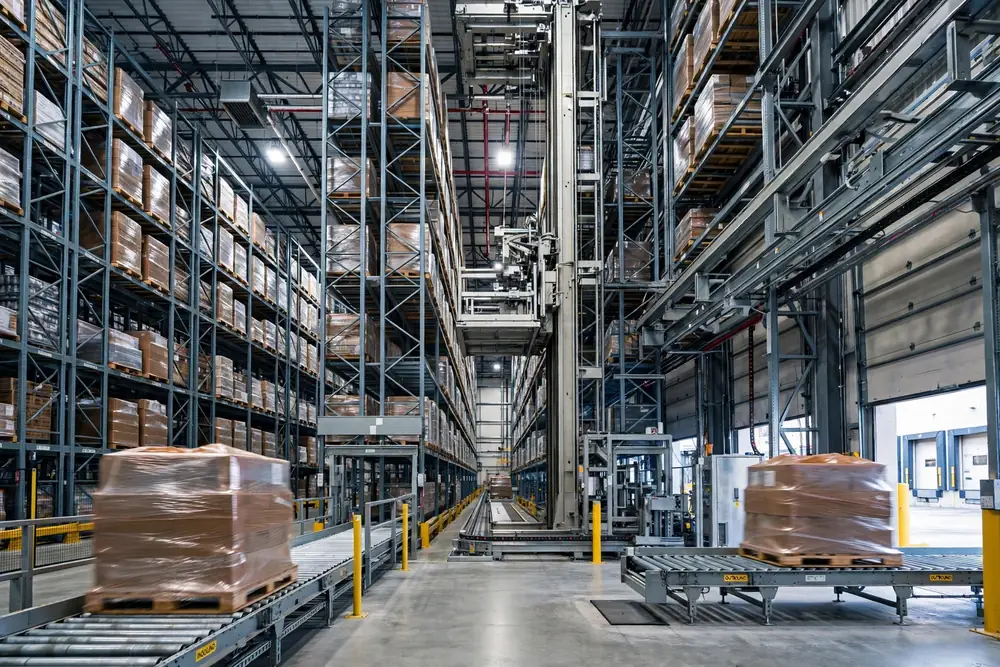
An ASRS runs inbound and outbound on one set of cranes and one set of conveyors. When the inbound peak hits the outbound peak, both sides fight over the same machines, and of course it jams. That night, a whole day of deliveries all came in at once, and the outbound waves ran 11 at night to 1 in the morning. The inbound dock froze for 40 minutes.
Where the inbound jam actually forms
A jam is never one thing. That night, three problems piled up.
First, inbound inspection was slow. Every delivery had to be spot-checked, batch numbers verified, barcodes scanned — about 3 to 5 minutes per pallet (illustrative scenario; it varies a lot by product). Four minutes a pallet, ten pallets, that is 40 minutes. Two people on the bench, and the queue just kept growing.
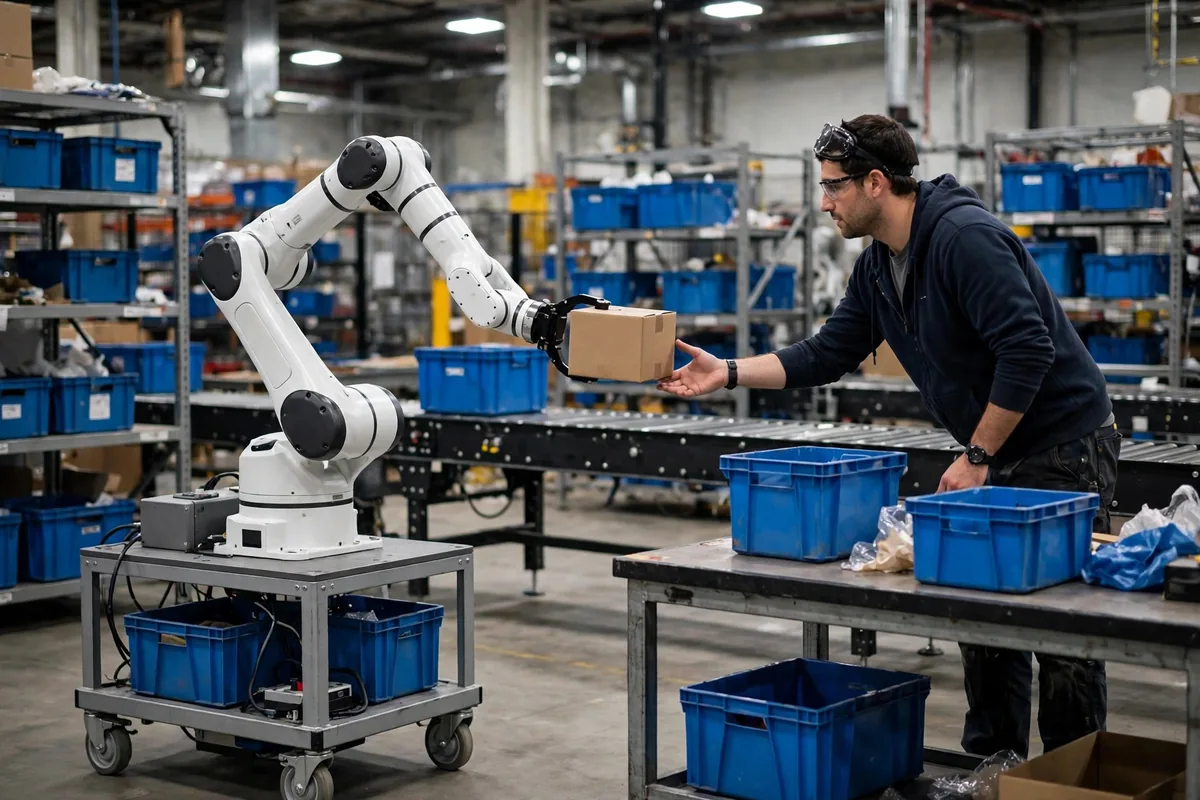
Second, the pallets did not match. Suppliers sent wooden pallets, plastic pallets, 1200×1000, 1100×1100, plus a few damaged ones that had to be swapped on the spot. An ASRS only takes standard pallets, and anything else has to be manually re-palletized — 5 minutes minimum per pallet. That night we re-palletized 9 pallets by hand.
Third — and this one hurt the most — the outbound waves all dropped at once. Our waves run on customer cutoff times, and three big customers all cut off at 11:30 at night. The moment the waves dropped, every crane went to outbound work. Inbound tasks sat in the queue at low priority: outbound has more work, inbound can wait. So the pallets at the inbound dock just sat there.
Those three together, and the inbound dock never stood a chance. And a jam spreads: the inbound dock jams, trucks cannot unload, drivers queue outside, the receiving area jams too. One blocked door, and half the warehouse slows down with it.
Four ways to stagger the ASRS flow — what we actually tried
After that night, we spent two weeks trying four approaches. To be honest, none of them works alone — you need all four, working together.
First, inbound appointment windows. Suppliers report their delivery plan a day ahead, and we assign inbound windows by the hour: 9 to 11 in the morning, 2 to 4 in the afternoon, 8 to 10 at night, a fixed quantity per window. Once the windows were in place, the inbound peak flattened out. The hard part was not the technology. It was the talking. Two weeks of grinding, and most suppliers came around.
Second, stagger the outbound waves. Three big customers all cut off at 11:30. We went to each of them: can one of you move to 10:30, another to 12:30? Two agreed. The third would not budge, so we split its wave into two drops, 40 minutes apart. Once the waves spread out, the cranes got breathing room, and inbound tasks could slip in between.
Third, a buffer staging zone. We marked out a 200-square-meter staging zone next to the inbound dock (illustrative scenario). Deliveries unload there first, and inspection and re-palletizing happen there; only then does freight go into the ASRS. The zone is a reservoir: when the inbound peak hits, freight sits in it, and once the outbound wave passes, it flows into the ASRS at a steady pace. It does not need to be big. It just needs to hold one peak.
Fourth, aisle task priority. We spent several rounds with the system vendor changing the scheduling rules: inbound tasks are no longer automatically low priority. The new rule is simple — if more than 6 pallets queue at the inbound dock, inbound tasks get bumped up. Since that rule went in, the dock has never frozen for 40 minutes again.
The best results came from the first and third together: appointment windows flatten the inbound peak, the staging zone absorbs the rest, and staggered waves plus task priority are the safety net. Use any one alone, and the jam comes back — just at a different hour.
The throughput math — do not guess, calculate
This is where we do the math. ASRS throughput comes down to two numbers: inbound pallets per hour, and outbound pallets per hour.
Start with inbound capacity — how many pallets per hour can the dock take in? It depends on inspection speed, re-palletizing time, and crane time allocated to inbound. The following figures are illustrative assumptions, not measured data: inspection 4 minutes a pallet, re-palletizing 5 minutes a pallet, cranes giving inbound about 25 tasks an hour — real inbound capacity works out to roughly 18 to 22 pallets an hour.
Then outbound demand: one wave is 120 pallets over 2 hours, an average of 60 an hour — but in the first 30 minutes after the wave drops, demand spikes above 80 an hour (same kind of illustrative math).
There is your gap: inbound capacity around 20 pallets an hour, outbound peak above 80, only so many cranes to go around. Both sides grab for the same machines, and inbound waits. The numbers say it plainly: the jam was not bad luck. The rhythm had a hole in it from the start.
How do you close the hole? Two directions: raise inbound capacity, or cut the outbound peak. Raising inbound capacity means faster inspection, standardized pallets, and a staging zone up front. Cutting the outbound peak means staggered waves and renegotiated cutoff times. Do a bit of both — it beats betting everything on one direction.
| Approach | Which jam it fixes | Cost (illustrative) | Time to see results |
|---|---|---|---|
| Inbound appointment windows | Inbound peak clustering | Negotiation cost, no hardware | Two weeks |
| Staggered outbound waves | Outbound waves dropping together | Negotiation cost, no hardware | One week |
| Buffer staging zone | Slow inspection, re-palletizing | Floor space plus racking, tens of thousands of yuan | One week |
| Aisle task priority | System favoring outbound only | One week of system rule changes | Two weeks |
Look at that table: the two cheapest moves are conversations. Negotiate the windows, negotiate the cutoff times, not a yuan of hardware. And the one people overlook most is the staging zone — a lot of managers think marking out floor space is wasting area, but that floor space holds the inbound dock's lifeline.
The counterintuitive part: when the inbound dock jams, do not buy equipment first.
A lot of warehouses jam up and the first reaction is to add a crane, add a conveyor. To be honest, that is usually money wasted.
After our bad night, a vendor came by pushing one more stacker crane. The price was not small. I did the math: one more crane adds roughly 10 pallets an hour of inbound capacity (illustrative assumption). But in our jam, slow inspection and non-standard pallets caused most of the problem. The crane was never the bottleneck — people and process were, not machines. Add a crane and the bench still has two people, the pallets are still non-standard, and the jam stays put. It just moves somewhere else.
Here is the counterintuitive judgment: when an ASRS jams, look at the equipment last and the throughput math first. Work out the gap between inbound and outbound pallets per hour, then decide whether you need machines, people, or process changes. We never bought the extra crane. The four staggering approaches fixed the problem, and the money saved paid for one more inspector and a pallet standardization push.
What we do now, every day
Here is our routine today. Every day at 4 in the afternoon, the scheduling meeting looks at tomorrow's delivery plan and outbound waves, and adjusts anything that collides — before it happens. If the inbound queue passes 6 pallets, the system bumps inbound priority automatically. And the staging zone always keeps 20% of its space free. Fill it up and you have no reservoir at all.
This routine has run for almost a year, and the inbound dock has never frozen for 40 minutes again. It still queues sometimes — 10 minutes, 15 minutes — but the queue moves. An ASRS will always jam a little when peak season hits. The point is how fast you clear it, and whether the jam spreads.
One warning: if your ASRS inbound dock jams often, do not rush to buy equipment. Do the throughput math first, then find where the jam actually forms. Staggering inbound and outbound by 40 minutes beats buying another stacker crane more often than you would think.
By Chen Feng, Warehouse Operations Manager