Here is my verdict up front: in a warehouse retrofit, most rework does not come from picking the wrong equipment. It comes from getting the sequence wrong. The machines arrive, and only then does someone discover the power is short, the wireless drops out in the deep aisles, or the floor cannot carry the load. Then everything gets torn out and done twice, and the schedule and the budget blow up together.
Think of it this way: it is like installing an elevator in an old building. The elevator itself can be excellent, but if the shaft cannot carry the weight and the power supply cannot feed it, you have bought an expensive decoration. A warehouse retrofit works the same way. Equipment is the last piece of the puzzle, not the first.
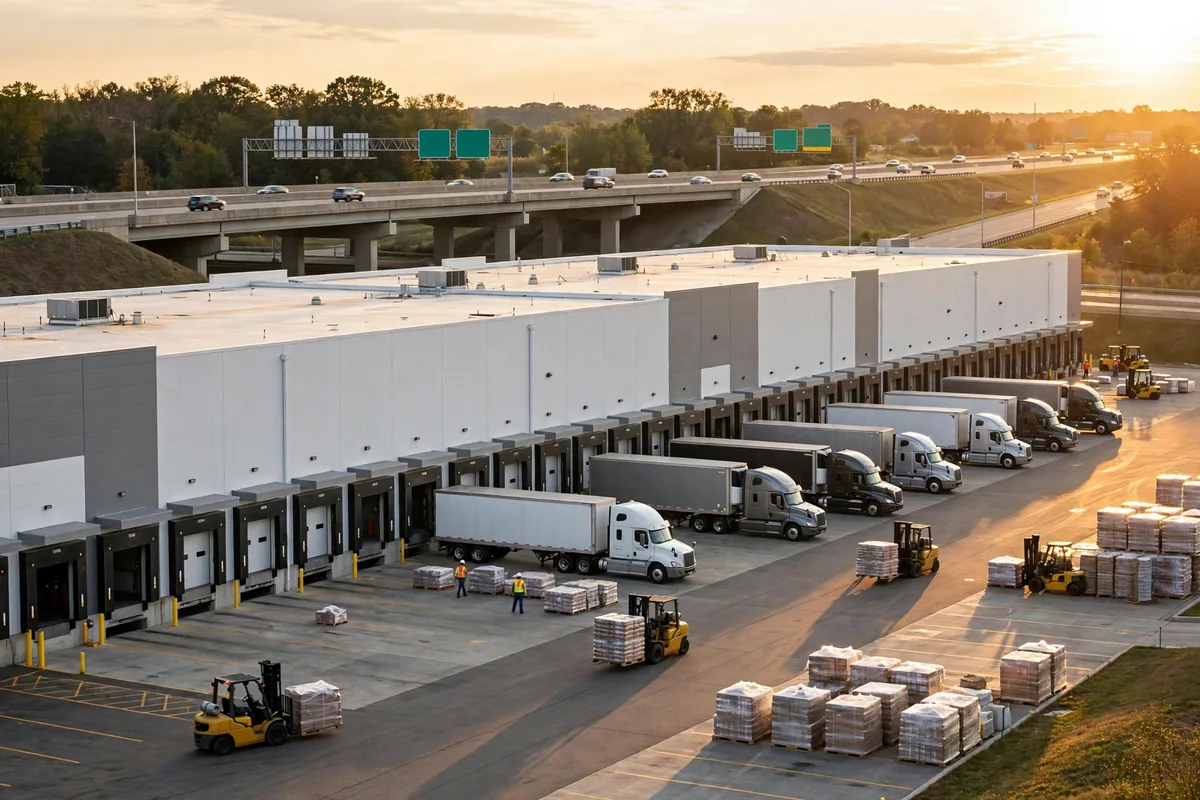
I worked on a project two years ago in Ontario, California, for a 3PL handling auto parts. The building was roughly 80,000 square feet, pushing more than 20,000 orders a day in peak season. The owner was in a hurry to install an automated sortation line, and the equipment contract was already signed, when the site survey found the real problem: the electrical room had almost no spare capacity left. Once the sortation line, conveyors, and charging stations were added, the transformer would have been overloaded. Worse, the wireless network was old gear from years earlier, with dead zones all over the racking area. Handheld scanners dropped their connection every time a picker walked into a deep aisle. Even if the equipment had gone in on schedule, it would have stopped three times a day.
The fix was to split the whole project into four phases, infrastructure first, equipment last. It added nearly three months of lead time, but when the equipment finally arrived, it started up the first time. The owner later told me those three months were the best money he spent on the project, because forcing the original plan would have cost him half another sortation line in rework.
Warehouse Retrofit Power First: The Grid Is the Ceiling
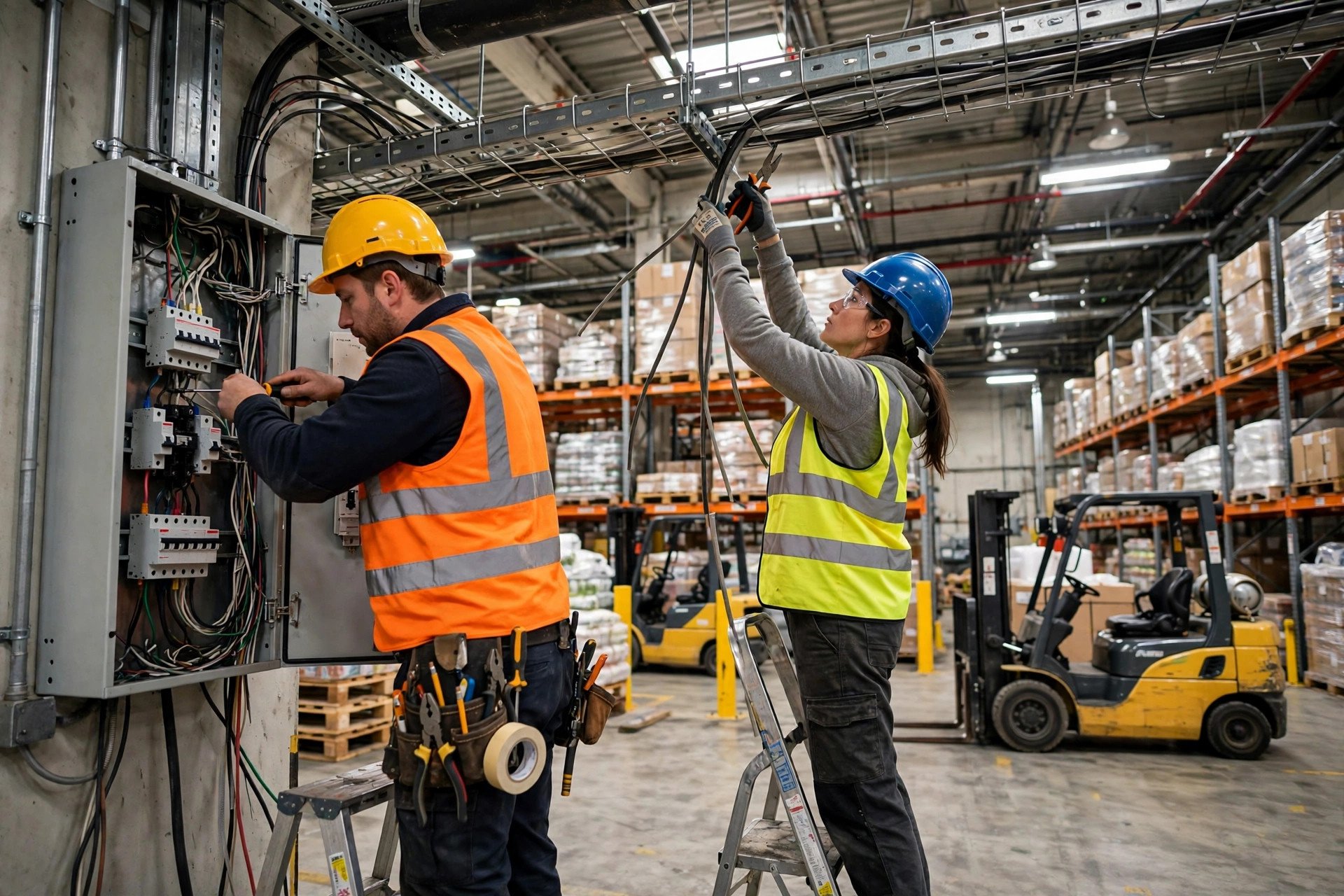
Let me start with the principle, because power is where most retrofit plans quietly fail. The power draw of automation is not a simple sum of nameplates. You have to count startup current, charging peaks, and the base load from lighting and HVAC together. Many older warehouses were wired a decade ago, when the building only needed lights, forklift chargers, and a few pack stations. Now you are adding conveyors, lifts, and robot charging. The electrical profile is a different animal entirely.
My routine is to get an electrical engineer to run a load calculation before anything else is ordered: current peak load, new equipment peak load, a realistic diversity factor, and whatever transformer headroom remains. If the headroom is not there, talk about a service upgrade first, not about equipment. Utility upgrades run on the utility's calendar, and that queue can be measured in months. That time has to be booked early. It cannot start after the equipment is already on a truck.
One detail that gets missed constantly is the charging area: a few dozen vehicles charging at once creates a serious peak, so give charging its own circuit and meter rather than sharing a feed with production equipment.
Warehouse Retrofit Phasing Order: Power, Network, Floor, Fire, Then Equipment
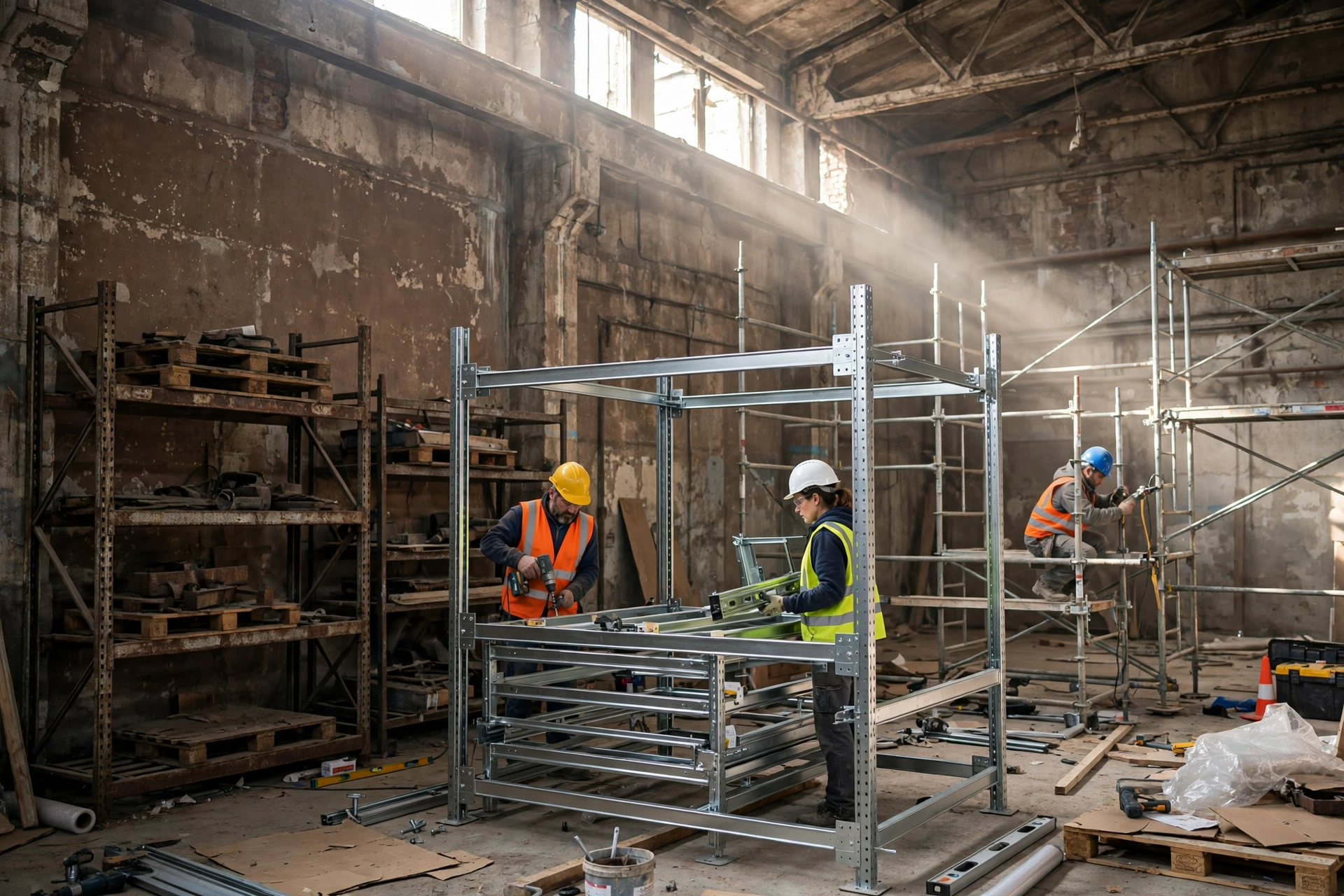
My sequence is fixed: power upgrade first, network coverage second, floor capacity third, fire-system coordination fourth, equipment last. This order is ranked by rework cost. The earlier you fix something, the cheaper the fix. The later you discover it, the more it hurts.
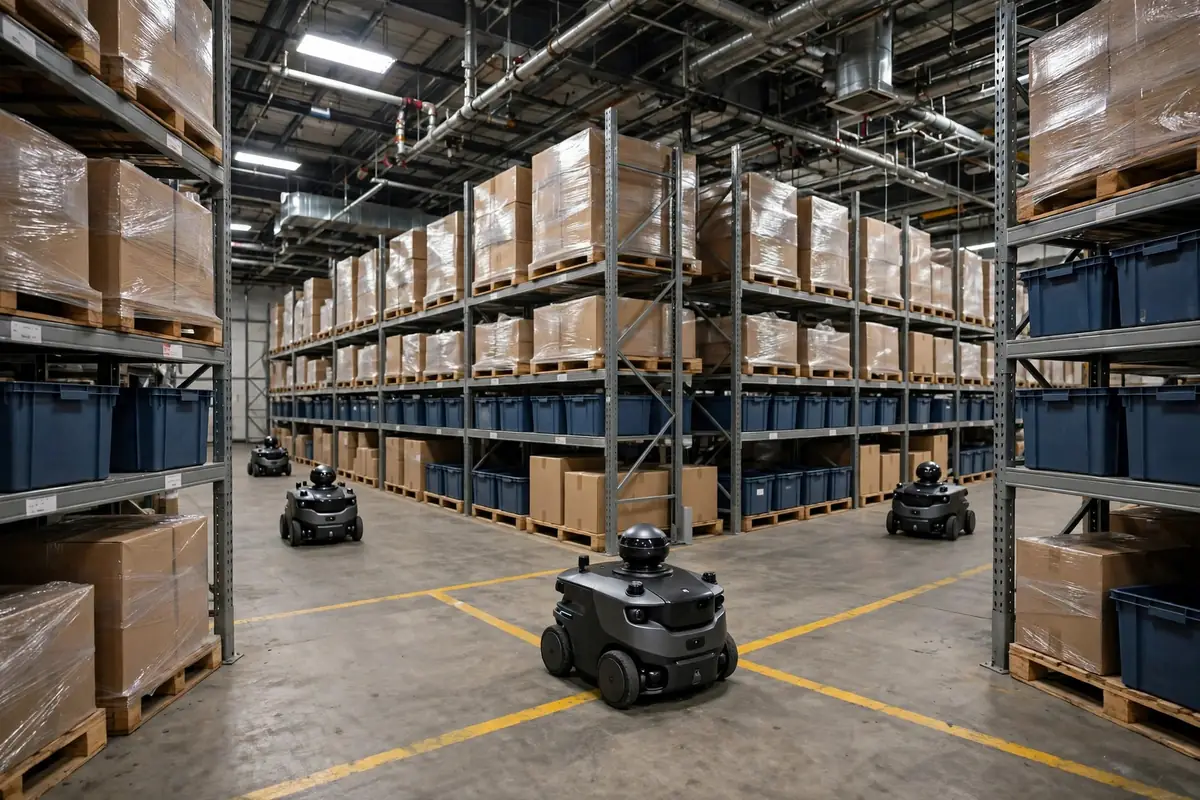
Why is network second? Because nearly all modern automation lives on wireless communication. AMRs navigate over the network, sortation lines report data in real time, and scanning and weighing all need connectivity. The network upgrade itself is not expensive, but it sets the ceiling for everything else. Survey it with real devices walking real aisles, not from a coverage map on paper. Once racking goes up, signal loss looks nothing like it did in an empty building.
Floor comes third because most people never think about it until it is too late. Old warehouse floors settle in places, and some sections have been beaten down by forklifts for over a decade. The surface can look flat while local bearing capacity has already dropped. Heavy racking, stacker-crane rails, and AMR travel paths all have flatness and load requirements. Floor problems discovered late are the most painful kind, because fixing them means pulling equipment back out.
Fire protection is fourth not because it matters less, but because it has to move together with the first three. New rack heights, aisle widths, and electrical loads all change the fire assessment, and sprinklers and alarms have to follow the new layout. Count the approval timeline early too.
| Phase order | Benefit of doing it first | Cost of doing it late |
|---|---|---|
| Power upgrade first | Utility lead time absorbed early, equipment powers up on arrival | Equipment sits idle on site, burning money |
| Network coverage first | Equipment connects the first time, short commissioning | Dead zones cause constant dropouts and stops |
| Floor capacity first | Heavy equipment stands on a reliable base | Floor repair means removing installed equipment |
| Fire coordination first | Approval runs in parallel with commissioning | No fire sign-off means no production start |
| Equipment last | All preconditions ready, one clean startup | Reversed order means rework everywhere |
Equipment selection itself is a separate discipline: which warehouse deserves which level of automation is covered more fully in the brownfield warehouse automation retrofit guide. This article answers only one question: before equipment arrives, in what order should the infrastructure work happen so nothing has to be redone?
Keeping Orders Shipping While You Build
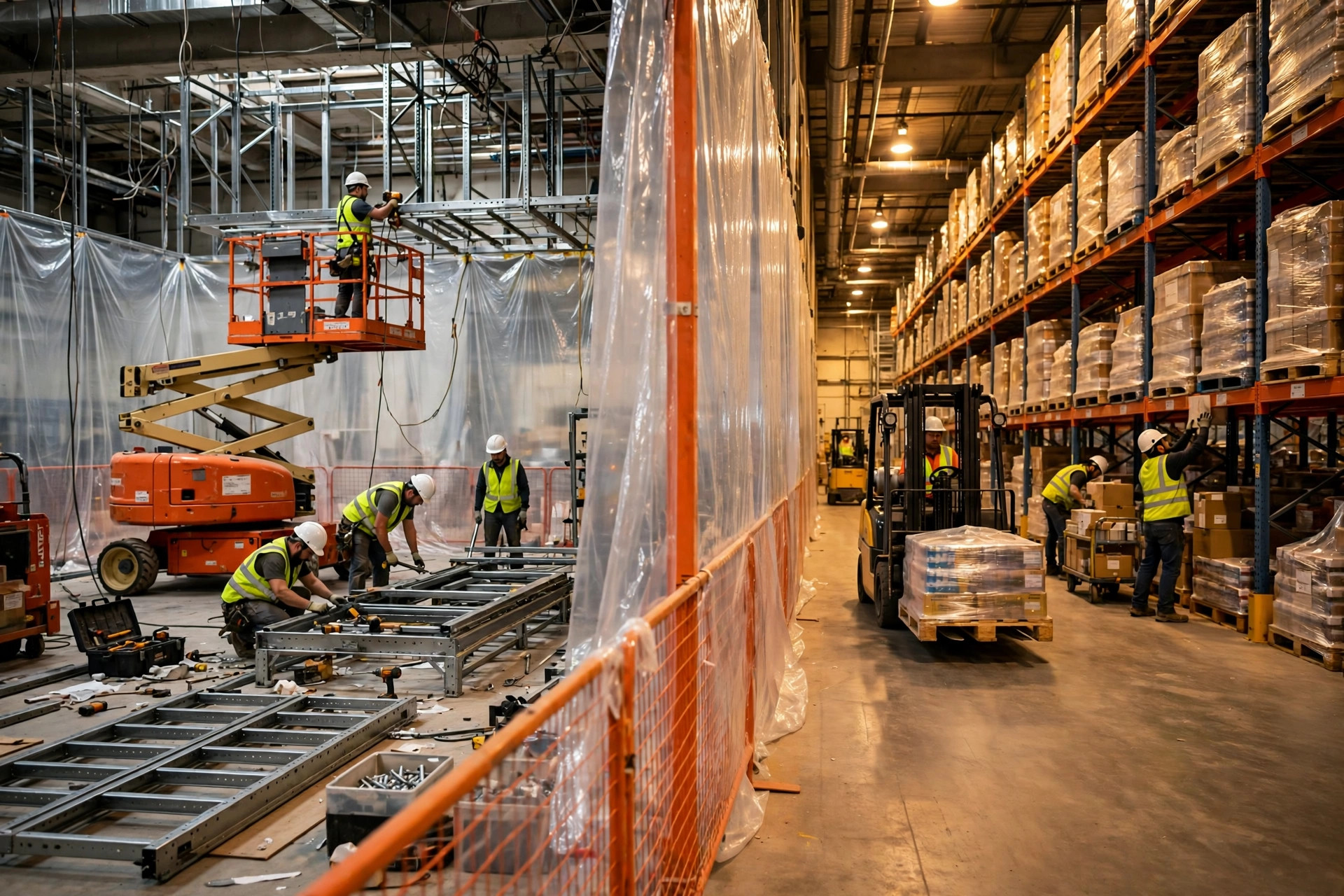
Keeping the operation running is the hardest part of a warehouse retrofit, because freight cannot stop, workers cannot leave, and a construction crew still has to get in. My approach comes down to three habits: zone off, work off-hours, and always leave a way back.
Zoning off means cutting the building into a construction zone and an operating zone, physically separated, and moving only one section at a time. When you cut, make sure the operating zone keeps a complete inbound and outbound flow. You cannot cut the main aisle for construction. On one project last year, the team opened three construction zones at once to save time, and when peak season hit, the operating zone choked so badly that outbound throughput fell by roughly a fifth. The crew had to stop work and give the space back.
Off-hours work means putting noisy jobs and power shutdowns at night or on weekends. Power shutdowns must be booked with operations in advance and written into the construction plan. A surprise outage is the fastest way to kill morale.
Leaving a way back is the habit most often skipped: at the end of every phase, the system must be able to run independently in its current state. Phase one finished means the warehouse can ship normally on phase one's configuration. If an equipment delivery slips or an approval stalls, the warehouse can keep running on what is already complete instead of sitting half-built and unusable.
Here is the counterintuitive judgment: a phased retrofit that never stops work looks slower on paper, but it usually finishes sooner. Phasing forces you to get the sequence right and to cut the risk into small pieces, with zero rework. Rushing in headfirst looks three months faster, then rework eats six months and costs you peak-season orders. Slow is fast, and in this business that is literally true.
Let me be blunt about one fake requirement: some owners want to jump straight to the newest equipment across the whole building before any infrastructure assessment is done. That is like ordering a full set of furniture before the foundation is poured. The more expensive the furniture, the more the rework hurts. Infrastructure assessment first, equipment tier second. That order does not get reversed.
One last maintenance trap: archive the complete as-built package when the work is done, including electrical drawings, network point maps, floor test reports, and fire approvals. I have seen too many warehouses where retrofit records lived in a few people's inboxes, and when those people left, the records went with them.
So is the money well spent? Look at one number: infrastructure lead work as a share of total project budget. If it is under a tenth, the sequence is almost certainly wrong, and rework is highly likely. If it lands between roughly a tenth and a fifth, the groundwork is solid, and the equipment will probably start up the first time. Do not save money on infrastructure. Every dollar saved there gets paid back double in rework.
By Da Liu, Automation Engineer