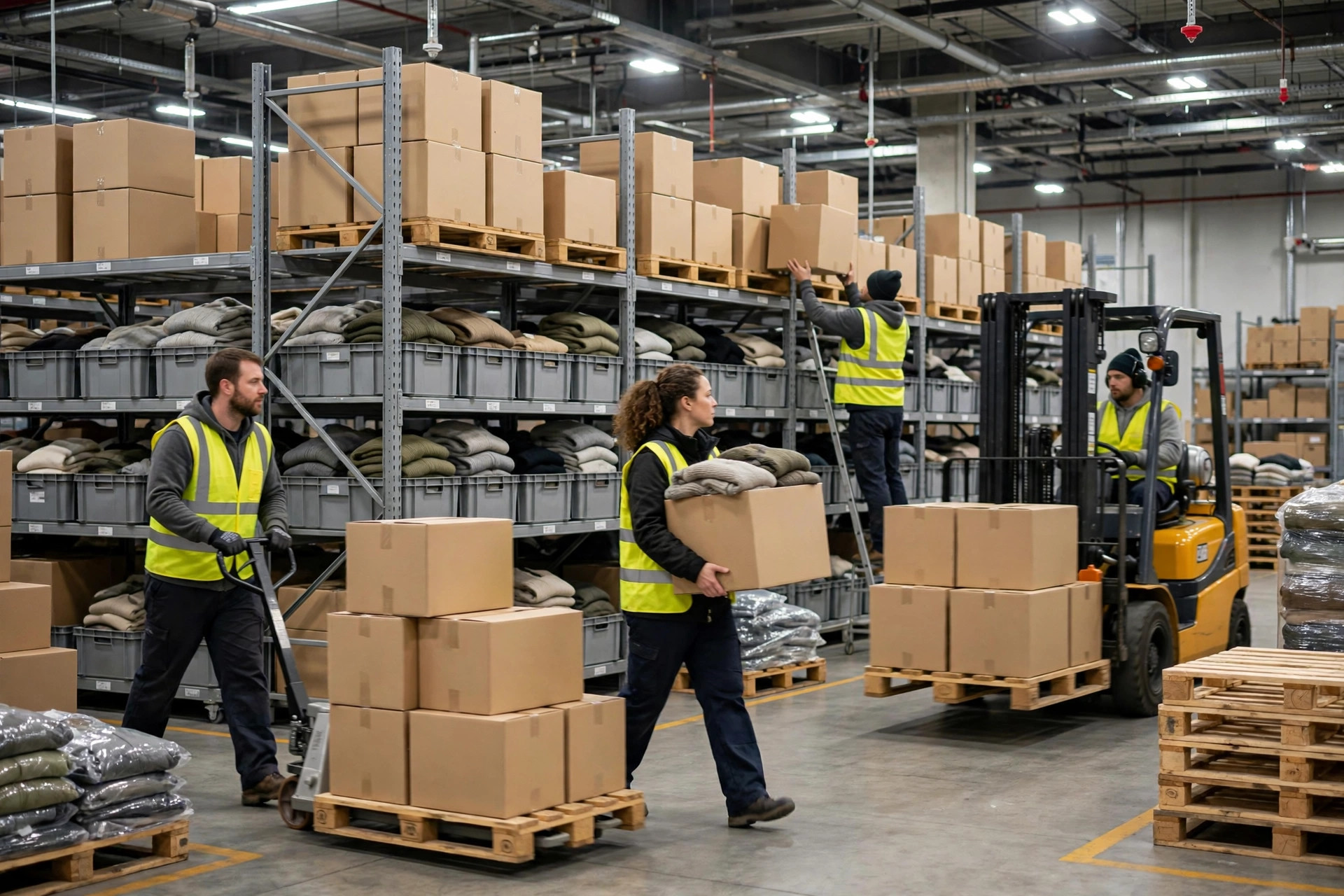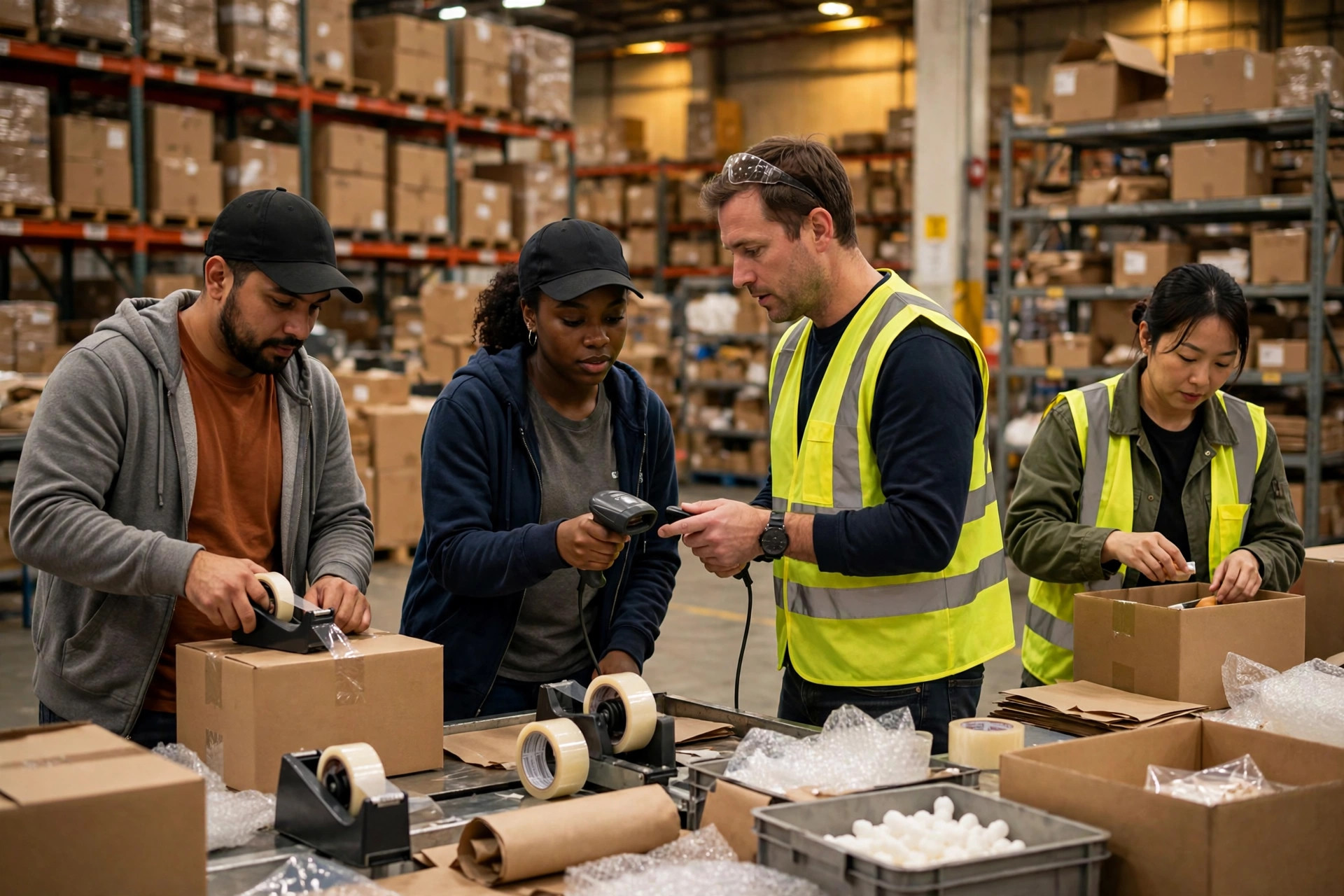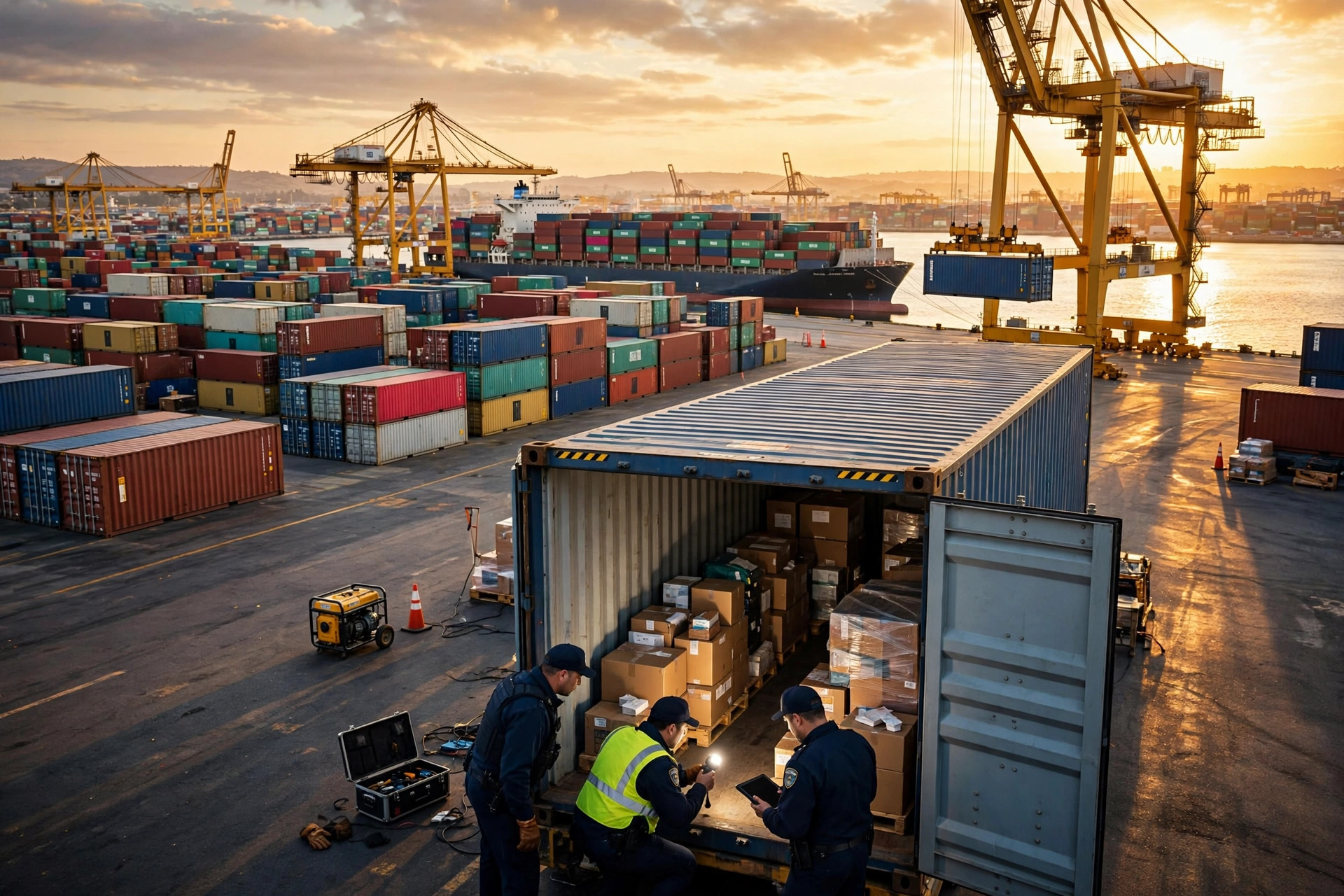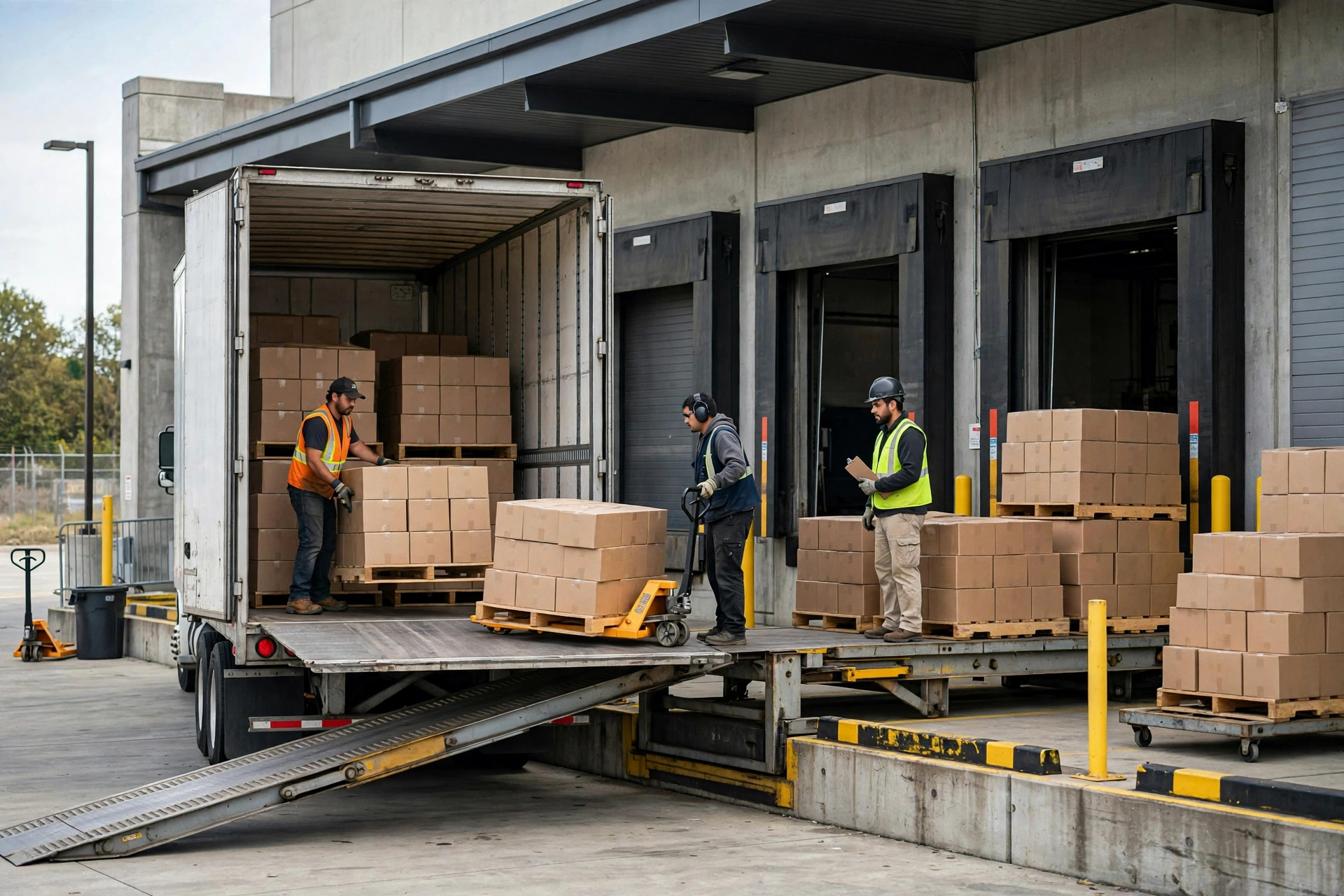
Full disclosure: my warehouse is 3,000 square meters, and in normal life I never see a lumper. This is a uniquely American thing — a truck backs into a grocery distribution center, the receiving clerk slides over a yellow slip: unloading fee, $285, pay up or the door stays shut. We small operators can't afford to burn money like that, so the first time I heard about it I was completely baffled. You have to pay extra just to get unloaded?
Then we started handling US-bound freight for clients, and I learned the lumper fee is a hole you can't walk around. So today I'm breaking it all the way down: what a lumper is, who really pays, and how a small warehouse like ours keeps this line item under control.
What Even Is a Lumper: The Mystery Box at the Warehouse Door
A lumper is a third-party unloading crew — not warehouse staff. Tons of US grocery DCs and cold storage facilities outsource unloading entirely. Drivers aren't allowed to unload themselves; in some places it's policy, in union shops (Teamsters territory) a driver touching freight gets you a complaint fast.
The fee is a mystery box: $25 to $500 per load, most landing around $300. You find out the exact number after the unload, depending on extras like breaking down pallets or restacking. The driver pays at the door and gets a receipt — that little slip of paper is the key to everything that follows.
Fall 2024, my freight-forwarder friend Lao Chen vented to me: his driver delivered to a supermarket DC in Los Angeles and got a yellow slip for $350. The driver blew up on the phone asking Chen whether to pay. What could Chen say? Don't pay, and the truck sits at the door racking up detention charges by the day. Pay, and $350 comes out of pocket with a reimbursement process that dragged on for nearly two months. That's the real ecosystem of lumper fees: the amount is the small problem; fronting the cash and chasing reimbursement is the big one.
Who Pays the Lumper Fee: The Law Says the Receiver
Here's the part everyone asks about. The answer: the driver fronts it; the shipper or receiver ultimately pays. And that's not industry custom — it's federal law.
49 USC 14103 says, in essence (paraphrase — check the statute text itself for the exact wording): whenever a shipper or receiver requires that a person who owns or operates a motor vehicle in interstate commerce be assisted in loading or unloading, the shipper or receiver is responsible for providing that assistance or compensating the owner/operator for all costs of securing it. The statute also prohibits coercing drivers into paying out of pocket.
Plain English: if the receiver insists on lumper unloading, the receiver owns the bill. Forcing a driver to eat the cost without reimbursement is illegal.
But here's the gritty reality: at the federal level, basically nobody enforces this (FMCSA itself says it has no enforcement role here). So the law is a sword on the wall — real battles are fought in contracts. The chain works like this:
| Step | Who pays | Proof |
|---|---|---|
| At the door | Driver fronts the cash | Lumper receipt (date, service description, amount — all three mandatory) |
| Reimbursement from | Broker or carrier | Filed against the receipt, per the reimbursement clause in the transport contract |
| Final bill lands on | Shipper / receiver | That's what the law says — write it into the contract |
Early 2025, a peer of mine learned this the hard way: his driver fronted $280, lost the receipt, and the broker simply refused the claim. $280 became a pure loss. So now our iron rule for partner drivers is: photograph the receipt into the group chat the moment you get it, bag the original separately — no receipt, no peace of mind. (Kidding about the last part. Mostly.)
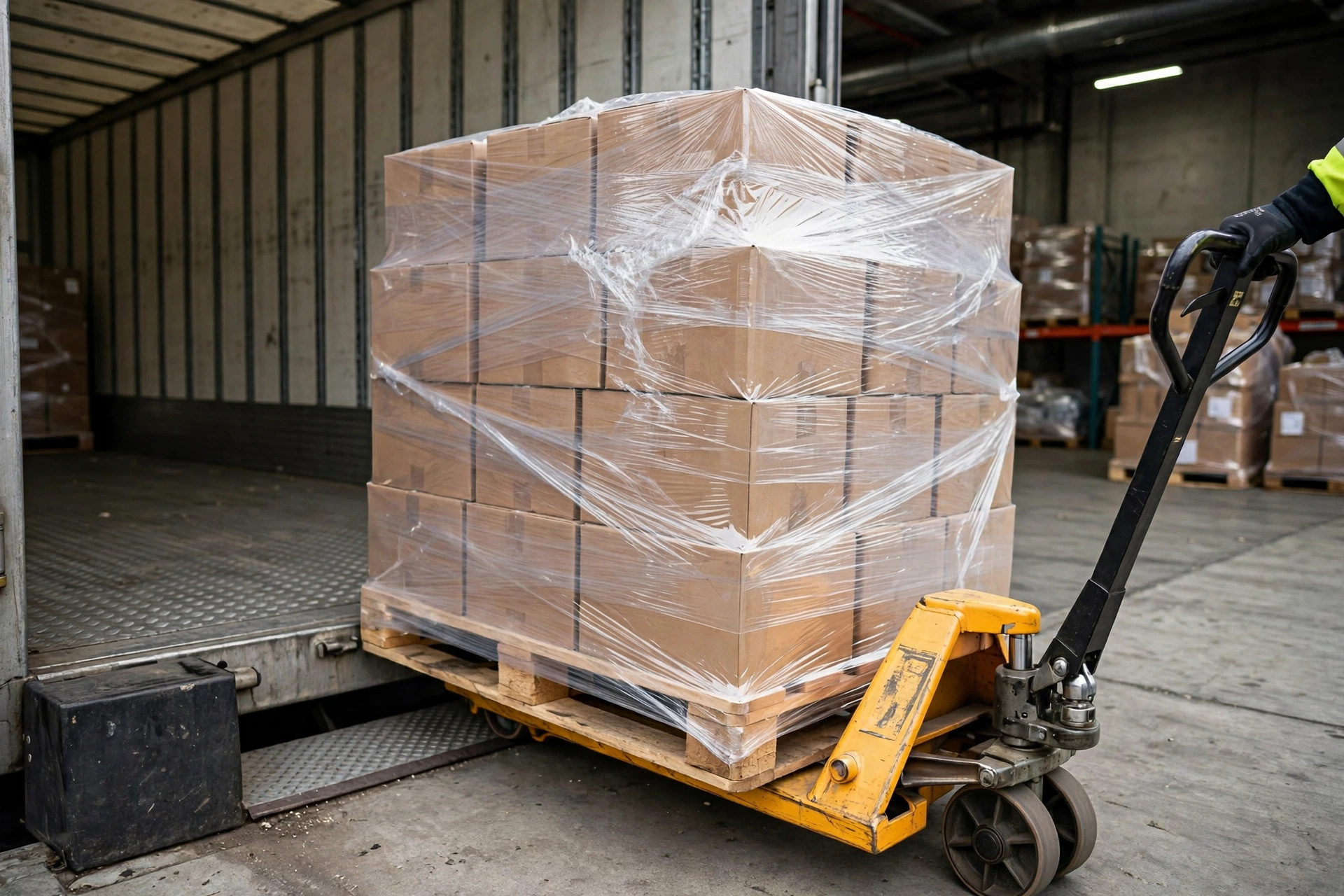
In-House Crew vs. Hired Lumpers: A Small Operator's Math
Someone always asks: why not have the driver unload and skip the $300? Run the numbers and you'll see:
| Driver self-unloads | Hire lumpers | |
|---|---|---|
| Time | 2–3 hours (a full trailer of loose freight) | 30–60 minutes (they're professionals) |
| Direct cost | $0 | ~$300 |
| Driver time lost | At $25–35/hour, roughly $75–100, plus the next load gets delayed | $0 — driver waits in the cab scrolling their phone |
| Damage risk | Driver doesn't know the warehouse layout; who pays if something breaks? | Lumpers know the drill; liability is cleaner |
See it? The lumper fee looks like a ripoff, but you're really buying time and certainty. Three hours of driver unloading costs you mileage not driven and a missed next load — the hidden cost is no smaller than $300. Here's the counterintuitive take: the real trap in lumper fees isn't the amount, it's fronting cash you can't get back. The amount is visible — $300 goes straight into your cost model. Reimbursement dragging two months, or a lost receipt nobody honors — that's what actually eats you alive.
Our little warehouse now quotes US lanes with a fixed line item: "destination unloading estimated $300/container, actuals settled against receipts." Clients grumbled at first about us being fussy. Then they watched other forwarders add surprise charges after the fact and argue about them, and suddenly our fussiness looked like honesty. We can't play the big-company game of "front it now, settle monthly." The small-warehouse way: say the awkward stuff up front and keep the money math in the open.
The "Surcharge Assassins": Fees a Lumper Shouldn't Be Charging
Beyond the base unload fee, the real pain is the add-ons: pallet breakdown and restacking (charged per pallet), waiting fees ("we're busy now," two hours later plus extra), "expedite fees" (want to unload sooner? pay to jump the queue). On Chen's $350 ticket, the base fee was really $220 — the other $130 was all add-ons.
Our street-smart playbook, three lines that actually work: first, ask the price before you arrive. Have the broker check the going rate with the DC's usual lumper crew — with an anchor in mind, nobody panics at the door. Second, question every surcharge line before you sign. What is each item on the yellow slip, how much — ask, then pay. Once you've signed in confusion, not a dollar gets negotiated afterward. Third, wait when you can, pay when you can't. Freight that's not urgent: tell the lumper "no rush, I'll take the normal queue," and the expedite fee evaporates. Time-critical freight: treat it as buying time and don't agonize.
One wilder trick: some DCs allow driver self-unload (small non-union ones). Ask one question ahead of time: "can the driver self-unload?" If yes, that's $300 saved for two extra hours. Our warehouse philosophy: when time is cheap, spend people; when time is expensive, spend money. Off-season, drivers idle — self-unload. Peak season, trucks stacked bumper to bumper — pay the lumper fee with your eyes closed.
Union Shops and Grocery DCs: Two Places You Can't Dodge
A heads-up for fellow operators — two kinds of places where the lumper fee is essentially unavoidable, so bake it into the quote:
- Grocery DCs and food cold storage: ground zero for lumpers across America. Nine out of ten supermarket DCs use outsourced unloading. Before dispatching, ask the broker what that DC's lumper usually runs — veteran drivers all know.
- Teamsters union warehouses: on union turf, a driver unloading is taking a union brother's job, and the complaint will ruin your week. Don't scheme "I'll self-unload and save $300." You won't save it, and you'll earn a headache.
The Small Warehouse Way of Life
Our survival guide, small-player edition: one, the lumper fee legally belongs to the receiver — the driver only fronts it, and the receipt is life. Two, write the money into the quote before the truck rolls, not after. Three, when talking to a broker, first ask "do you reimburse lumper fees, and how many days to get paid" — a broker who can't answer that gets their shiny load put on hold.
Big companies have legal departments to argue 49 USC 14103 with receivers. We don't. But we have our own way: explain the rules clearly, keep the money math honest, and collect every slip of paper. Small warehouses have their own way of life — outlasting beats outgrowing.
By Xiao Ma, Small Warehouse Owner