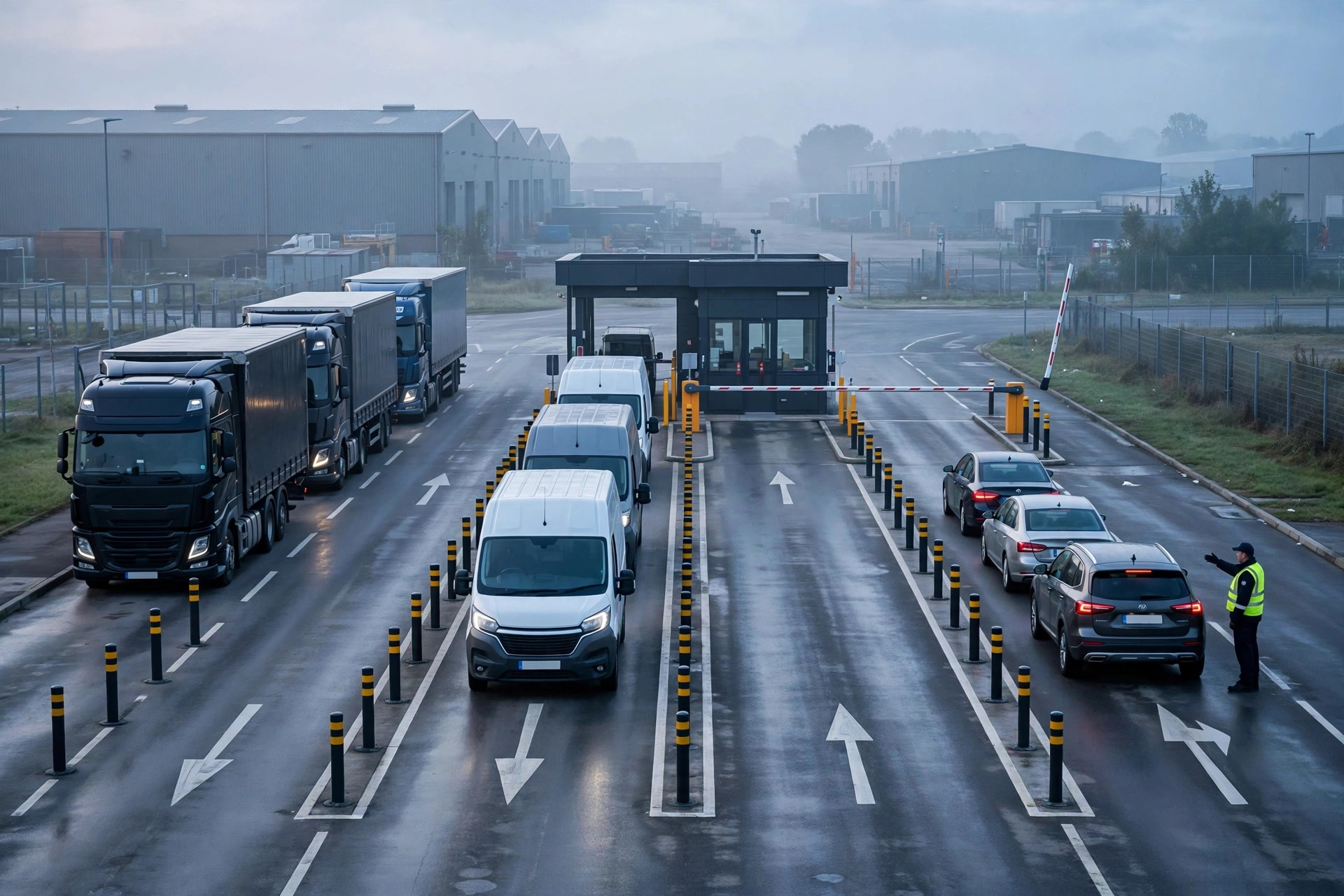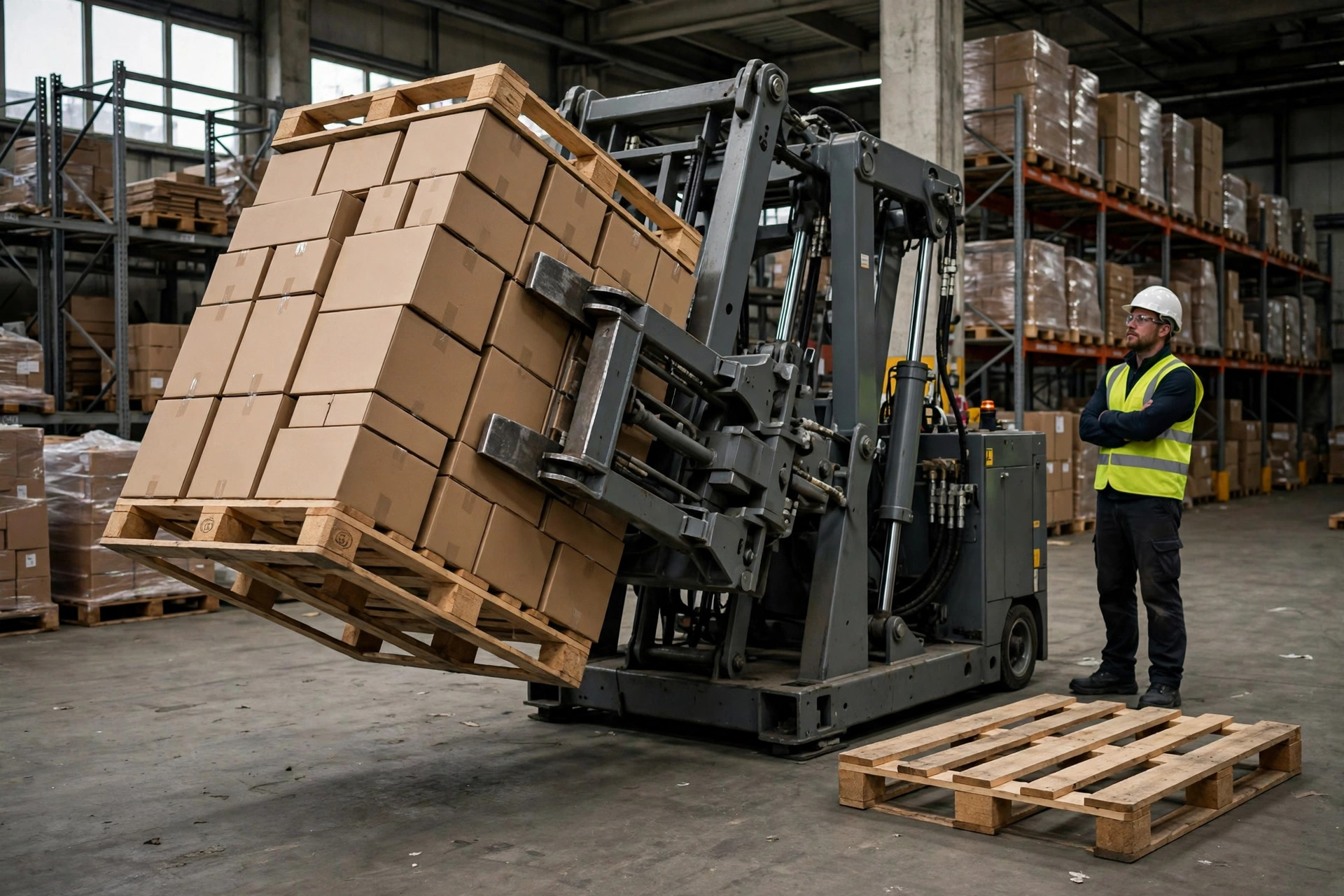
Fifteen years behind the wheel, and the two things I see most outside warehouse doors are trucks waiting to load, and mountains of cardboard boxes. That pile is money — packaging waste recycling revenue that most warehouses just throw away.
A couple of years back I was waiting for a load in Ontario. Across the street, an e-commerce warehouse had cardboard piled higher than a man, blowing all over the yard in the wind. I got talking with their forklift guy, Old Wang. He said the boss couldn't be bothered — he just called the garbage truck, load after load, and paid for every haul. I thought to myself: this boss has no idea he's sitting on money. Not a dime of packaging waste recycling revenue, and he's paying to throw it away.
I'm telling you, a warehouse's cardboard waste is not trash. It's cash walking out the door every month.
Same cardboard, two warehouses, two endings
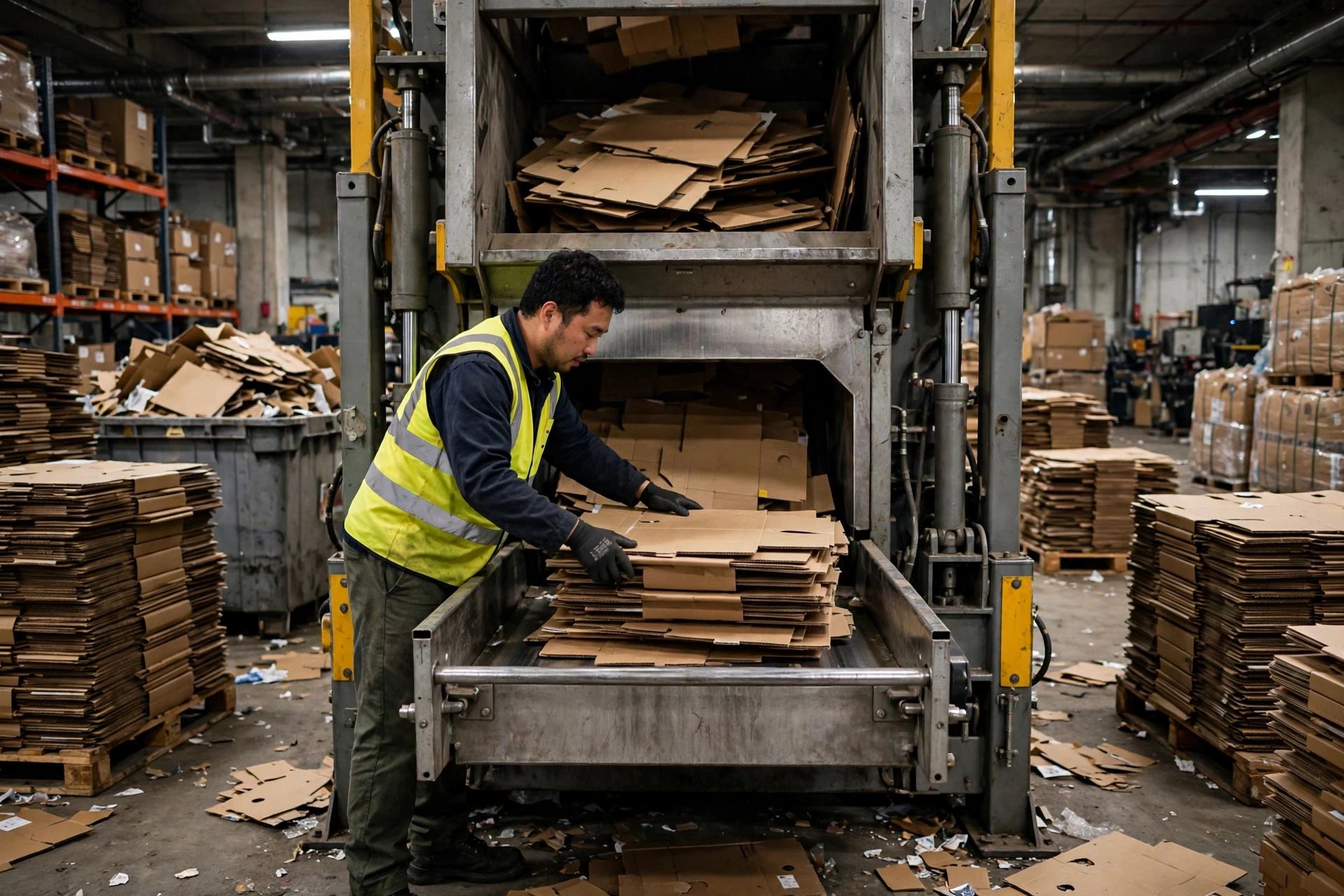
Two streets over from Old Wang's place, there's an auto parts warehouse run by a warehouse manager named Old Li — fifty-something, sharp as they come. Three years ago I picked up a load there and noticed a baler standing in the corner of the receiving area. Flattened boxes went in, and out came neat one-meter cubes of pressed cardboard, stacked like bricks. A recycler's truck came every month, forklifted the bales on, done.
Old Li walked me through the math: his warehouse isn't big, but it still produces fifteen, sixteen tons of cardboard, paperboard, and dividers a month. At going rates — old corrugated cardboard was fetching around eighty, ninety bucks a ton in the US recently — that's well over a thousand dollars a month. More than ten grand a year. The baler cost him a few thousand. It paid for itself in the first year. Everything after that is pure profit.
And Old Wang's warehouse? They pay extra for garbage hauling every single month, plus they keep somebody busy all day cleaning up that cardboard mountain. Tell me which boss knows how to do math.
The real numbers: three ways to handle twenty tons of cardboard
Don't think of this as small money. Let me lay it out straight — say twenty tons of cardboard a month:
| Approach | Monthly result | Hassle level |
|---|---|---|
| Haul it away as trash | You pay hauling fees, plus floor space and labor | Somebody's cleaning it up every day, and it keeps growing |
| Sell it loose to a recycler | A few bucks, but the recycler lowballs you because it's not baled | You still have to stack it, and they pick it apart |
| Flatten, bale, sell monthly | Eighty-ninety dollars a ton — twenty tons is fifteen hundred, pushing two grand | Recycler picks it up at your door. Zero headaches |
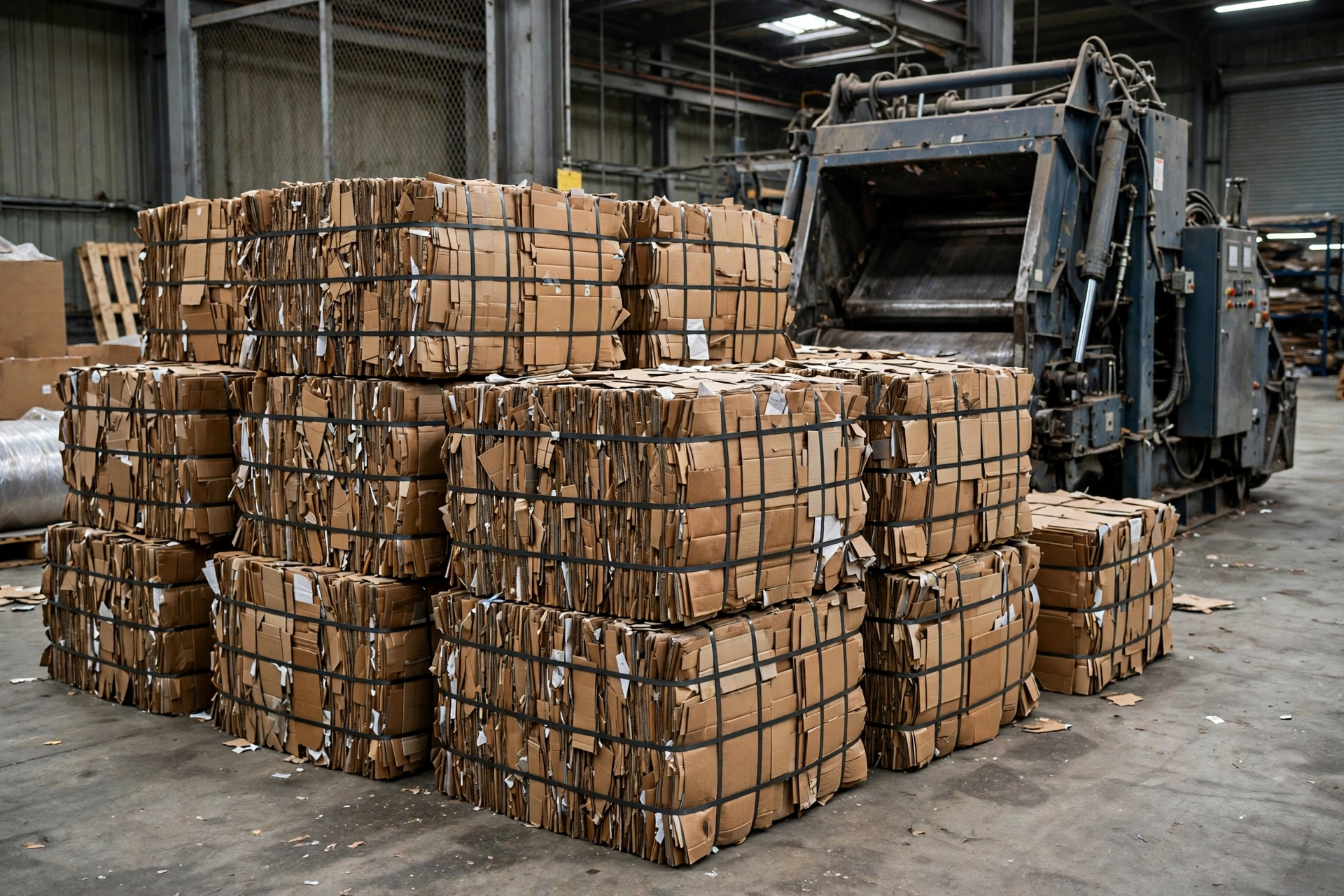
See the difference? It's not about how much cardboard you have. It's about how you handle it. Loose cardboard is a nuisance to a recycler. Baled cardboard is a product.
The three things that decide what your cardboard is worth
After all these years on the road, I've figured out how this game works: you don't set the price, the market does. But three things are entirely up to you:
First, sorting. Cardboard, paperboard, foam, stretch film — mixed together it's garbage, separated it's all money. Clean corrugated is worth the most. Some tape and labels, no big deal. But oil stains or food waste? The whole bale can get rejected.
Second, keeping it dry. I'm telling you, this is the one that kills people. I saw a warehouse that stacked their cardboard out in the open loading area. Two days of rain, and the whole pile rotted. The recycler took one look and drove off — wet cardboard is worthless, and the weight is fake anyway. They ended up paying someone to haul it away. How's that for irony? Cardboard has to stay indoors, or at least under a roof, up on pallets.
Third, steady volume. Don't sit on it waiting for prices to rise. OCC prices bounce around all year — you hold for three months and the market might drop. Meanwhile it's eating floor space, and one good rain ruins everything. Old Li's approach is the smart one: ship every month, steady volume, and the recycler actually gives you a better price. What they want is a reliable long-term supplier, not a one-time deal.
Here's something else about dealing with recyclers — there are tricks to it. Years ago I helped a buddy deliver a few truckloads of waste cardboard to a recycling yard, and I watched how they receive it: they check moisture first, then contaminants. Foam or film mixed into a bale, and they dock the weight on the spot. By how much? Their call. You've got no leverage. So all that sorting and drying I talked about — it's not being fussy, it's money in your pocket.
And one more trap: some recyclers pick up with their own scale and write their own tickets. Old Li got burned on this — the first two months, he knew twenty tons went out, but the settlement slip said seventeen, eighteen. Then he got smart and bought his own floor scale. Weighed every truck in and out. Funny thing — after that, the numbers on the slips started matching. I'm telling you, when you're dealing in scrap, keep your own scale. Trust, but verify.
The counterintuitive part: the money you save beats the money you earn
To be honest, fifteen hundred bucks a month isn't life-changing money for a warehouse. But do the full math: the hauling fees you stop paying, the labor you stop wasting, the receiving space you get back, the fire hazard you eliminate. Add it all up, and the savings are worth more than the recycling revenue itself.
And here's the beauty of it: once it's running, it runs itself. The baler sits there, workers flatten boxes and feed it as they go, the recycler shows up monthly. It's a free process.
One more thing most people don't think about: a mountain of cardboard is a fire department's nightmare. In my years on the road, I've seen two warehouse fires, and both started in waste paper piles. Baled, neatly stacked cardboard passes fire inspections and keeps your insurance people happy. That doesn't show up on any spreadsheet — until something burns down.
So here's my advice, plain and simple: if your warehouse produces more than ten tons of cardboard waste a month and you don't have a baler, go get one. Get quotes from two recyclers, not one. Write the pickup schedule and rejection standards into the contract so nobody argues later.
How much volume justifies the hassle? My rule of thumb: under five tons a month, just find a recycler for regular pickup, no equipment needed. Over ten tons, the baler pays for itself. Over thirty tons, you can negotiate a long-term contract and push the price up. The bigger your volume, the louder your voice.
Where do you find a recycler? Ask around. In every logistics park, the drivers know whose cardboard sells well and which recycler plays fair with the scale. Next time you're picking up a load, chat with the warehouse manager next door. Beats searching online for hours. Us truckers may not have fancy skills, but we hear everything.
Don't stop at cardboard: pallets and stretch film are money too
I'm telling you, cardboard is just the biggest slice. Two more things people throw away:
Broken pallets. I hauled for a food warehouse that went through dozens of busted wood pallets a month — they used to just chop them up for firewood. Then they found a pallet repair guy who comes twice a month. What can be fixed gets fixed and goes back into service; what's beyond repair gets stripped for parts. A new pallet costs ten-plus dollars, a repair costs a few. That saves them thousands a year.
And stretch film. The film you peel off incoming pallets — most places ball it up and trash it. Clean stretch film has recycling value too. Not much per pound, but at least you're not paying to dispose of it. The key: keep it out of the cardboard bales. Film tangled in a cardboard bale gets the whole bale downgraded.
There's an old saying: don't turn your nose up at small money. Those unremarkable cardboard boxes in your warehouse, handled right, are real cash every single month.
By Shifu Zhao, Trucking Veteran (15 yrs)