We have a client in re-export trade whose goods sat in our US warehouse for just 28 days before shipping out to Mexico — and the duties they paid on import came back in full through duty drawback. Full disclosure: customs law is not my specialty. I sell warehousing. Everything below is what our clients and the licensed customs brokers we work with have taught me over the years. Any rates, percentages, or deadlines here should be verified against CBP's latest official policy.
The One That Worked: 28 Days in Ontario
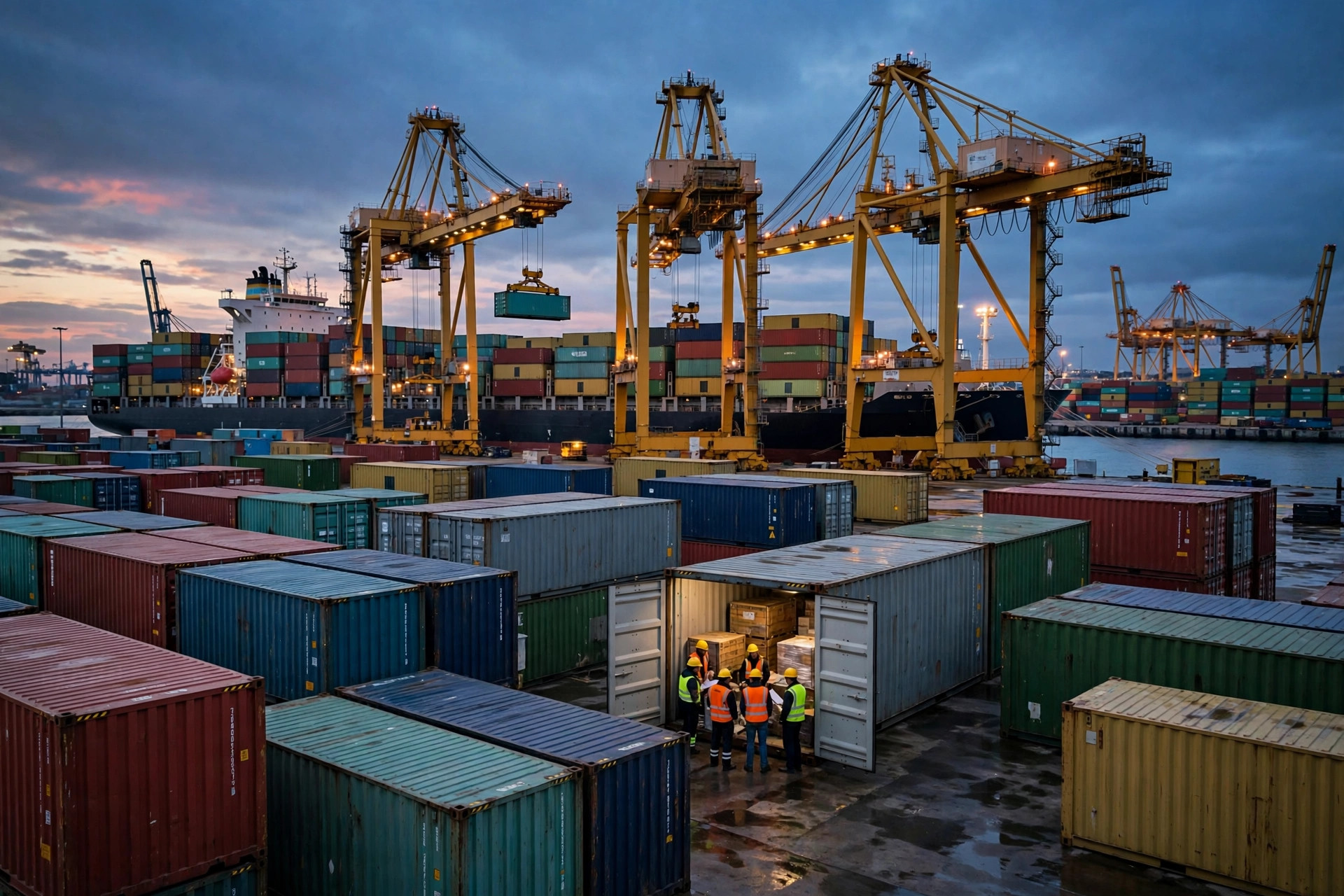
Mr. Chen runs a lighting wholesale business in Los Angeles. In March 2026, he brought in two containers of LED fixtures from Asia through the Port of Long Beach. The goods were ultimately bound for two distributors — one in Monterrey, one in Toronto — but vessel schedules and his customers' pickup dates didn't line up, so both containers came to our warehouse in Ontario for temporary staging.
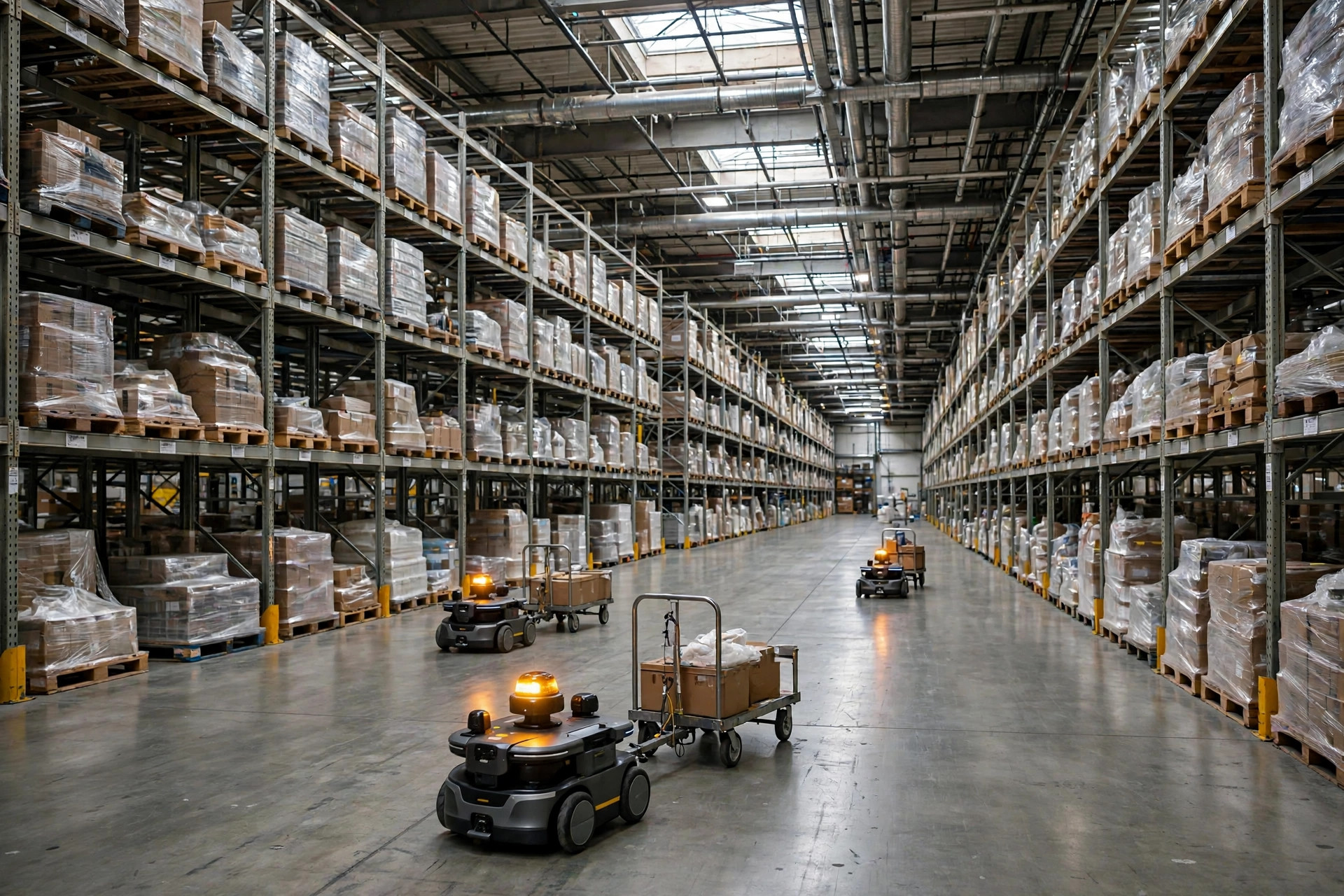
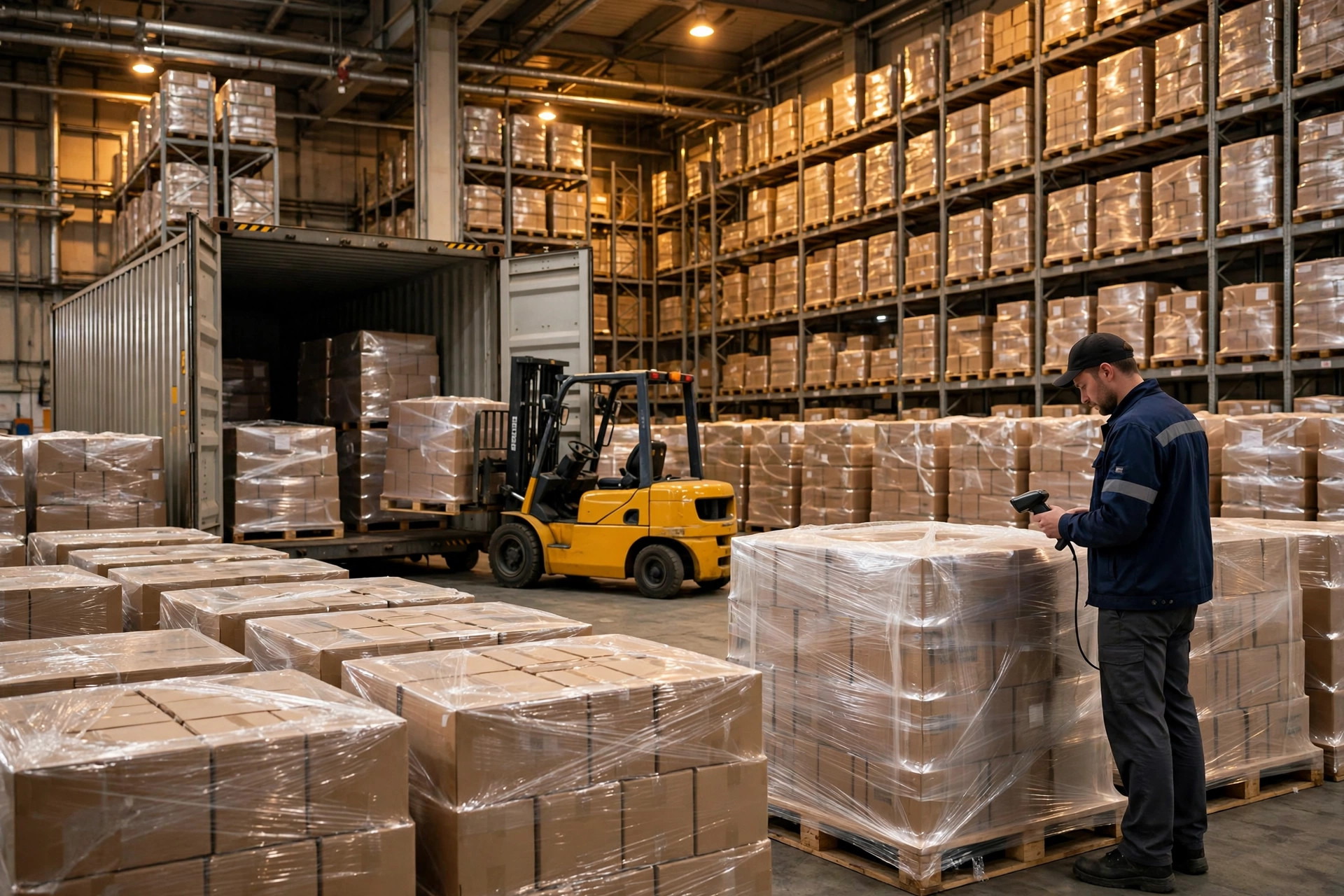
His broker laid out two options: enter the goods normally, pay duties, and claim drawback after re-export; or route them through a Foreign Trade Zone, where goods can enter duty-free. Our facility wasn't an activated FTZ at the time, so option one it was — normal entry, duties paid, goods stored. The cargo sat with us for 28 days in a segregated area with its own receiving records. At the end of April, both containers were restuffed: one headed to Monterrey, one to Toronto.
The broker filed the drawback claim through ACE — import entry (CBP 7501), duty payment proof, our warehouse in/out records, export bills of lading, container loading records. The refund took nearly eighteen months to arrive — more on that later. In the end, Chen recovered the bulk of what he'd paid (current rules allow recovery of up to 99% of duties paid; confirm with CBP's latest policy).
Why did this one go smoothly? Three reasons. First, everyone knew from day one these goods were destined for re-export, so the documentation was kept "drawback-ready" from the start. Second, the goods were stored separately with clean in/out records — when the broker asked for documentation, we delivered the full package within two days. Third, Chen didn't DIY it. A licensed broker handled the whole thing.
The One That Didn't: How a Drawback Claim Dies
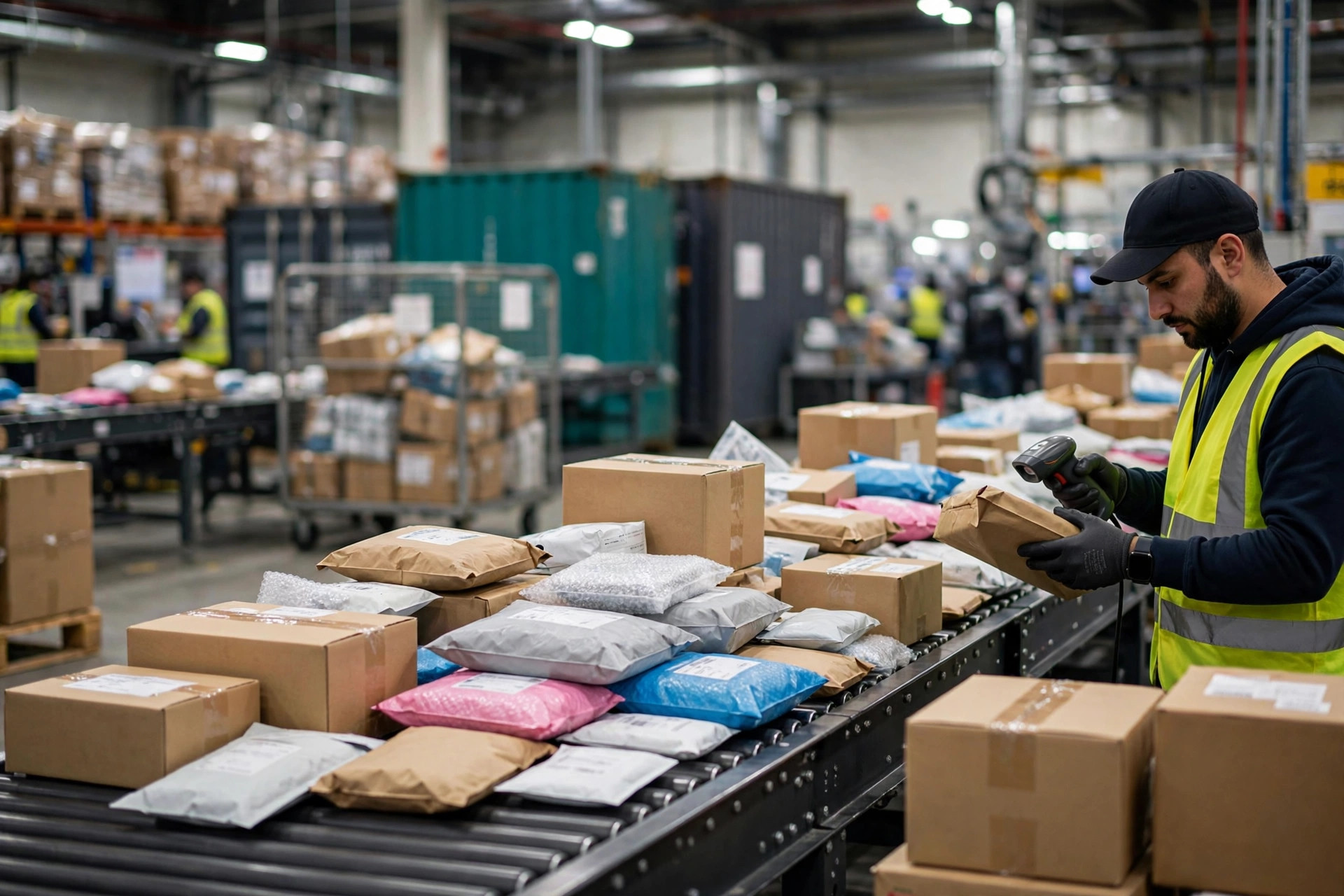
In 2025, another client — an auto parts re-exporter — had their drawback claim rejected by CBP. The reason was painful: their goods arrived as LCL, got deconsolidated at the warehouse, and were re-stuffed into different containers for South America. Container numbers changed twice along the way, and nobody kept complete loading records. The container numbers and quantities on the import entry didn't match the export bill of lading, and our warehouse records only showed pallet counts, not SKU-level detail. The paper chain was broken, and no broker could stitch it back together.
That case taught me the real lesson: drawback isn't about relationships or arguments. It's about the document chain. Clients always assume "it's my cargo, the refund is my right." CBP only reads paper, not intentions.
Three Compliant Paths: Pick Your Trade-Off
For the same basic flow — goods enter a US warehouse, sit briefly, then leave — there are really three compliant ways to handle duties, and the costs are completely different:
| Path | How it works | Upside | Cost / catch |
|---|---|---|---|
| Duty drawback | Pay duties on entry, claim most of it back after export | Any ordinary warehouse works; broad eligibility | Cash is tied up first; refunds take months to well over a year; documentation bar is extremely high |
| Foreign Trade Zone (FTZ) | Goods enter an activated FTZ treated as outside US commerce — no duties on re-export | No upfront duty payment; easier on cash flow | Warehouse must be an activated FTZ; compliance and systems overhead is significant; not worth it for small volumes |
| Temporary Importation under Bond (TIB) | Import under bond, re-export within the deadline, bond released | Great for trade-show goods, samples, short-term test equipment | Limited to eligible merchandise categories with a hard re-export deadline (check CBP's latest policy); miss it and you pay |
My non-expert rule of thumb looks at two things: does your warehouse have activated FTZ status — if not, drawback is realistically your only play — and how long the goods stay. For two containers over 28 days, drawback is the most practical route.
Here's the timeline on the drawback path:
- Day 0: Arrival. Broker files normal entry, duties paid, cargo released.
- Day 1: Warehouse receiving. Segregated storage area, receiving records opened.
- Days 1–28: Storage window. Every transfer or deconsolidation gets documented.
- Day 28: Export loading. Loading records, photos, seal numbers; bill of lading shows final destination.
- After export: Broker files the drawback claim within the allowed window (currently within 5 years of import — verify against CBP's latest policy).
- Then: CBP review and liquidation, refund issued. Budget roughly a year of waiting.
The Uncomfortable Math: Time Is the Real Cost of Drawback
Most people do drawback math as "how much comes back." They skip "how long the money is gone." Let me sketch it out with illustrative numbers: say a shipment worth $300,000 incurs $30,000 in duties. Drawback recovers the bulk of it — call it roughly $29,000. But that money is tied up from the day duties are paid until the refund lands, often 12 to 18 months. At a small importer's cost of capital, the carrying cost can eat a meaningful chunk of the refund. Add the broker's filing fee and any extra handling charges for segregated storage, and the true "net recovery" is noticeably less than the headline number.
So here's my verdict: the profit in re-export trade isn't in the duty refund — it's in the turn. Goods sitting in a US warehouse for 30 days create real value through supply-chain flexibility: when vessel schedules and customer pickups don't align, you have a compliant staging point instead of burning money on port demurrage. The drawback just returns money you fronted; it's not extra profit. Anyone trying to "arbitrage" drawback should drop the idea. Treat it as cash-flow management, and the math works.
Insider Stuff: Three Contract Terms for Re-Export Cargo
Now we're in my territory. When re-export cargo comes into a 3PL warehouse, three contract terms matter — and first-timers miss them nine times out of ten:
First, put documentation cooperation in the contract. The broker will come asking for in/out records and storage certificates, and CBP audits can mean pulling surveillance footage and cycle-count records. The contract should spell out: how many business days the warehouse has to respond to a written request, and whether there's a fee. We cooperate by default and deliver within 48 hours — but some warehouses charge a "document retrieval fee" you only discover at invoicing.
Second, segregated storage. Mix re-export cargo with domestic inventory, let one messy cycle count happen, and the paperwork stops reconciling. Contract for a separate area — or at minimum separate locations and separate records. This isn't just about drawback; re-export and domestic inventory shouldn't share cost attribution anyway.
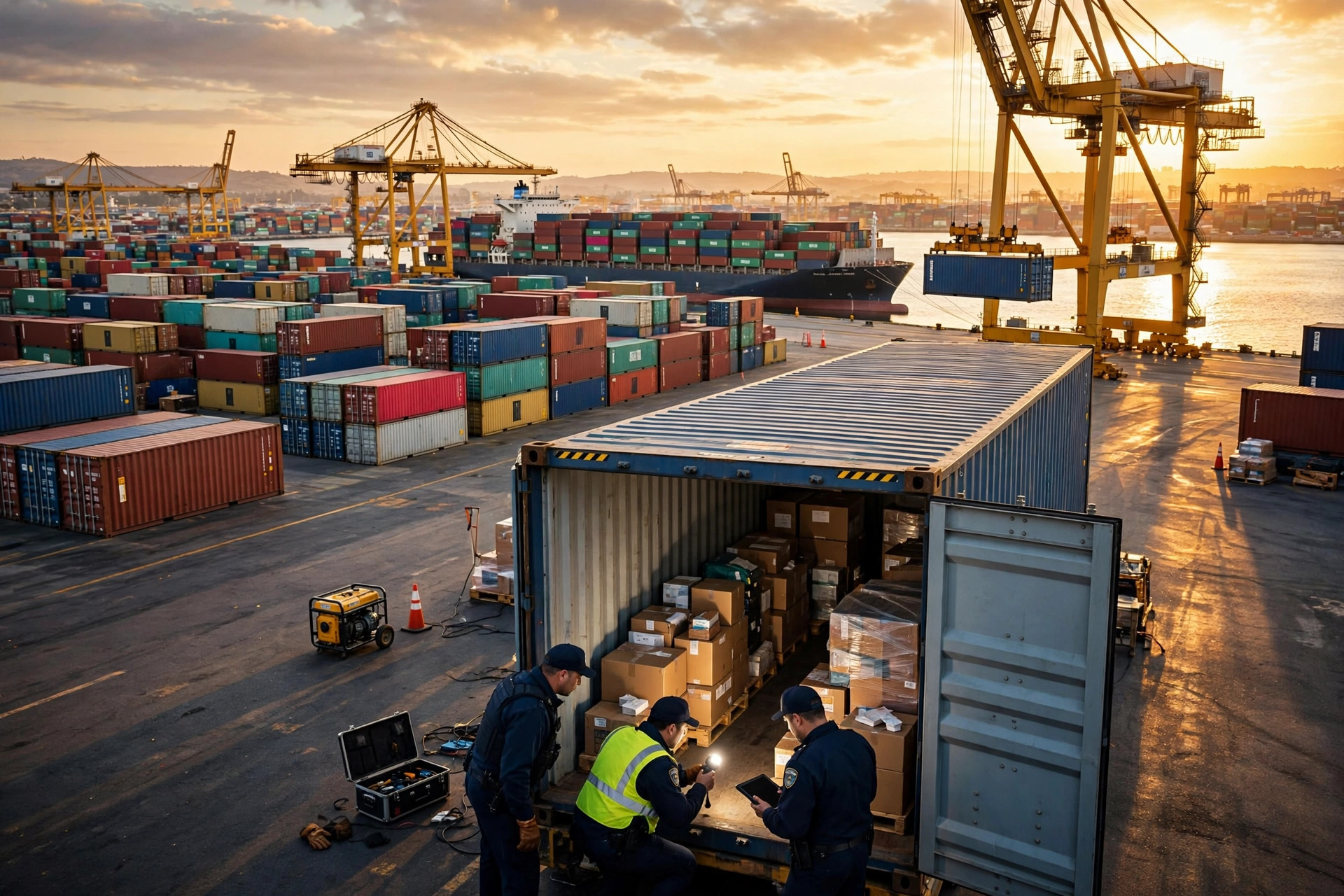
Third, who provides supervised loading records. The loading proof at export — what went in, how much, seal numbers — is a critical link in the chain. Some clients send their own people to supervise; some delegate to the warehouse. If it's the warehouse, nail down the supervision, photography, and record-keeping fees before loading day, not on it.
The Checklist: Tick These Off Before the Cargo Moves
Run through this before anything ships into the warehouse — don't move cargo with a single item missing:
- Copy of the import entry (CBP 7501)
- Duty payment proof
- Warehouse receiving records (date, quantity, location)
- Transfer / deconsolidation records during storage (if any)
- Export loading records (container number, seal number, photos)
- Export bill of lading (final destination port stated)
- Commercial invoice and packing list — import and export sets must reconcile
- Broker's drawback filing receipt
Remember: quantities, container numbers, and dates across every document must corroborate each other. That's exactly where the auto parts claim died.
Next time you negotiate a warehousing contract, ask these three questions: one, "this cargo will be re-exported under drawback — can you support the documentation?" Two, "is there a fee for documentation support, and how fast can you deliver it?" Three, "can the goods be stored in a segregated area, away from domestic inventory?" Ask those three, and your re-export warehousing setup is fundamentally sound.
By Susan, 3PL Sales Director