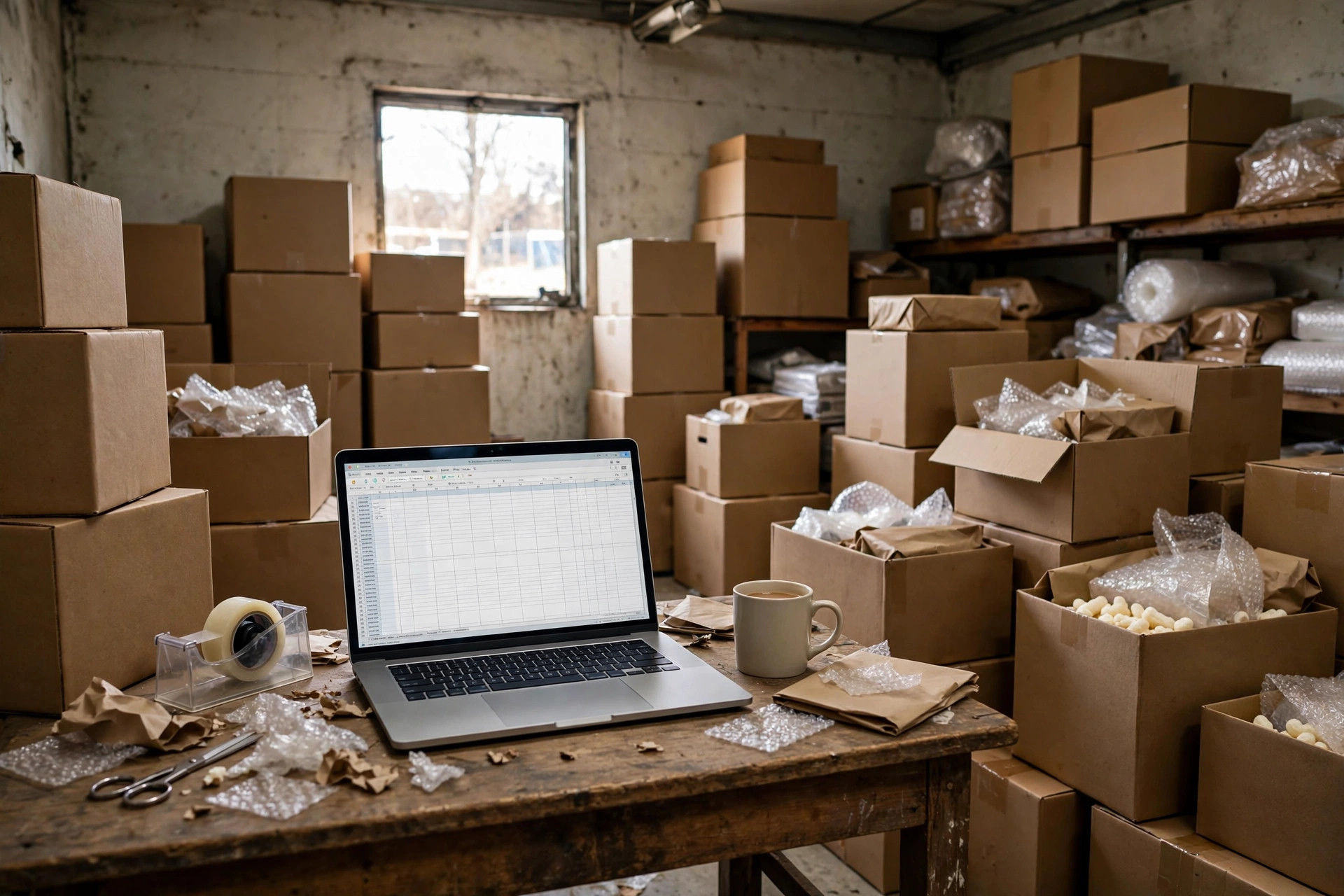
Let me be upfront: our 3,000-square-meter warehouse will never own a pallet inverter. If you've ever googled "pallet inverter vs pallet changer" hoping for a budget-friendly answer, this one's for you. Not because we don't want one — because if we bought one, it would sit in the corner collecting dust, and I'd die a little every time I walked past it.
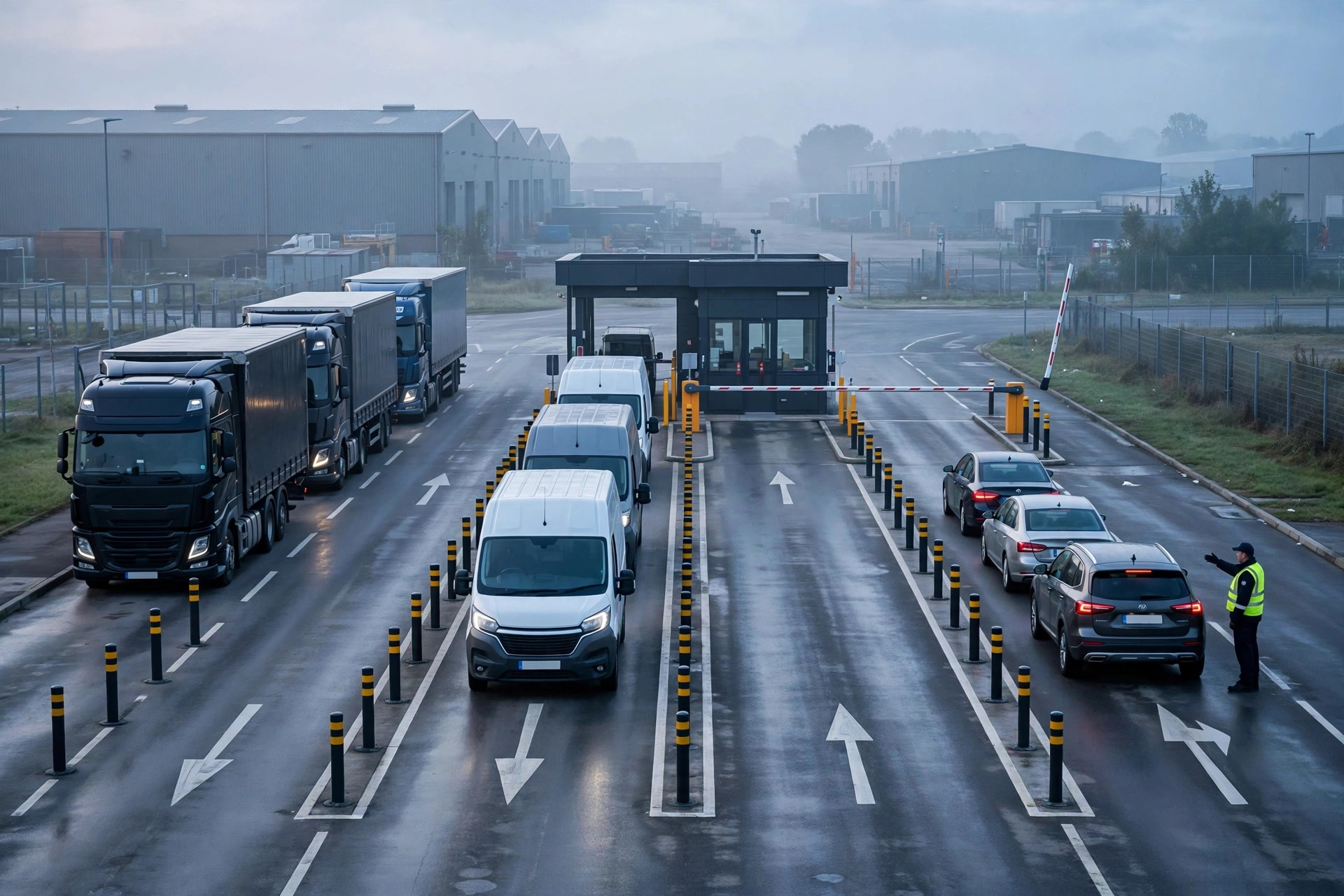
Last October, pallets schooled us. A shipment bound for Hamburg, Germany — 80 pallets — and the customer dropped the bomb: all wood pallets need the IPPC heat-treatment stamp, or customs seizes the goods on arrival. I went to check our pallet stack. Every single one was a no-name domestic pallet with zero stamps on it. Three days to vessel cutoff. Eighty pallets to re-stack onto compliant pallets before loading.
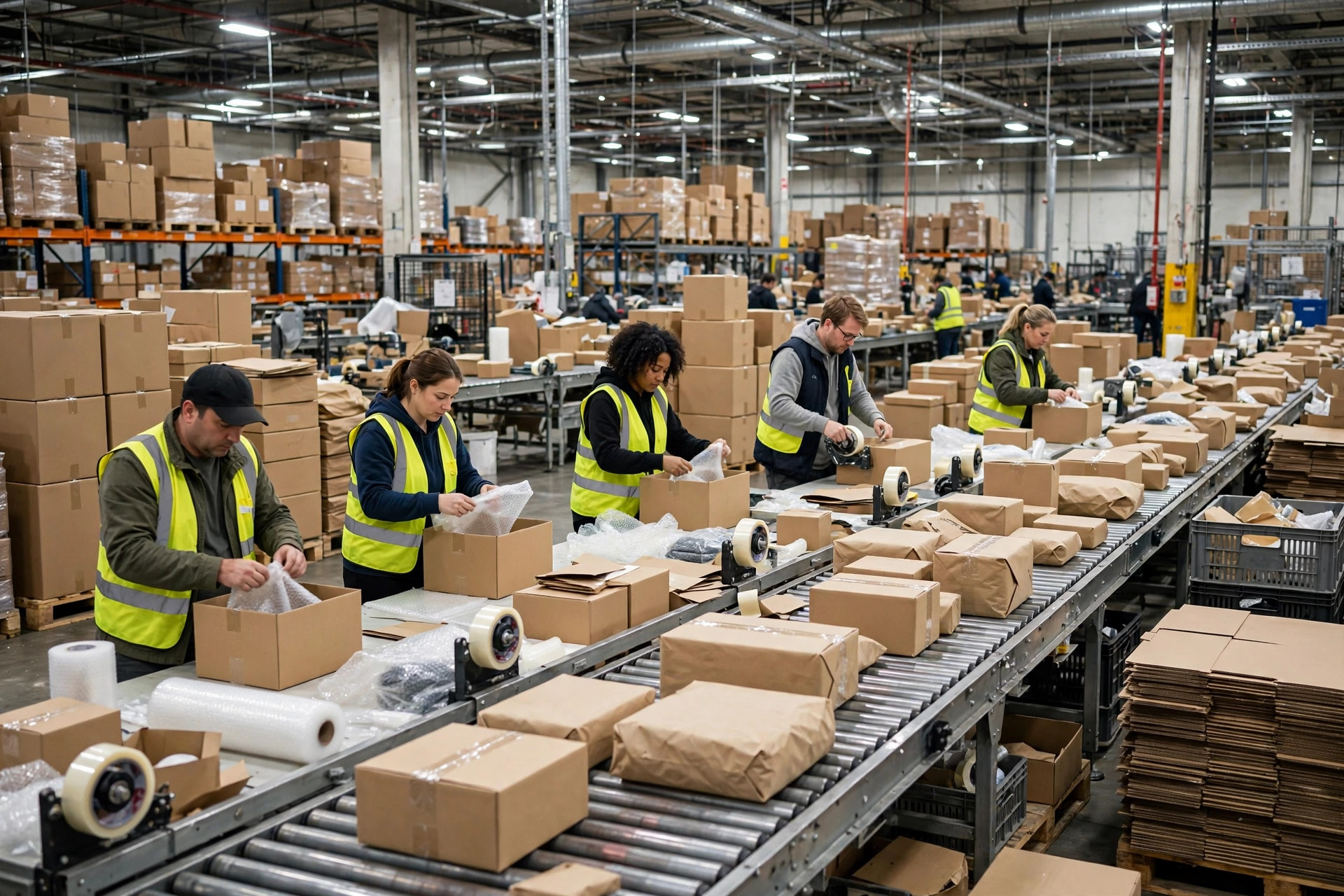
Four people. Two full days. Three wrecked backs, a couple of crushed cartons, and a small fortune spent on pain-relief patches.
That was the week I finally learned what pallet inverters and pallet changers actually are.
Pallet Inverter vs Pallet Changer: What's the Difference?
Both machines move goods from one pallet to another without anyone hand-carrying boxes. Different philosophies, though.
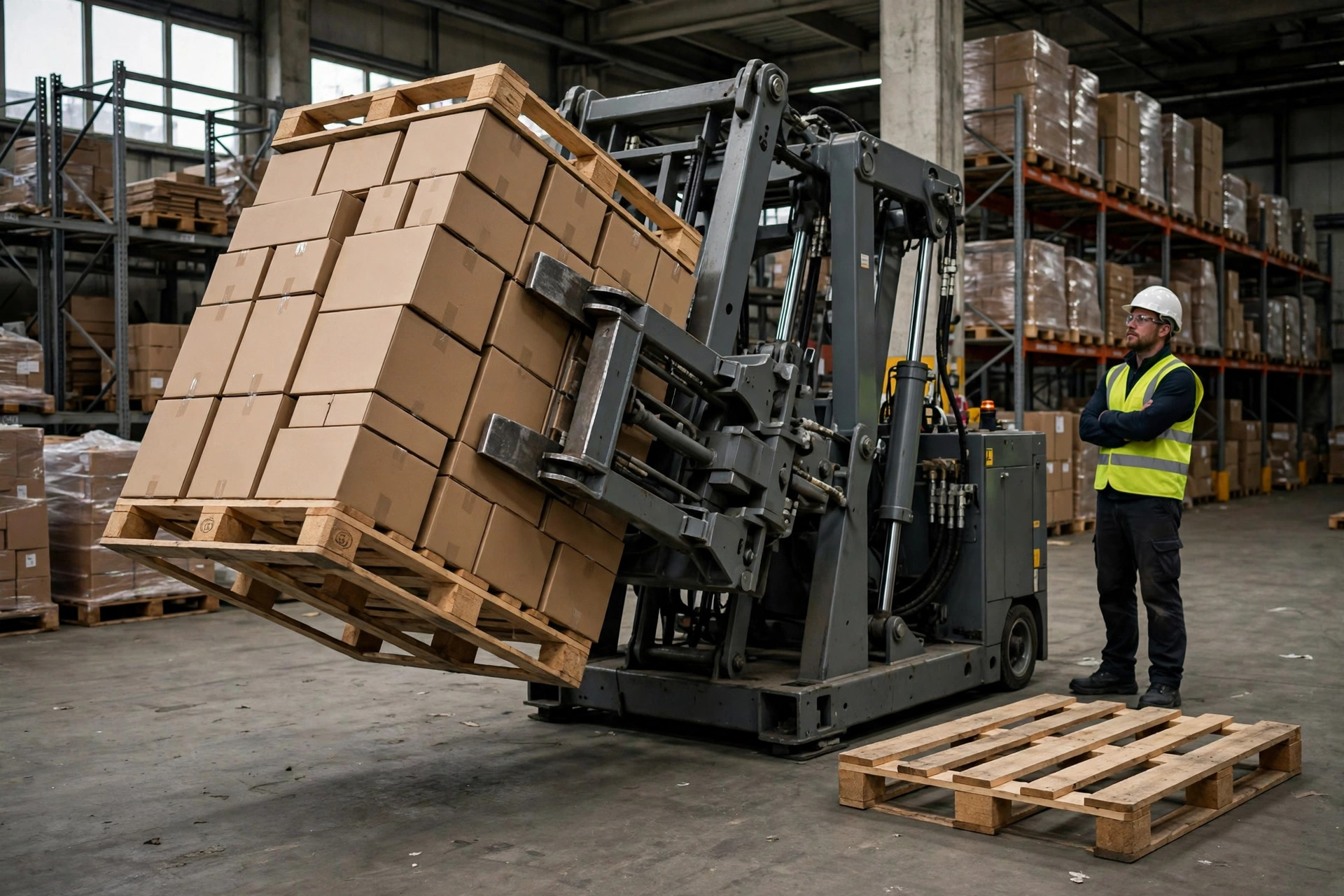
A pallet inverter is the brute: it clamps the entire loaded pallet and flips the whole thing 180 degrees, so the old or broken pallet ends up on top. You pull it off, slide a new pallet in, flip back. The whole rotation takes a minute or two, and one machine replaces several people. Food and pharma companies love these — wood pallets aren't allowed in clean areas, so inbound goods get flipped onto plastic pallets on arrival.
A pallet changer is the gentle one: no flipping at all. A pusher plate or lifting mechanism slides the whole load sideways onto an empty pallet next to it, or lifts the load so you can yank the old pallet out and slide a new one underneath. Liquids and fragile goods can't survive a flip, so this is their machine — a swap can take under a minute.
Sounds beautiful, right? Then I checked the prices and sobered up fast.
I Ran the Numbers: For a Small Warehouse, a Pallet Inverter Is Burning Money
Public listings tell the story: Chinese-made pallet inverters start around three to four thousand dollars, while European and American brands commonly run twenty to thirty thousand. Pallet changers cost a notch less, but add installation, floor space, and maintenance and it's still real money. For a small warehouse like ours, that's not "the right tool for the job" — that's bringing a missile to a mosquito fight.
Here's our math: two people re-stack one standard pallet in about 20 minutes. On a normal day we swap maybe 5 pallets — less than half a day's work for two people. A $20,000 inverter rated at 20 pallets an hour would run at a fraction of its capacity in our shop. Payback period? Don't ask.
Here's the counterintuitive part: the machine does a pallet in 3 minutes, humans take 20 — but the price premium alone would pay for ten years of manual re-stacking. Big companies buy these machines for labor efficiency and injury risk; they flip hundreds of pallets a day. We small warehouses run on cash flow, and an idle machine is the most expensive kind of waste. It's not that the equipment is bad — it's just not our destiny.
And floor space hurts too: park an inverter and there go seven or eight square meters. Our 3,000 square meters sounds roomy until peak season, when there's barely room to walk. Where exactly would His Majesty the Inverter hold court year-round?
| Manual re-stack | Pallet inverter | Pallet changer | |
|---|---|---|---|
| Equipment cost | $0 | ~$3–4k and up (Chinese), $20–30k (Western brands) | A notch cheaper than inverters |
| Time per pallet | ~20 min (2 people) | 1–2 min flip cycle | Under a minute |
| Floor space | None | 7–8 m² and up | Smaller footprint |
| Best for | Small warehouses swapping <20 pallets/day | High-volume plants, food/pharma | Liquids, fragile goods |
| Fatal flaw | Sore backs, slow | Pricey, sits idle | Still pricey |
Our Dirt-Cheap Workarounds: Pallets Get Swapped, Money Stays Put
Can't afford the machine, still have to swap pallets. Desperation breeds creativity. Three tricks, all battle-tested:
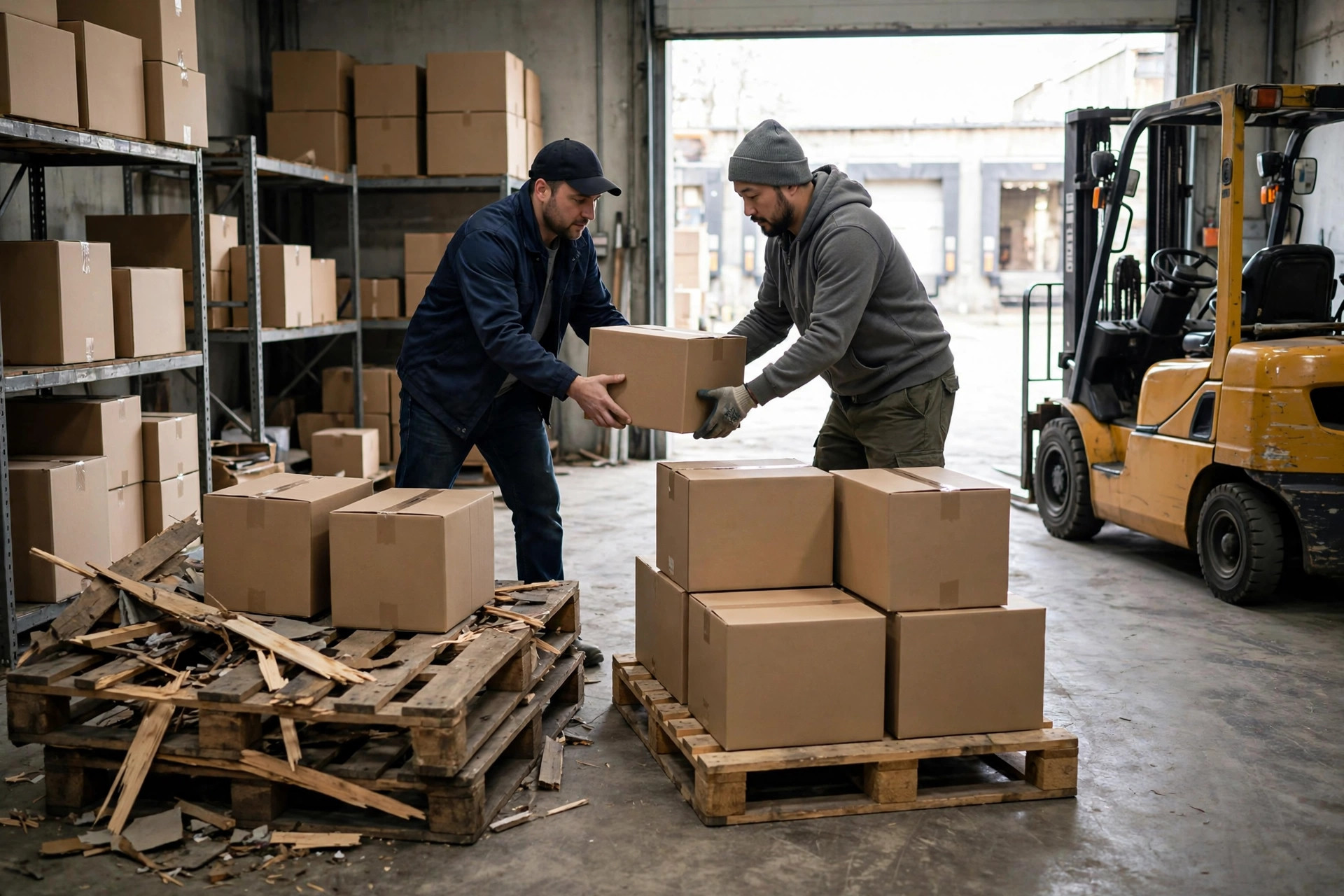
Trick one: stop the problem at receiving — inspect pallets on arrival. Back in March, our forklift driver Lao Wang lifted one inbound pallet and it snapped with a crack — the whole load leaned over on the dock and scared the life out of everyone. That was the day the rule was born: cracked boards, missing blocks, mold — we photograph it at receiving and send it to the supplier on the spot. They either send someone to swap it or credit us extra good pallets on the next delivery. Broken pallets never enter the building, so they never need re-stacking. This one move killed most of the trouble.
Trick two: outsource the swap upstream. After the Hamburg disaster, we negotiated a "swap included" deal with our regular pallet supplier: when they deliver compliant heat-treated pallets, their crew re-stacks our goods for a small handling fee. Cheaper than doing it ourselves — they do this all day, two people, ten minutes a pallet, twice as fast as us. Let the professionals handle professional work; we just pay the small bill.
Trick three: the forklift-assisted backyard method. For neatly stacked, stretch-wrapped pallets, skip the box-by-box routine: the forklift lifts the whole load just a few centimeters, one person pulls the old pallet out and slides the new one in, forklift sets it down. Done. Two minutes a pallet, honestly not far off a pallet changer. Warning: only for square, wrapped, stable loads. Loose, heavy, or fragile stacks — don't try this at home. Safety first.
The result? We've had two more export orders since last fall. Total pallet-swap time: under a third of before. Pain-patch budget: basically zero. When the customer inspected the goods and saw the pallets swapped so neatly, they assumed we'd bought some fancy new machine. I told them we had — it's called the "Human Pallet Changer 2.0." They laughed.
Three Pieces of Advice for Fellow Small Warehouses
- Count your volume before you look at equipment. Swapping fewer than 20 pallets a day? Don't browse inverter ads — you'll just get tempted and burn cash. When the volume talks, then talk machines. That's called investing; buying before that is called paying tuition.
- Write pallet swaps into your supplier contracts. Pallet quality, heat-treatment stamps, broken-pallet replacement — put it in writing. Beats any machine you could buy. Let problems happen at someone else's place, not yours.
- If you must buy, buy used or rent. Inverters are durable; big companies retire perfectly good ones, and used prices can be half. Short-term big order? Rent by the month. Never buy new on day one — a small warehouse's cash flow can't survive "doing it right the first time."
Small warehouses have small-warehouse ways of living: problems that big companies solve with equipment, we solve with brains and shamelessness. Pallets still get swapped, not a cent burned, backs intact. Good enough for us.
By Xiao Ma, Small Warehouse Owner