March 27th, 5:30 in the morning.
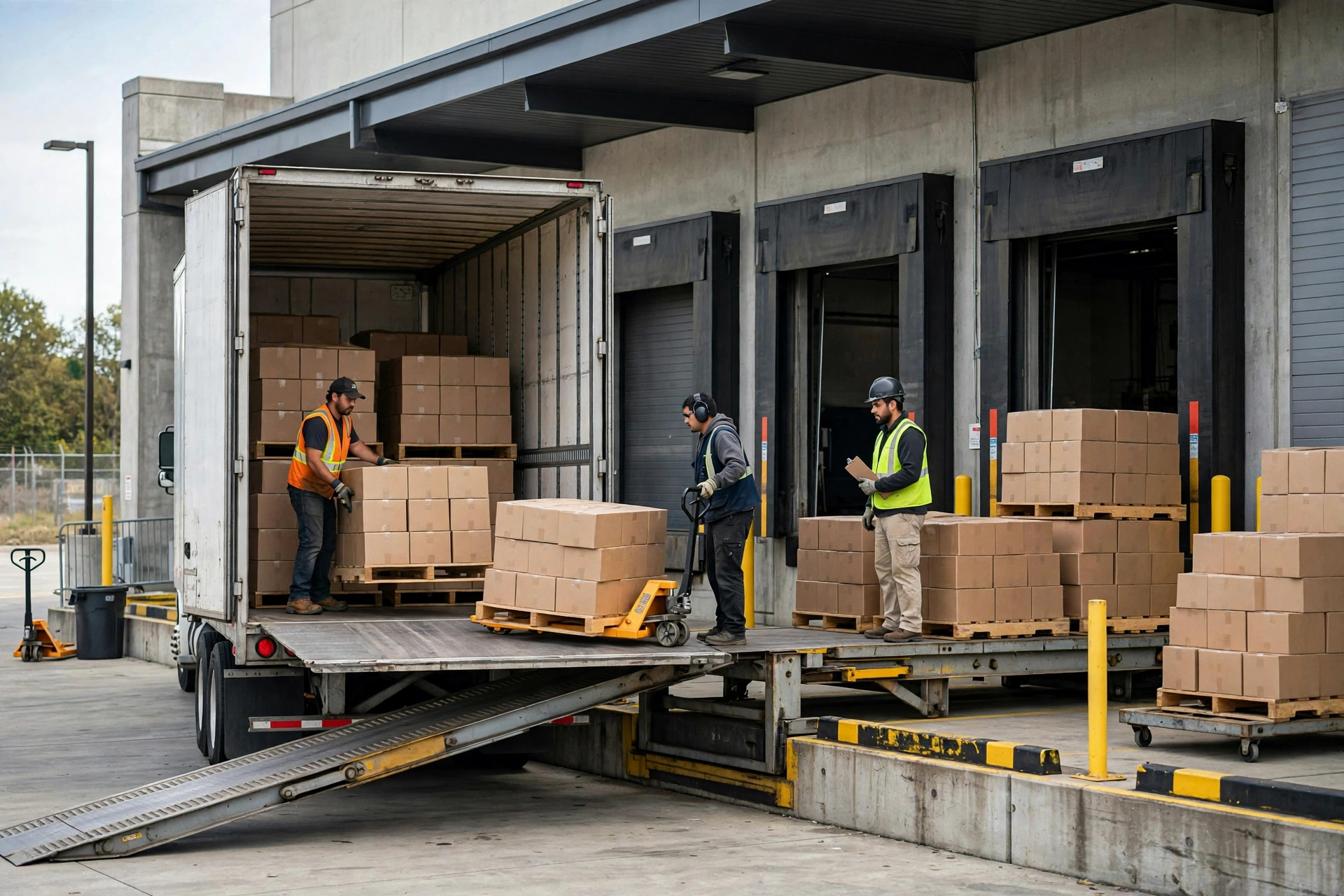
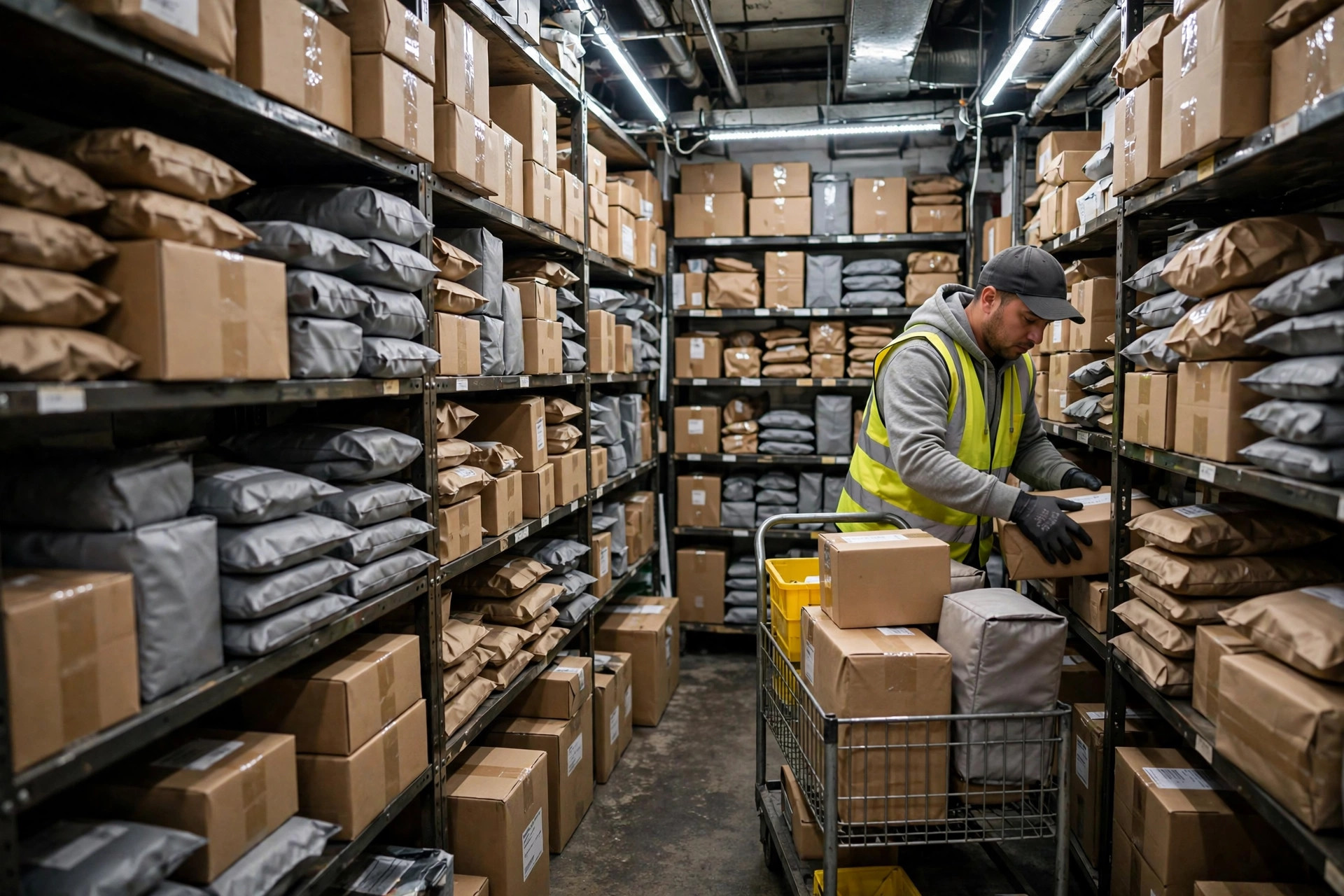
I was standing by the dock door with a cigarette. Three trucks of spring-summer goods were already lined up, drivers dozing in their cabs. Inside the warehouse? Winter down jackets were still sitting on the 200 best pick slots near the packing stations, while Xiao Wang had to run 80 meters from the back of Zone B just to pick one T-shirt. This is what seasonal changeover looks like in an apparel warehouse, twice a year.
If you run an apparel warehouse, you know this scene. Seasonal changeover hits twice a year, and it is the biggest test we face. It doesn't test how big your building is or how fancy your system is. It tests one thing: sequence. What moves first, what moves last, and which crew works which wave. Get the sequence wrong and everyone runs themselves ragged for three months. Get it right, and peak season feels almost calm.
How the Problem Showed Up
Our facility is about 12,000 square meters, apparel only, two big flips a year: winter-to-summer at the end of March, summer-to-winter at the end of September. The first changeover I ran, back in 2022, we did it the dumb way — the boss said "finish it this week," so we threw everyone at it and worked through the night.
We finished, technically. But it was a mess. Hot-selling spring items ended up on high shelves where pickers needed ladders. Returned winter goods piled up in the aisles and got us a fire-code fine. Worst of all, normal orders kept shipping during the flip, and pick accuracy dropped below 96%. Customer complaints exploded.
I ran the numbers afterward: roughly 3,100 labor hours went into that changeover, yet picking efficiency in the first two peak months came in 12% lower than before the flip. We worked for nothing and paid extra for the privilege. That's when I understood — changeover is not manual labor, it's a scheduling problem.
What We Tried, and What Stuck: Three Flip Waves, Three Labor Waves
The next year I got smart. I locked the shift leads in a room for three days, and we came out with three rules we still use today.
Rule one: three waves, never all at once.
Wave one is the "clear-out," starting 20 days early. One goal only: push off-season goods backward, upward, and to the edges. Slow-moving winter stock gets packed and sent back to the main DC or moved to the B-grade zone. It never touches the golden slots. This wave doesn't disturb bestsellers or daily shipping — the night shift handles it as routine work.
Wave two is the "swap," starting 3 days before inbound trucks arrive. This is the hardest wave: new goods go up, slots get reshuffled, all in one pass. We slot by forecasted sales for the next 60 days, not by arrival order. Don't mystify forecasting — for apparel it comes down to three inputs: same-period sales last year, this year's order-book data, and e-commerce presale numbers. Cross-check the three and you'll be close enough.
Wave three is the "clean-up," running 7 days after the new goods are live. It exists for exceptions: the style that blew up on presale but got too few slots, the returns trickling back, the broken-size consolidation. The clean-up wave is mandatory. Skip it and the first two waves are wasted — in apparel, an 80% accurate forecast already makes you a top performer.
Rule two: stagger labor waves half a beat behind the flip waves.
This one cost us blood. We used to let the changeover and normal shipping fight over the same people, and both suffered. Now it's fixed:
- Day shift (8:00–17:00): normal orders only. Nobody gets pulled. Shipping never stops.
- Night shift (19:00–04:00): changeover only. Headcount is about 60% of day shift — but every single person is a veteran.
Why veterans only at night? Honest talk: changeover work with rookies is asking for trouble. They don't know the slots, they're slow on the system, and one misplaced SKU haunts you for three months. Our "changeover strike team" is 12 people, all with 3+ years in the building. They own the night shifts; day shifts rotate normally. Morale? Night differential is doubled, plus a team dinner when the flip is done. Money spent where people can see it.
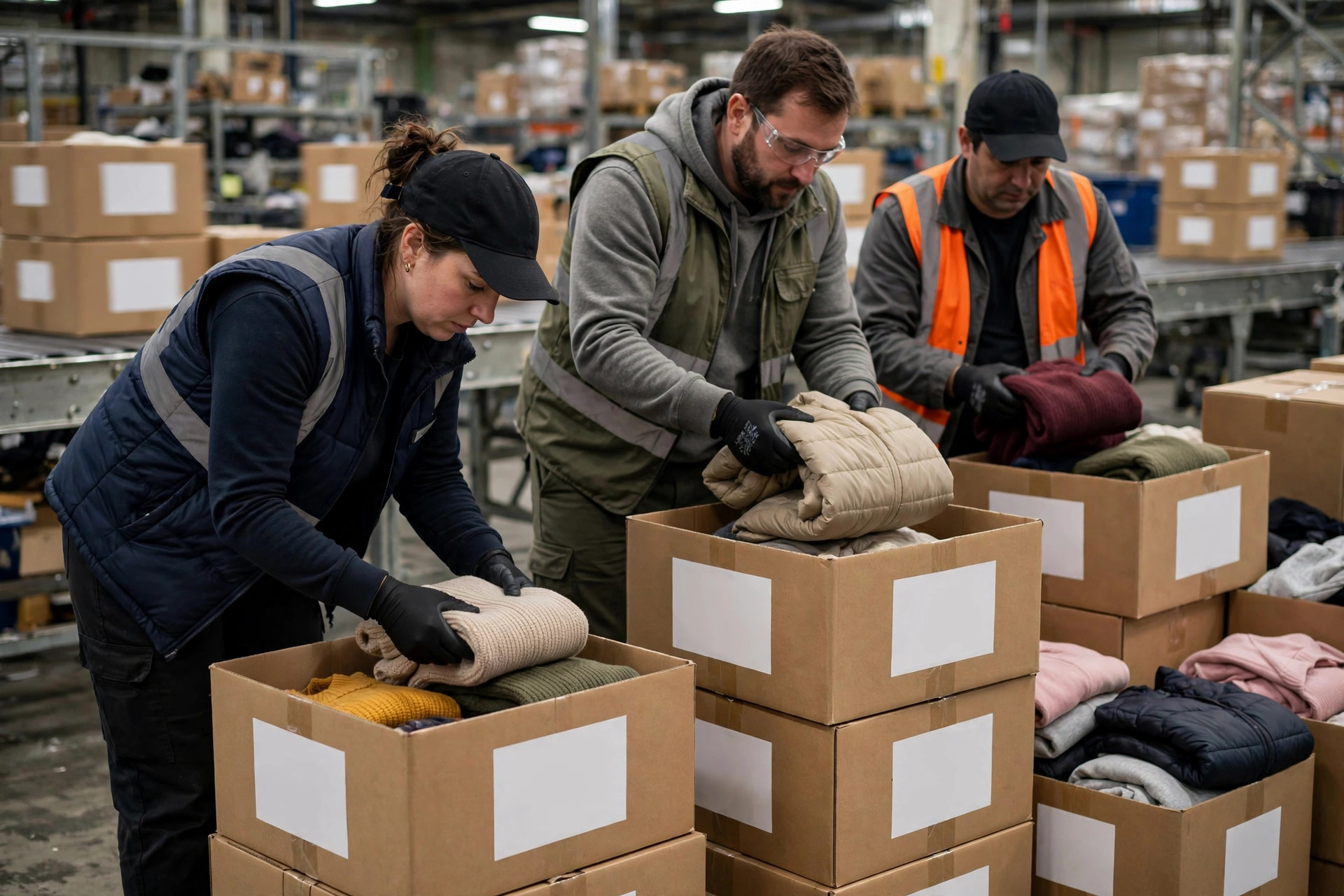
Rule three: rookies only join the clean-up wave.
A lot of peers love the "veterans mentor rookies, everyone trains" idea during changeover. My advice: drop it. The swap wave is high-intensity, high-accuracy work. A rookie there is a liability — one wrong slot placement, and peak season pays for it daily. Rookies join the clean-up wave only: low intensity, high tolerance, veterans watching over their shoulders. Perfect training ground. Our rookie probation now includes a "zero-error clean-up wave" requirement, and it teaches more than any classroom session.
Let's Do the Math: Changeover Hours In, Peak Efficiency Out
Real numbers from our September flip last year (summer-to-winter):
| Metric | Before (brute-force method) | After (three-wave method) |
|---|---|---|
| Total changeover labor | ~3,100 hours | ~2,600 hours |
| On-time shipping during flip | 93% | 98.5% |
| Pick efficiency, first peak month | baseline | up ~18% |
| Labor hours saved over 3 peak months | — | ~4,100 hours |
The math is plain: the extra thinking in changeover planning buys back 4,100 labor hours across peak season. Every hour invested in the flip has to earn itself back in peak picking efficiency. If it doesn't, it's just busywork. That's the only standard we use to judge a changeover now.
A Counterintuitive Call
Most people think faster changeover is better — "done in three days, how clean." Here's my honest take: a slower flip actually costs less.
We've done the 7-day sprint and the 25-day steady run. The sprint burns everyone out, error rates spike, and you spend three months cleaning up after it. The steady run looks slow, but errors stay low, daily shipping never blinks, and nobody curses your name.
The trade-off is real: flip speed vs. flip quality vs. daily shipping — you can only protect two. We protect quality and daily shipping; speed takes the hit. Seasonal changeover isn't a same-day flash sale. Start 20 days early and there's enough time. What's usually missing isn't time, it's a plan.
A Few Reminders: Four Things Before Your Next Seasonal Changeover
First, run a "slot health check" before every flip: pull each SKU's pick frequency over the past 60 days from the WMS. Top 20% SKUs must land in golden slots. The data is already there — don't guess.
Second, don't get sentimental about off-season stock: slow winter jackets get returned or moved to B-grade. Slots cost money. One golden slot holding a dead down jacket is a daily late fee.
Third, never skip the daily flip huddle: 15 minutes before the night crew clocks out — three numbers only: SKUs moved today, errors found, tomorrow's plan. The day the numbers stop, the flip goes sideways.
Fourth, take care of the night-shift veterans. Changeover is hard, dirty work. Why should they grind for you? Pay the differential, buy the dinner, put them first at year-end reviews. A warehouse runs on people. The fanciest system in the world doesn't change the fact that at 3 a.m., it's still a human being standing in front of the rack.
That's how we do it now. Twice a year, and it gets smoother every time. If you're running an apparel warehouse, try the three waves — and next year at this time, you can stand by the dock at 5:30 a.m. and watch the trucks roll in without breaking a sweat.
By Chen Feng, Warehouse Operations Manager