Let me start with a rant. A broker tells you "great location, cheap rent, move in tomorrow." You believe him. You sink $70,000 into racking and fit-out. Then you find out the place was never legally allowed to operate as a warehouse. I almost became that idiot.
Early 2023, I was selling cross-border e-commerce out of Shenzhen. Orders were climbing, and the third-party warehouse I used kept blowing up every peak season — delayed shipments, wrong picks, the works. So I decided: lease my own 2,000-square-meter space. Budget was tight. The logistics parks the broker showed me started at around $1.10 per square meter per day. Then he showed me a "converted factory" at $0.60 — bigger, cheaper, and the landlord swore "fire inspection and environmental permits, all guaranteed."
I almost signed. Then, right before putting pen to paper, I asked one question: what exactly is this land zoned for?
First, Understand the System: M1/M2/M3 vs. W1/W2/W3
China classifies all urban land (under the national standard for urban land classification). For warehouses, only two categories matter:
- M: industrial land, split into M1, M2, M3 by level of environmental impact
- W: logistics and warehousing land, split into W1, W2, W3
Both max out at 50-year grant terms — but that's the maximum; the actual term is in each plot's land-grant contract. And here's the real trap: allocated land. Some industrial land was allocated by the government for free rather than sold. Allocated land generally can't be mortgaged or subleased. Leasing a building on allocated land is like building on sand.
One-line summary: W is a proper "warehouse hukou," M is a "factory hukou." Running a warehouse on a factory hukou means friction everywhere. (Local policies vary widely — always confirm with the local natural resources, housing, and fire authorities.)
Where the Traps Differ: Four Killers
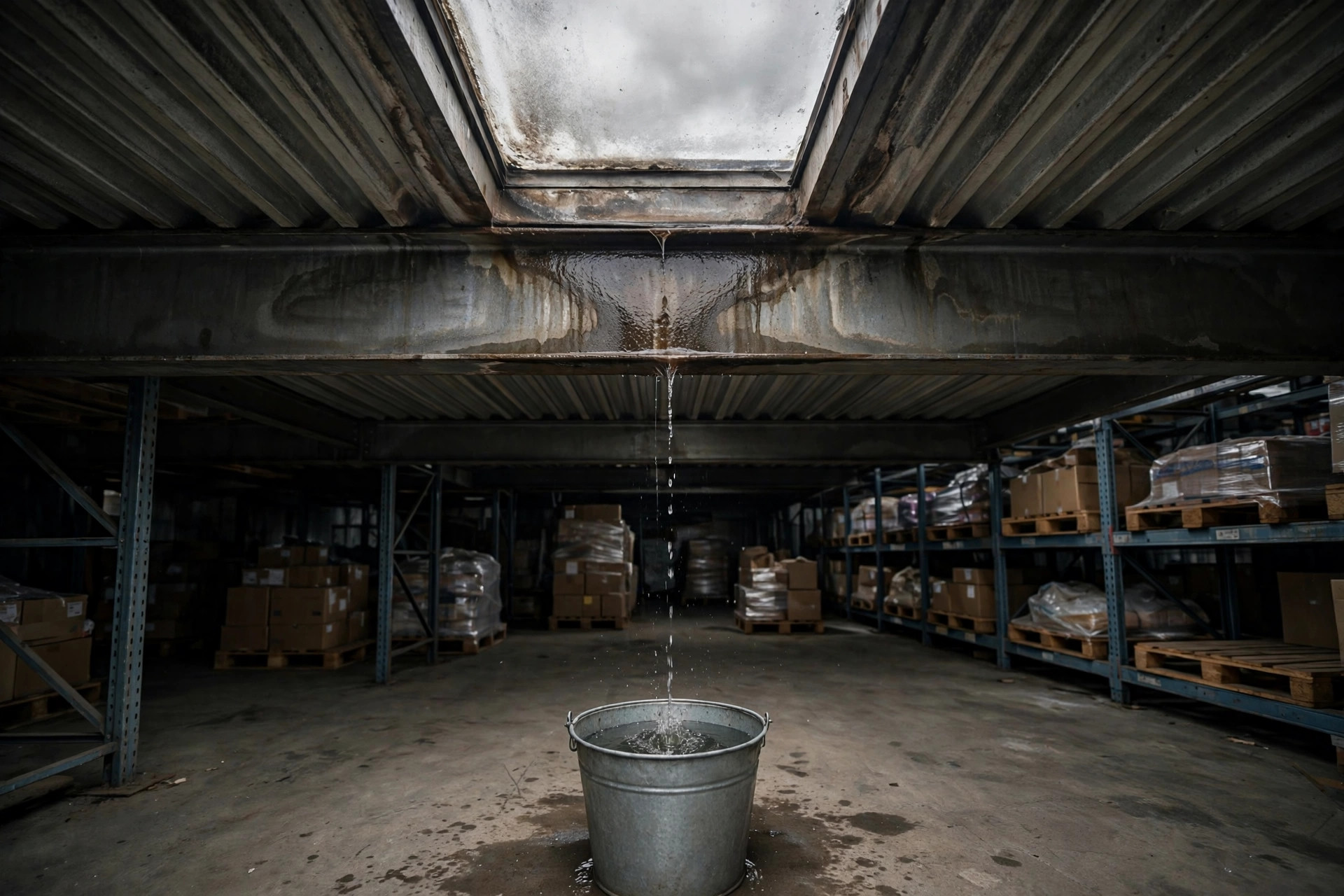
One: fire inspection standards. This is the big one. Factories are inspected under the factory categories of the building fire code; warehouses are inspected under the fire-hazard categories of stored goods. You lease a Class C factory, convert it to a warehouse, and your goods push it into a higher hazard class. The fire bureau looks at it and says: wrong standard, rejected. Remediation means sprinklers, fire compartments, water tanks — starting around $70,000 with no ceiling.
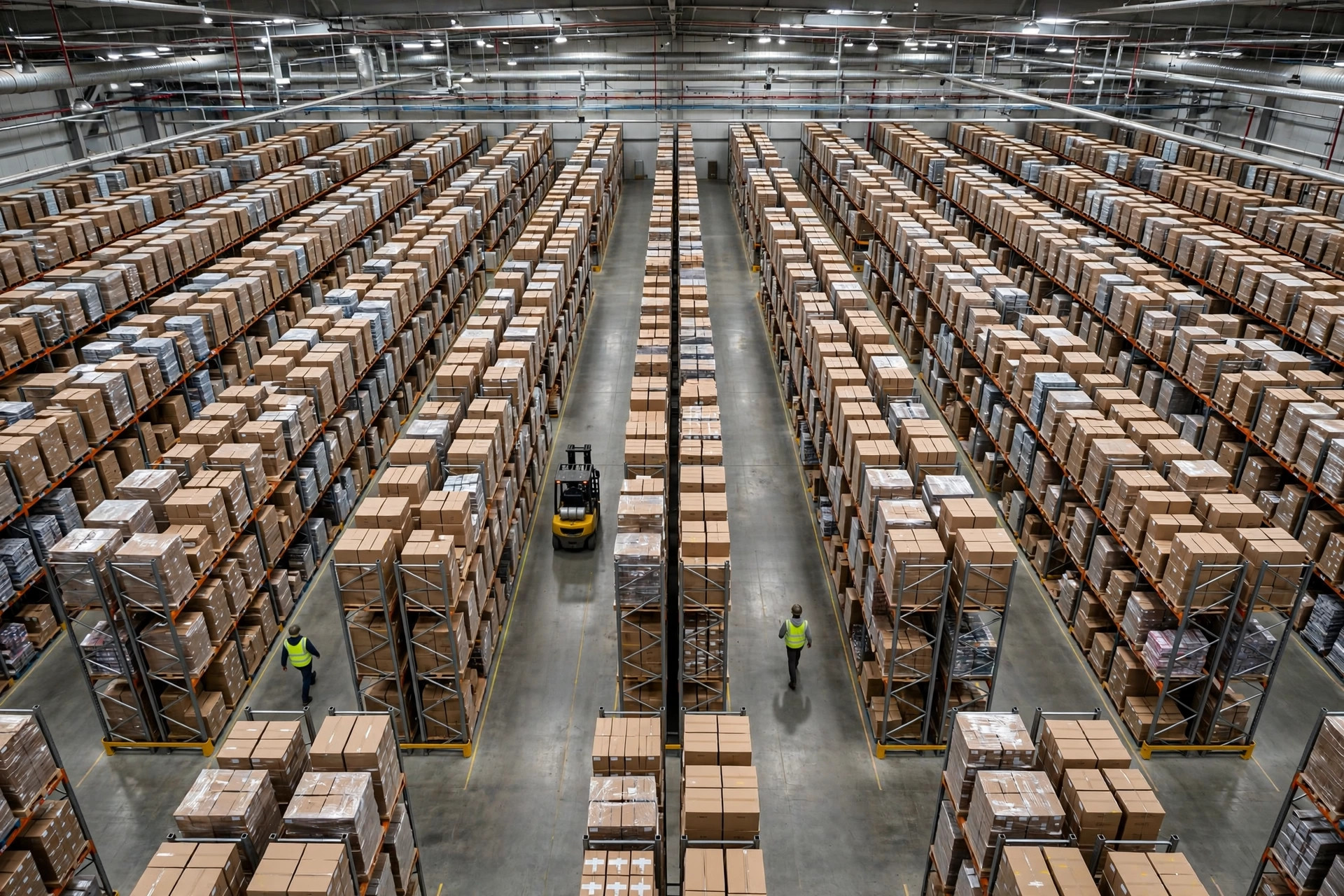
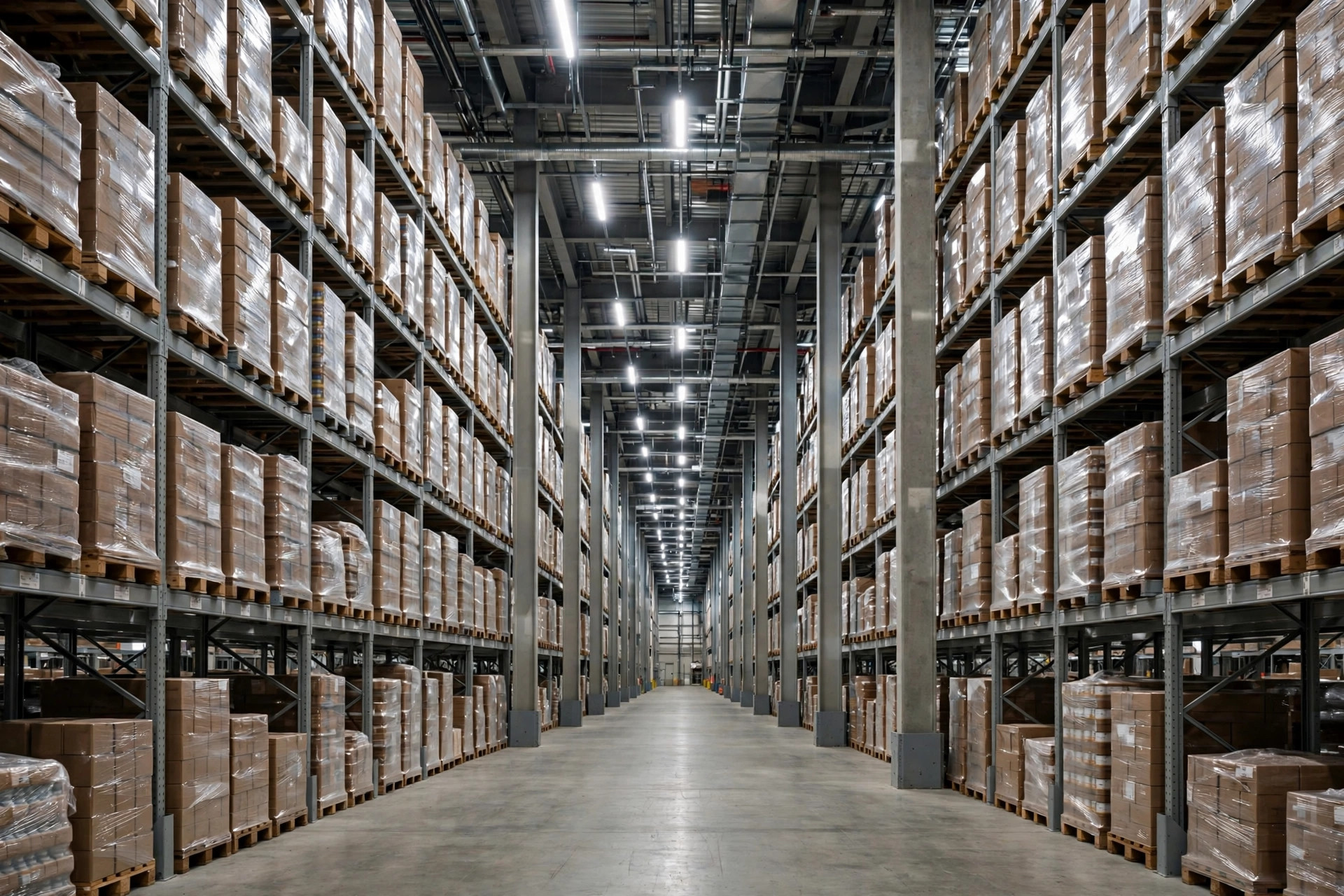
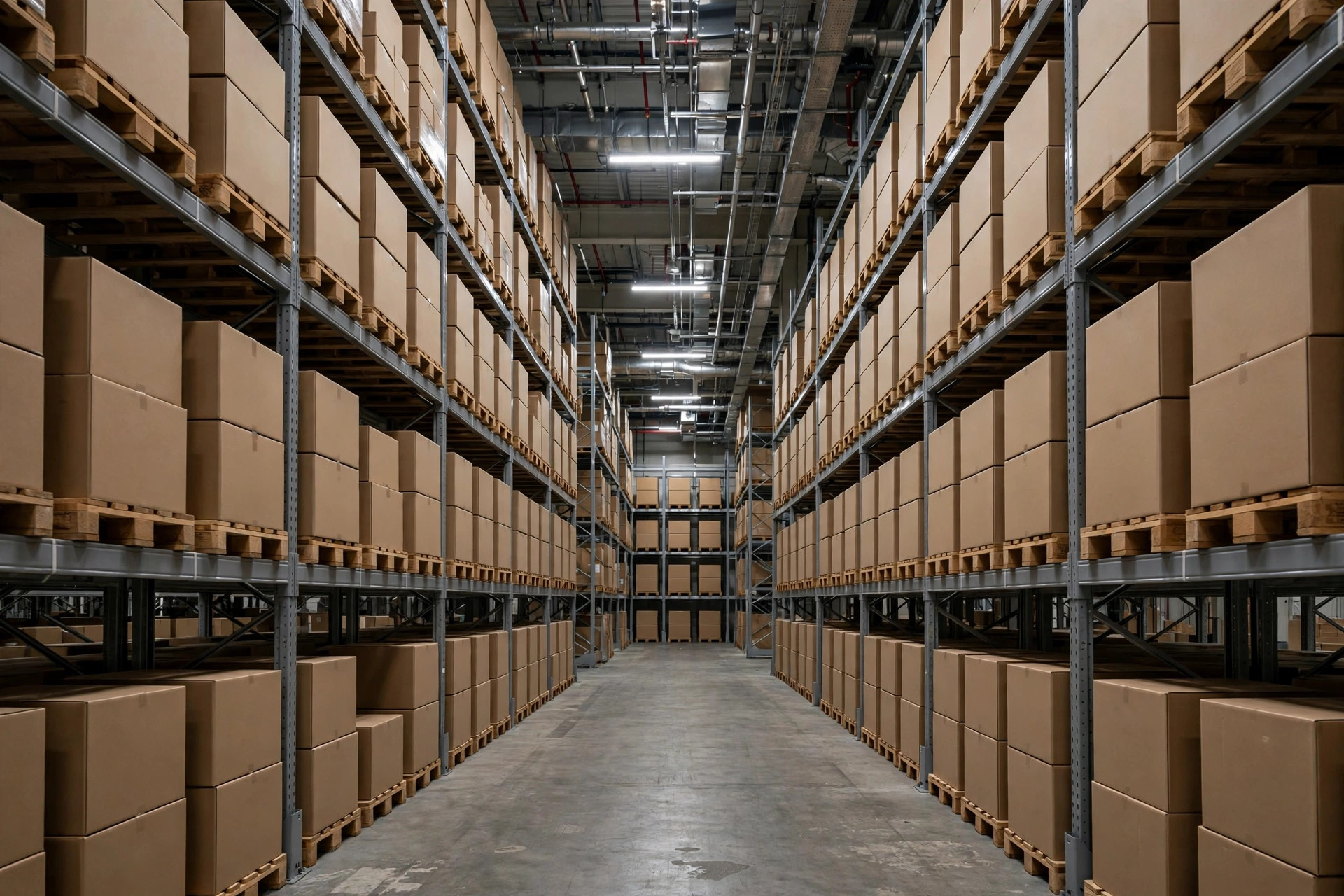
Two: racking height limits. Old factories run 6–8 meters clear height, often with crane beams overhead. Want 9-meter racking? Forget it. Purpose-built logistics warehouses on W land run 9–12 meters as standard, high-bay racking no problem. Same 2,000 square meters, double the cubic space. The "cheap" rent per square meter turns into expensive rent per pallet position.
Three: environmental and business registration. On industrial land, some cities make you redo the environmental assessment for warehousing use; some won't process it at all. Worse: in some places you can't even get a business license with an industrial-land lease, or you can only register as a "factory" rather than a "warehouse" — which haunts you later with invoicing and tenders.
Four: sublease validity. Buildings on allocated industrial land often have incomplete title in the landlord's hands. When they sublease to you, the contract itself is questionable. If things go south, good luck recovering your deposit and fit-out money.
The Numbers: Side-by-Side
| Factor | Logistics land (W1/W2/W3) | Industrial land (M1/M2/M3) |
|---|---|---|
| Rent | 20–40% higher | Cheaper sticker price, high hidden costs |
| Fire inspection | Warehouse standard, high first-pass rate | Factory standard, conversion likely fails |
| Racking height | 9–12m clear, high-bay racking fine | Old factories 6–8m, crane beams in the way |
| Environmental/registration | Smooth process | May need new assessment, registration can stall |
| Sublease/mortgage | Granted land usually fine | Allocated land: no mortgage, sublease restricted |
| Grant term | Up to 50 years | Up to 50 years (per the actual grant contract) |
Local policies vary — confirm with local natural resources, housing, and fire departments.
Two Real Cases: One Burned, One Dodged
Burned: my friend, Dongguan, 2022. He leased a 3,000-square-meter "converted factory" at nearly half the going rate of nearby logistics parks. He put $70,000 into fit-out and racking. Pre-opening fire inspection verdict: inspected as a Class C factory, your stored goods don't qualify. Remediation quote: sprinklers plus fire compartment walls, $85,000. He argued with the landlord, who shrugged: "The contract never said I'd guarantee the fire inspection." He ate it — $85,000 in remediation plus three months of dead rent. Close to $140,000 gone.
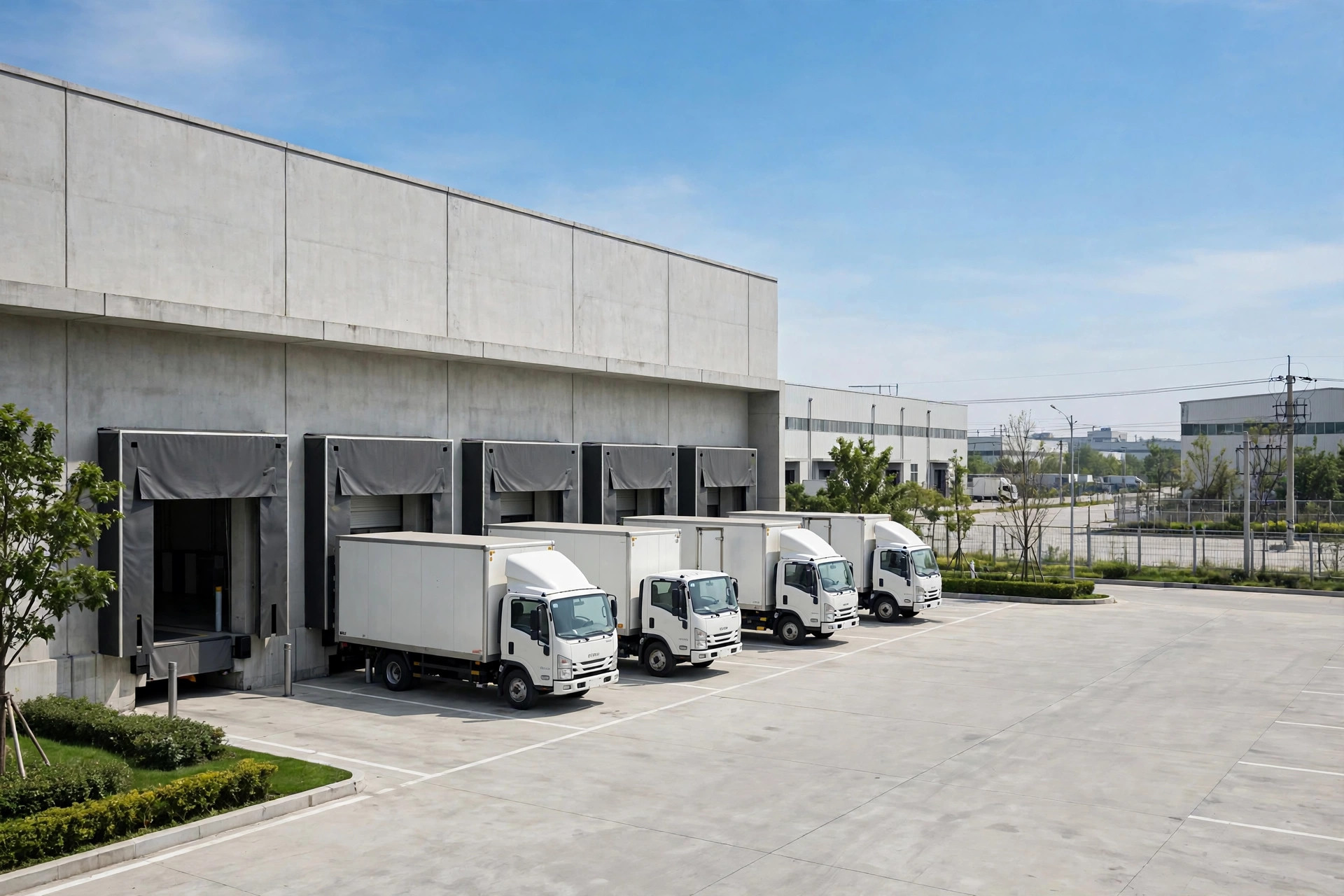
Dodged: me, Shenzhen, 2023. That $0.60 "converted factory"? I paid a local agent $30 to pull the title record: land use "industrial," and allocated, not granted. I walked away and leased in a logistics park at $1.10. Expensive, sure — but fire inspection passed first try, business license in a week, racking up to 10 meters. Per pallet position, it actually cost less than the "cheap" option.
Before You Sign: Four Checks, Non-Negotiable
One: check the title certificate. Look at the "land use" field — industrial or warehousing — and whether it's granted or allocated. A landlord who won't show you the certificate? Walk away, don't even negotiate.
Two: check the zoning plan. Pull the regulatory detailed plan for the plot (or have an agent do it) and confirm the planned use hasn't changed. Some plots look like warehouses today but are already rezoned residential. Demolition notices don't negotiate.
Three: ask the fire bureau. Take your floor plan and your goods list to the fire department and ask: under which standard will I be inspected? Don't trust the landlord's verbal "guaranteed." Write it into the contract: "If fire approval fails due to land or building classification, the landlord refunds the full deposit and compensates fit-out losses." In writing, or it didn't happen.
Four: look at the neighbors. Are there warehousing companies already operating normally in the same building or park? If yes, that's the best due diligence there is. Someone running clean for three years proves the path works.
This one I verified in real life: $30 on a title search before signing beats $70,000 on remediation after. Location, price, and clear height all matter when leasing — but the first thing you check is the land zoning. Wrong hukou, and nothing else matters.
By Ah K, E-commerce Seller (5 yrs)