Let me complain first, because I earned the right. Sellers like me obsess over listings, ads, and competitors, then act like the job ends when cartons enter the warehouse. It does not. I learned that when apparel stock came back with mold spots and the returns and bad reviews arrived together. That is why warehouse humidity control mold prevention is not just the warehouse team's homework. It is your inventory and your money sitting on those pallets.
warehouse humidity control mold prevention starts with dew, not damp floors
Here is what I got wrong at first. If the floor looks dry and the air feels fine, the goods are safe, right? Wrong. Air always carries moisture. When temperature drops, that moisture condenses on the coolest surface it can find — the same reason glasses fog up indoors and a cold soda can sweats. In a warehouse the coolest surfaces are often freshly arrived cartons, stock against an outside wall, and metal racking. Once a carton surface gets that film of moisture, the box softens, and shoes, apparel, leather goods, and paper packaging start drinking it in. Mold now has a place to live.
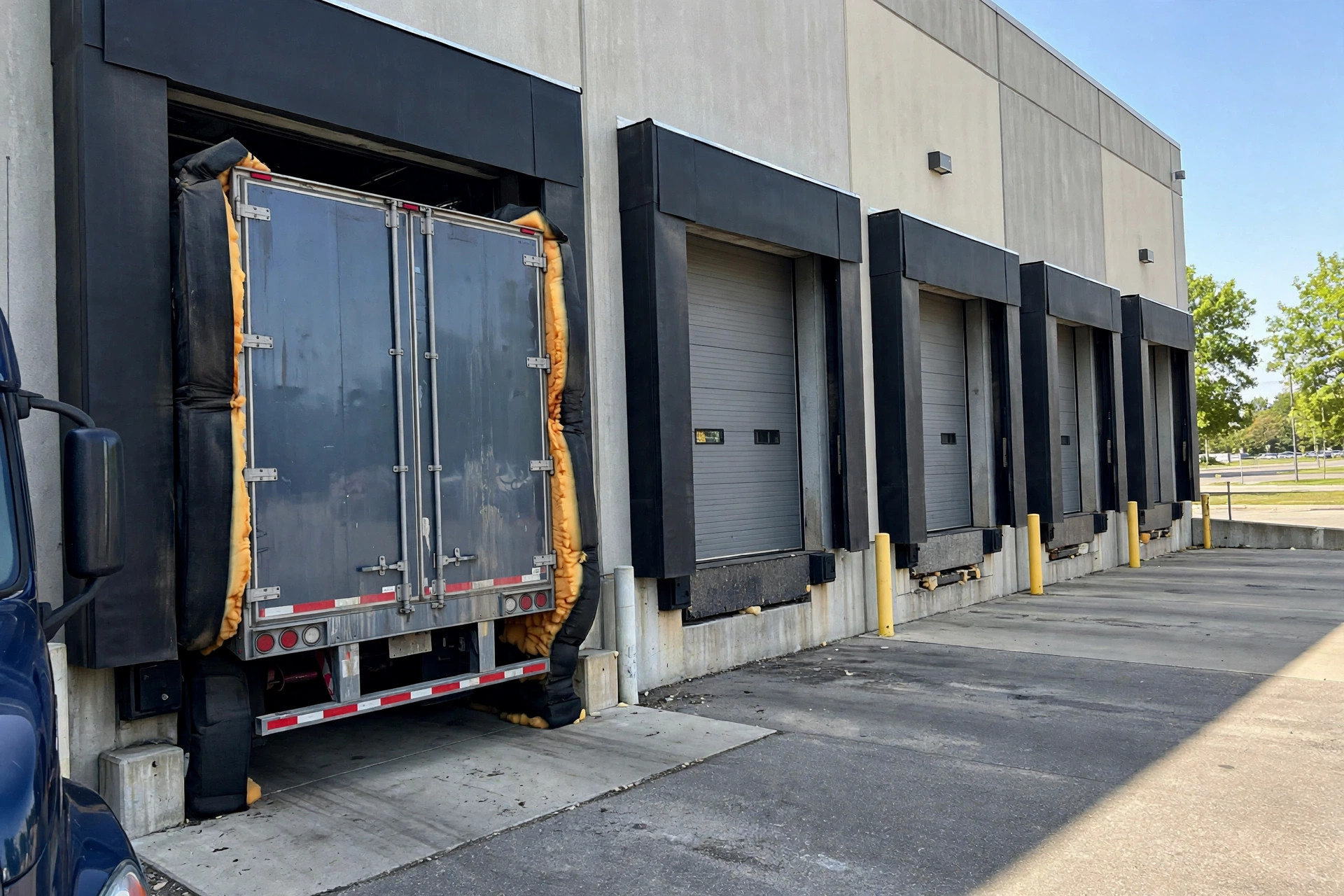
Illustrative example one: rainy season, 2023, illustrative example with invented details. A container load of sneakers arrived feeling stuffy the moment the doors opened. The outer cartons felt cool and slightly damp. We were rushing to get stock listed, so receiving sampled a few outer boxes and put everything away. Two weeks later, spot checks found mold inside cartons that had sat near the container doors and at the bottom of the stack, while stock stored later in a ventilated bay was fine. Containers swing through temperature changes on the road and arrive like sealed, humid boxes. The most dangerous moment for your goods is exactly the moment your team is most rushed and most tempted to wave receiving through.
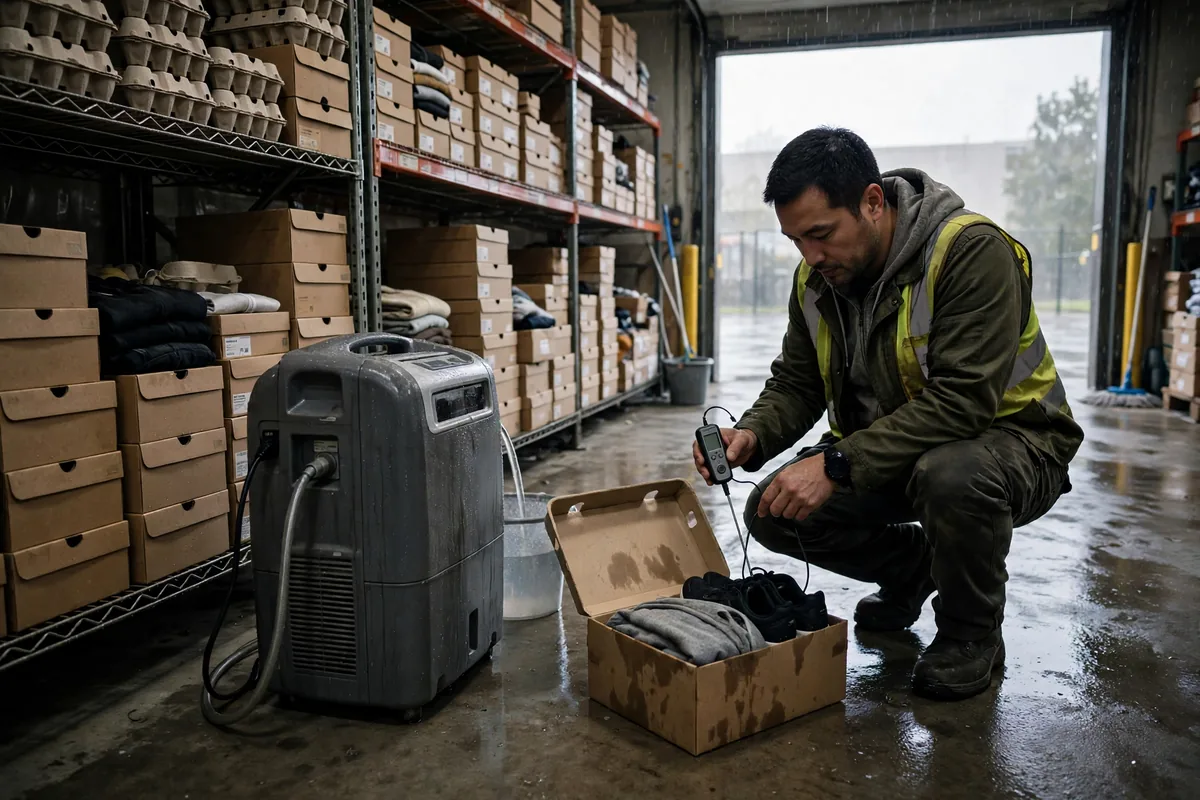
So my receiving check changed. Water marks, soft or sagging cartons, a musty smell, fogging inside the inner packaging — any of those means the carton does not go straight into good stock. Hold that thought, because the spending mistakes come next, and I have made most of them.
warehouse humidity control mold prevention spending: desiccant, dehumidifiers, and ventilation
Desiccant first, because the math pitfalls are sneaky. Desiccant is not magic insurance, and more is not automatically better. Each pack can absorb only so much moisture, then it is done — and in a humid rainy season it gets done fast. The classic mistake is averaging: one pack per carton, spread evenly, looks fair. It is not. Cartons by the door, against the wall, and at the bottom of a stack face a completely different risk from cartons in the middle of the bay. Averaging protects nobody properly. The other mistake is timing. If stock will sit for months and nobody rechecks the desiccant, it may have saturated halfway through storage while you assume you are covered. Quantities and replacement timing should follow your product requirements and the supplier's guidance — there is no one-pack-fits-all number worth trusting.
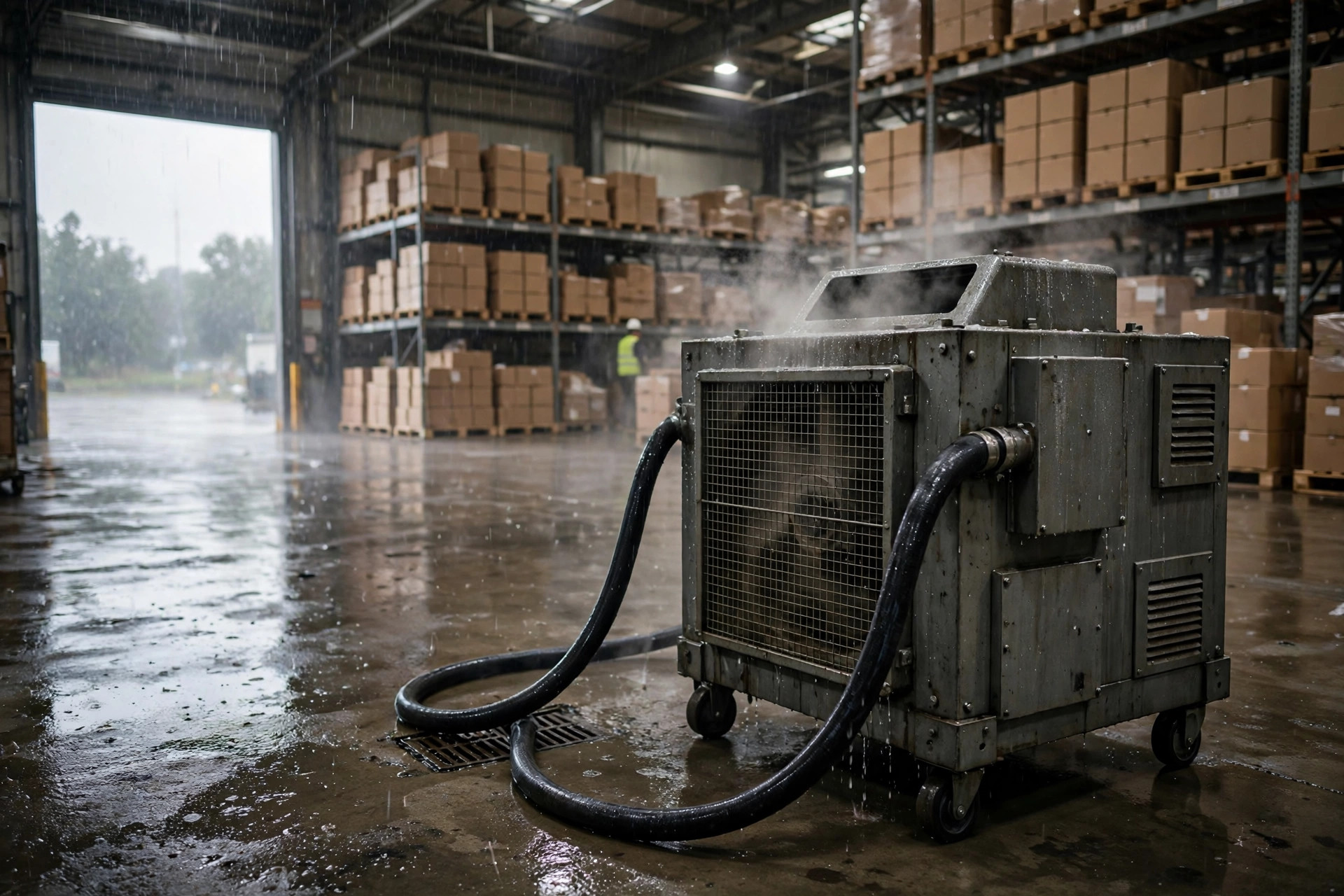
Illustrative example two: a batch of leather accessories last year, illustrative example. My first instinct was ventilation all day — moving air must mean dry air, right? Then the rainy stretch hit. The outside air was wetter than the inside air, so every hour of ventilation imported moisture, and the monitoring readings kept climbing. We flipped the routine: doors closed and dehumidifiers leading on wet days, ventilation only when outside air was actually drier, pallets raised off the floor with a gap from the walls. The same bay stabilized. That is the real trade-off. Ventilation is free, but it only helps when outside is drier than inside. A dehumidifier costs electricity, but it still works when the whole world outside is soaked. Expecting one tool to win in every weather is the tuition I already paid for you.
Here is the decision framework I actually use. It is an illustrative example of the logic, not a regulation:
| Situation (illustrative example) | First move | What not to do |
|---|---|---|
| Dry, breezy outside; stuffy inside | Ventilate | Run dehumidifiers all day on principle |
| Days of rain; outside wetter than inside | Close up and dehumidify | Open doors wide and ventilate hard |
| Container just arrived; cartons cool and damp | Quarantine and inspect harder | Mix straight into good stock |
| Long storage of shoes, apparel, leather, paper packs | Monitor closely; focus desiccant on risky spots and recheck | Scatter evenly once and forget it |
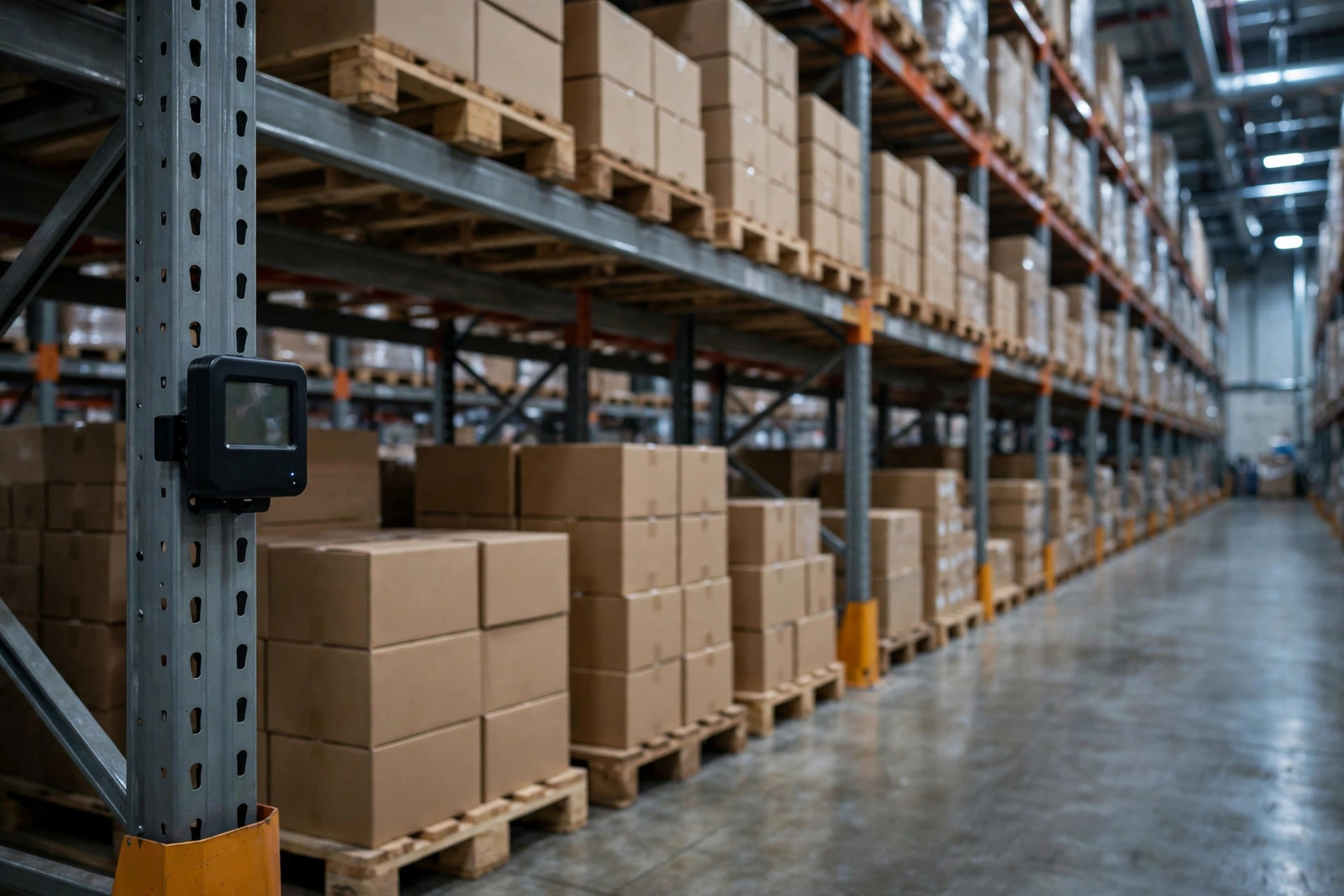
Monitoring points matter more than monitor count. Put your attention where trouble starts: outside walls, roller doors, the bottom layer of stacks, and the staging area for container arrivals. Common practice is to keep relative humidity within a range your products can tolerate, but fabrics, leather, and paper packaging differ a lot, and any commonly quoted range is only a reference — your product requirements govern, full stop. And when a batch arrives damp or smelling musty, quarantine it in a separate area, clearly labeled by batch. Rescue what can be rescued, delay listing what you are unsure about, and never park suspect cartons touching good stock. Mold spreads to neighbors. Picking moldy units out of good inventory later costs far more in labor and returns than the ten careful minutes at receiving ever will.
One more routine worth copying: talk to the warehouse early, in plain language, before anything goes wrong. Do not open with a complaint that the building feels damp. Bring specifics — which batch, which bay, what you found, ideally with photos. Warehouses do not want moldy stock on their hands either, and agreeing in advance where sensitive goods live, where suspect cartons get quarantined, and who rechecks desiccant status costs almost nothing compared with arguing after a batch is ruined. I also changed how I buy in the rainy season: smaller, more frequent replenishments instead of one huge batch sitting through weeks of wet weather. The longer stock sits, the more chances moisture gets, and that holding cost is the same money as the capital tied up in inventory — sellers should stop counting them as two separate problems. Finally, brief whoever receives for you. A ten-minute receiving habit only works if the person on the dock actually does it on the rushed Friday afternoon load, not just when you are standing there watching.
My closing routine is unglamorous: touch the cartons, smell them, check the bottoms, split long-stay stock by risk spot, and in rainy season assume outside air is wetter until proven otherwise. This trick worked for me in real operations — since I started receiving this way, I have not paid for a whole batch lost to mold again.
By Ah K, E-commerce Seller (5 yrs)