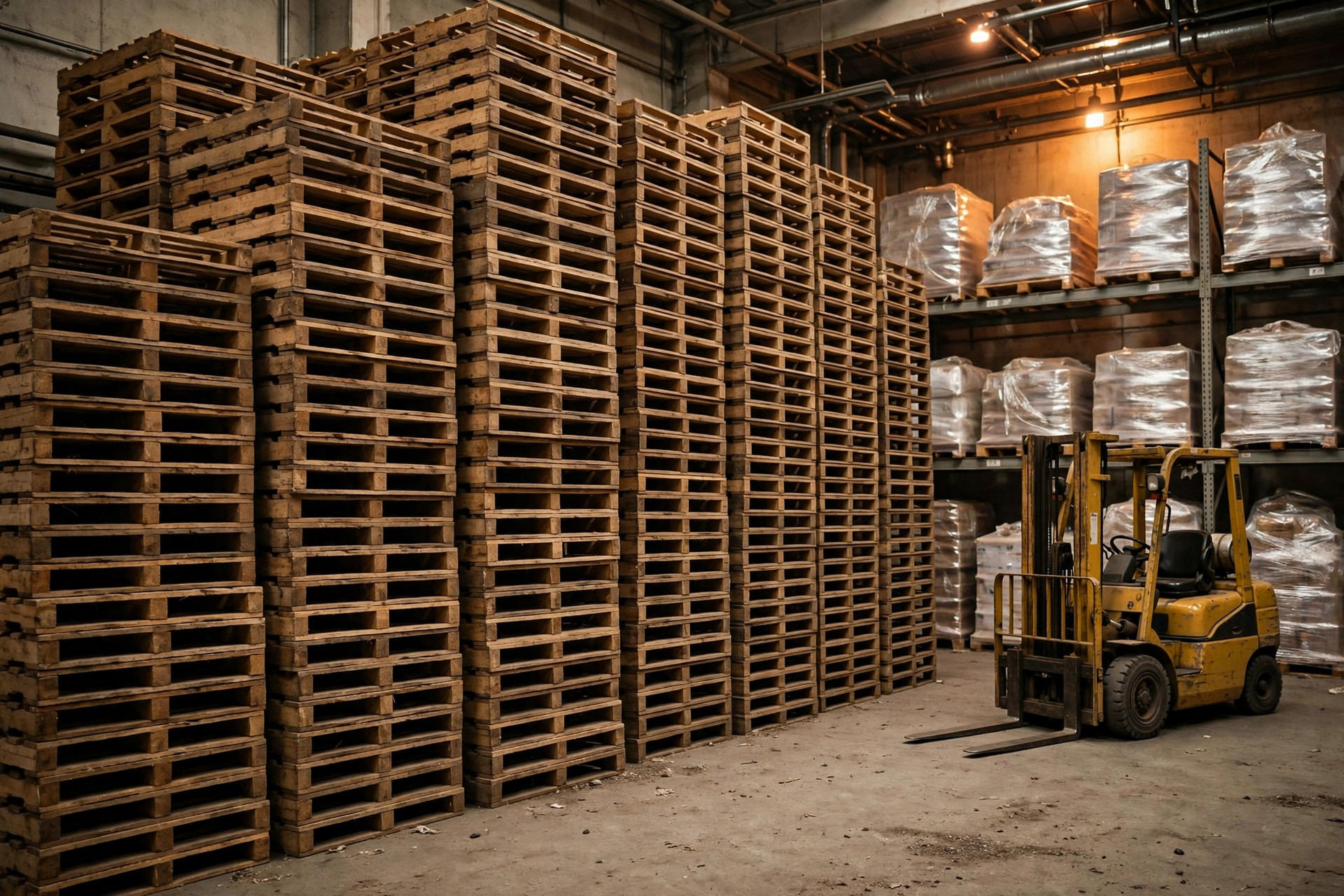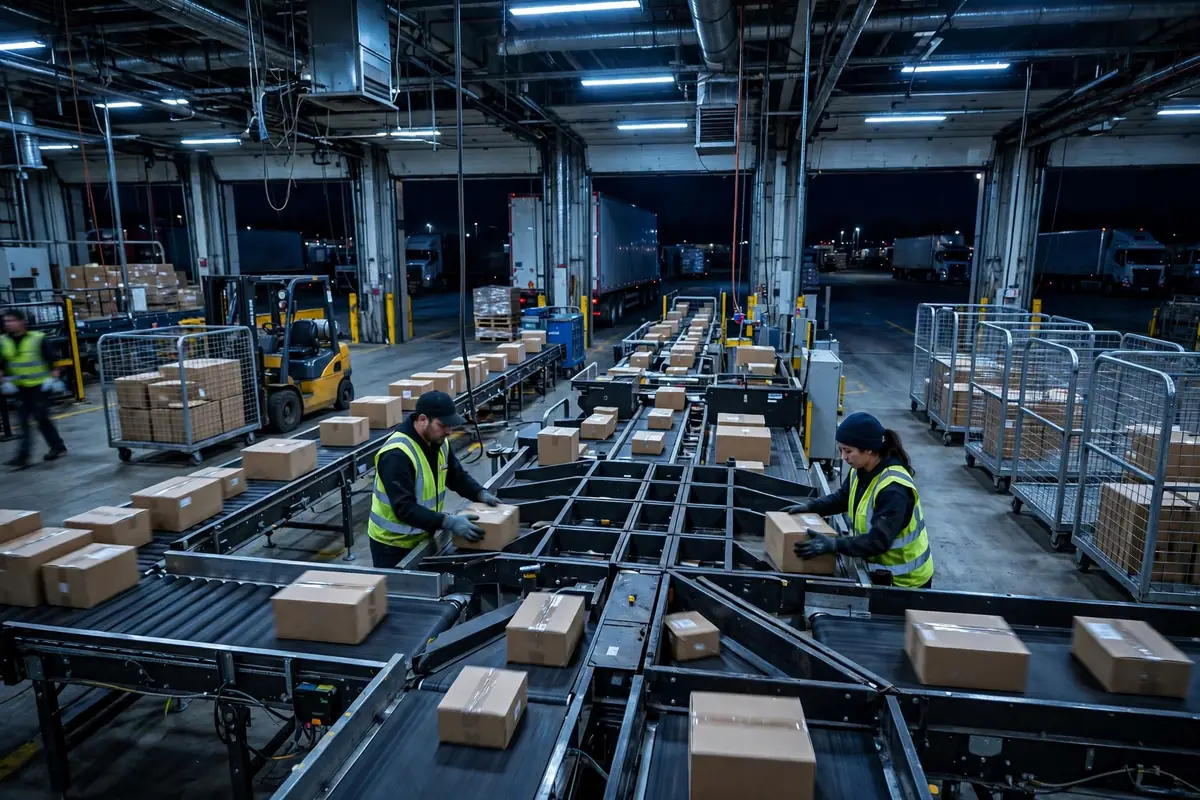
At 6:40 in the morning, with the yard lights still on, dock door three was already loud. The driver insisted he had brought a full load. My receiving lead pointed at the floor and said we were six cartons short. The forklift was stuck in the doorway and nobody was moving. Honestly, every large warehouse has lived this scene. If your warehouse inbound shortage claims process is not settled before the argument starts, you will have the same argument again tomorrow, with a different driver.
warehouse inbound shortage problems start at the dock
That morning was in October 2024, the stock-up week before peak, and we were receiving more than forty trucks a day. The problem was not effort. My crew worked hard. The problem was a soft rule. We used to sign for the full truck and count later inside. By the time a shortage showed up in the count, two or three days had passed. Nobody had photographed the seal. The driver was long gone. When we filed a claim, the supplier asked one question — where is your evidence — and the conversation was over.
Shortage, overage, and damage look like one problem. They are three different problems. A shortage is won or lost on counting at the dock. Damage is won or lost on evidence captured at the dock. An overage is won or lost on whether you have the discipline to freeze the extra stock in the system instead of letting it flow into available inventory. We learned that one the hard way. Extra cartons got picked and shipped as normal stock, the customer who actually owned the allocation came up short, and customer service and the warehouse spent a week blaming each other.
Here is the part people get wrong. Not every shortage is worth chasing. Chase a tiny shortage once and you can burn more in labor — receiving, quality, purchasing, finance, all trading emails — than the goods were worth. You need a line drawn in advance for what you absorb and what you fight. If that line depends on the mood of whoever is on shift, you do not have a line.
Locking the shortage claims evidence chain
The warehouse inbound shortage claims process we eventually fixed in place has one core rule: lock the evidence on the dock, and let the office handle paperwork, not arguments about facts.
First, counting happens at the dock. No more signing for a full truck and counting later. Full pallets get a pallet count plus spot checks of cartons. Loose cartons get counted piece by piece. The person who counts is never the person who verifies. Even in peak season, especially in peak season, you do not skip the second pair of eyes.
Second, photos follow a fixed routine. One shot of the license plate. One of the seal number. One wide shot the moment the doors open. One close-up of any damaged carton. Photos carry a timestamp and go straight into the receiving record. They never spend the night on someone's personal phone. If the seal number does not match the paperwork, photograph it first and call dispatch. The driver does not cut the seal on his own say-so.
Third, the discrepancy gets coded on the spot. We keep it simple so the handheld matches what people actually say: short quantity, over quantity, outer carton damage, inner goods damage. The lead selects the code, enters the actual count, and the system creates the discrepancy record. The driver signs the delivery note showing the discrepancy. The driver leaves. The record stays.
An illustrative example shows why this matters. Suppose a load is declared at 500 cartons and you receive 494. Six cartons short, at an assumed value in the range of a couple of hundred per carton in this example only, puts the shortage in the low four figures. Without dock photos and a signed note, that money is effectively gone. With the evidence complete, filing inside the claim window in your contract becomes routine paperwork. The window itself varies by supplier and carrier, so check the latest contract terms for each partner rather than borrowing someone else's deadline.
Which claims process fights are worth having
On a night shift in March 2025, a household-goods supplier sent us three trucks in a row, each one slightly short. Two cartons short. Then three. Then two again. Looked at one truck at a time, every lead wanted to let it go. I pulled three weeks of discrepancy records and laid them side by side. Same supplier, same category, always short, never over. That is not counting error. That is a pattern. We packaged the records, photos, and signed notes and sent them to purchasing with a simple request: explain this before we discuss the next order. The supplier eventually admitted their outbound checking step had been skipped. One small shortage you can absorb. A repeated one-way pattern you must chase.
Our wall chart in the receiving office is plain, and it works:
| Situation | Action | Who decides |
|---|---|---|
| Single small shortage, no repeat history | Log it, absorb it, record it in the supplier file | Shift lead |
| Same supplier short again within 30 days | Bundle the cases and claim together, require an explanation | Receiving supervisor |
| Damage that affects saleability | Refuse or quarantine on the spot, claim inspection cost too | Supervisor with quality |
| Seal irregularity on a full truck | Pause receiving, verify before opening | Duty manager |
Supplier scorecards come straight from the same data. Every month we total shortage frequency, damage rate, and claim response speed and hand it to purchasing. The warehouse does not need to argue with suppliers. The warehouse needs to hand purchasing clean data. Clean data argues on its own.
The claim packet is fixed too: receiving record, discrepancy log, photo set, signed delivery page, and the purchase order. If one piece is missing, complete it before you send. Sending half a packet invites the other side to bounce it back, and the contract clock keeps running while you resend.
A practical warning for other warehouse managers
Plenty of sites write their warehouse inbound shortage claims process as a thick manual and lock it in an office cabinet where nobody on the dock has ever read a page of it. That does nothing. What works is the short version on the dock wall: count it here, photograph it here, code it here, get it signed here. Do those four things and a claim becomes clerical work. Miss one and a claim becomes an argument.
One last honest warning. Do not block your own dock to chase a small claim. In peak season, with trucks lined up in the yard, finish the discrepancy record and the evidence, then release the truck and unload. Argue the money afterward. Freight sitting on your dock costs you more than a few short cartons ever will. The process exists to protect the goods and your people, not to trap trucks.
By Chen Feng, Warehouse Operations Manager