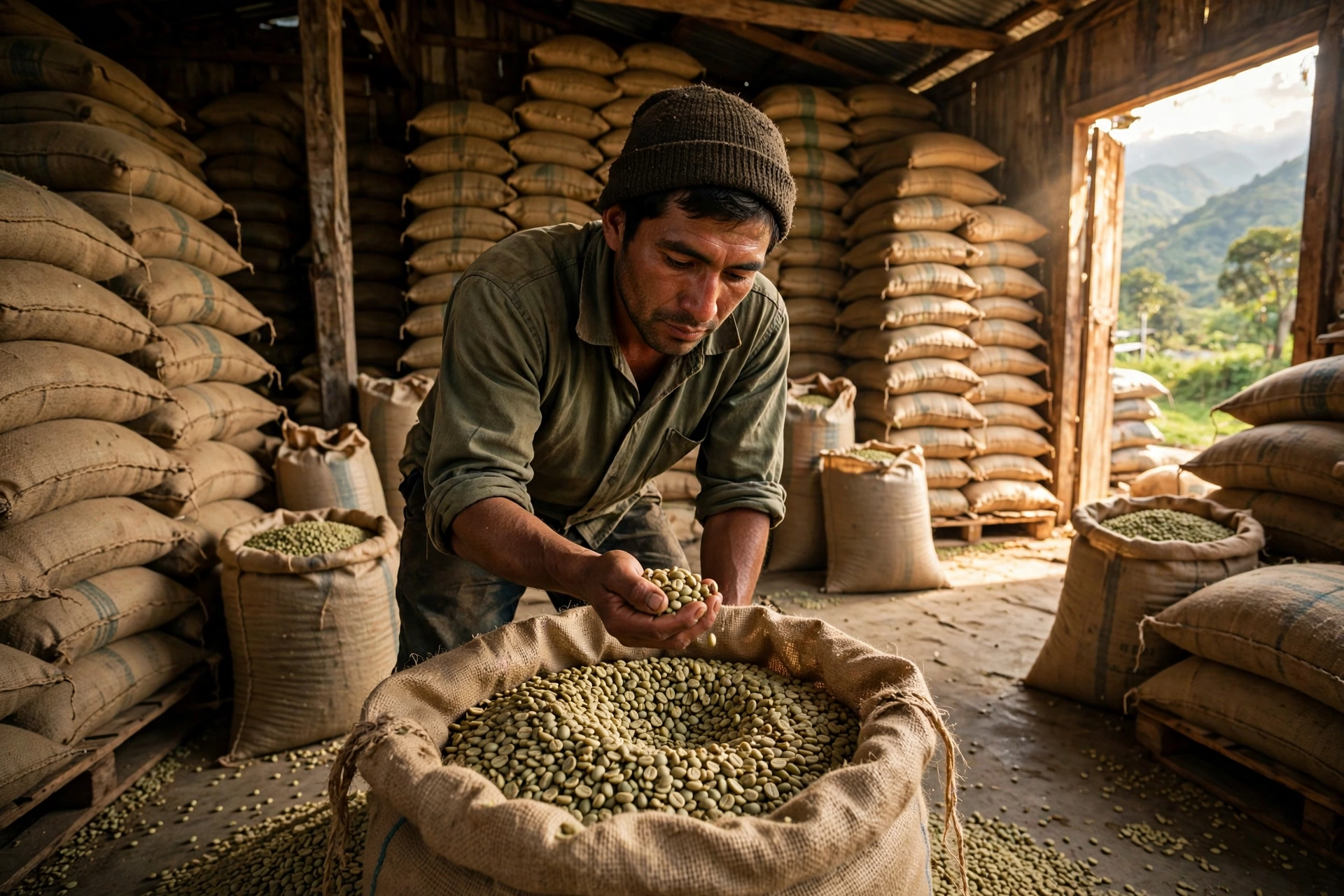
Let me tell you something. After all these years on the road, the most delicate cargo I ever hauled was not glass, and it was not precision instruments. It was Venezuelan cacao. A sack of beans looks like nothing much, but let it pick up damp on the way, and half a container can be written off by the time it reaches the port. That is the reality of Venezuela cacao export warehouse storage: small volumes, high prices, and beans that forgive nothing.
Venezuela grows only about 16,000 to 22,000 tonnes of cacao a year, according to market estimates, less than half a percent of world output. And yet the International Cocoa Organization classifies 100 percent of the country's cacao exports as fine flavor. In 2024 the country exported 11,240 tonnes of beans worth 61.09 million dollars, according to FAOSTAT figures, up from just 4,398 tonnes worth 10.7 million the year before. Small crop, big reputation, beans that spoil if you blink. Put those three together and the warehouse math has to be done dollar by dollar.
I have hauled coffee, nuts, cold chain. Cacao is different from all of them. Coffee beans that pick up moisture lose some flavor. Cacao beans that pick up moisture grow mold, and once mold starts, the whole lot is finished. A buddy of mine who runs the Caribbean routes told me about a lot from Chuao last rainy season. Fermentation was done, then the rains came, the drying patios ran out of space, and the beans sat at over 9 percent moisture. They loaded the container anyway. When the buyer opened it in Europe, the smell of mold hit him in the face. The whole container was downgraded, and the price difference would have bought a decent used truck. All those days in the fermentation boxes, all those days in the sun, wasted.
What Happens in the Fermentation Box Sets the Price of Venezuelan Cacao
Fresh cacao does not taste like chocolate at all. You split the pod, the beans come out covered in a sweet white pulp, and they go straight into fermentation boxes, usually for three to seven days. The sugars in the pulp ferment and heat up, and the flavor develops inside the bean during those days. The boxes cannot be too deep. Pack the beans too thick and the middle never ferments properly while the outside overdoes it. Somebody has to turn the beans, let air in, and how often you turn them comes down to experience.
The best Venezuelan beans come from old Criollo and Trinitario varieties, places like Chuao, Porcelana, and Guasare. Chuao is a village in the hills of Aragua state, about 3,000 people, around 200 of them working in cacao, a cooperative of roughly 100 farmers tending 140 hectares of old orchards, growing cacao for more than 400 years. Chuao got origin protection back in 2000. Beans like that live or die on fermentation. Get it wrong and a fine flavor bean sells as an ordinary bean, and the price gap can run 20 to 30 percent.
I have seen too many people treat fermentation as farm work and warehousing as something else entirely. The fermentation box is the first warehouse. From the moment the beans go in, the warehouse bill starts running: does the box breathe, do you turn the beans on time, is there a cover when it rains. Cut corners here and you pay double later.
If the Drying Fails, the Warehouse Is Just Decoration
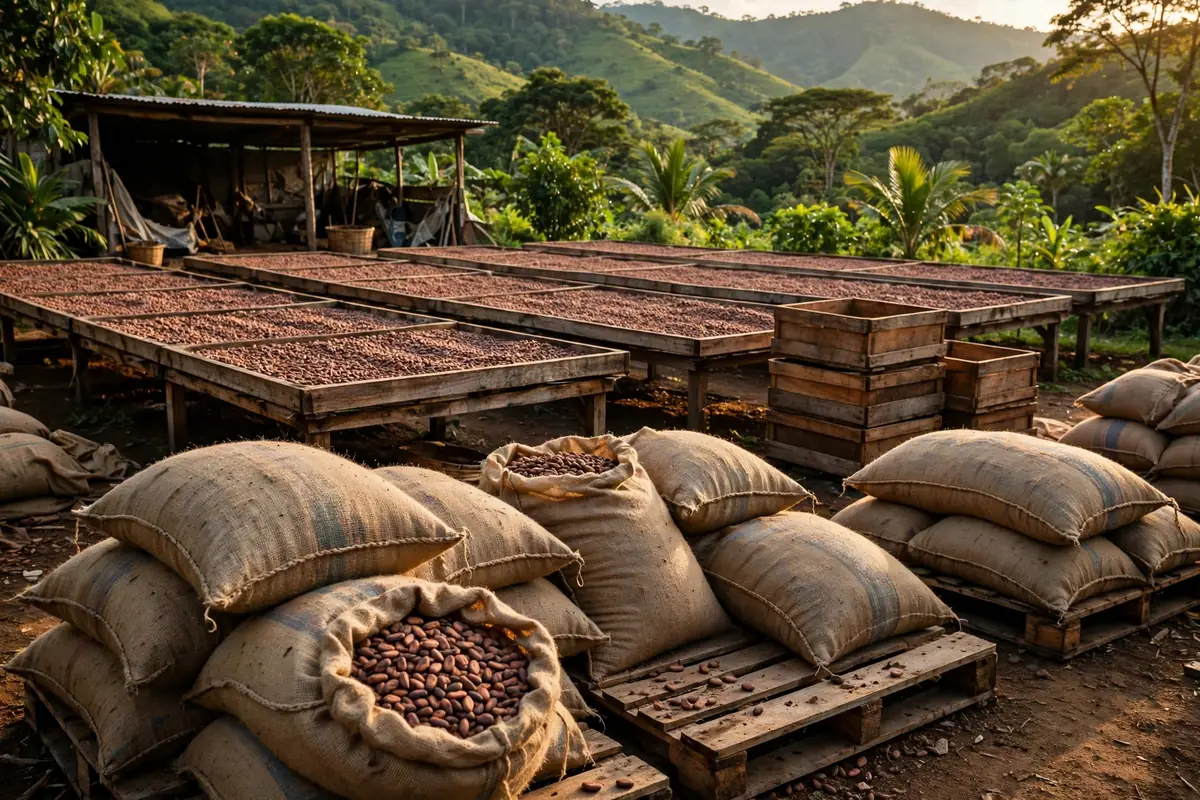
After fermentation, the beans still hold 55 to 60 percent moisture, and they have to be dried down to 7 to 7.5 percent, which is the reference range the International Cocoa Organization works with. Overdry them and you have the opposite problem: below 5 percent moisture the shells turn brittle and break, and the buyer docks you for that too. Underdry them and mold moves in above 8 percent.
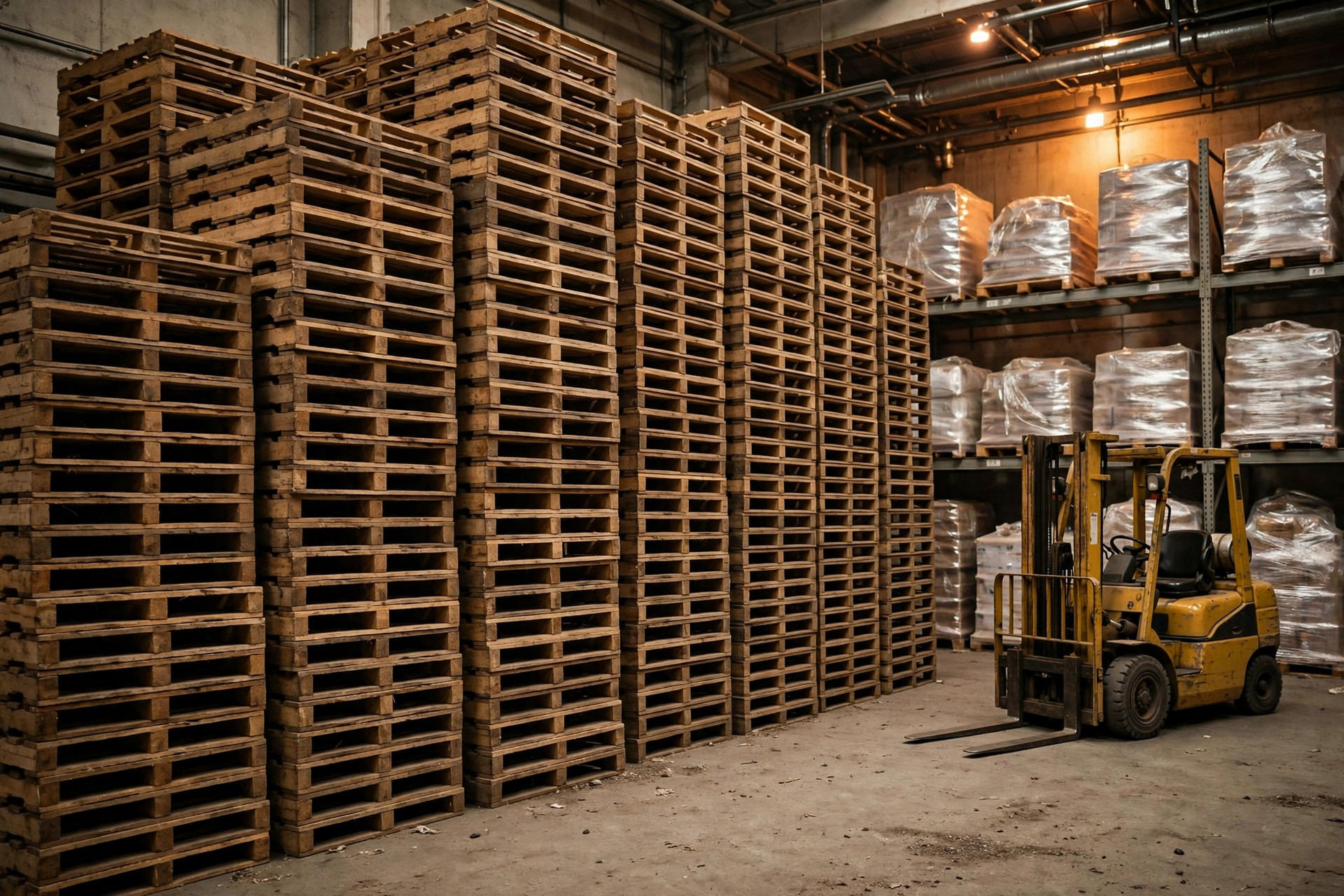
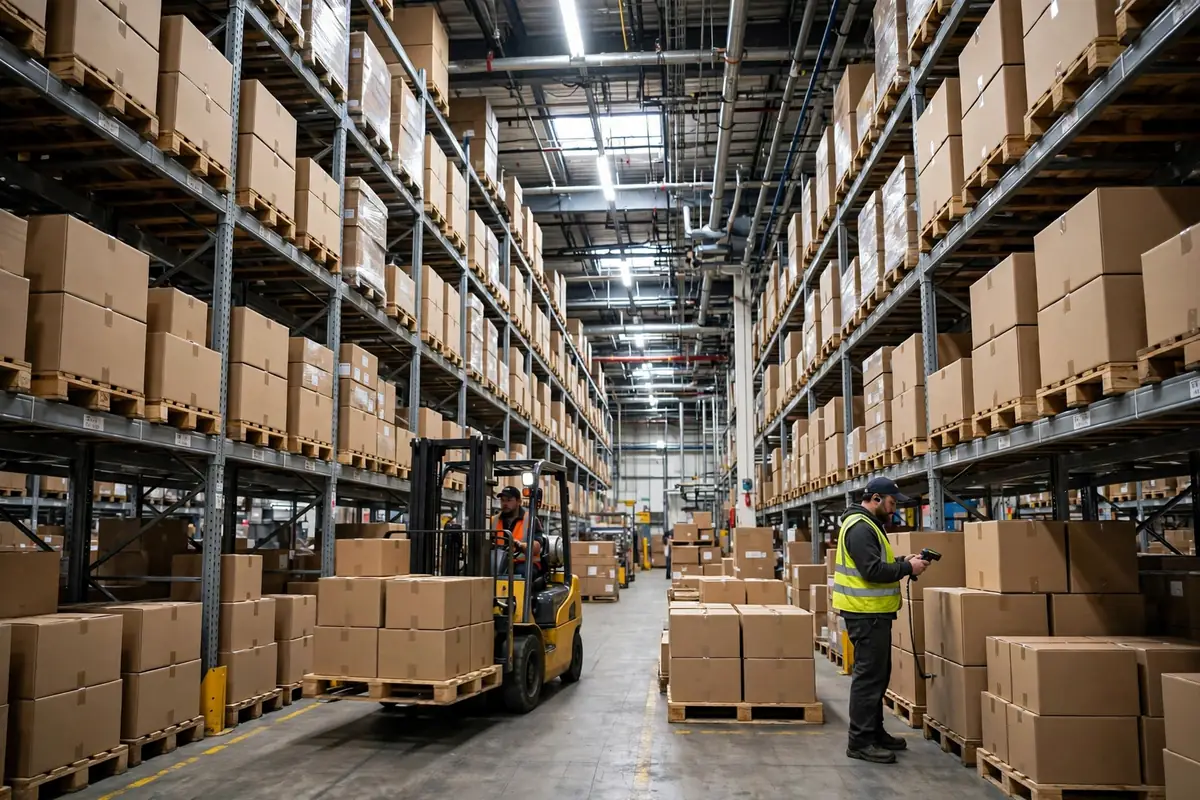
Here is the part most people get backwards: cacao is not afraid of heat. It is afraid of going wet and dry, wet and dry. On the Caribbean coast it can be over 30 degrees in the day, then a night rain pushes the humidity to 80 or 90 percent. Beans that were dried perfectly on the patio go into a warehouse, soak up moisture overnight, and climb back two or three points. If the warehouse has no moisture control, those days in the sun were for nothing. So the real warehouse work is not about how big the building is. It is about how steady it is: keep it under 25 degrees, keep relative humidity under 65 percent, keep the sacks off the floor and off the walls, on pallets, nothing heavy stacked on top.
Sur del Lago, south of Lake Maracaibo, is Venezuela's biggest producing zone by volume, and its game is speed: dry it, move it, do not let it sit. Chuao is the opposite game. Small lots, fine grading, different plots and different batches kept separate and labeled, never mixed. I have watched mixed lots cost people real money more times than I can count. Two tonnes of ordinary beans in a container of fine beans, and the whole container gets priced as ordinary. The fine beans ride along for free.
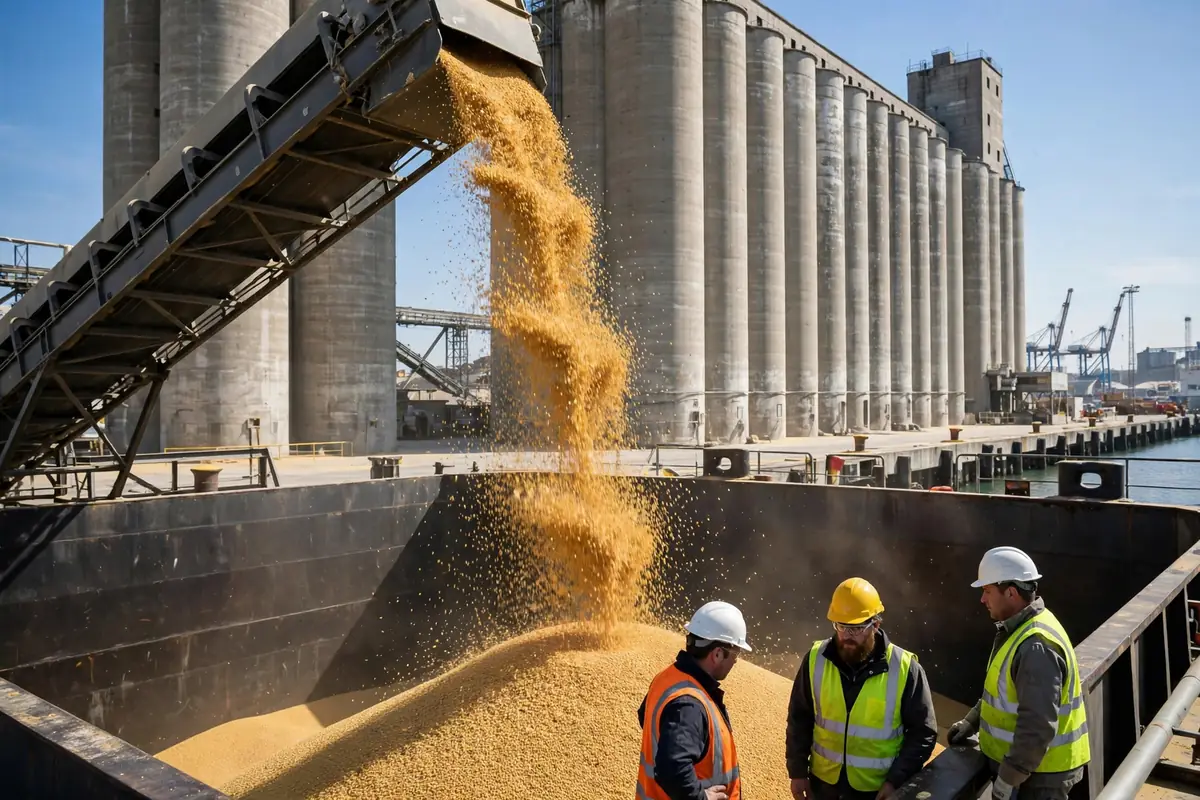
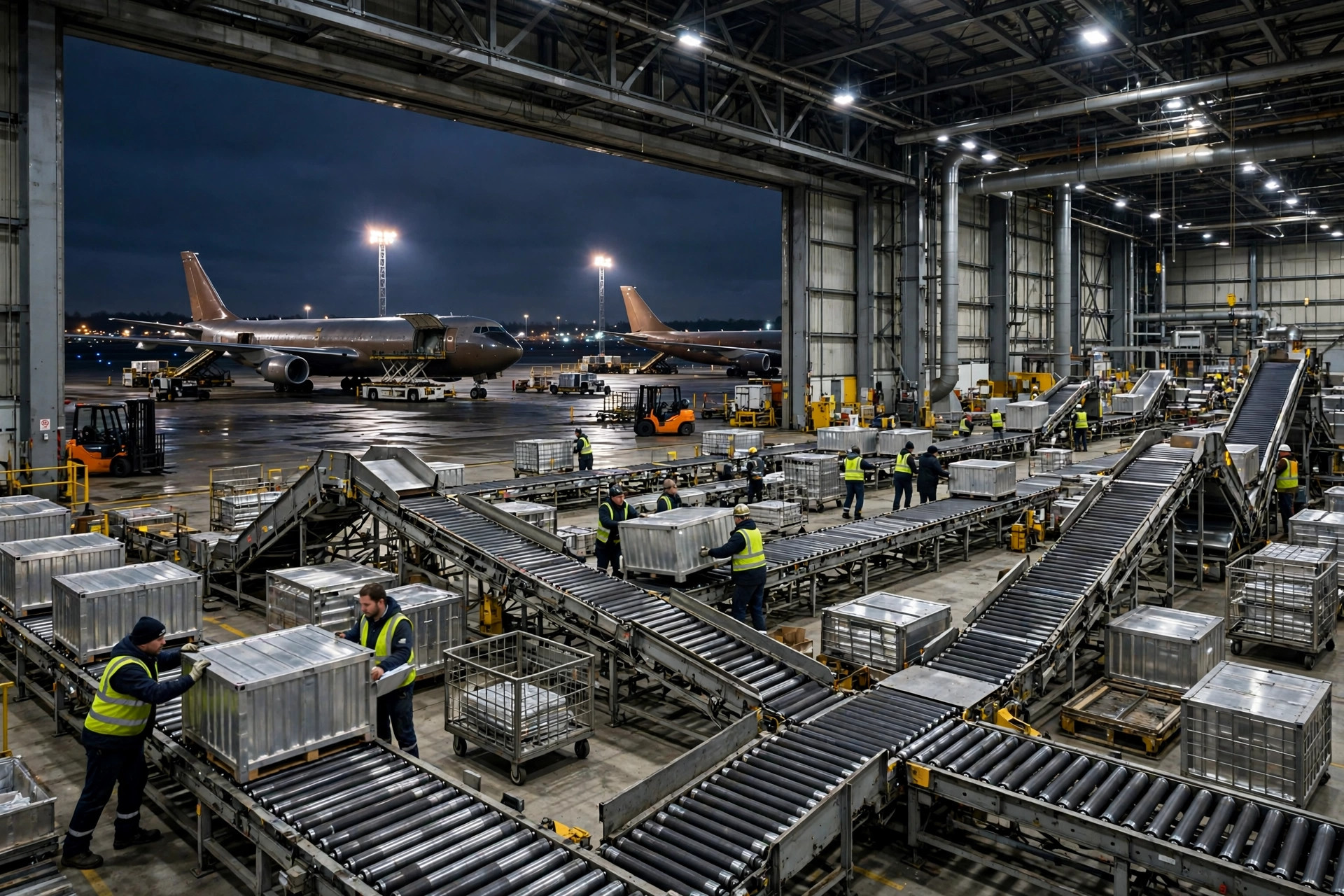
Then there is the port. Venezuelan cacao mostly leaves through Caribbean harbors, Puerto Cabello in Carabobo state, which shipped cacao in the early years, and La Guaira near the capital. Port warehouses are not yours to choose when the vessel schedule is tight, and beans can sit in the port zone for days. Those days are the dangerous ones: poor ventilation, a container baking in the sun, the inside of the box hotter than the outside, condensation dripping back onto the beans. Old hands on this route know the rule. Before loading, grab a handful of beans. Cool, dry, and crisp, they go in. Warm and soft, send them back for another day on the drying patio, even if the truck is already waiting.
Doing the Math on Venezuela Cacao Export Warehouse Storage
I like doing the math the dumb way: one container, one worked example. Say a container holds 10 tonnes of fine beans, and at the high prices of 2024, call it 9,000 dollars a tonne. That is 90,000 dollars a container. This is a hypothetical example, because prices move every day. The numbers are only there to show the shape of the problem.
| Where the money goes | Rough cost per container | What happens if you skip it | | Moisture-barrier liners and desiccant | A few hundred dollars | Mold damage starting in the thousands | | Testing moisture bag by bag before loading | A couple hundred dollars in labor | Beans over 8 percent slip in and the whole lot is downgraded | | Two extra days in a ventilated port warehouse | A few dozen dollars in storage | Condensation spreads mold from one sack to the whole container | | Grading and loading separately, no mixing | Half a day of extra labor | Fine beans sold at ordinary prices, over 10,000 dollars lost |
Look at that table and the lesson is plain. In Venezuela cacao export warehouse storage, the expensive part is not the warehouse rent. It is rework and downgrades. Five percent mold on one container is 4,500 dollars gone, enough to pay for ten years of moisture-barrier bags. Plenty of shippers will not spend a few hundred dollars on liners because the warehouse has a roof, and then they lose dozens of times that amount on downgrades. That is the trade-off: save small money, lose big money.
There is a compliance bill too. The European Union's deforestation regulation applies to cacao imports from December 2025, and beans shipped to the EU need geolocation data for the plots they came from, proving the land was not deforested after December 2020. What does that have to do with a warehouse? Everything. Plot data has to follow the batch, and batch data has to follow the warehouse records. Mix the batches in storage, lose track of the grading, and the paperwork will not match at EU customs. The cargo sits at the port. If you do not do that math now, you will pay for it next year.
After all these years, I have boiled it down to one thing. For cacao, the warehouse is not a place to put freight. It is the place that keeps the freight alive. Fermentation box, drying patio, warehouse, container: if any link in that chain breaks, everything before it was wasted. The old saying goes, slow work makes fine work. With cacao, go a little slower, keep it a little drier, and the beans sell for a little more. You cannot rush it, and you cannot let it get damp.
By Shifu Zhao, Trucking Veteran (15 yrs)