Excerpt: Warehouse heat illness prevention is not about handing out water bottles and hoping for the best. This playbook covers scheduling, water, rest areas, and early warning signs from a 200-person warehouse that got its hot season under control.
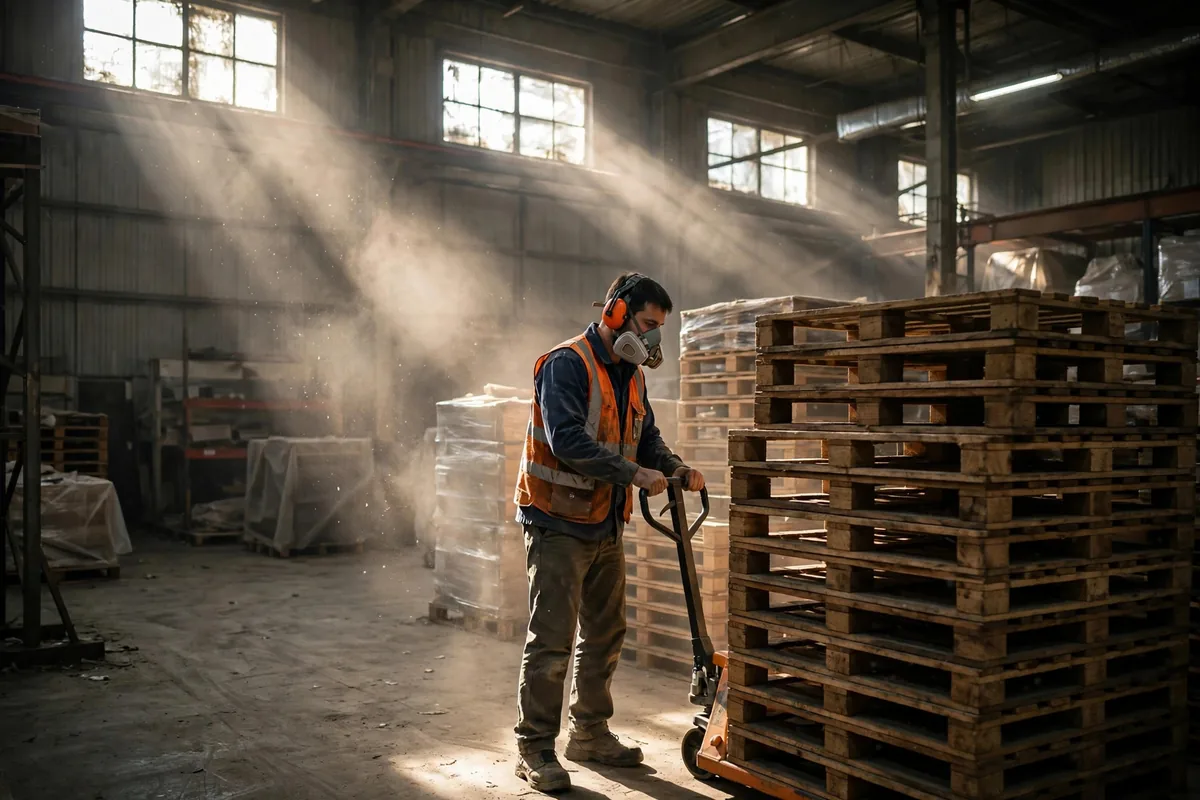
Let me start with a morning I still remember from our warehouse heat illness prevention work. It was a Tuesday in July 2024, and the warehouse was already stuffy before 8 a.m. The night shift had just handed over, the day shift was coming in, and a young man on his second day walked straight onto the picking line. Just after 10 a.m., he went pale, swayed beside a rack, and had to be helped into the shade. Water, a fan, and more than half an hour of rest brought him back. To be honest, we got lucky that day. Someone noticed early. If he had been alone at the far end of a high rack, the story could have ended very differently.
How Warehouse Heat Illness Prevention Problems Build Up
Heat illness rarely hits all at once. It builds up, piece by piece. A bad night of sleep. No breakfast. Heavy cases first thing in the morning. More than an hour without water. Then the body starts sending warnings. In my experience, the people who go down first are often not the veterans. Veterans know when to slow down and when to take a drink. The ones who push hardest are often young, strong new hires who do not want to look weak. They hold on, hold on, and then collapse all at once. After years of running a warehouse floor, I can say this plainly: toughness is more dangerous than heat itself.
Our warehouse is in California, where summer heat is a normal condition, not an exception. A metal roof heats up, indoor temperature follows, and some corners never get good airflow. High picking, the loading dock, and the area near outbound doors run hottest. When peak season arrives, volume rises, staffing gets tight, and leads hesitate to release people for breaks. Break time gets squeezed, and risk stacks up quietly.
After that July morning, we sat down and looked at the whole setup, not just one person. Heat safety was in onboarding, but nobody had told new hires how their first week should actually run. The rest area was far from the work zone, a walk of several minutes, so people skipped it. Water sat near the entrance while people worked deep inside the building, so getting a drink felt like a long trip. The schedule showed rotation, but nobody enforced it when orders piled up.
What We Tried, and What We Do Now
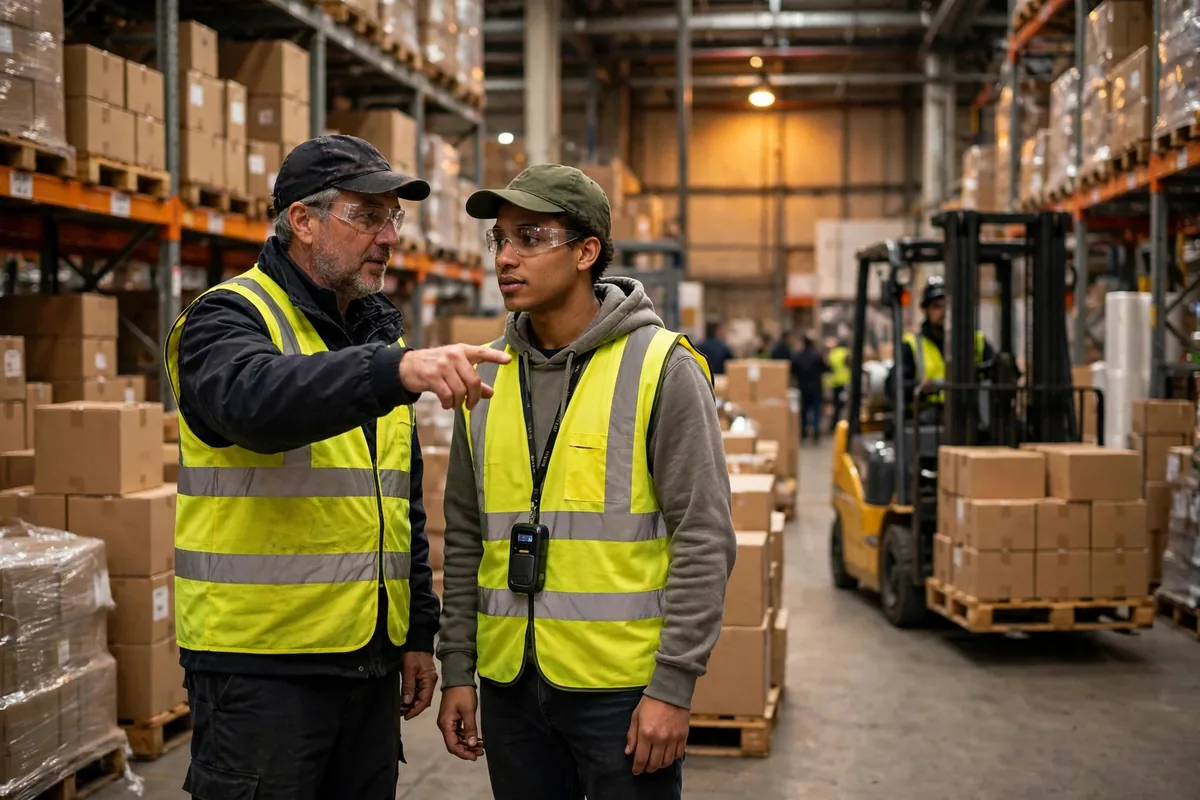
The first change was scheduling. In hot weather, nobody stays on a high-intensity job for a full stretch anymore. We rotate in shorter blocks. A person picks at height for a while, then moves to checking or replenishment, then rotates back. Veterans mentor new hires, and new hires do not work high-intensity lines alone in their first week. The mentor sets the pace, not the new hire trying to prove something.
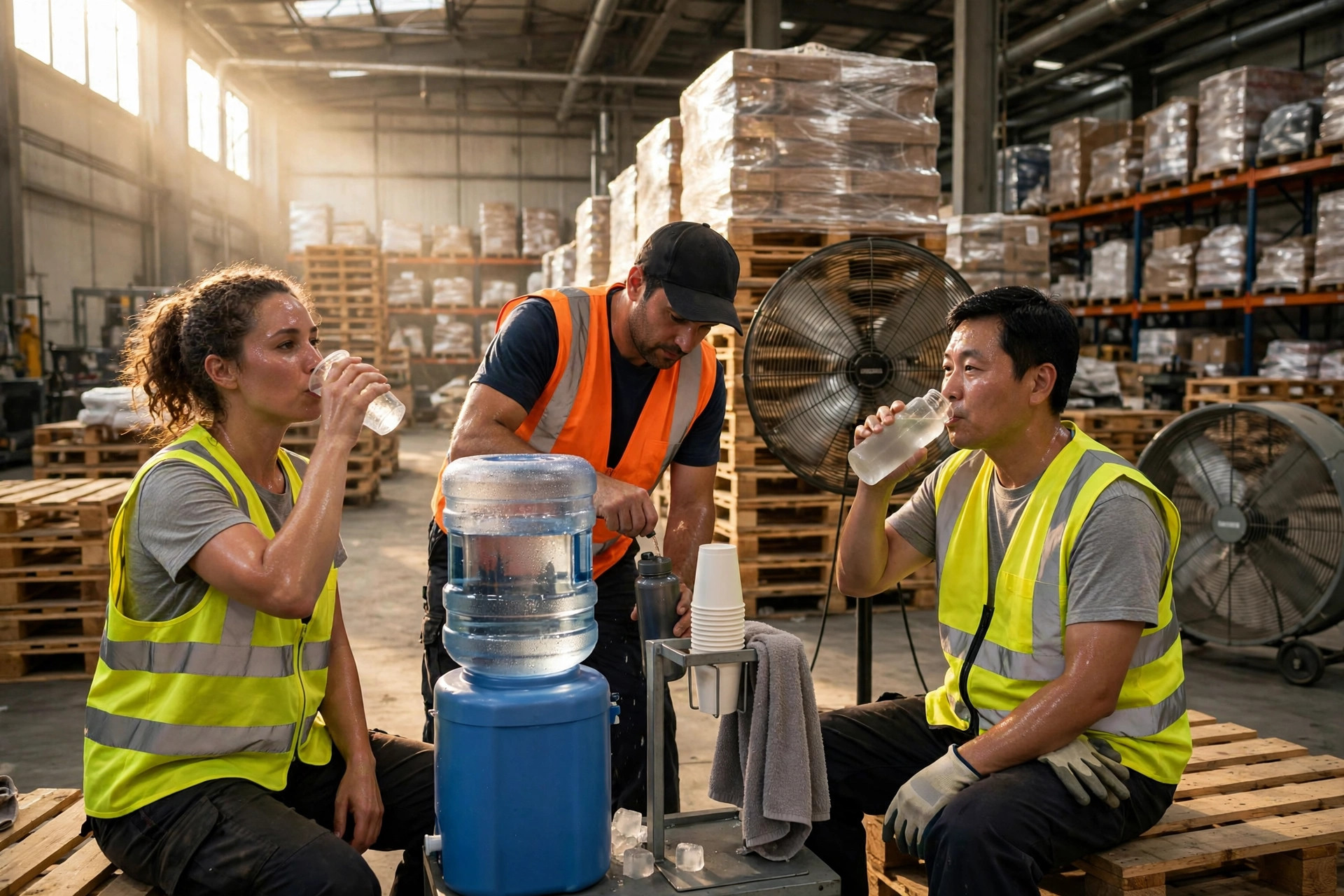
The second change was moving water and rest close to the work. Every work zone now has water. Rest areas sit beside the work zone, shaded, ventilated, with seats. Each lead checks before the shift starts: enough water, fans running, basic supplies in place. It sounds small, and it is small. That is exactly why it works. People actually use a rest area that is ten steps away. They skip one that is a five-minute walk.
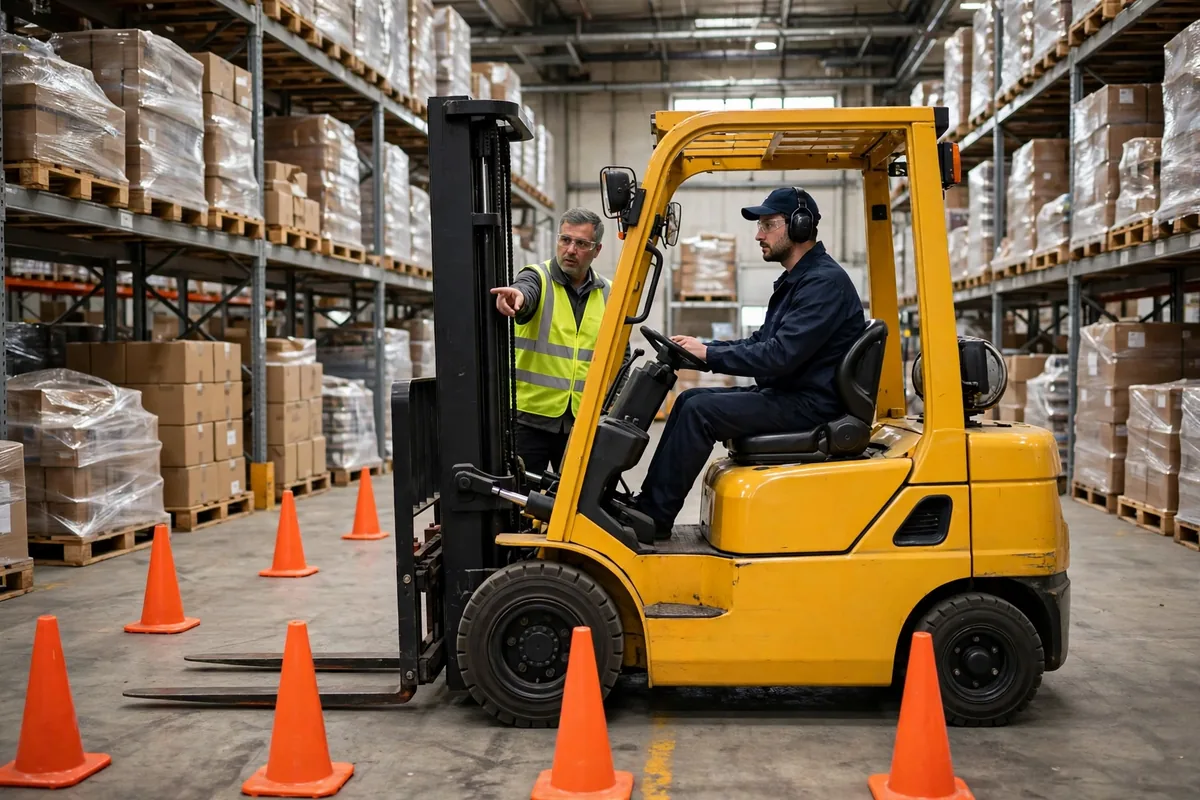
The third change was making rest a rule, not a request. During hot hours, crews stop at set intervals to drink and cool down, without anyone having to ask permission. If a lead sees a pale face, slow speech, or unsteady walking, that lead can pull the person off the job on the spot, no approval needed first. We say it in the pre-shift meeting every day, until everyone is tired of hearing it, which means everyone remembers it.
The fourth change was teaching early warning signs in plain language. Dizziness, nausea, pale skin, sweating that suddenly drops off, weak legs. No long medical lecture. Just those signs, so every worker can name them. If a coworker looks wrong, help them to shade, loosen tight clothing, give water, and get medical help right away if it does not improve. Check the official source for the latest policy on specific requirements, and when in doubt, we go stricter, not looser.
Here is the simple table we post before shifts. It is deliberately short, because a long poster gets ignored:
| Warning sign | First step on the floor | Next step |
|---|---|---|
| Dizziness, pale face | Stop work, help to shade, sit down | Water, loosen tight clothing, watch for 30 minutes |
| Nausea, feeling sick | Stop work, do not force food | Water, stay with the person, seek care if it worsens |
| Sweating stops, confusion | Get medical help immediately, do not wait | Stay with the person, report heat exposure and work time |
| Weak legs, unsteady walking | Move to rest area, no more high work | No high-intensity job for the rest of that day |
Now the math, because some managers still see forced rest as lost time. One worker sent for medical care costs a line a person that day, and often another day after that. The lead, human resources, and safety staff all get pulled into paperwork and follow-up. That lost time is far larger than the minutes spent on several short breaks across a shift. Morale takes a hit too. After an incident, everyone works scared, and scared crews are slow crews. Water, rest areas, and real rotation are the cheapest part of warehouse heat illness prevention.
Here is a counterintuitive point worth saying out loud: drinking more water is not automatically safer. After heavy sweating, plain water alone does not replace salts lost in sweat, and a person can feel worse even while drinking a lot. Our practice is steady water through the shift, normal meals, and electrolyte drinks where appropriate under current guidance. Check the official source for the latest policy. No folk remedies, no sudden gallon challenge after hours of thirst. Even drinking through the day beats desperate gulping at the end.
Today, our hot-season routine is fixed. Pre-shift talk covers it. Leads check it on patrol. Rest areas get checked daily. New hires have mentors. Hot jobs rotate. Rest needs no permission. Everyone knows the warning signs. In summer 2025, our warehouse had zero heat-related medical transports. That zero was not luck. It was a boring routine, executed day after day.
A reminder to other managers: do not wait for an incident to start heat safety work. The hottest days are often the busiest days, and that is exactly when management is easiest to relax. Put water closer. Put rest closer. Make rotation real. Stop rewarding the culture of pushing through. Fines matter less than people. When people are safe, the warehouse keeps running.
By Chen Feng, Warehouse Operations Manager