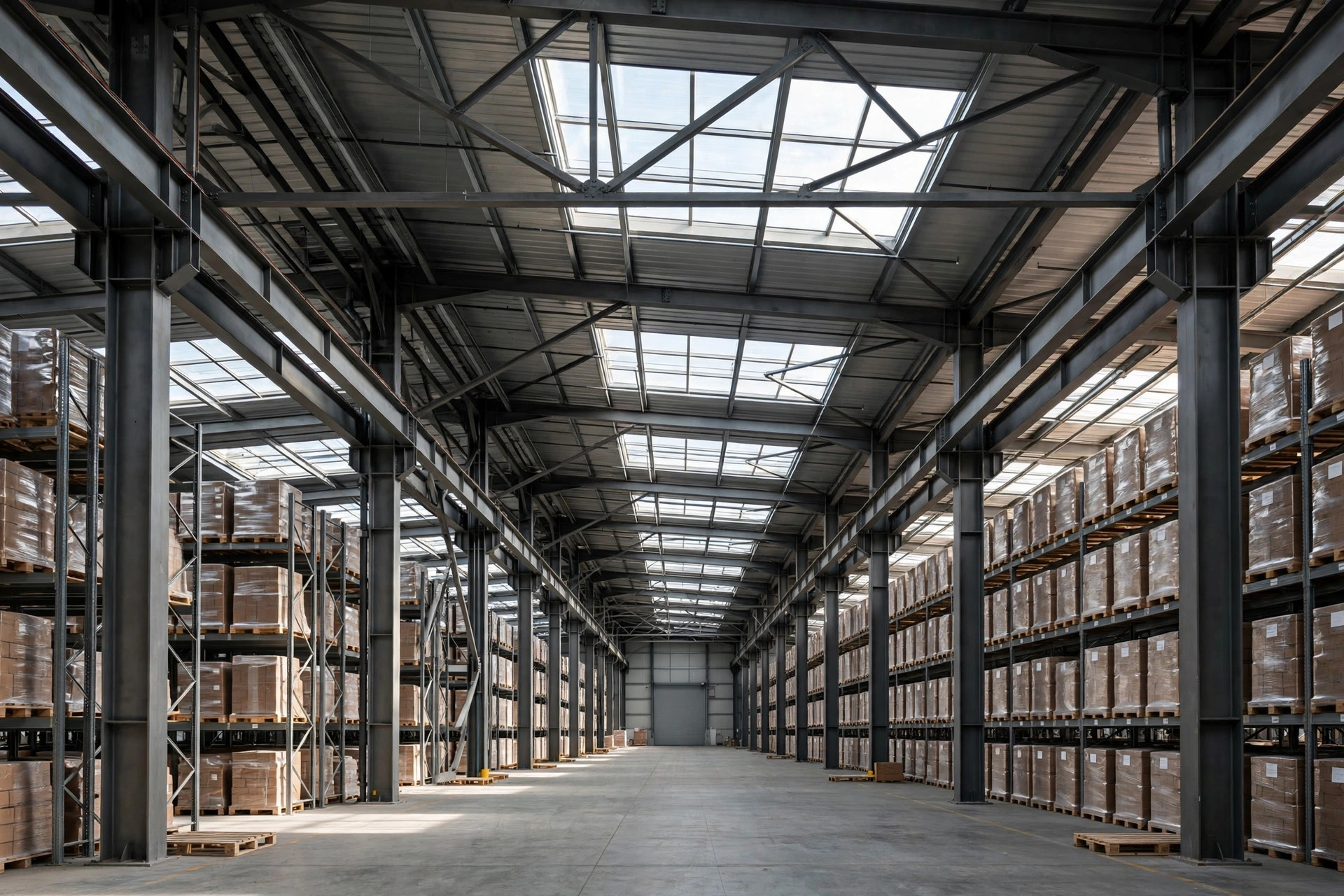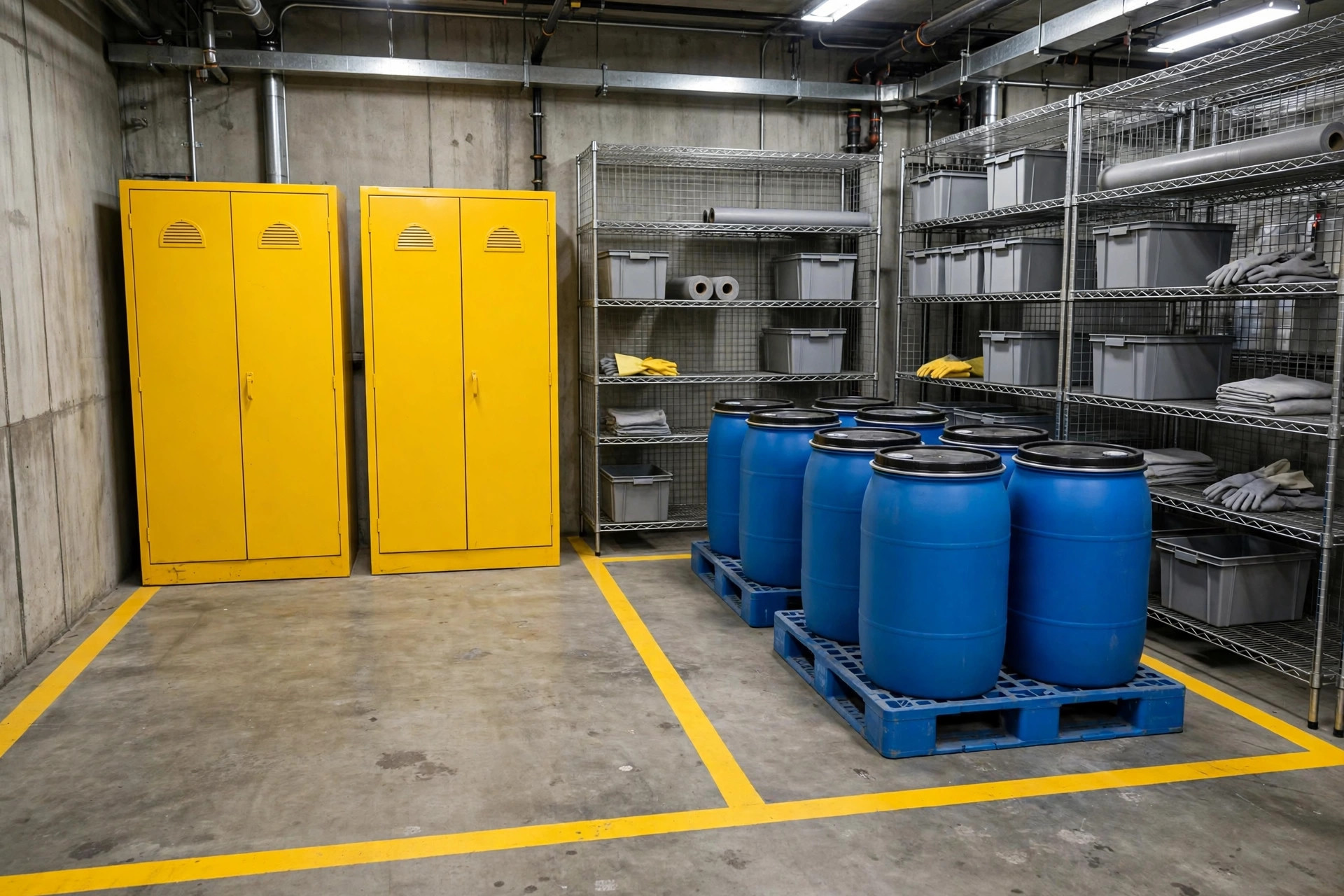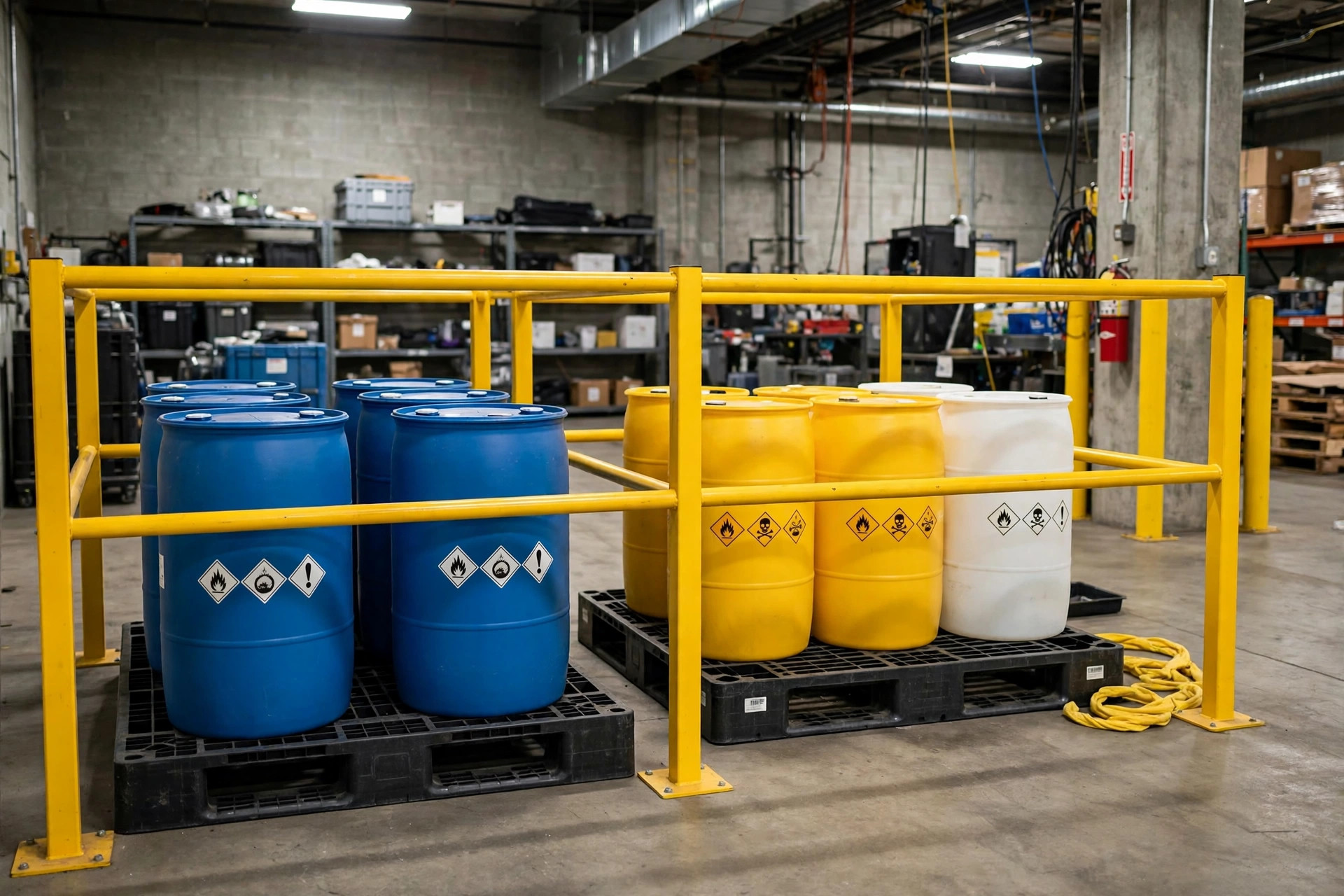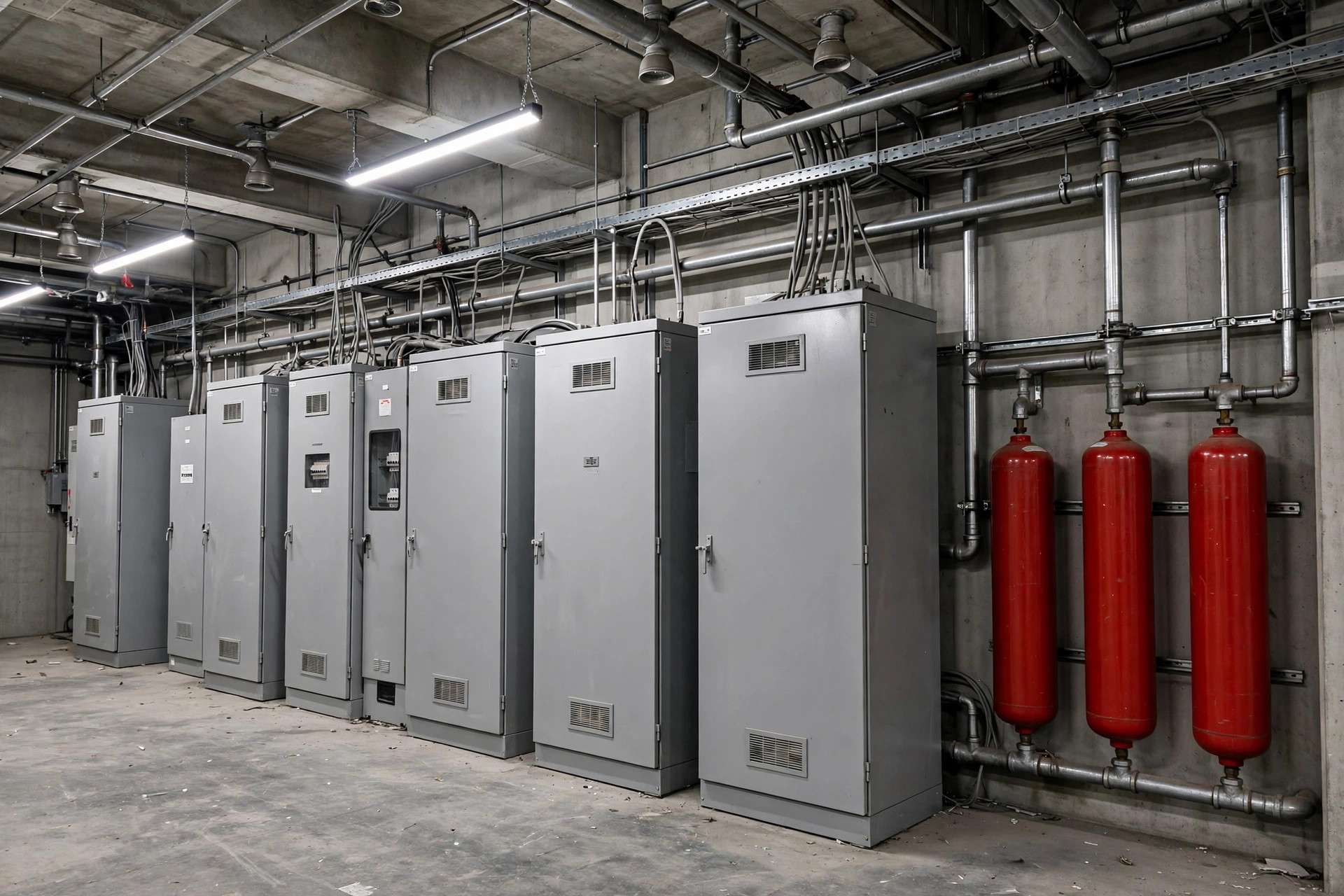
Every warehouse fire-safety audit follows the same checklist: sprinklers, hydrants, fire compartments, extinguishers, smoke detectors. The inspector's attention drifts, inevitably, toward the racks — that is where the goods are, and that is where the acceptance tests focus. The electrical distribution room and the server room usually occupy less than one percent of the building's floor area, the door carries a "keep out" sign, and almost nobody opens it. Yet the electrical room is the fire risk that deserves the least neglect: electrical faults remain one of the leading causes of industrial building fires worldwide, and when a distribution room goes down, it is not one rack that suffers — it is the power system of the entire facility.
The door nobody opens
According to fire statistics compiled by national fire associations over the years, electrical failure has long ranked among the top causes of fire in industrial and commercial buildings. A warehouse electrical room concentrates transformers, low- and high-voltage switchgear, UPS units, and fire-control panels: dense cabling, permanently energized, with limited ventilation. A loosened terminal, an aging breaker — either can be the ignition point. And these fires tend to start unseen. Electrical rooms are normally unattended; by the time a smoke detector triggers and the duty crew arrives, the fire has already moved from one cabinet to a whole row.
In the summer of 2021, the distribution room of a cross-border e-commerce transfer warehouse in southern China caught fire — a case I have followed for years. At around 3 a.m., an overheated terminal in a low-voltage cabinet arced and ignited the cables inside. The room was protected by an automatic sprinkler system, which activated once the temperature threshold was reached, and water poured directly onto energized equipment. The fire was contained within minutes, but the entire row of switchgear short-circuited under water, and the park lost power for 38 hours. Direct equipment damage ran into the hundreds of thousands of yuan; the indirect losses — a halted sortation line, failed temperature control in the cold storage, a queue of waiting courier vehicles — were more than ten times that. The warehouse manager's summary, afterwards, was blunt: the fire burned one cabinet, but the water killed the whole room.
Contrast that with a server room at a pharmaceutical cold-chain logistics center in eastern China in 2023, where a UPS battery bank went into thermal runaway and began smoking. The room was protected by an IG-541 inert gas system. The gas reached design concentration within about a minute, the ignition source was suppressed, and the servers and switchgear survived intact. After reset and ventilation, the room was back in service in under three hours. Put side by side, the two cases point to an under-appreciated conclusion: in electrical room fires, the damage done by the suppression agent itself often exceeds the damage done by the fire.
Weighing the three options
The technical options for a warehouse electrical room come down to three: automatic sprinklers, dry powder, and gas suppression. The trade-off can be summarized in a table:
| Option | Suppression power | Collateral damage to equipment | Recovery time after discharge | Best fit |
|---|---|---|---|---|
| Water sprinklers | Strong | Very high: water plus electricity means short circuits and corrosion | Days to weeks (equipment replacement) | Not recommended for electrical rooms |
| Dry powder extinguishers | Moderate | High: dust coverage, hard to clean, corrodes contacts | Hours to days (cleanup plus inspection) | Small distribution closets, as a backup measure |
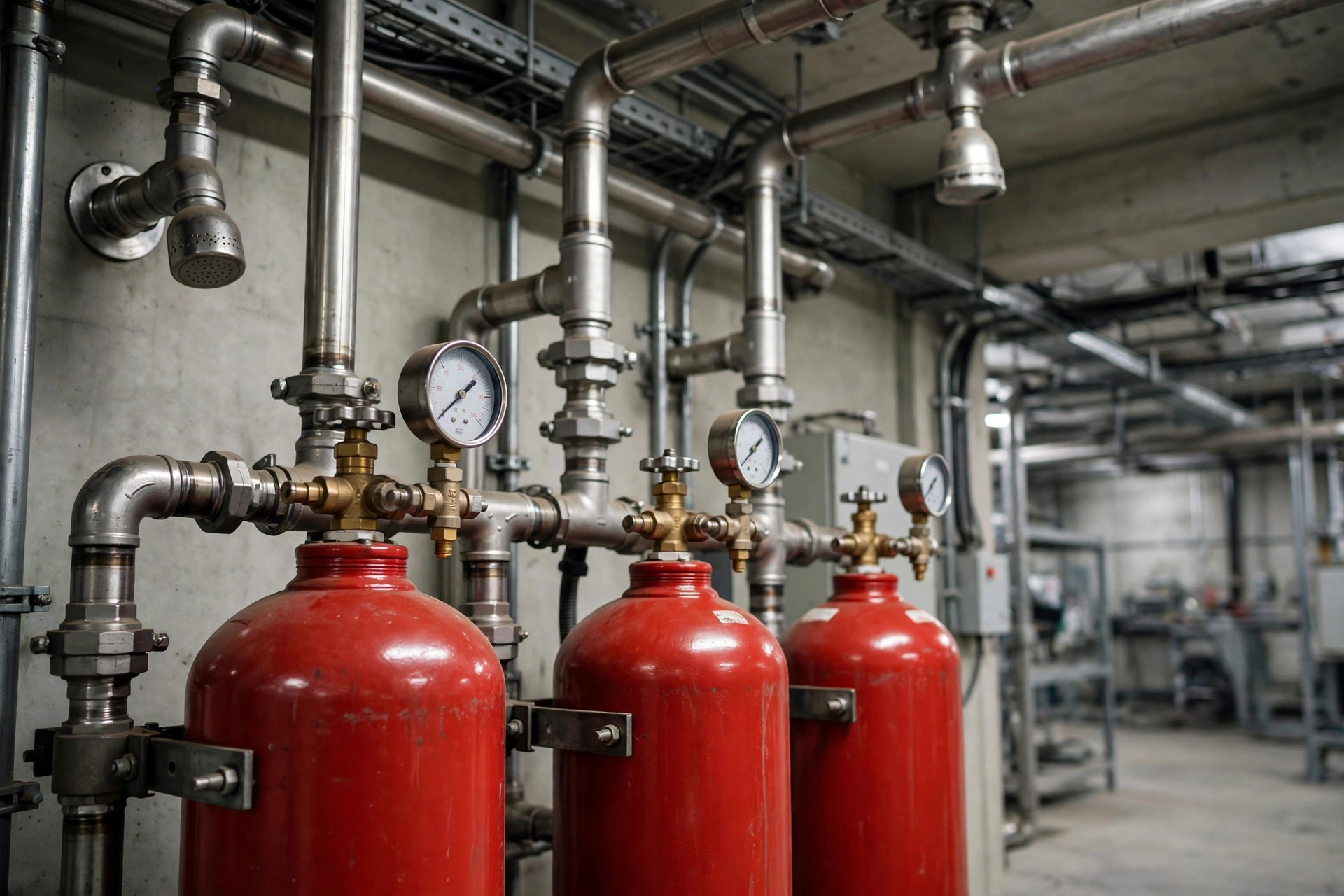
| Gas suppression (HFC-227ea / IG-541) | Strong | Minimal: non-conductive, no residue | Hours (ventilation and reset) | First choice for distribution rooms, server rooms, UPS rooms |
The logic of gas suppression is to turn the agent from something that "fights the fire" into something that "starves the fire." Halocarbon clean agents such as HFC-227ea interrupt the combustion chain reaction chemically; inert gases — IG-541 is a blend of 52% nitrogen, 40% argon, and 8% carbon dioxide, a composition documented in the open literature surrounding NFPA 2001 — reduce oxygen concentration until flames cannot sustain themselves. Neither route conducts electricity, neither leaves residue, and the equipment barely needs cleaning afterwards. The international reference standards are NFPA 2001, Standard on Clean Agent Fire Extinguishing Systems, and ISO 14520-1; in China, GB 50370, Code for Design of Gas Fire Extinguishing Systems. Specific design concentrations, enclosure requirements, and acceptance details should follow the current codes and local fire-acceptance requirements.
The counter-intuitive trade-off
But gas suppression hides a counter-intuitive cost: the bulk of the expense is not the cylinders or the agent — it is the room itself. For the system to work, the protected enclosure must be reasonably airtight: gaps around doors and windows, openings above the ceiling, cable shafts all need sealing; the pressure spike at discharge requires pressure-relief openings. In other words, what gas suppression really sells is a sealed room, not a set of bottles.
Many warehouses never reserve this condition for their electrical rooms at the design stage. It is only before the fire-acceptance inspection that the enclosure integrity fails the test, and then the choice is painful: rework the sealing, or downgrade to a water system. The essence of the lesson is that suppression selection is a construction decision, not an equipment purchase decision — and it belongs in the structural drawing stage, not in the month before acceptance. The sealing costs saved in civil works get repaid with interest in the first fire, except the repayment arrives as downtime.
Selection can be reduced to three questions. First, how long can you afford to be down? The higher the requirement for power continuity — sortation lines, cold storage, automated high-bay systems — the more valuable gas suppression becomes. Second, is the room occupied? In rooms people regularly enter, the agent's human-safety profile is a hard constraint (design concentration limits should follow the current codes); in unattended rooms the choice is wider. Third, is this a retrofit or a new build? Retrofits must price the cost of sealing the enclosure; new builds should get it right once, at the civil-works stage.
Where the agent technology goes next
On the trend side, two threads are worth tracking. The first is the environmental pressure on the agent portfolio. Fluorinated clean agents such as HFC-227ea, due to their global warming potential, are drawing increasing scrutiny under the EU's fluorinated-gas regulation framework, and the EU's PFAS restriction proposal has also brought fluorinated extinguishing agents into the discussion. If these rules land in the window around 2030, the cost and supply chain of fluorinated clean agents will shift, and inert gases (IG-541, IG-55, and the like) may see a resurgence. The second thread is the tightening of the codes themselves: whether in NFPA 2001 or GB 50370, the revision direction is toward earlier detection, faster response, and higher enclosure-integrity requirements — which means the design margins built into gas suppression systems will keep growing, not shrinking.
Connecting these threads raises an open question worth sitting with: as the environmental bill for fluorinated agents gets steeper and the sealing demands of inert gases get stricter, will electrical-room fire protection move from "suppression first" toward "prevention first" — denser electrical-fire monitoring, earlier warning, smaller zones? Suppression systems answer what happens after ignition. But the real risk exposure of an electrical room lies before it. That door nobody opens may deserve an extra hour of discussion at the design stage.
By Dr. Chen, Supply Chain Researcher