We had a client — let's call him Chen — who sells small home appliances out of Guangzhou. Handheld fans, Bluetooth speakers, that sort of thing. Nearly every SKU has a lithium battery in it.
In early 2024 he told me he was cutting costs. He gave up his Class B warehouse in Nansha and moved into a Class C warehouse in an industrial park in Huangpu. Rent was dramatically cheaper — he figured he'd save a serious six-figure sum a year. I told him: slow down, get the fire approval paperwork first. He said the park's leasing agent had promised him "all the fire systems are in place, sprinklers and hydrants, everything." So he signed a three-year lease, three months' deposit, quarterly payments.
Less than four months after his goods moved in, the fire inspection team showed up. They walked the floor and said one sentence: your products contain lithium batteries, which pushes their fire risk up a category. A Class C warehouse can't hold them. Rectification notice, deadline to move out.
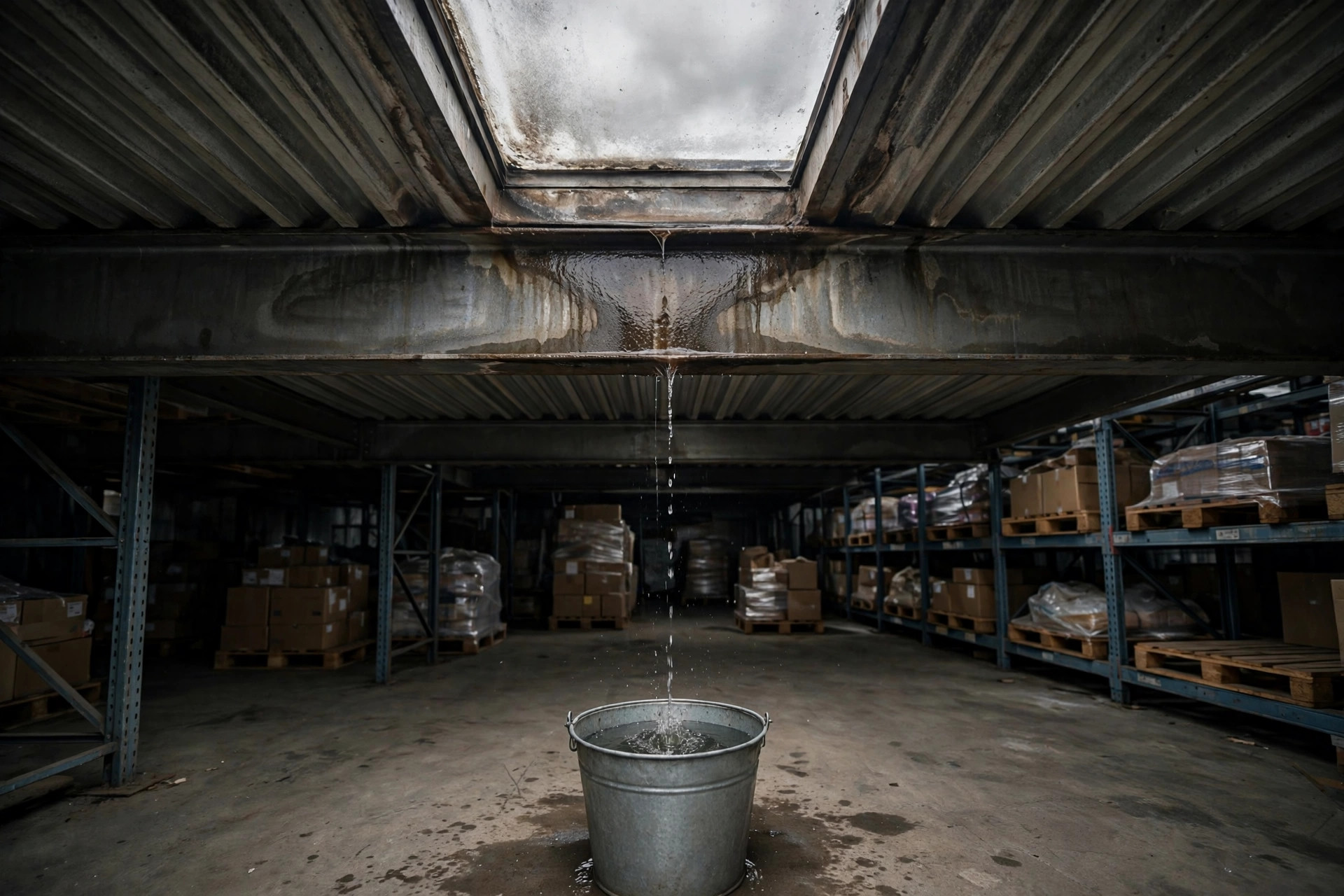
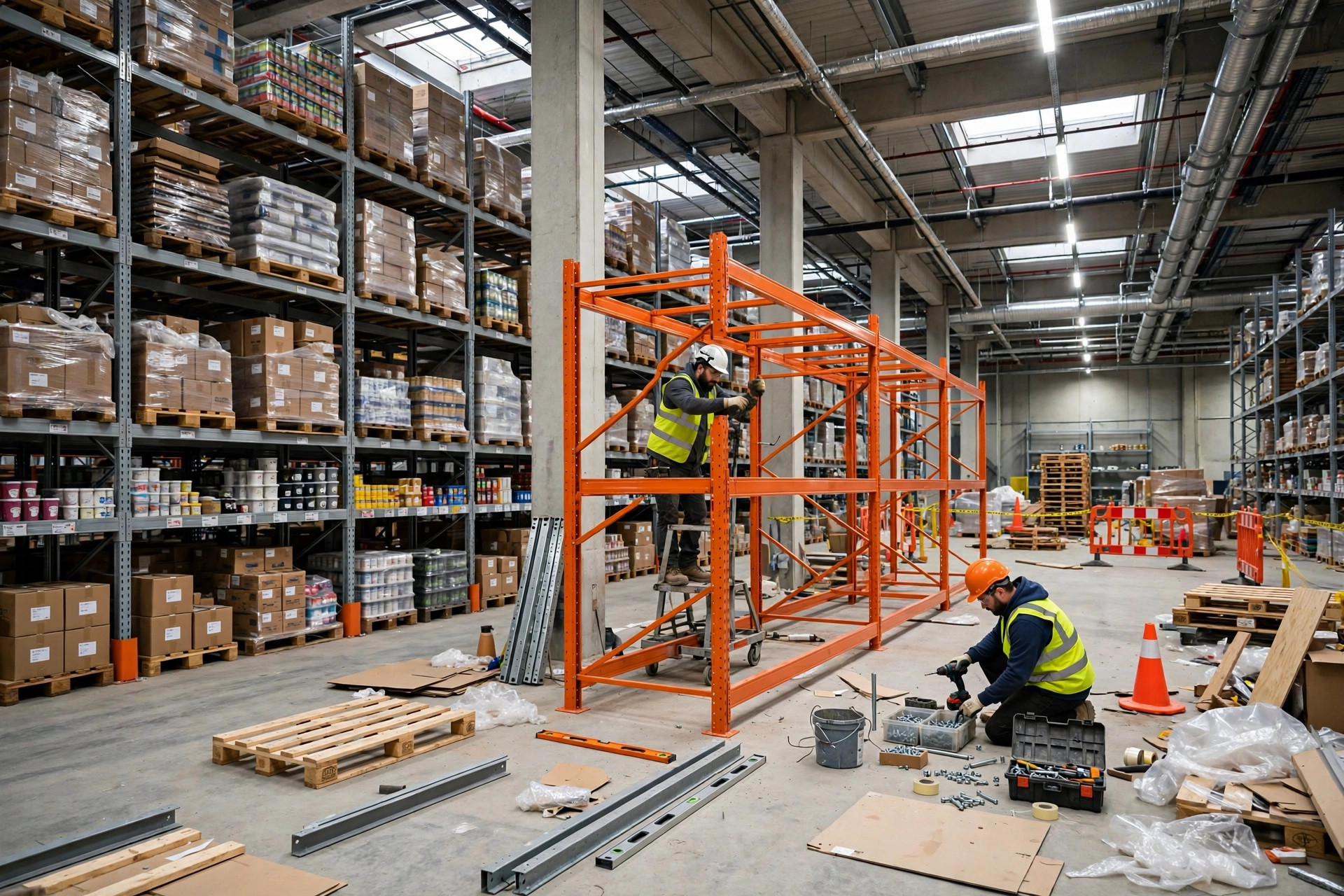
I watched him scramble for the next few months. The racking had just been installed and couldn't be relocated. The landlord refused to return his deposit. And of course he was hunting for a new warehouse in peak season, when every Class B space in Guangzhou was getting pricier by the week and the good locations were gone. When it was over — relocation costs, months of double rent, lost orders — he'd spent several times what he'd "saved." He laughed about it later: "Susan, I paid for a lesson, and I bought the most expensive version of it."
I've been selling 3PL warehousing for years, and I've seen this script play out more than once. Someone rents a lower-rated warehouse to save money, their goods don't match the rating, the fire inspector shows up, and the whole thing collapses. I'm no fire-compliance expert — I sell warehouse space. But after watching clients learn this the hard way, I've picked up a few things worth sharing. Here's what to check before you sign.
What a Class C warehouse actually is
Let's start with the basics, because this is where most people trip. In China, warehouses are classified by the fire risk of what they store — Class A, B, C, D, and E. Note: it's about what goes inside, not how new or expensive the building is.
- Class A: alcohol, explosives — extremely flammable, basically only dedicated hazmat facilities.
- Class B: gasoline, paint, lubricants, and lithium-battery products. High fire risk, second only to A.
- Class C: cartons, cotton, synthetic fibers, plastics, apparel, furniture — everyday e-commerce and consumer goods. Most ordinary warehouses are Class C. (Split further into C1 and C2, with C1 a notch riskier.)
- Class D: hard-to-ignite goods like metal products and glassware.
- Class E: non-combustible goods like steel and cement. The lowest tier.
Here's the counterintuitive part that trips people up: a building's "fire resistance rating" (Grade 1, Grade 2 — how well the structure withstands fire) and its "fire risk classification" (A through E — what you're allowed to store) are two completely separate systems. I've met more than one shipper waving a "Grade 1 fire resistance" certificate, convinced that a sturdy building can hold anything. Wrong. A Grade 1 Class C warehouse still can't hold Class B goods. Sturdy is one thing; what you're permitted to store is another.
There's also a sell-side logic to this: why is Class C rent so much cheaper? Because supply is enormous and the restrictions are tight. Class A and B warehouses cost more to build and are harder to approve, so there are fewer of them and rents run higher. Class C space is everywhere, so agents compete on price. Cheap Class C rent isn't a bargain — it's the market telling you where the ceiling is. Renting Class C space for Class B goods is like buying an economy ticket and trying to sit in business class. When they escort you off, the replacement costs more than business class would have in the first place.
Fire approval covers the use case, not the building
The most unfair part of Chen's story: that Class C warehouse's fire approval was real and valid — but it had been issued over a decade earlier, when the building was a hardware factory, approved as a "Class C factory." He was storing lithium-battery appliances. The goods changed, the use changed, and that approval became worthless for his business.
This is the insider detail leasing agents won't volunteer: fire approval covers a specific combination of "use plus goods," not the building itself. When an agent says "fire approval is all done," they often mean the equipment is there — sprinklers, hydrants, alarms. That is not the same as "your goods can legally be stored here." Two different things, worlds apart.
Another client sells paper packaging — cartons, plastic film, solidly Class C1. He rented a Class C warehouse, so the rating matched. And still got fined. His racking was stacked eight or nine meters high, the fire doors between compartments were propped open year-round with goods piled in front of them. The inspectors wrote him up anyway. Getting the rating right doesn't mean you're in the clear — how you actually store matters too. Stack too high, block a fire compartment, obstruct an evacuation route, and you'll fail just the same. The pre-signing check isn't one document; it's whether three things line up: the warehouse rating, your goods classification, and your actual storage method.
Run this checklist before you sign a Class C lease
This is the fire-rating checklist we run for every client before they sign. Half an hour, and it saves months of pain:
| Check | What to get from the warehouse side | What to prepare on your side |
|---|---|---|
| Fire risk classification | Is the building C1, C2, D, or E? Get it in writing, not verbally | What class are your goods? Any lithium batteries, aerosols, paint, alcohol wipes — a single "upgrade item" can bump you up a tier |
| Fire resistance grade | Grade 1 or Grade 2? Ask to see the certificate | Nothing needed from you — just know this is a different system from the row above |
| Fire approval documents | What use and what goods does the approval cover, what year was it issued, has the building been modified since? | Do your actual use and goods match what's written on the document? |
| Storage method | Ceiling height, is racking allowed, how are fire compartments laid out? | How high will you stack, will you use racking, can you keep fire doors and aisles clear? |
Run through this and most traps reveal themselves before you sign.
And here's the math on that gamble:
| Class C warehouse | Class B warehouse | |
|---|---|---|
| Rent | Noticeably cheaper — often several yuan per square meter per month less | Higher, and space is harder to find |
| What it can hold | Class C goods and below | Class B goods and below — a much wider range |
| Cost of a fire-rating mismatch | One inspection: relocation + double rent + shutdown losses + deposit disputes. A single incident can eat several years of rent savings | Basically none of this risk |
See the pattern? The rent you "save" by putting over-class goods in a Class C warehouse isn't profit — it's a prepayment on fines and relocation. It always comes due, with interest. Fire inspections have been getting stricter, and lithium-battery and powered products are near the top of every inspector's list. This is not a corner worth cutting.
Three questions for your next lease negotiation
I'll leave you with three questions about fire rating and lease terms that you can take straight to the leasing agent — and into the contract. A cheat sheet from someone who sells warehouse space, handed over from the buyer's side of the table:
One: this building's fire approval — what use and what category of goods was it issued for? Can I see the original?
Two: here are my goods, item by item — list the lithium batteries, the spray cans, the paint. What class do they fall into, and can this building legally hold them?
Three: can we add a clause — if I can't operate because the warehouse's fire rating doesn't match my goods, the landlord returns my deposit and covers my relocation costs?
If the agent answers all three crisply and produces the paperwork, the space is probably solid. If they start hedging and changing the subject, walk away no matter how cheap the rent looks. Three extra questions before signing beats a small fortune in relocation costs after.
By Susan, 3PL Sales Director