It was 6:30 in the morning. I hadn't finished my first coffee when my shift lead called. "Chen, the fire inspection engineer is here. He says at this ceiling height, our sprinklers might not cut it. He wants us to look at fire cannons."
I laughed. Translated, that sentence means: spend money on a retrofit, or fail the inspection.
Here's the honest truth. When you run a warehouse, you think about pick rates and call-outs all day. Fire protection is the thing nobody talks about — until it becomes the only thing that matters. And the fire monitor vs sprinkler question is one a lot of warehouses get wrong at build-out. So let me tell you how my building got burned on this, figured it out, and landed where we are now.
How This Problem Landed on My Desk
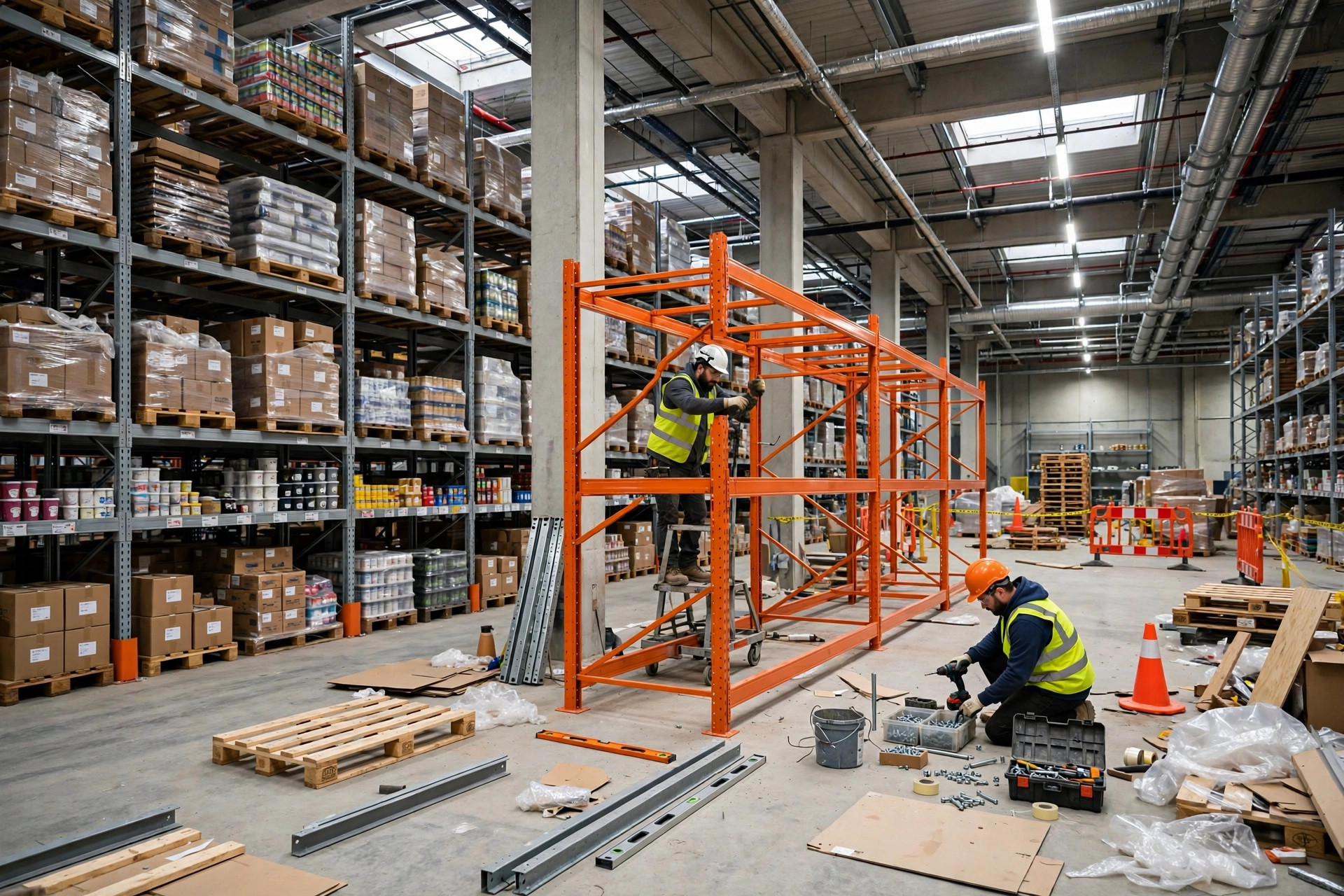
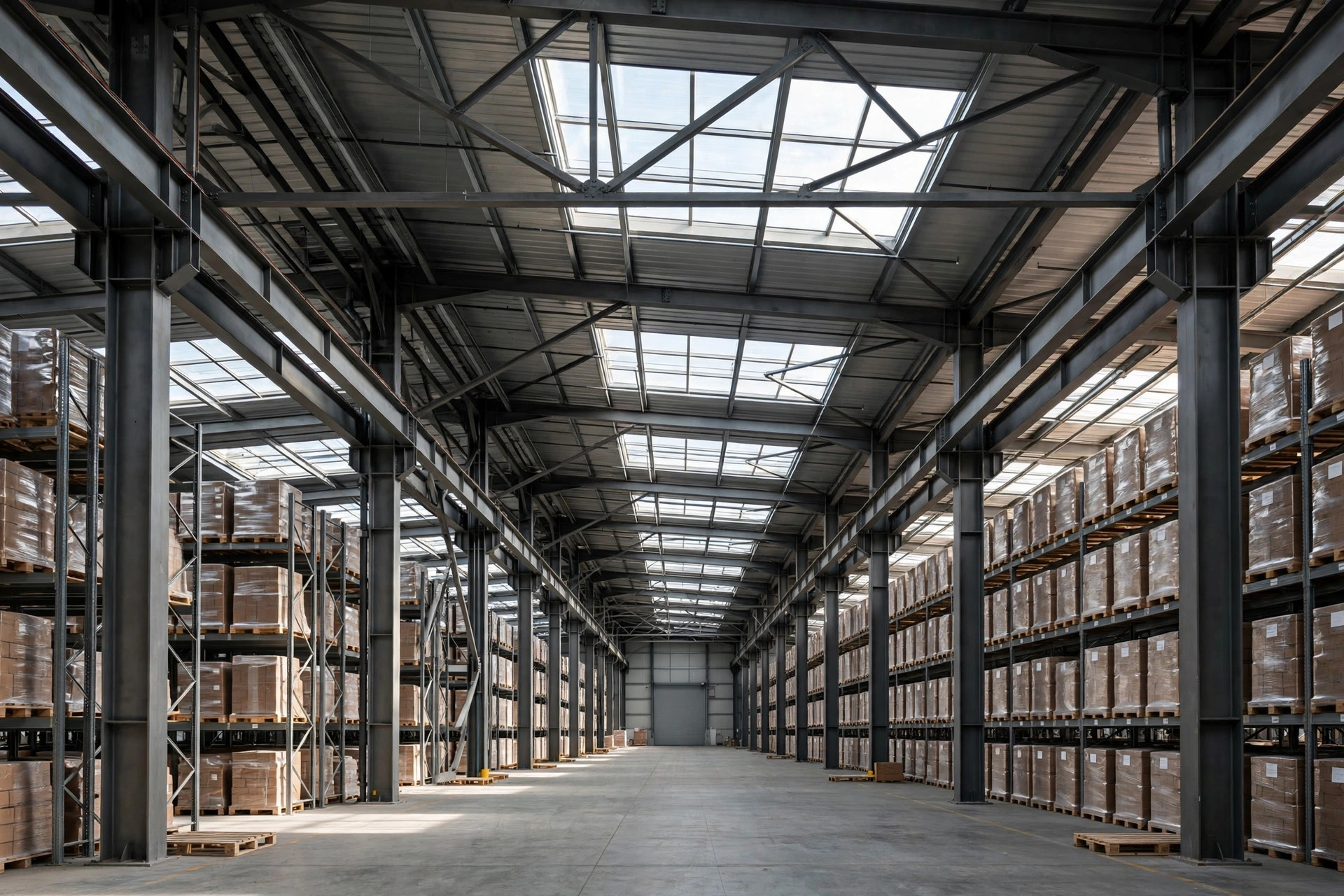
Rewind to the summer of 2023. We leased a new building in Fontana, California, with a much higher clear height than our old site. Racks went up, capacity nearly doubled. Everybody was happy — same rent footprint, way more storage.
The happiness lasted about a week. The fire protection engineer walked the floor and his first sentence took the air out of the room: "At this height, water from a standard sprinkler head spreads out before it ever reaches the product."
I didn't get it at first. Isn't a sprinkler a sprinkler? Then he gave me an analogy that stuck: the higher water falls, the wider it spreads, and the less of it actually lands on the fire. In a high-bay warehouse, the hot gases from a fire also take longer to reach the ceiling and trip the sprinkler's heat element. Put those two together and sprinkler performance drops off. That's not a product defect. That's physics.
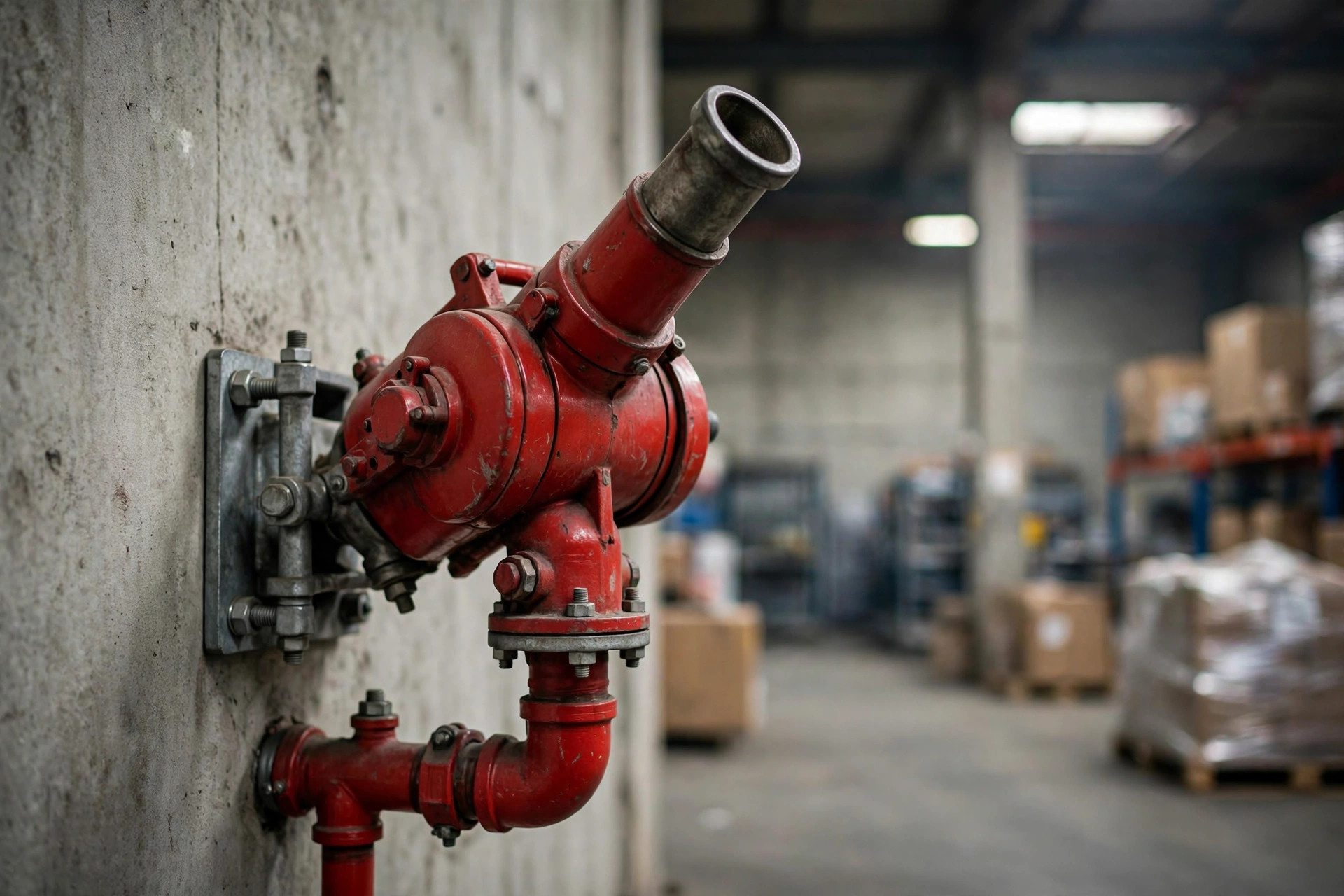
So the question sat on the table: upgrade the sprinkler system to early-suppression fast-response heads (ESFR), or mount fire cannons on the walls — automatic tracking units that find the fire with infrared and hit it with a direct jet.
How We Chose: Run the Money First, Then Talk Technology
I'll be straight with you. The first thing we did wasn't pick a technology. It was run the money.
The fire contractor gave us two proposals. I slapped both on the table and sat down with our finance guy and the landlord's property manager. The ESFR route: the heads aren't the expensive part, the water supply is — new pumps, new piping, basically rebuilding the whole fire water system from scratch. The fire cannon route: the units themselves cost more, but the main piping stays untouched, and the work is mostly wall mounting and controls. Less downtime too.
The math came out pretty clear:
- If you're retrofitting a building that's already running, and you can't afford to tear up the pipe network or shut down for days — fire cannons are usually the more realistic path.
- If it's new construction and you're building the fire system from zero anyway — sizing the water supply right from day one can make ESFR the better deal.
But money is only half the equation. The other half is the cost of an accidental discharge, and that's the line item most of my peers never calculate.
Where Sprinkler Selection Goes Wrong: Accidental Discharge
Winter of 2021, at our old building. A forklift driver on night shift clipped a sprinkler branch line backing up. Water poured down for I don't know how long. Three aisles of product, soaked. I'm not going to tell you the dollar figure on the damaged goods — the worse part was the week after. The whole building drying product, filing claims, arguing with the insurance company, peak-season orders going out late.
That night changed how I think. The biggest risk with sprinklers isn't "it won't put out the fire." It's "it'll dump water when there's no fire." ESFR heads react fast and suppress hard, but one false trip costs you by the aisle. A fire cannon fires a targeted jet at one spot — the water damage stays small.
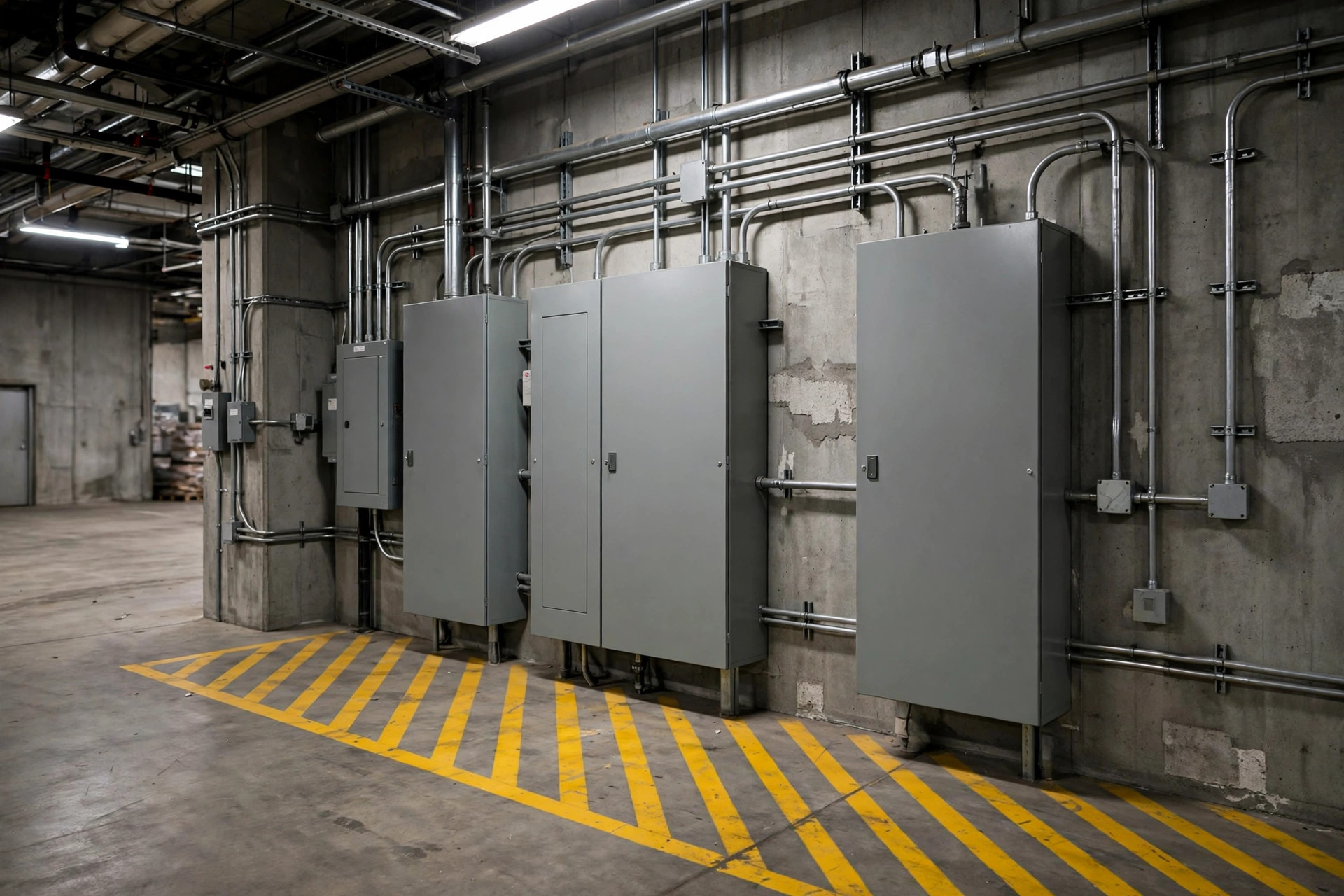
Now, fair is fair: fire cannons have their own weak spot. They depend on infrared detection and powered controls. Lose power, or let dust cake over the detectors, and they respond slow. Our fix: the cannon controls run on the emergency power circuit, and somebody wipes the detectors once a month. It's on the equipment checklist — who's responsible, which day, supervisor signs off.
The Fire Cannon vs Sprinkler Decision Line
Here's what we run on now — a dead-simple decision table. When a new engineer asks me, I point at this before I point at any code book:
| Factor | Go ESFR sprinkler | Go fire cannon |
|---|---|---|
| New build or retrofit | New build, fire system from scratch | Existing building, don't touch the mains |
| Can you live with widespread water damage | Yes, product handles water | No, high-value goods, electronics |
| Maintenance crew | Someone owns the pipe network | Someone owns the electronics and detectors |
| Budget shape | Big upfront spend, stable after | Pricey units but fast install, short downtime |
| Power outage risk | Not an issue, purely mechanical | Must have emergency power |
Now here's the counterintuitive part, and I want my fellow ops managers to hear this: a lot of people assume the more expensive fire system is the safer one. Wrong. There is no absolutely safe system. There's only the system that fits your building. A fancy system nobody maintains will lose to a simple system somebody wipes down every month. Our rule now is one sentence: pick the system we can actually maintain, not the one we can't.
One more trade-off you need to hear: a fire cannon is a sniper — one target at a time. Sprinklers are area coverage. If a fire could start in several places at once, sprinklers are the safer bet. High-value product in a concentrated area, like electronics? The cannon earns its keep. Mixed SKUs scattered everywhere? Sprinklers are steadier. Which one, or whether you can mix both — check with your local fire authority and the latest NFPA edition. That's not a throwaway line. I know a guy who copied "what the building next door did" and failed inspection. The rework cost more than what he'd "saved."
Two Reminders for My Fellow Ops Managers
First: don't wait until a month before inspection to think about the fire monitor vs sprinkler decision. Get the fire engineer, the landlord, and the insurance company at one table as early as you can. In Fontana, we started the conversation six months out, and the landlord agreed to split part of the retrofit cost. One month later, that money would have come entirely out of our pocket.
Second: installation isn't the finish line. We run a fire check every month now — heads checked for blocked coverage, cannon detectors wiped, emergency power tested under load. The work isn't hard. Sticking with it is. My shift lead walks every new hire past the wall-mounted cannon on day one: "The day this thing actually fires, you'll understand why the boring monthly checks were worth it."
By Chen Feng, Warehouse Operations Manager