2:17 in the morning. My phone rang.
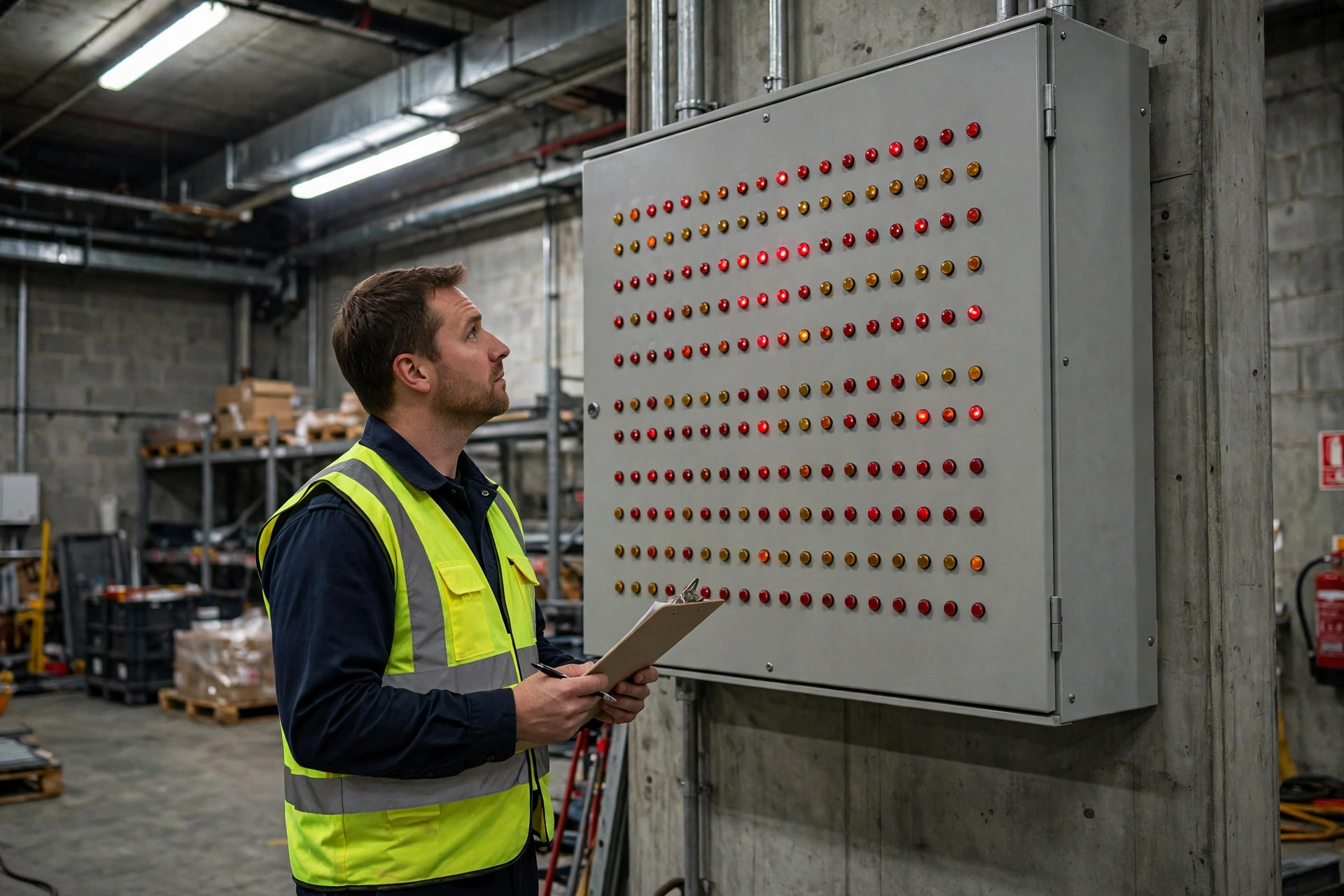
It was Li, our night-shift duty officer, voice tight: "Manager Chen, the fire alarm panel is going off. Red light. It says smoke detector in Zone D... what do I do?"
"Don't touch the reset button," I said. "Get dressed. Grab Old Wang. Both of you go to Zone D and look. Call me when you're there."
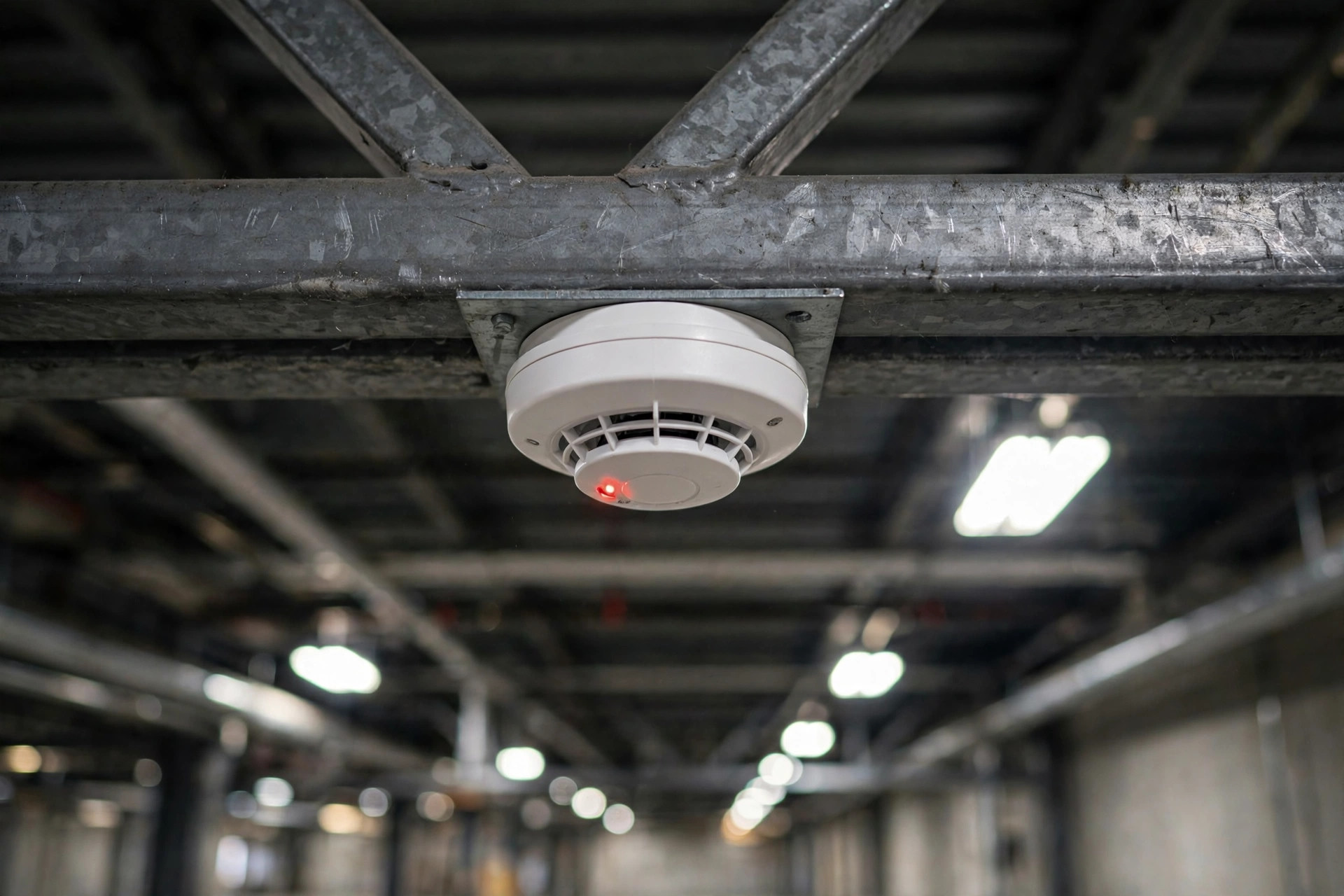
Five minutes later he called back: the detector near the forklift charging area was caked in dust. False alarm.
Folks, I've been running warehouses long enough to have seen this movie too many times. A fire alarm panel sits quiet for a year, then goes off once and the duty officer's hands start shaking. Shaky hands do one of two things: hit reset and pretend nothing happened, or evacuate the whole building and drag 200 people out of their sleep. I've seen both. Both have caused real trouble.
Here's the honest truth: that panel speaks three different languages, and each one demands a completely different response. Read the signal wrong, and everything you do after that is wrong.
Three lights, three meanings: read the fire alarm panel before you touch it
There are only three signals a duty officer will ever see on a fire alarm panel:
| Signal | Light | What it means | First move |
|---|---|---|---|
| FIRE ALARM | Red | A detector or pull station triggered | Verify first. Do NOT hit reset |
| TROUBLE | Yellow/amber | Loop, detector, or power issue | Log it, file a work order. Fix it the same day |
| False alarm | Red (looks exactly like a real fire) | Dust, steam, or moisture tripped a detector; no fire on site | Confirm on site, then reset per the 3-minute playbook |
Notice the trap: a false alarm looks identical to a real fire on the panel. Same red light. The only way to tell them apart is a human being walking over and looking with their own eyes. That's why the first thing I ever tell a duty officer is: hands off the reset button.
Testing and maintenance intervals vary by jurisdiction — follow your local fire department (AHJ) requirements. We're on a quarterly service contract with our fire protection vendor.
How false alarms and a yellow light beat us into shape
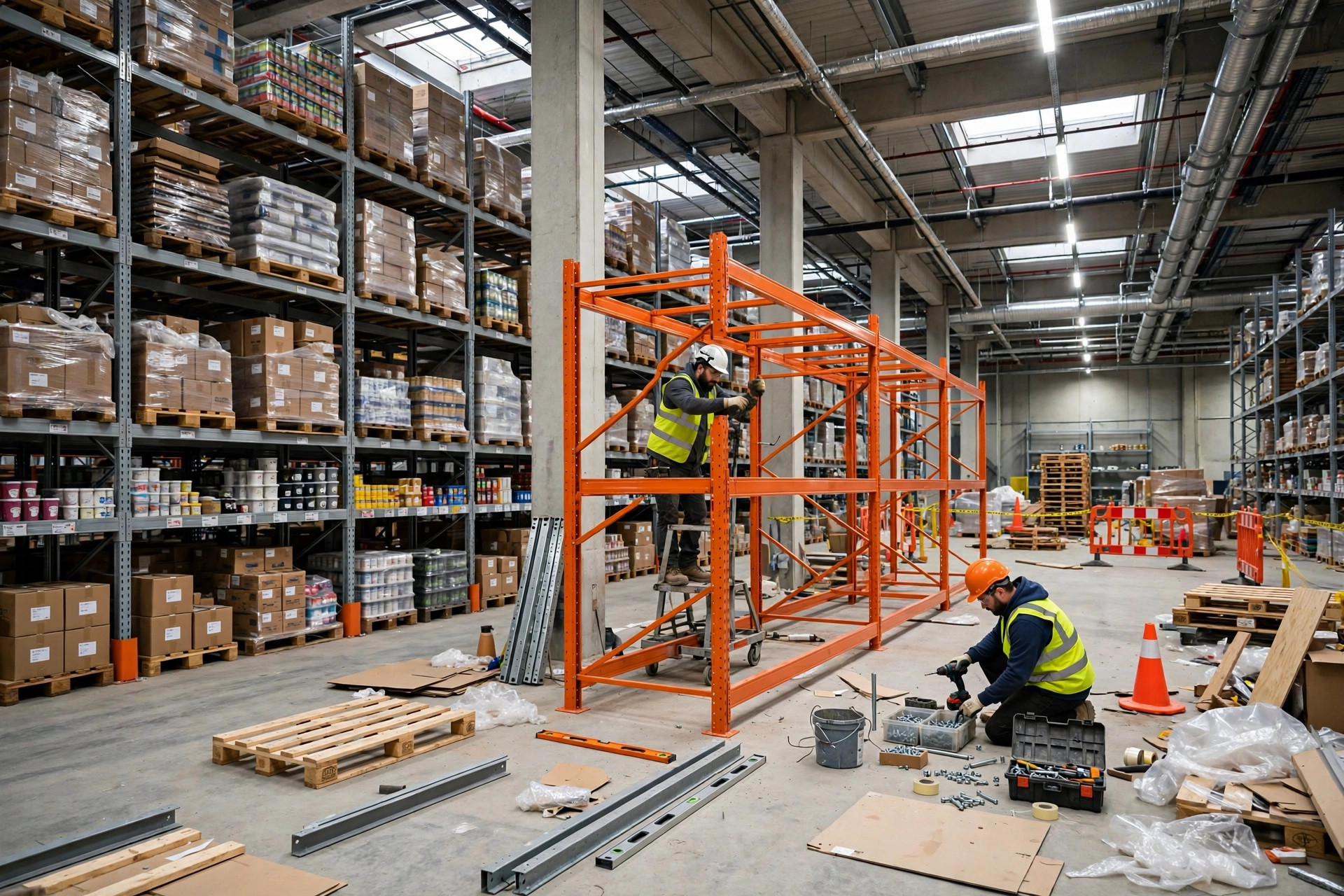
Winter, 2019. Our big facility outside Ontario, 320,000 square feet. Past 3 AM, the panel lit up red. The duty officer was a kid two months on the job. He panicked and hit the full building evacuation. Two hundred-plus people stood in the parking lot in their pajamas in the middle of winter. Three fire trucks rolled up. They searched for an hour. The culprit: a detector by the dock doors, coated in frost from forklift exhaust and moisture. False alarm.
That night cost us an hour and a half of downtime. Peak season. We shipped 4,000 fewer orders that night. The boss didn't yell. But I'll never forget that look.
The second lesson was worse. Summer, 2021. Same building. The panel showed a yellow TROUBLE light. The night guy figured yellow could wait and wrote it in the handover log for the day shift. That wait stretched into nearly three weeks. Then the fire maintenance company came for the quarterly inspection and found two smoke detector loops in Zone D had been dead the whole time. For three weeks, Zone D could have caught fire and the panel would never have said a word. We were flying blind for three weeks.
Here's the honest truth, and it's the most counterintuitive thing I know about this job: a yellow trouble signal is more dangerous than a red false alarm. A false alarm costs you one rough night. A trouble signal means one of your watchdogs just went blind, and you don't even know it. Most duty officers fear the red light and shrug at the yellow. They've got it exactly backwards.
After those two incidents, we tried a few approaches. All of them had problems. First we made it evacuate on every alarm. Safe? Sure. But every false alarm dragged the whole building out, and morale tanked. One of my veteran leads pulled me aside: "Manager Chen, two more of these and next time there's a real fire I'm not even going to bother running." That scared me cold. The real cost of false alarms isn't downtime — it's grinding people's alertness down to nothing. The boy who cried wolf, live on the warehouse floor.
Then we tried having the duty officer check the zone first and decide after. Problem: some nights there's only one person on duty. He walks out to Zone D, and nobody's watching the panel. If that's a real fire, he's walking straight into it alone. Not acceptable either.
What we landed on — and what we still use today — is the 3-minute response playbook. One core rule: the person at the panel stays at the panel, and the person going to look goes to look.
Our fire alarm panel 3-minute response playbook
It's printed out and taped to the wall next to the panel. Every new duty officer walks through it with a veteran in their first week.
Minute 1: look, don't touch. Get to the panel. Read the light first: red or yellow? Write down the zone code (say, D-12) and call it out over the radio so everyone hears it. Hands off the reset and silence buttons. Read first, act second.
Minute 2: send eyes to the zone. Night shift runs at least two people: one stays at the panel, one goes to the zone. The one who goes carries a radio. On arrival: look, smell, feel. Any smoke? Any burning smell? Is the wall hot? If only one person is on duty: wake up the on-call backup first, stay at the panel yourself, and do not enter the zone alone. Wait for backup. People are worth more than product. Non-negotiable.
Minute 3: decide. Fire or smoke confirmed on site: run the evacuation plan, call 911, full building evacuation. No hesitation. False alarm confirmed (dust, steam, moisture): go back to the panel, hit reset, and log it in the alarm record book — time, zone, cause, who verified. Yellow trouble: log the zone code, file a repair work order the same day, fixed within 24 hours. Until it's fixed, that zone gets an extra manual patrol round.
Do the math: what 3 minutes is worth
We get roughly 8 to 10 false alarms a year. Under the old evacuate-every-time rule, each one pulled 200 people off the floor for an hour — and in peak season that's thousands of orders missed, not counting the fire trucks rolling and the inspections that follow.
Under the 3-minute playbook: two people, three minutes, six minutes of labor at most. Confirm it's false, reset, go back to sleep, go back to work. Over a year, the downtime we save pays for a full-building fire drill with change to spare.
I ran those numbers for the boss once. He just said: "Tape it to the wall."
Folks, a fire alarm panel looks like furniture on a quiet day. On a bad night it's your only source of truth. A few honest words:
First, never put just one name on the night-shift roster. You can run lean everywhere else, but alarm response is a two-person job. One person is a gamble.
Second, don't keep the playbook in a computer. Print it. Tape it next to the panel. At 2 AM, people are groggy. Paper isn't.
Third, in a new hire's first week, have them shadow a veteran on a night shift. Seeing one real alarm handled beats ten training sessions.
And one last thing: when the yellow light comes on, don't let it sit overnight. Fix it that day. If you can't fix it, add a manual patrol. You can live with false alarms wasting your time. You can't live with a trouble signal blinding you.
By Chen Feng, Warehouse Operations Manager