It was 11:40 PM on a July night in 2024. I had just gotten into bed when my phone rang.
It was A-Qiang, my night-shift lead. His voice was tight: "Feng, you need to get here. The pallet of power banks in Zone C — it's smoking."
I threw on my clothes and drove to the warehouse. All the way there, one thought kept looping: please don't let it catch fire. That pallet had come in a week earlier — portable chargers — and the shipper had assured us, "We've got the UN38.3 test report, you can store them no problem." And I'd believed him. A report is a report, right?
Here's what I want to tell fellow warehouse folks: that UN38.3 report covers transportation. Your goods sit in a warehouse for three months, six months — the report won't save you. Honestly, storing lithium batteries in a warehouse is a completely different game.
That night: smoke rising from one pallet
When I arrived, A-Qiang and two veteran guys had already cleared the goods around the pallet and pulled everyone back behind the fire doors. The smoke was thin and white, with a sharp, sweet chemical smell. Nobody dared to throw water on it — we knew at least that much. Water barely does anything against a lithium battery in thermal runaway, and it can make things worse.
We called 911. The fire crew came in hazmat suits, dragged the pallet out into the open, submerged it in water to cool it down, and stayed until past 3 AM to make sure it wouldn't reignite.
The investigation afterward: a pallet holding several hundred power banks, and at the very bottom layer, two units had been crushed by the weight above. Cracked casings, squeezed cells, thermal runaway creeping in slowly. The goods had sat for over ten days, forklifts rumbling past every day, vibration plus compression — until that night it finally started smoking.
We got lucky three times over: it was the night shift, A-Qiang walks his rounds like clockwork, and the pallet was near the aisle so it could be moved fast. If it had been buried deep in the racking, or if it had happened during the busy day shift... I don't want to think about it.
I barely slept for a week after that. Fifteen years running warehouses, and for the first time I thought: some cargo can't just be accepted because "the paperwork is in order."
The fire inspection: three violations, each one a slap in the face
A couple of months later, the local fire department showed up for a surprise inspection. They went straight to our battery area and wrote us up on three items:
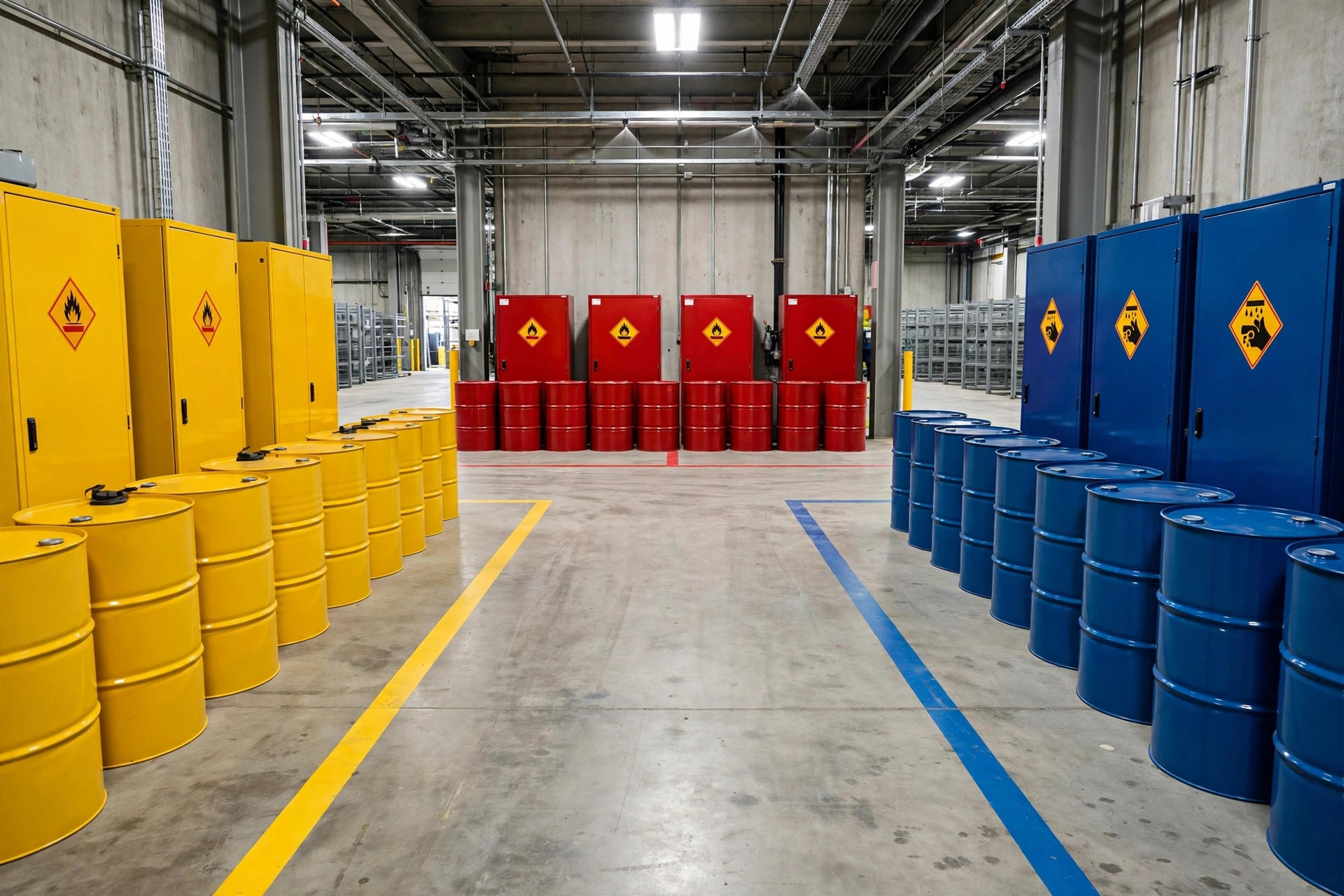
One, no dedicated storage zone. The lithium batteries were mixed in with regular electronics, separated by nothing but an aisle.
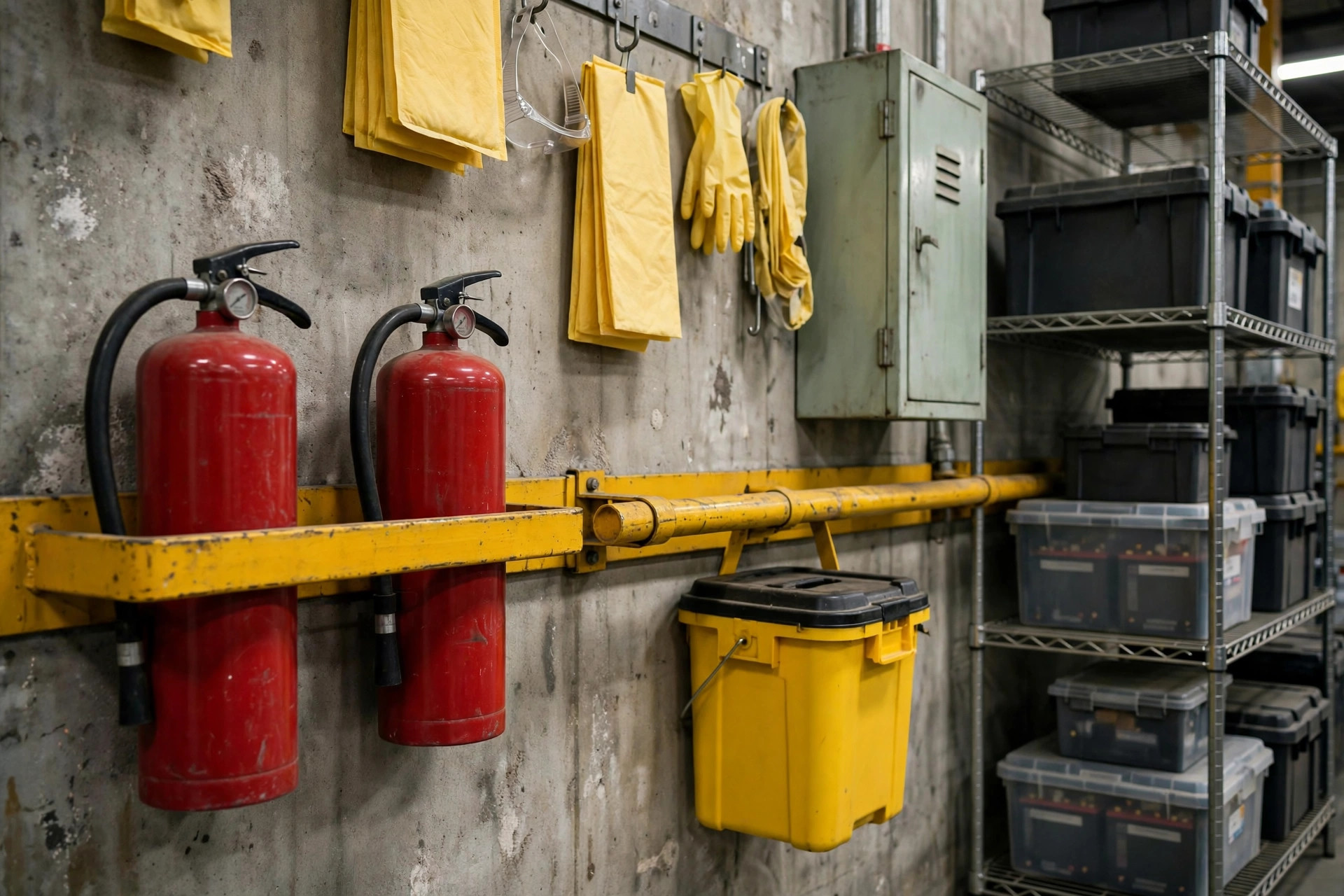
Two, the wrong fire equipment. We had standard dry-powder and water-based extinguishers. The inspector was blunt: against lithium battery thermal runaway, these are basically useless. What and how much to install — that has to follow your local fire authority's requirements.
Three, no targeted emergency plan. Our plan was a generic fire response document. It didn't mention lithium batteries once.
They gave us two weeks to fix everything. The shipper was panicking too — the goods were still in our building, and if they burned, who pays? For those two weeks, I had my two supervisors and me on the floor every day, going through our whole battery operation from scratch.
That's when our warehouse made a rule: a UN38.3 report is a ticket to receive the goods, not a pass to store them however you like. The report is for the transportation leg. How you store them in the building is the fire department's call.
How we figured it out: zone first, rules second
Fix number one: a dedicated zone.
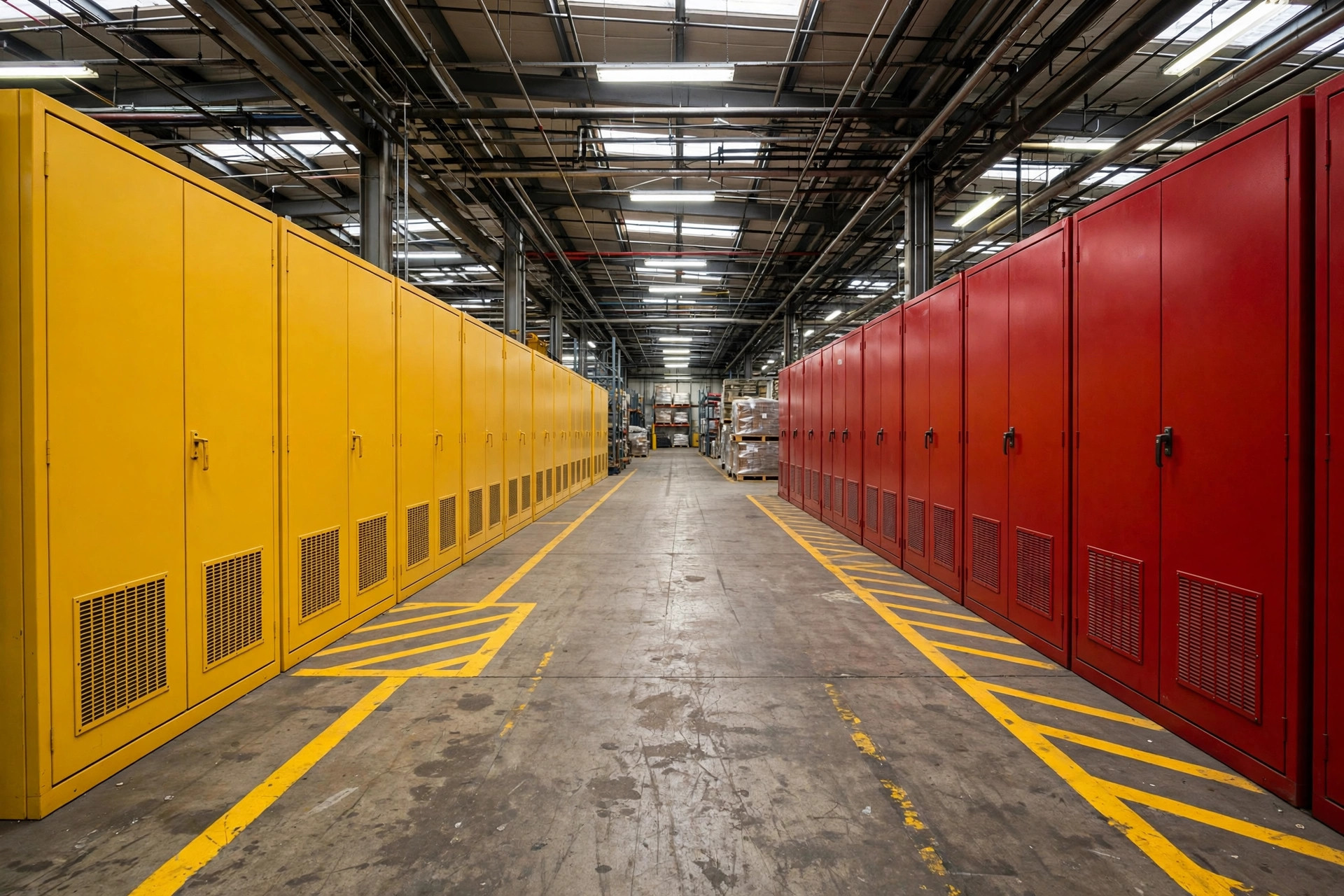
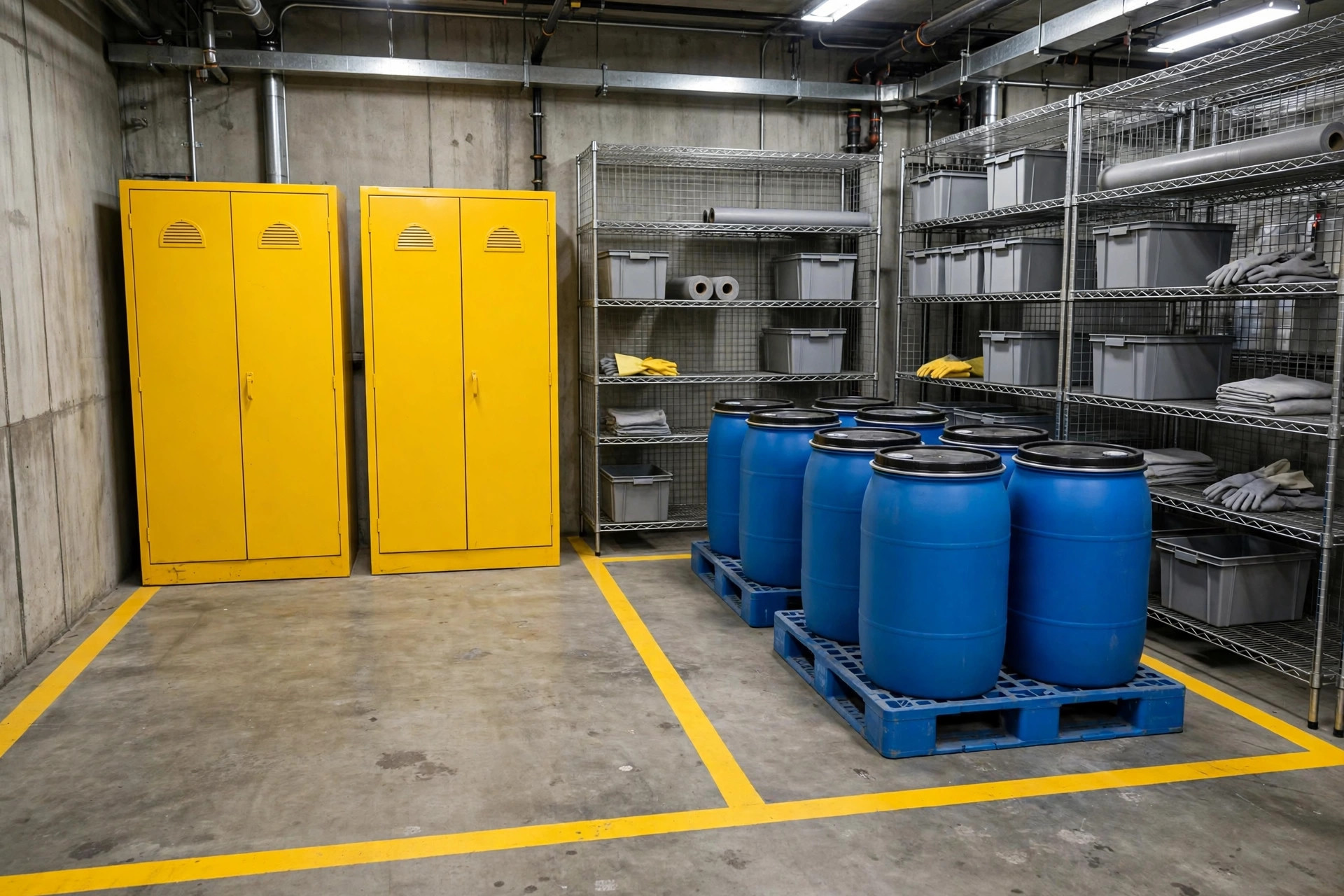
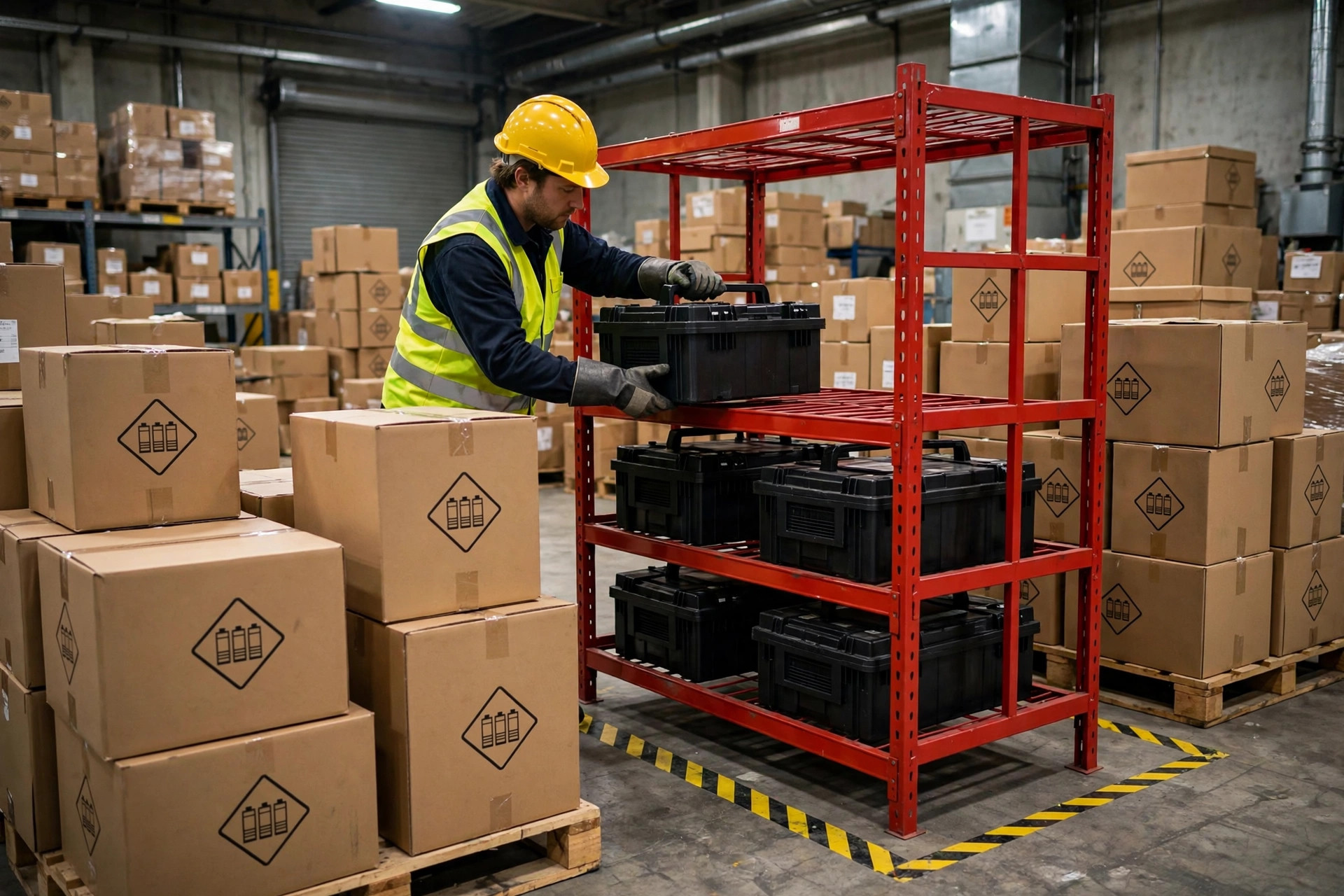
We carved out a separate area just for batteries, with fire-rated physical partitions all around, completely separated from general cargo. We swapped the racking too — shelves with gaps between levels for heat dissipation, no more stacking to the ceiling. We used to stack power banks six levels high to save space. Now it's three max. Heavy goods never press on light goods, and anything with a battery cell never gets crushed under anything.
How much separation distance? Honestly, it varies by jurisdiction. We took our layout drawings to the local fire authority, they signed off, and that's what we built. Don't copy a number from some article online and call it a day — always follow the latest requirements of your local fire and emergency management authorities. Half a day asking them beats a hundred articles.
Fix number two: check the charge level at receiving.
This became a hard rule after we got burned. And here's the counterintuitive part: a lithium battery's worst enemy isn't heat — it's sitting at full charge. A fully charged cell in long-term storage is in its most unstable state. A little compression, a little temperature swing, and it's in trouble. Now at receiving we spot-check charge levels. Fully charged, swollen, or damaged packaging — rejected on the spot, the shipper takes them back and fixes it before redelivery. The shipper cursed us for being difficult at first. After the smoking-pallet story got around, he became more diligent than we are.
Fix number three: three new lines on the patrol checklist.
Two patrol rounds a day, and the battery zone is mandatory. Three things to check: any strange smell, any swelling or deformation, and whether temperature and humidity look right. If anything's off — isolate first, report up, and nobody touches it themselves. When A-Qiang trains new hires now, the first lesson is at the battery zone: "Smell something sweet, see smoke — don't play hero. Run. Shout."
What we do now: one table
After half a year of work, our battery storage comes down to this one table. New-hire onboarding, fire inspections, shipper audits — everyone looks at the same sheet.
| Item | What we do now | What inspectors always check |
|---|---|---|
| Storage zone | Dedicated physical zone, separated from general cargo, no mixing | Is there a dedicated zone, are the partitions real |
| Stacking | Max three levels, battery goods never under heavy loads, gaps between shelf levels | Over-stacking, crushed or deformed packaging |
| Fire equipment | Configured per local fire authority guidance, inspected regularly | Right equipment types, within service dates |
| Temperature/humidity | Room-temperature ventilated storage, extra patrols during summer heat | Temperature/humidity logs |
| Receiving check | Spot-check charge levels; swollen, damaged, or fully charged units rejected | Rejection records, exception handling logs |
| Daily patrols | Every shift checks: smell, swelling, temperature/humidity | Are patrol records continuous |
| Emergency plan | Battery-specific plan: isolate, report, evacuate — no DIY handling | Does the plan exist, have drills been run |
| Training | First lesson for new hires, quarterly refreshers | Training records, can staff explain it |
The table is printed A3 and posted at the battery zone entrance, where anyone can see it. The fire department has come back twice since — zero violations both times. Shippers now check charge levels themselves before delivery. They're stricter than we are.
The math: what the fix cost us
Honestly? It wasn't big money. The partitions and racking work ran a few tens of thousands. Replacing the fire equipment per the fire department's guidance was a few thousand. The biggest cost was labor — three people for two weeks, plus a quarterly drill.
Compare that to one fire. Never mind the value of that one pallet — a shutdown for investigation, customer claims, insurance hikes. You can do that math yourself.
A few reminders for fellow operators
First, a UN38.3 report doesn't mean you can store them however you want. The report covers transport, not warehousing. Treat it as your receiving ticket, file it away, and let the fire department tell you how to store them.
Second, don't copy numbers off the internet. Separation distances, how many extinguishers, temperature limits — it all varies by jurisdiction, and regulations change. Take your drawings to your local fire and emergency management authorities. Half a day of asking buys you the word "compliant."
Third, fully charged goods are the most dangerous. Add a charge-level check at receiving. Swollen or damaged units get rejected on the spot — don't go soft. The unit you go soft on today is the 2 AM phone call tomorrow.
Fourth, your emergency plan needs the words "lithium battery" in it. A generic fire plan with no mention of batteries is no plan at all. Spell it out: who spots it, who reports, who isolates, and that nobody handles it themselves.
There will only be more lithium batteries coming through our doors. Get the rules in place early. Don't wait until the smoke starts.
By Chen Feng, Warehouse Operations Manager